Toshiba(TOSYY)

Search documents
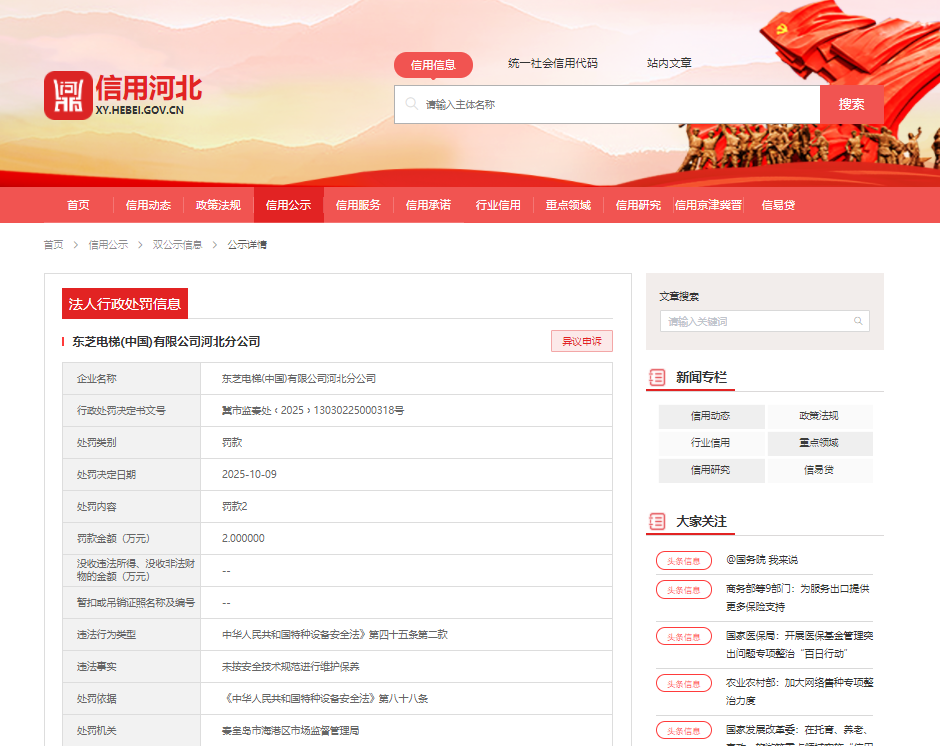
东芝电梯河北分公司因未按安全技术规范维护保养被罚2万元
Qi Lu Wan Bao· 2025-10-17 02:21
Group 1 - The administrative penalty of 20,000 RMB was imposed on Toshiba Elevator (China) Co., Ltd. Hebei Branch for violating the Special Equipment Safety Law of the People's Republic of China [1] - The violation involved failure to conduct maintenance and upkeep according to safety technical specifications [1] - The penalty decision was officially issued on October 9, 2025 [1] Group 2 - Toshiba Elevator (China) Co., Ltd. Hebei Branch was established on September 26, 2012, and is led by Yu Zhaokai [2] - The company is registered in Shijiazhuang, Hebei Province, and operates in the wholesale industry, focusing on the sale, installation, and maintenance of elevators and related equipment [2]

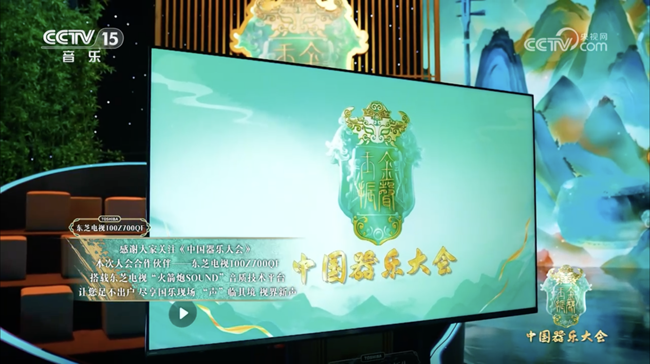
东芝电视携手《中国器乐大会》 还原国乐“声”入人心的力量
Sou Hu Wang· 2025-10-14 09:07
Core Viewpoint - The collaboration between Toshiba TV and the "Chinese Instrumental Music Conference" aims to enhance the experience of traditional Chinese music at home through advanced sound technology, making it accessible to a wider audience [1][9]. Group 1: Event Overview - The "Chinese Instrumental Music Conference" aired on CCTV15, featuring classic performances that garnered significant attention [1]. - Performances included pieces like "Dance of the Golden Snake" and "Ambush from Ten Sides," showcasing the richness of traditional music [2][3]. Group 2: Technological Innovation - Toshiba TV's model 100 Z700QF utilizes the Rocket Cannon SOUND technology platform to replicate the live music experience at home, addressing common issues with sound quality in typical home setups [5][9]. - The TV features a 5.1.2 channel structure and 8-channel independent drive, allowing for precise differentiation of instrument frequencies, enhancing the clarity and richness of the music [8]. Group 3: Cultural Impact - The partnership between Toshiba and the music conference represents a cultural relay, using technology to amplify traditional music and making it a regular part of household life [9]. - This initiative aims to bridge the gap between traditional culture and modern technology, ensuring that the sounds of traditional music resonate in everyday life [9].
537亿日元收购东芝白电9年后 美的的高端梦圆了吗
Xi Niu Cai Jing· 2025-09-30 11:19
Core Insights - In 2016, Toshiba transferred its white goods business, including refrigerators and washing machines, to China's Midea Group for 51.4 billion yen, acquiring approximately 80% of Toshiba's subsidiary "Toshiba LifeStyle" and a 40-year global license for the Toshiba brand along with over 5,000 related patents [2] - This acquisition was seen as a crucial step in Midea's globalization strategy, which has shown significant growth, with total revenue reaching 128.4 billion yuan in Q1 2025, a year-on-year increase of 20.6%, and net profit of 12.75 billion yuan, up 41.1% [2] - Despite business expansion, Midea faces challenges with market performance and consumer reputation, as evidenced by over 14,000 complaints related to product quality and after-sales service on the Black Cat Complaints platform [2] - Midea proactively recalled 1.7 million U-shaped window air conditioners sold in North America due to potential mold issues in extreme humidity, emphasizing that the recall was voluntary and not mandatory [2] Industry Analysis - Analysts suggest that Midea has yet to fully leverage Toshiba's brand value into global competitiveness, with resource allocation being diluted by supporting both COLMO and Toshiba, leading to overlapping product positioning and increased internal competition [3] - The high-end appliance market is currently led by Casarte, and the industry is entering a phase of "localized deep cultivation," indicating that Midea needs to enhance Toshiba's operational capabilities [3]

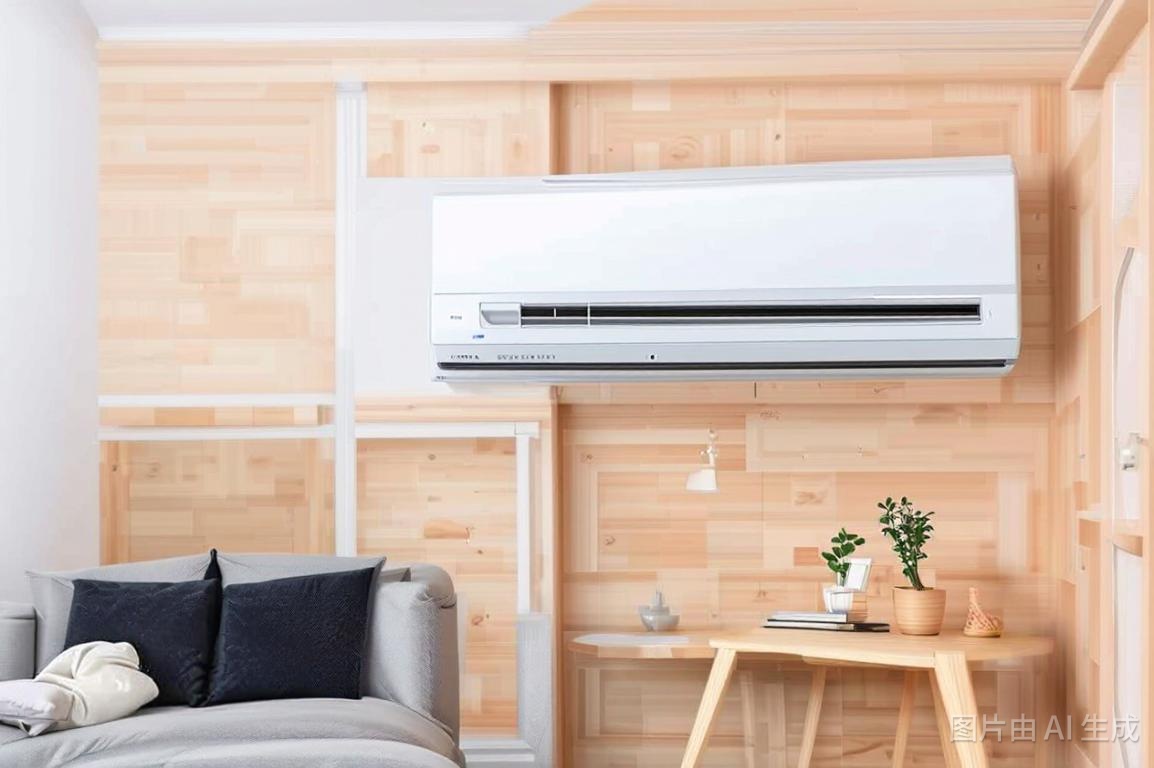
东芝“火箭炮SOUND”破局:独立芯片+三维声场定义高端电视音质新标准
Huan Qiu Wang· 2025-08-28 11:02
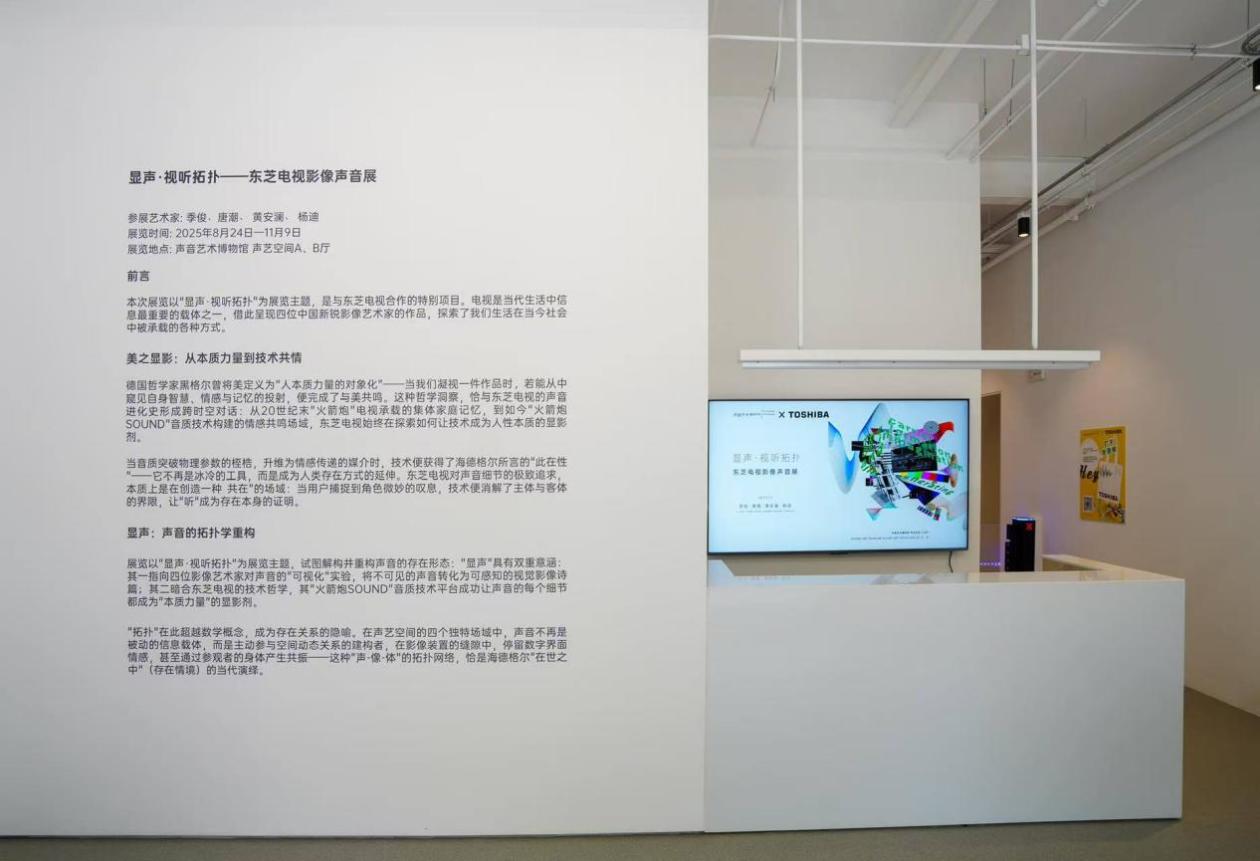
Core Viewpoint - Toshiba TV is redefining audio standards in high-end televisions with its upgraded "Rocket Sound" system, emphasizing the importance of sound quality alongside visual clarity in enhancing user experience [6][14][16] Group 1: Historical Context and Development - Toshiba TV has been a significant player in the high-end television market since the 1990s, known for its "Rocket Sound" system that has evolved over thirty years to bridge emotional connections between creators and audiences through sound technology [3][5] - The "Rocket Sound" system has been upgraded to "Rocket Sound S," positioning audio as a core technological pillar alongside picture quality, marking a shift in industry focus towards balanced audio-visual experiences [6][14] Group 2: Technological Innovations - The BRα audio chip, described as the industry's only independent audio chip, enables eight-channel independent sound driving, addressing traditional limitations in multi-channel audio capabilities [7][10] - Toshiba's audio system features a 5.1.2 channel configuration with advanced hardware and algorithms, creating a three-dimensional sound field that enhances the home viewing experience [12][13] Group 3: User Experience and Market Positioning - Toshiba TV's innovations allow for a more immersive audio experience, with features like adaptive sound technology that optimizes audio based on content type, enhancing clarity and spatial awareness [13][14] - The company has conducted demonstrations to showcase the superiority of its audio technology, reinforcing its authority in the audio field and setting a new benchmark for sound quality in high-end televisions [14][16]
花9倍溢价“纳投名状”,日铁在走东芝的老路?
Hu Xiu· 2025-08-21 23:45
Core Viewpoint - The acquisition of United States Steel Corporation by Nippon Steel Corporation for approximately $25 billion raises concerns reminiscent of Toshiba's past acquisition of Westinghouse Electric Company, suggesting potential risks and challenges in international mergers and acquisitions [1][2][25]. Group 1: Acquisition Details - Nippon Steel initially planned to acquire U.S. Steel for 400 billion yen (approximately $2.75 billion), but the final cost escalated to 3.6 trillion yen (about $25 billion), which is nine times the original estimate [1][9][12]. - The acquisition price per share was raised to $55, a 57% premium over a competing offer, leading to a 6% drop in Nippon Steel's stock price upon announcement [10][11]. - The total cost of the acquisition, including necessary investments for equipment upgrades, amounts to $25.2 billion, significantly higher than the initial budget [13][25]. Group 2: Historical Context and Comparisons - The acquisition price of Nippon Steel is notably higher than Toshiba's $5.4 billion acquisition of Westinghouse, which was already considered excessive at the time [5][9]. - Historical failures of Japanese companies in U.S. acquisitions, such as Toshiba's experience, create skepticism about the potential success of Nippon Steel's venture [3][25]. Group 3: Strategic Implications - Nippon Steel's acquisition is viewed as not just an economic move but also a strategic one influenced by international relations, particularly in the context of U.S.-Japan alliances [2][14]. - The new board structure post-acquisition will include significant oversight from the U.S. government, limiting Nippon Steel's operational flexibility [15][21]. - The investment aims to address domestic steel shortages in the U.S. and enhance production capacity from 23 million tons to 34 million tons annually [18][19]. Group 4: Future Outlook - Nippon Steel aims to leverage this acquisition to strengthen its position in the global steel market, particularly against competitors like China's Baowu Steel Group [22][24]. - The long-term goal is to achieve an annual production capacity of over 100 million tons, positioning Nippon Steel among the top global steel producers [24][26].

日本东芝集团退市!曾经的世界第一,百年巨头被自己作死了
Sou Hu Cai Jing· 2025-07-20 03:47
Core Viewpoint - Toshiba, a multinational corporation with a 130-year history, announced its decision to delist from the Tokyo Stock Exchange, marking a significant decline for a company that once thrived in the Chinese market and was a symbol of technological innovation [1][27]. Group 1: Historical Context - Toshiba was once a leader in various sectors, including home appliances and computing, and was known for creating the world's first laptop and transistor television [1]. - The company faced a major scandal in 1987 involving illegal transactions with the Soviet Union, which severely damaged its reputation and market position [2][7]. Group 2: Financial Performance - Toshiba's revenue has seen a significant decline over the years, from $53 billion in 1996 to $28.8 billion in 2021, reflecting a downward trend in its business performance [9]. - Despite facing external pressures, Toshiba managed to maintain a strong presence in the semiconductor market, particularly in flash memory, which was considered its most competitive segment by 2018 [22]. Group 3: Key Events and Challenges - The Fukushima nuclear disaster in 2011, where Toshiba was a key supplier of nuclear equipment, led to a loss of reputation and a significant reduction in nuclear power orders, contributing to its long-term decline [12][13]. - Financial scandals, including accounting fraud in 2015, further exacerbated Toshiba's struggles, leading to severe financial losses and a tarnished image [15][18]. Group 4: Strategic Decisions - Toshiba attempted to recover by acquiring Westinghouse Electric in a bid to enter the U.S. nuclear market, but this decision ultimately led to further financial troubles, resulting in the sale of the subsidiary [21]. - The company has been selling off assets, including its medical and home appliance divisions, in an effort to stabilize its finances, but these measures have not reversed its downward trajectory [17][24]. Group 5: Conclusion - The decision to delist from the Tokyo Stock Exchange signifies the culmination of Toshiba's decline, attributed to both external market conditions and internal mismanagement [27][29]. - The company's failure to adapt to changing market dynamics and maintain ethical standards has led to its downfall, serving as a cautionary tale for other corporations [29].

量子产业化,日本下血本了
Hu Xiu· 2025-07-08 01:29
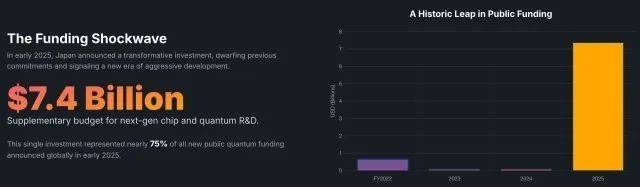
Group 1 - Japan's government has committed $7.4 billion (approximately 1.05 trillion yen) to quantum technology this year, which is more than three times the total investment over the past five years [1][2] - This investment represents a strategic shift driven by deep-seated concerns about historical failures in technology leadership, particularly in the semiconductor industry [3][4] - The Japanese government aims to transition from basic research to industrialization, with a clear goal of making quantum technology a pillar of future economic prosperity and national security [5][10] Group 2 - The investment is seen as a "preventive and high-risk" intervention to avoid being left behind in the global competition for technology leadership [7][9] - The government hopes to stimulate systemic change, encouraging research institutions, large enterprises, and potential startups to engage in the quantum race [8][9] - Japan's approach is characterized by a "collaborative giant ship" model, where the government leads and industrial giants collaborate, forming a powerful alliance [12][14] Group 3 - Major Japanese corporations like Toyota, NEC, and Fujitsu are expected to benefit significantly from government contracts and participation in core research projects [43][44] - The focus on building a self-sufficient supply chain for quantum technology components is a key aspect of Japan's strategy, aiming to avoid reliance on foreign suppliers [20][23] - The mixed quantum-classical computing strategy is seen as a pragmatic approach to leverage existing capabilities while aiming for quick results in various applications [17][18][19] Group 4 - Japan's commitment to quantum technology is likely to provoke responses from other major players, including the U.S. and China, potentially escalating a new round of "quantum arms race" [39][40][42] - The success of Japan's strategy will depend on overcoming challenges such as fostering a vibrant startup ecosystem and effectively translating research into marketable products [25][29][31] - Attracting and retaining top talent in the competitive global landscape is crucial for Japan to realize its quantum ambitions [32][34][38]


企业考察团接连到访!光明链全球吸引力持续升温
Sou Hu Cai Jing· 2025-06-25 16:46
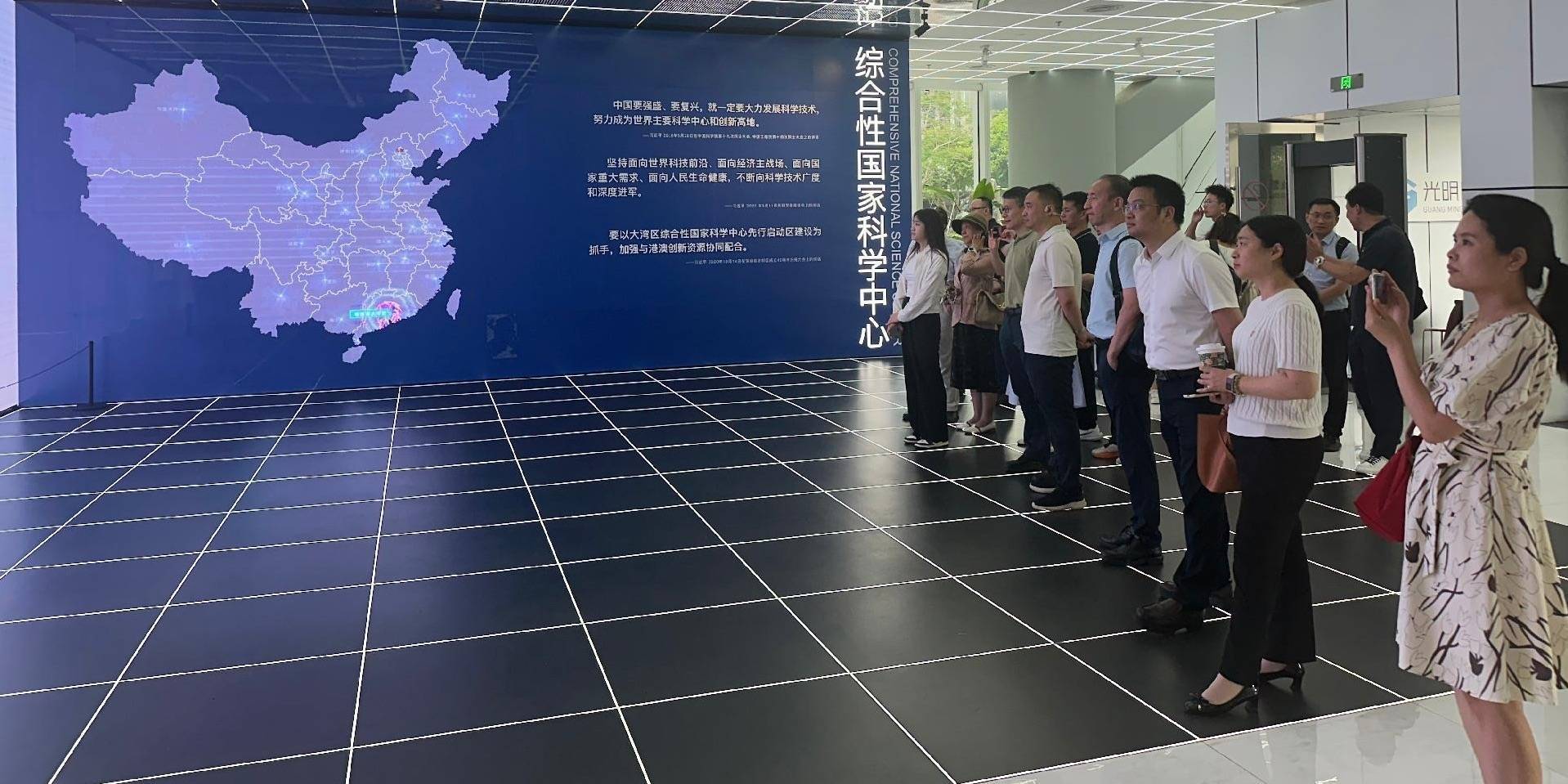
Group 1 - The event organized by Japanese companies in Shenzhen aimed to enhance cooperation between the Shenzen Guangming District and Japanese enterprises through investment environment assessments and industry-specific matchmaking [1][3] - Participating Japanese companies included Toshiba (China) Co., Ltd., Mizuho Bank (China) Co., Ltd., and others, covering sectors such as semiconductors, high-end manufacturing, smart home appliances, urban design, finance, and consulting [3] - The delegation visited leading companies in Guangming District, including Betterray New Materials Group, a top global supplier of lithium-ion battery anode materials, and Nuoan Intelligent Co., Ltd., a specialized manufacturer of gas sensors and detection instruments [3] Group 2 - Guangming District has previously hosted a delegation from the UK-China Trade Association, which included representatives from notable institutions and foreign enterprises, indicating a growing interest in the district's innovative technologies and strong industrial foundation [4] - In the first half of the year, Guangming District actively sought connections with foreign companies, including Panasonic and Victoria's Secret, to strengthen its international presence and attract foreign investment [5] - The district has engaged in various promotional activities, resulting in over 70 foreign enterprises visiting and establishing strategic partnerships, including with Alstom and the Australian Doner Group [5]
光刻机锁死日本工厂运转?材料大国陷困局,氢能芯片能否弯道超车
Sou Hu Cai Jing· 2025-06-04 00:25
Group 1 - The article highlights Japan's precarious position in the semiconductor supply chain, particularly due to U.S. restrictions on exports of critical materials and technologies [1][3] - Japan is home to 23% of the world's semiconductor raw material factories, particularly in Kumamoto, which produces high-purity fluorinated polyimide essential for 3nm chips [1] - The U.S. has imposed conditions on Japan's exports, including the requirement for EUV lithography machines to have geofencing systems, effectively monitoring Japan's semiconductor capabilities [3] Group 2 - Japan's reliance on the U.S. for raw materials is increasing, with 43% of its high-purity rare earth production directed to North America, raising concerns about becoming a technology dependency nation [5] - Toshiba's 2023 financial report indicates a 12% drop in yield for silicon carbide chips due to a lack of domestic etching equipment, while Shin-Etsu Chemical faces rising wafer costs from using U.S. substitutes [6] - The average age of semiconductor engineers in Japan is 51, with a 38% decrease in young professionals over five years, indicating a talent crisis in the industry [6] Group 3 - Japan is exploring alternative technologies, such as quantum computing and hydrogen energy chips, as part of a strategic pivot in its semiconductor approach [8] - Panasonic has developed a miniaturized hydrogen production reactor, and advancements in hydrogen fuel cell technology have been made at the University of Tokyo [10] - Hitachi has created a "three-layer protection" verification system to enhance security in semiconductor material transport [11] Group 4 - Chinese manufacturers are benefiting from Japan's technological constraints, with new domestic etching machines utilizing expired Japanese patents and lower-cost rare earth extraction methods [13][14] - In 2023, Japan was compelled to relax 63 expired patent licenses, leading to a significant outflow of semiconductor talent to China [14] - The article suggests that the ongoing semiconductor conflict is a reflection of broader resource competition and emphasizes the need for Japan to rebuild its innovation ecosystem independently [16]




又一个芯片架构,走向消亡?
半导体行业观察· 2025-04-02 01:04
Core Viewpoint - The article discusses the ambitious vision behind the development of the Cell processor by Sony, IBM, and Toshiba, highlighting its potential to revolutionize computing architecture and its eventual shortcomings in the market [1][3][21]. Group 1: Development of Cell Processor - In 2000, Sony, IBM, and Toshiba announced a collaboration to develop the Cell processor, aiming for a computing architecture that could achieve unprecedented performance levels, targeting 1 trillion floating-point operations per second [3][4]. - IBM committed to investing $400 million to establish design centers and manufacturing facilities for the Cell processor, while Sony and Toshiba contributed their respective technologies [4]. - The Cell processor was designed to integrate multiple computing units on a single chip, with the goal of creating a highly parallel computing environment [4][5]. Group 2: Technical Specifications - The Cell processor features a 64-bit PowerPC core (PPE) and up to 32 synergistic processing elements (SPEs), achieving peak performance of 1 TFLOPS in its initial prototype [11][12]. - The architecture includes a unique memory structure where SPEs cannot directly access system memory, requiring explicit data management, which increases programming complexity but enhances efficiency [9][12]. - The interconnect bus (EIB) allows for high bandwidth communication between processing units, crucial for maximizing the processor's performance [9]. Group 3: Market Performance and Challenges - Despite its theoretical performance, the Cell processor faced significant challenges in mass production due to high power consumption and complex architecture, leading to a reduced number of SPEs in the final version [11][12]. - The PlayStation 3, which utilized the Cell processor, struggled in the market due to its high manufacturing costs and the difficulty developers faced in optimizing games for its architecture [13][14]. - Competing products, such as Microsoft's Xbox 360, offered simpler architectures that were easier for developers to work with, further hindering the PS3's market performance [13][14]. Group 4: Legacy and Conclusion - Although the Cell processor did not achieve mainstream success in gaming, it found applications in high-performance computing, notably in the Roadrunner supercomputer, which was the first to exceed 1 PetaFLOPS [16][18]. - The innovative design of the Cell processor influenced future computing architectures, particularly in parallel processing and GPU computing [21]. - By 2012, IBM officially discontinued support for the Cell architecture, marking the end of an era for a processor that had once held great promise [19].