First Bank

Search documents
Indian rupee set for worst annual fall in three years amid equity outflows
BusinessLine· 2025-12-31 05:27
Core Viewpoint - The Indian rupee is experiencing its largest annual decline in three years, primarily due to record equity outflows and the absence of a U.S. trade deal, with recovery prospects linked to future trade agreements [1][3]. Currency Performance - The rupee is currently quoted at 89.8650 per U.S. dollar, reflecting a 4.74% decline for the year, marking its worst performance since 2022 when it fell nearly 10% [1]. - Throughout the year, the rupee has repeatedly hit record lows, surpassing the 91 level at one point, indicating sustained depreciation pressure [2]. Economic Context - India's balance of payments has slipped into a historical deficit of approximately $22 billion between April and November, highlighting external economic strains [3]. - A potential trade deal with the U.S. could provide temporary relief, possibly lifting the rupee to around 88.50 by March, although underlying pressures are expected to persist [3]. Capital Flows - The rupee's underperformance relative to peers is attributed to significant equity outflows and a slowdown in capital inflows, with foreign investors withdrawing a record $18 billion from Indian equities in 2025 [5]. - Prolonged negotiations with the U.S. have further complicated capital flow challenges, reducing predictability regarding India's trade outlook [5][6]. RBI's Approach - The Reserve Bank of India (RBI) has adopted a more flexible approach to currency management under Governor Sanjay Malhotra, allowing for currency weakness while focusing on managing depreciation expectations [7]. - This shift became evident when the rupee fell past the 91-per-dollar mark, prompting heavy RBI intervention to manage speculative pressures without defending a specific exchange rate level [8]. Currency Valuation - India's trade-weighted real effective exchange rate has declined to 97.5 in November from 104.7 in January 2025, indicating that the rupee is now considered undervalued [9]. - A weaker Indian rupee may benefit local exporters by cushioning their currency earnings, providing some relief amid challenging economic conditions [10].


Vijay Sales announces big discounts for iPhones, Macbooks and other Apple products; Check offers, other details
The Economic Times· 2025-12-28 12:26
Core Insights - Vijay Sales has launched its Apple Days Sale, running from December 28 to January 4, 2026, offering discounts on a range of Apple products including iPhones, MacBooks, iPads, Apple Watches, and AirPods [10] Promotions and Discounts - Customers purchasing the iPhone 17 will receive MyVS Rewards loyalty points worth Rs 3,000, which can be redeemed for discounts on future in-store purchases [1][10] - The sale includes attractive deals on older iPhone models such as the iPhone 16, iPhone 16 Plus, iPhone 16E, and iPhone 15, along with discounts on MacBooks and Apple accessories [2][10] Special Offers - Demo and open units of select Apple devices will be available at special prices, with limited quantities offered on a first-come, first-served basis [3][10] - Instant discounts of up to Rs 10,000 are available for select bank cardholders during the sale, with specific offers for HDFC Bank, American Express, and HSBC Bank cardholders [8][10] Exchange and Loyalty Programs - An exchange bonus of up to Rs 10,000 is offered on purchases made at stores and online [9][10] - Shoppers can earn 0.75% MyVS loyalty points on purchases made across Vijay Sales' retail outlets and e-commerce platform [9][10]


Personal loan cooling-off period explained: Bank-wise cancellation charges
MINT· 2025-12-26 10:29
Core Insights - Personal loans serve as a quick credit solution during financial emergencies, but borrowers may sometimes need to cancel them if the emergency is resolved or postponed [1] Cooling-Off Period - The cooling-off period for personal loans is a designated timeframe allowing borrowers to cancel the loan, typically ranging from 3 to 15 days post-disbursement [2][10] - This period is also referred to as the look-up period [2] Bank-Specific Policies - **ICICI Bank**: Offers a 15-day cooling-off period with no cancellation charges if canceled within this timeframe; however, processing fees are non-refundable. A cancellation fee of ₹2,500 applies after the cooling-off period [3] - **Kotak Bank**: Provides a cooling-off period of the transaction plus four days for digital loans, with no cancellation charges during this period. Post-cooling-off, charges are ₹1,000 + GST or 1% of the principal outstanding + GST, whichever is higher [4] - **IDFC FIRST Bank**: Has a 3-day cooling-off period with no cancellation charges if canceled within this timeframe [5] - **HDFC Bank**: Allows cancellation within the cooling-off period but charges interest from disbursement to cancellation date; processing fees and other charges are non-refundable [6] - **Tata Capital**: Offers a 3-day cooling-off period with no penalties for prepayment; post-period cancellation charges are 2% of the loan or ₹5,750, whichever is higher [7] - **SMFG India Credit**: Allows cancellation before the first EMI with a charge of ₹1,000 + GST [8] - **Hero Fincorp**: No cancellation charges for online cancellations, but processing fees are non-refundable [9] Cancellation Process - If a personal loan needs to be canceled, borrowers should check the cooling-off period and any applicable cancellation charges [10] - If the cooling-off period has expired, borrowers may negotiate with the bank/NBFC for a waiver of cancellation charges [11] - The cancellation process involves submitting a request form and repaying the loan amount, after which the bank will confirm the loan closure [12]
RBL launches NOVA Credit Card: Travel & lifestyle benefits explained — Should you apply?
MINT· 2025-12-26 08:35
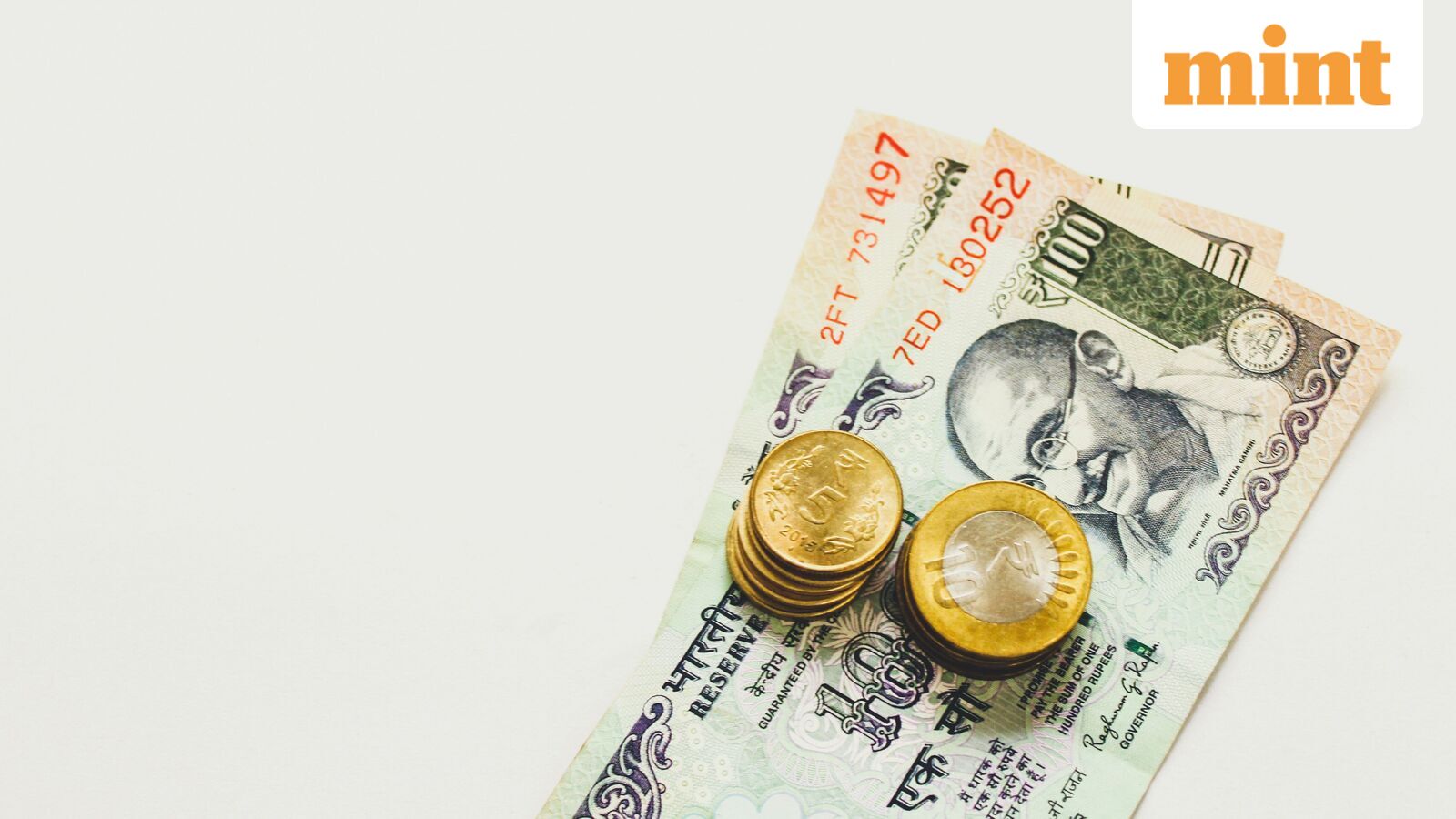
The number of High Net Worth Individuals (HNIs) in India is growing significantly, and the growth rate is expected to remain high in the foreseeable future. Financial services companies are launching various products to cater to the financial needs of the HNI category. Banks are also launching various financial products, including premium credit cards for HNIs and other affluent categories.RBL Bank has recently launched two premium credit cards, LUMIÈRE and NOVA, to help curate extraordinary experiences for ...

Gsec yield curve may flatten in FY27
Rediff· 2025-12-26 06:33
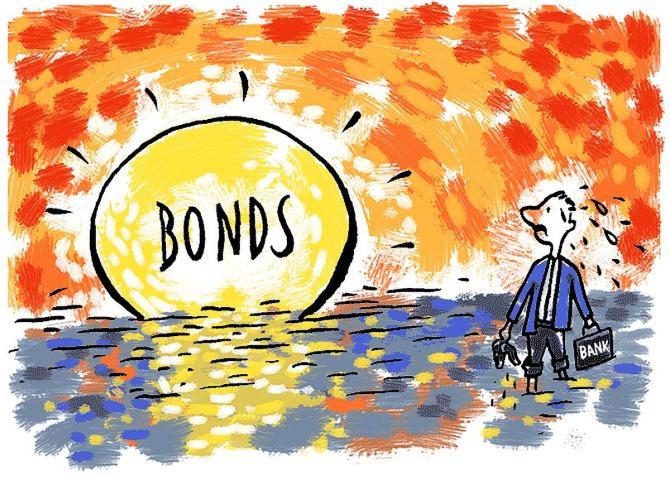
The government bond yield curve is likely to flatten in the financial year 2027 (FY27) as the Reserve Bank of India (RBI) is expected to ease supply pressure in the ultra-long segment.Illustration: Dominic Xavier/RediffIn FY26 so far, reduced investments by insurance companies and pension funds pushed up yields on ultra-long tenor securities, steepening the curve.A recalibration of issuance, however, could help normalise yields at the long end in the coming year, experts said. “The upward pressure on ultra- ...
Nifty Bank Prediction Today – December 26, 2025: Nifty Bank futures: Strong support ahead
BusinessLine· 2025-12-26 05:26
Market Overview - Nifty Bank index opened lower at 59,093, slightly recovering to 59,140, down 0.1% from the previous close of 59,184 [1] - The advance/decline ratio is even at 6/6, with IDFC First Bank and IndusInd Bank being the top gainers, up 1% and 0.6% respectively [1] - Punjab National Bank and Bank of Baroda are the top losers, down 0.7% and 0.5% respectively [1] Sector Performance - Nifty Private Bank index is flat, while Nifty PSU Bank index is down 0.2%, indicating that private banks are outperforming public sector banks [2] Futures Analysis - December expiry Nifty Bank futures opened lower at 59,200, currently hovering around the same level, down 0.1% from Wednesday's close of 59,253 [3] - The futures are trading above the support band of 59,000-59,150, where the 50-day moving average aligns, suggesting a potential recovery [3] - If the futures breach the support at 59,000, a bearish outlook may emerge, with a potential drop to 58,250 [4] Trade Strategy - Recommended to buy Nifty Bank futures at 59,200, with targets set at 60,200 and a stop-loss at 58,900 [5] - Supports are identified at 59,150 and 59,000, while resistances are at 60,200 and 60,500 [5] Companies to Watch - IndusInd Bank Ltd is highlighted as a company to follow in the current market scenario [5]

RBI may pump in ₹1 lakh cr more for liquidity comfort
The Economic Times· 2025-12-25 18:14
Core Insights - The Reserve Bank of India (RBI) aims to encourage banks to lower lending rates and boost credit demand through liquidity measures [1][8] - The banking system has been in liquidity deficit since mid-December, leading banks to borrow daily from the RBI despite a recent 25-basis-point policy rate cut [1][8] Liquidity Measures - RBI plans to maintain a liquidity surplus of 1% of net demand and time liabilities (NDTL), which currently amounts to ₹2.5 lakh crore, until March 2026 [2][8] - There is potential for an additional ₹1 lakh crore of open market operation (OMO) purchases in February-March 2026 to sustain this liquidity surplus [2][8] Recent Actions - On December 23, RBI announced a liquidity infusion of ₹2.9 lakh crore between December-end and January, including bond purchases through OMOs in four tranches of ₹50,000 crore each and a $10 billion buy-sell forex swap [6][8] - These measures are designed to counteract liquidity drains caused by foreign exchange interventions and tax outflows, which turned liquidity into deficit after advance tax payments in mid-December [6][8] Future Outlook - Elevated core liquidity, currently at ₹3.7 lakh crore, suggests that the banking system may return to surplus by the end of December as government spending increases [7][8] - RBI's strategy includes using OMOs and forex swaps to ensure smooth monetary transmission and support economic growth amid low inflation [7][8] Tools and Mechanisms - The Variable Rate Repo (VRR) and Variable Rate Reverse Repo (VRRR) are tools used by RBI for short-term funding and to stabilize short-term interest rates, respectively [8]
Non-bank funding grows faster as India Inc cuts reliance on bank credit
The Economic Times· 2025-12-25 00:30
Group 1 - Overall outstanding credit to the commercial sector, combining banks and non-bank sources, reached ₹290.38 lakh crore as of November-end, marking a 13.2% increase from ₹256.5 lakh crore a year ago [1][7] - Credit from banks to the commercial sector rose 11.4% year-on-year to ₹194.48 lakh crore, while funding through non-banking sources surged 17% to ₹95.91 lakh crore, according to RBI data [3][7] - The incremental flow of financial resources to the commercial sector, including bank loans, NBFC credit, and corporate bonds, stood at ₹22.56 lakh crore as of November 28, reflecting a 23% rise from the previous year [5][7] Group 2 - For FY26 year-to-date, banks added ₹12.4 lakh crore, an 18% increase, while non-bank sources contributed ₹10.1 lakh crore, up 29% [5][7] - India Inc is diversifying funding requirements by tapping non-banking sources such as equity markets and corporate bonds, indicating a structural shift toward market-based financing amid a rate easing cycle [7]
RBI to infuse Rs 3 trn liquidity via OMOs, buy-sell swap after rupee defence
Rediff· 2025-12-24 07:00
Core Viewpoint - The Reserve Bank of India (RBI) is implementing a significant liquidity injection of nearly Rs 3 trillion into the banking system through open-market operations (OMOs) and a foreign exchange buy-sell swap to address liquidity deficits and seasonal pressures [1][5][14]. Group 1: Liquidity Measures - The RBI will purchase Government of India securities worth Rs 2 trillion through OMOs, conducted in four tranches of Rs 50,000 crore each on December 29, January 5, January 12, and January 22 [3]. - Additionally, a three-year USD-INR buy-sell swap of $10 billion will be undertaken on January 13 [3]. - The RBI has already infused Rs 1.45 trillion of durable liquidity in December through OMO purchases and forex buy-sell swaps [9]. Group 2: Current Liquidity Conditions - As of Monday, net liquidity in the banking system was in deficit by Rs 54,852 crore [4]. - The RBI's liquidity injection aims to offset the drain caused by recent forex interventions and seasonal pressures, including advance tax outflows and increased currency circulation [5]. - Durable liquidity was estimated at around Rs 3.3 trillion as of mid-December and is expected to rise to about Rs 3.6-3.7 trillion by the end of the month [14]. Group 3: Market Reactions and Expectations - Market participants expect further actions from the RBI will depend on the evolution of liquidity conditions and the necessity for additional currency market interventions [7]. - The RBI's recent measures are viewed as timely and adequate, with the potential for more actions in the fourth quarter if pressures persist [8]. - Despite the liquidity measures, government bond yields have continued to rise, indicating limited transmission to the bond market [11]. Group 4: Future Outlook - The scale of OMO purchases is expected to improve demand-supply dynamics in the bond market and ease pressure on yields [12]. - Economists caution that the scope for a sustained decline in yields remains limited due to emerging fiscal concerns, including significant government bond redemptions and potential state borrowing pressures [15][17]. - The latest OMOs and swaps are primarily countermeasures to offset liquidity drained by forex interventions and may not significantly impact bond yields [16].
Commercial Bank of Dubai becomes UAE’s first bank live on Open Finance
Gulf Business· 2025-12-24 02:47
Core Insights - Commercial Bank of Dubai (CBD) has become the first bank in the UAE to fully activate Open Finance under the Central Bank of the UAE's Open Finance Initiative, AlTareq, marking a significant milestone for the banking sector [2][4] Group 1: Implementation and Collaboration - The activation was achieved in collaboration with Central Bank-licensed third-party providers, including Pay10 and Lean Technologies, which are now operational with CBD under the Open Finance Framework [3] - CBD's retail current and savings account customers can now securely share financial data and initiate payments through regulated, consent-based mechanisms, indicating a shift from pilot programs to full-scale implementation [4] Group 2: Strategic Vision and Future Plans - CBD's CEO emphasized that the full-scale Open Finance activation positions the bank at the center of a fundamental shift in the UAE's financial architecture, aiming to create a more connected ecosystem for customers [5] - The activation is seen as a tangible step in realizing the UAE leadership's Open Finance vision, enabling secure customer access while maintaining compliance and trust [5] - Looking ahead, CBD plans to continue collaborating with its Open Finance partners to expand use cases and drive meaningful transaction activity in line with the objectives of the UAE's AlTareq Open Finance Initiative [6]