
Walmart

Search documents
SPYV Gave Value Investors A 14% Gift While Growth Stocks Stumbled
247Wallst· 2026-02-17 19:48
Core Viewpoint - The SPDR Portfolio S&P 500 Value ETF (SPYV) has outperformed the S&P 500 index over the past year, returning 13.81% compared to the S&P 500's 11.81%, but has significantly lagged behind growth stocks over the past five years [1]. Group 1: Performance Comparison - SPYV returned 13.81% over the past year, while the S&P 500 returned 11.81% and the SPDR Portfolio S&P 500 Growth ETF (SPYG) returned 12.46% [1]. - Over five years, SPYV delivered total returns of 233.53%, significantly lower than SPYG's 399.44% [1]. - Year-to-date, SPYV is up 3.84%, contrasting with SPYG's decline of 3.46%, indicating value's potential to outperform during growth stock downturns [1]. Group 2: Investment Characteristics - SPYV focuses on companies with reasonable valuations and steady cash flows, making it suitable for investors seeking stability and income [1]. - The fund has a dividend yield of 1.77% and a low expense ratio of 0.04%, which is beneficial for long-term after-tax returns [1]. - The portfolio includes established companies like Apple (16.7% allocation), Walmart, and Exxon Mobil, providing a mix of technology and defensive cash flows [1]. Group 3: Investment Strategy and Risks - Investing in SPYV involves accepting lower long-term growth potential in exchange for valuation discipline and income generation [1]. - The fund has a concentration risk, with the top ten holdings representing approximately 23% of its assets [1]. - SPYV is designed for investors prioritizing stability and dividends over maximum capital appreciation, requiring patience during growth rallies [1].


Full Episode: TODAY Show - February 17
NBC News· 2026-02-17 19:47
>>> GOOD TUESDAY MORNING. WE ARE FOLLOWING NEW DEVELOPMENTS IN THE DISAPPEARANCE OF NANCY GUTHRIE. >> INCLUDING A MAJOR DECISION FROM INVESTIGATORS. IT IS FEBRUARY 17th. THIS IS "TODAY. " >>> DESPERATE SEARCH. AUTHORITIES FOLLOWING NEW TIPS AND POTENTIAL CLUES AS THE RACE TO FIND SAVANNAH'S MOTHER ENTERS ITS 17th DAY. POLICE NOW OFFICIALLY CLEARING THE GUTHRIE FAMILY AND THEIR SPOUSES. THE INVESTIGATION MOVING FORWARD WITH OFFICIALS WAITING ON DNA RESULTS FROM INSIDE THE HOME AND THAT GLOVE FOUND NEARBY. WE ...

It's Time to Get Ready for Walmart's Earnings. Here's What's New at the Huge Retailer.
Investopedia· 2026-02-17 19:00
Core Insights - Walmart is set to report its fourth-quarter results, marking the first earnings report since its transition to the Nasdaq and the appointment of a new CEO [1] - The company has focused on enhancing revenue through same-day delivery services and warehouse automation [1] - Analysts expect Walmart to report quarterly revenue of $190.6 billion, reflecting a 5.5% increase year-over-year, and adjusted earnings per share of $0.73, up from $0.62 last year [1] Company Developments - Walmart has evolved into a tech-driven retailer, emphasizing automation and AI-led marketing strategies [1] - The company has maintained a comparable sales growth of approximately 4% or higher for the past two years [1] - Walmart is exploring the creation of "dark format" urban stores to improve delivery efficiency in densely populated areas [1] Market Position and Investor Sentiment - As a major mass retailer, Walmart's performance is viewed as an indicator of overall consumer health [1] - The stock price is projected to stabilize, with analysts targeting a price of over $131, compared to recent trading around $129 [1] - Walmart shares have appreciated by approximately 24% over the past year, indicating positive market sentiment [1]

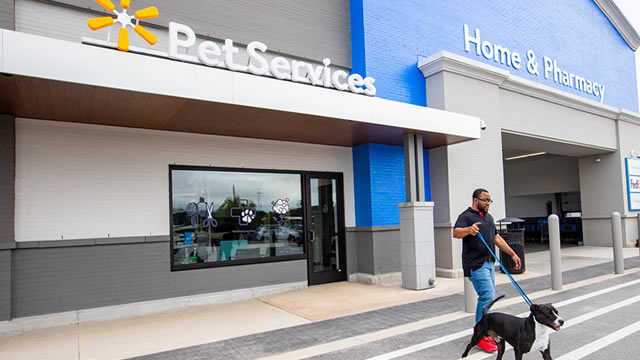
Walmart Earnings Preview: Tariff Compares Should Get Easier, But Valuation Still Quite Lofty
Seeking Alpha· 2026-02-17 18:34
Group 1 - The article does not provide any relevant content regarding company or industry insights [1]
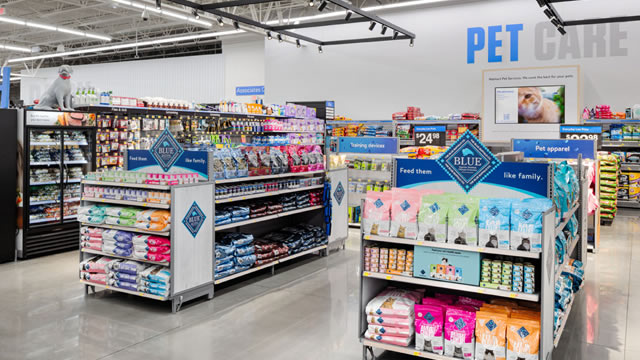
Walmart Isn't America's Biggest Company Anymore
247Wallst· 2026-02-17 16:37
Core Insights - Walmart has been recognized as the largest company in the US according to the Fortune 500 for either 13 or 14 consecutive years, depending on the source [1]
Morning News NOW Full Episode – Feb. 17
NBC News· 2026-02-17 15:50
OUT NEW LEAGUES. NANCY GUTHRIE. INVESTIGATORS LOOKING INTO TENS OF THOUSANDS OF TIPS FROM THE PUBLIC AS THE SHERIFF RULES OUT THE GUTHRIE FAMILY AS SUSPECTS IN THE CASE.NOW, TESTING IS UNDERWAY ON A PAIR OF GLOVES THAT APPEAR TO MATCH THE ONES SEEN IN SURVEILLANCE VIDEO FROM GUTHRIE'S HOME. WE WILL HAVE AN UPDATE FROM ARIZONA. ALSO BREAKING THIS MORNING.REMEMBERING AN ICON. THE REVEREND JESSE JACKSON, CIVIL RIGHTS ACTIVIST, BAPTIST MINISTER AND TWO TIME PRESIDENTIAL CANDIDATE, HAS DIED AT THE AGE OF 84. A L ...

LUV & DLTR Upgrades, DG Downgrade, PANW Cut Into Earnings
Youtube· 2026-02-17 15:30
Southwest Airlines - Southwest Airlines shares increased by over 3.5% following a bullish upgrade from UBS, which raised its price target to $73, indicating a potential upside of about 40% from previous closing levels [2][3] - UBS estimates that the new seating model and potential bag fees could significantly enhance earnings, projecting an increase of approximately $2.70 per share by 2027 [3] - The firm anticipates that earnings could rise from under $1 in 2025 to above $6 by 2027 due to the introduction of bag fees, suggesting substantial growth potential for the airline [4] Dollar Tree and Dollar General - Dollar Tree received an upgrade to a buy from Redburn, with its price target more than doubled to $165, reflecting strong confidence in its post-restructuring growth [6][7] - Analysts forecast approximately 12% earnings growth for Dollar Tree, indicating it is at a strategic inflection point, while Dollar General was downgraded to a sell with a price target of $111, suggesting a less favorable outlook [8][10] - Despite Dollar General's recent strong performance, analysts believe its current valuation is not justified given its lower sales outlook and margin structure compared to historical growth [9][10] Palo Alto Networks - Palo Alto Networks is expected to report earnings of 93 cents on an adjusted basis, with revenue anticipated to exceed $2.58 billion [12] - Muho has lowered its price target for Palo Alto to $205 from $220 while maintaining an outperform rating, reflecting a cautious outlook amid broader market challenges affecting the software sector [13] - Analysts remain optimistic about Palo Alto's potential for strong earnings despite the recent market pressures on cybersecurity stocks [14]


Walmart's Q4 Earnings Coming Up: Is WMT Stock Still a Smart Buy?
ZACKS· 2026-02-17 14:55
Core Insights - Walmart Inc. is set to report its fourth-quarter fiscal 2026 earnings on February 19, with expectations of strong performance driven by steady traffic, omnichannel growth, and rising contributions from membership and advertising [1][10] - The consensus estimate for fourth-quarter revenues is approximately $190 billion, reflecting a 5.2% increase year-over-year, while earnings per share are projected at 73 cents, indicating a 10.6% rise from the previous year [2][10] - The company is predicted to achieve an earnings beat based on a positive Earnings ESP and a Zacks Rank of 3 (Hold) [3][4] Revenue and Earnings Expectations - Fourth-quarter revenues are expected to reach nearly $190 billion, marking a 5.2% increase from the same period last year [2] - Earnings per share are estimated at 73 cents, representing a 10.6% increase compared to the previous year [2] Factors Influencing Earnings - Key factors for the quarter include holiday demand, digital momentum, and higher-margin income streams, which may counterbalance tariff-related costs and ongoing expense pressures [1][9] - Continued traffic growth and market share gains are anticipated, particularly in grocery and health & wellness sectors [5] - E-commerce sales have surged by 27% in the last reported quarter, contributing significantly to overall growth [6] Cost Pressures and Challenges - Management has indicated ongoing cost pressures from tariff-related expenses and higher claims, which could impact profitability [9] - The competitive promotional environment and mix headwinds from grocery may temper margin expansion [18] Stock Performance and Valuation - Over the past year, Walmart's stock has increased by 29%, outperforming the Zacks Retail – Supermarkets industry and the S&P 500 [11] - Walmart's shares are currently trading at a forward P/E ratio of 45.31, above the industry average of 41.22, reflecting confidence in its growth prospects [14][16] - The premium valuation suggests limited room for error, with potential impacts from any slowdown in comparable sales or margin pressures [14]

Walmart Shares Are Expensive AI Insurance
WSJ· 2026-02-17 11:44
Plus, Chinese AI's Super Bowl moment ...
S&P 500: Rotation Trade Deepens as Value Challenges Mega Cap Run
Investing· 2026-02-17 06:43
Group 1 - The article provides a market analysis focusing on the S&P 500 index, Walmart Inc, and the State Street® Consumer Staples Select Sector SPDR® ETF [1] - It highlights the performance trends of these entities in the current market environment, indicating potential investment opportunities [1] - The analysis includes insights into consumer behavior and market dynamics affecting the consumer staples sector [1]
