
Oscar Health

Search documents
HealthEquity (NasdaqGS:HQY) FY Conference Transcript
2025-11-14 15:52
Summary of HealthEquity FY Conference Call Industry Overview - The discussion revolves around the U.S. healthcare industry, focusing on consumer-driven healthcare and the challenges associated with rising healthcare costs, which now approach 20% of GDP [2][3][4]. Key Points and Arguments 1. **Consumer Empowerment and Healthcare Costs** - Despite efforts to empower consumers through health savings accounts (HSAs) and transparency initiatives, U.S. healthcare spending continues to rise due to factors like aging population, obesity, and advancements in medical technology [3][4]. - The healthcare system has focused more on treatment rather than prevention, leading to increased costs [3][4]. 2. **Challenges in Consumer-Driven Healthcare** - The complexity of the healthcare system makes it difficult for consumers to make informed decisions, as unexpected costs can arise from additional tests or out-of-network providers [6][7]. - High deductible plans have not significantly reduced costs but have added complexity for consumers [7][8]. 3. **Need for Price Transparency** - The federal government has introduced policies for price transparency and surprise billing protections, but the effectiveness of these measures is still evolving [11][12][13]. - Consumers often lack the ability to interpret complex data, highlighting the need for tools that convert data into actionable information [12][19]. 4. **Role of AI in Healthcare** - AI is seen as a transformative tool that can enhance consumer interactions and decision-making in healthcare [21][26][30]. - Companies are exploring AI applications to improve user experience and provide personalized recommendations based on individual health data [30][34]. 5. **Specialty Drugs and Cost Management** - Specialty drugs represent a significant portion of healthcare spending, and there are ongoing discussions about how to manage costs effectively through formulary management and site of care considerations [39][41][43]. 6. **Innovative Solutions for Consumer Engagement** - Employers are experimenting with tiered benefit designs to encourage more thoughtful healthcare utilization [25]. - The introduction of Individual Coverage Health Reimbursement Arrangements (ICHRA) is proposed as a way to allow consumers to choose more personalized and cost-effective insurance products [45][49]. 7. **Long-term Consumer Engagement** - The average tenure with health insurers is short, which disincentivizes long-term investment in preventive care [63]. - There is a call for the industry to focus on preventive health measures to reduce overall costs in the long run [88]. Other Important Insights - The panelists emphasized the importance of simplifying healthcare choices and improving consumer education to foster better decision-making [16][19]. - There is a recognition that the healthcare system must evolve to meet consumer expectations similar to other consumer markets, such as retail and technology [79]. - The discussion highlighted the need for collaboration among various stakeholders in the healthcare ecosystem to drive meaningful change [16][19][55]. This summary encapsulates the key discussions and insights from the HealthEquity FY Conference Call, focusing on the challenges and opportunities within the U.S. healthcare system.

WEX (NYSE:WEX) FY Conference Transcript
2025-11-14 15:50
Summary of WEX FY Conference Call - November 14, 2025 Industry Overview - The discussion revolves around the U.S. healthcare industry, focusing on consumer-driven healthcare and the challenges of rising healthcare costs, which now approach 20% of GDP [2][3][4]. Key Points and Arguments 1. **Consumer Empowerment in Healthcare**: - The industry has aimed to empower consumers to make cost-conscious healthcare decisions for about 20 years, yet spending continues to rise [2]. - Significant advancements in medical technology and an aging population contribute to increased healthcare costs, making it difficult for consumer-focused initiatives to keep pace [3][4]. 2. **Challenges in Consumer-Driven Healthcare**: - Despite progress in aligning consumer incentives (e.g., Health Savings Accounts), the complexity of the healthcare system remains a barrier [6][7]. - High deductible plans have been introduced to push consumerism, but they often add complexity rather than reduce costs [7][8]. 3. **Need for Transparency and Simplicity**: - The healthcare system is complex, making it hard for consumers to shop for services effectively. Simplifying choices and providing transparent pricing is essential [6][8][11]. - The federal government has introduced policies for price transparency and surprise billing protections, but the effectiveness of these measures is still evolving [11][13]. 4. **Role of Technology and AI**: - Technology, including AI, is seen as a potential game-changer in improving consumer interactions and decision-making in healthcare [21][26]. - AI can help provide personalized recommendations and facilitate better engagement with healthcare services [30][32]. 5. **Specialty Drugs and Cost Management**: - Specialty drugs are a significant driver of healthcare spending. Innovations in education and engagement are necessary to help consumers make informed decisions regarding these drugs [37][39]. - Strategies such as formulary management and site-of-care considerations can help manage costs associated with specialty drugs [40][41]. 6. **Future Innovations and Consumerism**: - The Individual Coverage Health Reimbursement Arrangement (ICHRA) is highlighted as a way to expand access to personalized healthcare products, potentially lowering costs [43][46]. - Personalization of healthcare plans is crucial for improving consumer engagement and satisfaction [47][48]. 7. **Long-term Cost Control**: - There is a need for a holistic approach to controlling healthcare costs, focusing on empowering consumers and increasing competition among insurers [49][50]. - The Affordable Care Act has reformed financing but has not addressed the actual cost of delivering care, indicating a need for further reforms [51]. 8. **Emotional and Financial Health**: - The intersection of emotional, physical, and financial health is critical in healthcare decision-making. Understanding consumer emotions and providing support is essential for effective engagement [33][34]. Additional Important Insights - The complexity of healthcare decisions often leads consumers to seek information from non-official sources, highlighting the need for better engagement strategies from insurers [38]. - The average tenure with a health insurer is short, which disincentivizes long-term investments in wellness and preventive care [59]. - There is a significant gap in consumer awareness regarding available healthcare services, such as virtual urgent care, which needs to be addressed through better marketing and education [72]. This summary encapsulates the key discussions and insights from the WEX FY Conference Call, emphasizing the ongoing challenges and potential solutions within the U.S. healthcare system.
Squawk Pod: Disney earnings and rising health costs - 11/13/25 | Audio Only
CNBC Television· 2025-11-13 18:17
Company Performance - Disney beat earnings expectations but missed on revenue [1] - TV networks and a soft theatrical slate weighed on results [1] Strategic Focus - Discussion of Disney's streaming strategy [1] - Focus on theme parks [1] Industry Issues - Discussion of the YouTube TV blackout [1] - Explanation of rising insurance premiums [1] - Examination of the path ahead for the ACA (Affordable Care Act) [1] - Analysis of what it will take to rein in the country's soaring health care costs [1] Government & Policy - Government starting to reopen after President Trump signed a funding bill, ending the shutdown [1]


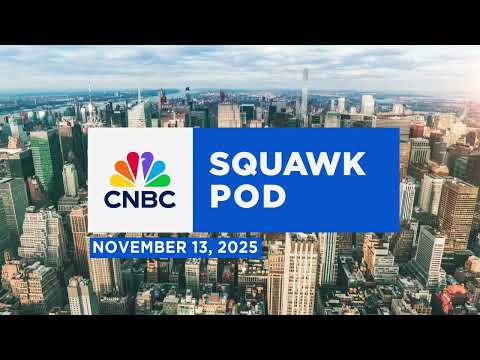
Oscar Health CEO Mark Bertolini on fixing U.S. health care: We need to put consumers in charge
CNBC Television· 2025-11-13 13:23
Healthcare Industry Challenges - Healthcare insurance premiums are likely to rise sharply next year [1] - The current healthcare system sees inflation far outpace inflation in other arenas [3] - High cost of healthcare, drug development, and skyrocketing healthcare costs in facilities contribute to a system built 80 years ago with built-in inflation [6] - 100 million Americans don't have access to employer-sponsored health insurance [6] - If the uninsured rate increases, it will reverse to an $80 billion problem over the next 10 years [7][8] Affordable Care Act (ACA) Impact - 50% of American small businesses use the Affordable Care Act, and small businesses contribute 50% of the GDP [4] - 27% of farmers use the Affordable Care Act, with the average farmer making $60,000 per year gross [4] - The Affordable Care Act has reduced the uninsured rate from 15% to 8%, saving $10 billion per year in uncompensated care and charity costs [7] - 75% of the people in the ACA today are from red states [5] Proposed Solutions & Perspectives - Proposes creating a qualified account for healthcare spending, putting consumers in charge of buying the product to impact price [9][10] - Suggests redoing the whole system and using the individual market as a single risk pool [12] - Advocates for subsidies to be put into Health Savings Accounts (HSAs) [14] - 40% of Americans borrowed $74.9 billion from banks last year to pay their out-of-pocket costs for healthcare [15] - Argues for evolving the current system, emphasizing the network and risk pool concepts [17][18]
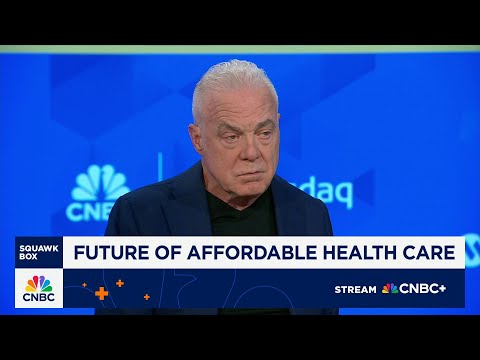
Oscar Health CEO Mark Bertolini on fixing U.S. health care: We need to put consumers in charge
Youtube· 2025-11-13 13:23
Core Insights - The current open enrollment period is leading to significant changes in health care plans, with millions expected to see sharp increases in insurance premiums next year [1][2] - The health care system is facing ongoing issues, including rising costs and confusion surrounding subsidies, particularly in relation to the Affordable Care Act (ACA) [3][4] Health Insurance Industry Overview - Approximately 50% of American small businesses utilize the ACA, which is crucial as small businesses represent 50% of the GDP [4] - Farmers, who average a gross income of $60,000, are particularly affected, with premiums expected to rise from $75 to $300 due to the end of enhanced subsidies [4][5] - Currently, 100 million Americans lack access to employer-sponsored health insurance, highlighting a significant gap in coverage [6] Economic Impact - The ACA has reduced the uninsured rate from 15% to 8%, saving $10 billion annually in uncompensated care costs [7] - If the uninsured rate increases again, it could lead to an $80 billion problem over the next decade [8] Proposed Solutions - A suggestion to create a qualified account system is presented, allowing consumers to manage their healthcare spending, which could help control costs [10][11] - The idea of Health Savings Accounts (HSAs) is discussed as a way to empower consumers to make informed choices about their healthcare [15][17] - The need for technology and support to help individuals select appropriate plans and manage out-of-pocket costs is emphasized [12] Political Landscape - There is a call for evolving the ACA rather than completely replacing it, with a focus on providing subsidies where needed [17][19] - The discussion includes the potential for competition to drive down costs, but concerns remain about where the margins will be affected within the healthcare system [21][22]


Health Insurer Stocks Wounded by Trump Comments, UNH Options Trade
Youtube· 2025-11-10 16:30
Core Insights - Health insurance stocks are experiencing a decline due to President Trump's statements regarding federal subsidies for plans under the Affordable Care Act (ACA) [3][6] - The potential expiration of these subsidies at the end of the year raises concerns about the financial impact on health insurers [4][5] Group 1: Impact of Trump's Statements - President Trump stated that federal funds for health insurance subsidies should be redirected to individuals rather than insurance companies, claiming this would allow people to purchase better policies at lower costs [6] - His comments have led to significant drops in stock prices for major health insurers, with Oscar Health down over 15%, Centene down nearly 8%, and Molina Healthcare down 5% [7] Group 2: Subsidy Details - The subsidies, introduced during the pandemic, have allowed enrollment in ACA plans to double to 24 million since 2021, providing financial assistance based on income [4][5] - These subsidies also include a risk adjustment pool to reimburse insurers for covering a higher proportion of sicker members [5] Group 3: Market Reactions and Predictions - UnitedHealth Group (UNH) has shown relative resilience compared to peers, holding a technical support level, but could face significant price movements depending on government shutdown developments [10][13] - Analysts suggest that if UNH breaks below $314, it could drop to between $290 and $300, while a breakout above $325 could lead to a rise towards $345 [10][12]

Obamacare Insurer Oscar Health Sees 2026 ‘Return To Profitability'
Forbes· 2025-11-06 11:35
Core Insights - Oscar Health reported a third quarter loss of $137 million but anticipates a return to profitability as the health insurance industry navigates rising costs and policy uncertainties in Washington [2][3][5] Financial Performance - Oscar's total membership increased by 28% to over 2.1 million compared to the same quarter last year, contributing to a 23% rise in total revenue to nearly $2.9 billion [4] - The company reported a loss of $137.5 million, or 53 cents per share, compared to a loss of $54.6 million, or 22 cents per share in the previous year [4] Industry Context - Oscar is part of a group of health insurers providing government-subsidized insurance that have faced significant challenges due to rising costs, leading to lowered profit forecasts and plans to increase rates next year [5] - The company aims to achieve positive net income next year by balancing membership growth with profitability [5] Future Outlook - Oscar has resubmitted rate filings in states covering nearly 99% of its current membership for 2026, reflecting elevated cost trends and higher market morbidity [6] - The company sees an opportunity to gain market share as competitors like CVS Health's Aetna withdraw from the market, while Oscar's CEO believes the individual market will continue to expand due to macroeconomic trends [6][8]

The Trump Market: Where Chaos is the New Calm (and Stocks Still Soar)
Stock Market News· 2025-10-07 18:00
Market Performance Amid Government Shutdown - The S&P 500 index reached a new all-time high of 6,740.28 points on October 7, 2025, marking eight consecutive days of gains [2] - The Nasdaq Composite also increased by 0.71% to 22,941.667 points, while the Dow Jones Industrial Average dipped 0.14% to 46,694.97 points, ending its six-session winning streak [2] Analysts' Perspectives - Analysts suggest that the economic impact of the government shutdown is "limited," with most economic activity merely "delayed" rather than lost [3] - UBS advised investors to focus on market drivers such as Fed rate cuts, strong corporate earnings, and AI capital expenditures instead of shutdown fears [3] Tariff Announcements and Reactions - President Trump announced a new 25% tariff on imported medium- and heavy-duty trucks, effective November 1, 2025, aimed at protecting American manufacturers [4] - Automakers expressed concerns that these tariffs could raise production costs and reduce competitiveness, with Stellantis labeling them "counterproductive" [5] Pharmaceutical Industry Developments - A previous threat of a 100% tariff on branded pharmaceutical imports was mitigated by a deal with Pfizer, which agreed to cut U.S. drug prices in exchange for a three-year exemption from tariffs [6][8] - Pfizer's stock surged nearly 7% following the announcement, positively impacting the broader pharmaceutical sector, with other major companies also experiencing gains [7][8] Healthcare Sector Reactions - President Trump's willingness to negotiate on healthcare subsidies during the shutdown led to significant stock increases in healthcare companies, with Oscar Health rising 8% and major insurers like Humana and Cigna also seeing substantial gains [9][10] - The iShares U.S. Healthcare ETF (IYH) is up 5.4% year-to-date, reflecting positive sentiment in the sector despite a slight cooling by October 7 [10] Overall Market Dynamics - The stock market under President Trump operates in a unique environment where traditional economic indicators are often overshadowed by presidential announcements [11] - The market has shown resilience and adaptability, thriving on policy changes and tariff negotiations, indicating a shift in how investors perceive volatility and uncertainty [12]
Trump ACA Subsidy Comments Lift S&P 500 Health Care Stocks
Investors· 2025-10-07 13:42
Group 1 - S&P 500 health care stocks, including Centene (CNC) and Molina Healthcare (MOH), experienced an increase after President Trump indicated a willingness to negotiate with Democrats to prevent the expiration of enhanced ACA subsidies [1] - Wells Fargo analysts now assume that the ACA subsidies will continue, contingent on Democrats agreeing to end the government shutdown [1] - Oscar Health's stock has shown improved price performance, resulting in an upgrade to its IBD Relative Strength Rating from 80 to 87 [2]


Oscar Health Stock Sees RS Rating Jump To 87
Investors· 2025-10-06 17:38
Core Insights - The article emphasizes the importance of reliable information sources for investors, highlighting that historical performance does not guarantee future success [1][2] Group 1 - The information provided is intended for educational purposes and should not be considered as an offer or recommendation to buy or sell securities [1] - The data is sourced from what is believed to be reliable sources, but there is no guarantee regarding its accuracy or timeliness [1] - The ownership and estimate data are provided by LSEG and FactSet, respectively, indicating a reliance on established financial data providers [2]