ICICI Bank

Search documents
Can your job tenure and work experience influence your personal loan eligibility?
MINT· 2025-11-11 08:35
Core Insights - The article discusses how work experience impacts personal loan applications, highlighting both positive and negative effects of job changes on loan approval [1][2]. Group 1: Positive Impact of Work Experience - A recent job change can positively influence a personal loan application if it involves a higher designation, reputable company, and increased salary, leading to improved cash flows [3][4]. - Higher cash flows reduce the debt-to-income (DTI) ratio, enhancing the borrower's repayment capacity, which is a critical factor for banks [4]. - Transitioning from a risky sector to a stable one, such as moving from a startup to a manufacturing company, increases the likelihood of loan approval [5]. Group 2: Negative Impact of Work Experience - Frequent job changes within a short period can raise red flags for banks, potentially leading to loan application rejection or unfavorable terms [7][8]. - A significant break between jobs may cause banks to process applications cautiously, especially if the gap is prolonged without valid reasons [9]. - Applications during a probation period of 6 to 12 months may face scrutiny, with banks preferring to wait for confirmation of employment [10]. Group 3: Work Experience Criteria by Banks - Banks typically require a minimum overall work experience, with specific tenure requirements for current employment. For example, HDFC Bank requires at least 2 years of total work experience, with 1 year at the current employer [12]. - ICICI Bank mandates a minimum of 2 years of total work experience for salaried individuals and 3 years for self-employed individuals [13]. - State Bank of India (SBI) requires a minimum of 6 months for government employees and 12 months for corporate sector employees [14]. Group 4: Overall Eligibility Criteria - Meeting work experience criteria alone is insufficient for loan approval; other factors such as credit score, DTI ratio, income, and age must also be considered [15][16]. - Maintaining a good credit score (750 and above) and a low DTI ratio (35% or lower) is essential for enhancing loan approval chances [18].


Shocked by a loan rejection despite a 700+ credit score? Here’s what’s going on
MINT· 2025-11-10 06:57
Core Insights - A decent credit score alone does not guarantee approval for personal loans, as banks consider multiple eligibility criteria [1][21]. Eligibility Criteria - **Credit Score**: While a credit score of 700 or higher is often required, it is just one of several factors [2][21]. - **Debt-to-Income (DTI) Ratio**: The DTI ratio is crucial, measuring the percentage of monthly income used for debt servicing. A DTI ratio of 35% or lower is generally considered favorable for loan approval [4][5]. Ratios above 45% significantly decrease approval chances [6]. - **Minimum Monthly Income**: Banks set specific minimum income requirements based on employment type. For instance, SBI requires a minimum net monthly salary of Rs. 20,000 for Government employees and Rs. 25,000 for corporate employees [9][10]. - **Employment Stability**: Job stability is essential, with many banks requiring a minimum tenure in the current job. For example, HDFC Bank mandates at least 2 years of overall job experience, including 1 year with the current employer [12][13]. - **Age Requirements**: Banks have age criteria for applicants, often specifying a minimum and maximum age for loan eligibility. For instance, ICICI Bank requires salaried individuals to be between 20 and 58 years old [16][17]. - **Credit History**: A short credit history may lead to application rejection, as banks may require more data for proper assessment [18]. - **Other Requirements**: Additional criteria may include having an account with the bank, minimum educational qualifications, and a specified stay period in rented accommodation [19][20][21]. Conclusion - Banks evaluate a combination of these criteria to determine overall eligibility for personal loans, emphasizing that a good credit score is insufficient on its own for approval [22].

LIC ditches private banks, chooses SBI and Yes Bank. What’s driving this portfolio shift?
The Economic Times· 2025-11-10 03:42
Core Viewpoint - LIC has significantly rebalanced its portfolio by divesting from major private banks such as HDFC Bank and ICICI Bank, and has made aggressive investments in State Bank of India and Yes Bank, indicating a growing confidence in the PSU banking sector's valuation and future prospects [1] Group 1 - LIC's strategic shift reflects a notable change in investment focus towards public sector banks [1] - The move comes despite a trend of foreign investors favoring private lenders, showcasing a divergence in investment strategies [1] - This reallocation of assets may signal a broader trend in the banking sector, where confidence in PSU banks is increasing [1]

Why zero forex cards are better than prepaid cards for frequent overseas travellers?
The Economic Times· 2025-11-10 01:00
Core Insights - The article discusses the rising costs associated with overseas spending for Indian travelers due to foreign currency markup fees on international transactions, highlighting the need for more cost-effective financial products [1][2][26] - Financial services are responding to this challenge by introducing zero-forex credit and debit cards, which aim to reduce the costs of overseas transactions and encourage spending abroad [2][24] Financial Products Overview - Zero-forex cards allow users to pay only the actual exchange rate plus a small commission, avoiding the typical 3.5% markup associated with foreign transactions [4][10] - Private lenders and fintech companies are launching zero-forex products, with notable examples including Scapia's partnership with Federal Bank and Niyo's offerings with DCB Bank and SBM Bank [6][24] - These products have gained popularity among travelers, as they provide benefits such as unlimited domestic airport lounge access and reward points for transactions [9][10] User Experiences - Users like Manas Batra have reported positive experiences with zero-forex cards, citing lower costs and better rewards compared to traditional travel cards [8][10] - Cautious spenders, such as Nishant Kapoor, prefer debit cards for their top-up mechanism, allowing for better tracking of expenses and control over spending [11][12] Market Trends - The Reserve Bank of India's data indicates a decline in overseas expenditure under the Liberalised Remittance Scheme, suggesting that high costs are impacting travel spending [26] - Experts believe that as awareness of zero-forex cards increases, the demand for traditional prepaid forex cards may decrease, shifting the market dynamics [24][25] Cost Considerations - While zero-forex cards offer advantages, they may not always maximize savings compared to traditional credit cards that provide cashback and rewards despite their forex markup [18][19] - Most travel cards, including zero-forex options, still charge fees for overseas ATM withdrawals, which can add to the overall cost of using these financial products [22][23]


Market recap: Mcap of 7 of top-10 most valued firms erodes over Rs 88,600 cr; Airtel, TCS hit hardest
The Times Of India· 2025-11-09 09:27
Market Performance - The BSE benchmark fell by 722.43 points, or 0.86%, while the Nifty dropped by 229.8 points, a decline of 0.89% [2][4] - Seven of India's ten most valued companies collectively lost Rs 88,635.28 crore in a holiday-shortened session [4] Company Valuations - Bharti Airtel's market capitalisation decreased by Rs 30,506.26 crore, settling at Rs 11,41,048.30 crore [4] - Tata Consultancy Services (TCS) faced a reduction of Rs 23,680.38 crore, bringing its valuation to Rs 10,82,658.42 crore [4] - Hindustan Unilever's market cap dropped by Rs 12,253.12 crore to Rs 5,67,308.81 crore [4] - Reliance Industries fell by Rs 11,164.29 crore to Rs 20,00,437.77 crore [4] - HDFC Bank saw its market cap decrease by Rs 7,303.93 crore to Rs 15,11,375.21 crore [4] - Infosys' valuation edged down by Rs 2,139.52 crore to Rs 6,13,750.48 crore [4] - ICICI Bank slipped by Rs 1,587.78 crore to Rs 9,59,540.08 crore [4] Gainers - Life Insurance Corporation of India (LIC) gained Rs 18,469 crore, taking its market value to Rs 5,84,366.54 crore [3][4] - State Bank of India (SBI) rose by Rs 17,492.02 crore to Rs 8,82,400.89 crore [3][4] - Bajaj Finance added Rs 14,965.08 crore, reaching Rs 6,63,721.32 crore [3][4] Rankings - Reliance Industries maintained its position as the country's most valued firm, followed by HDFC Bank, Bharti Airtel, TCS, ICICI Bank, SBI, Bajaj Finance, Infosys, LIC, and Hindustan Unilever [3][4]
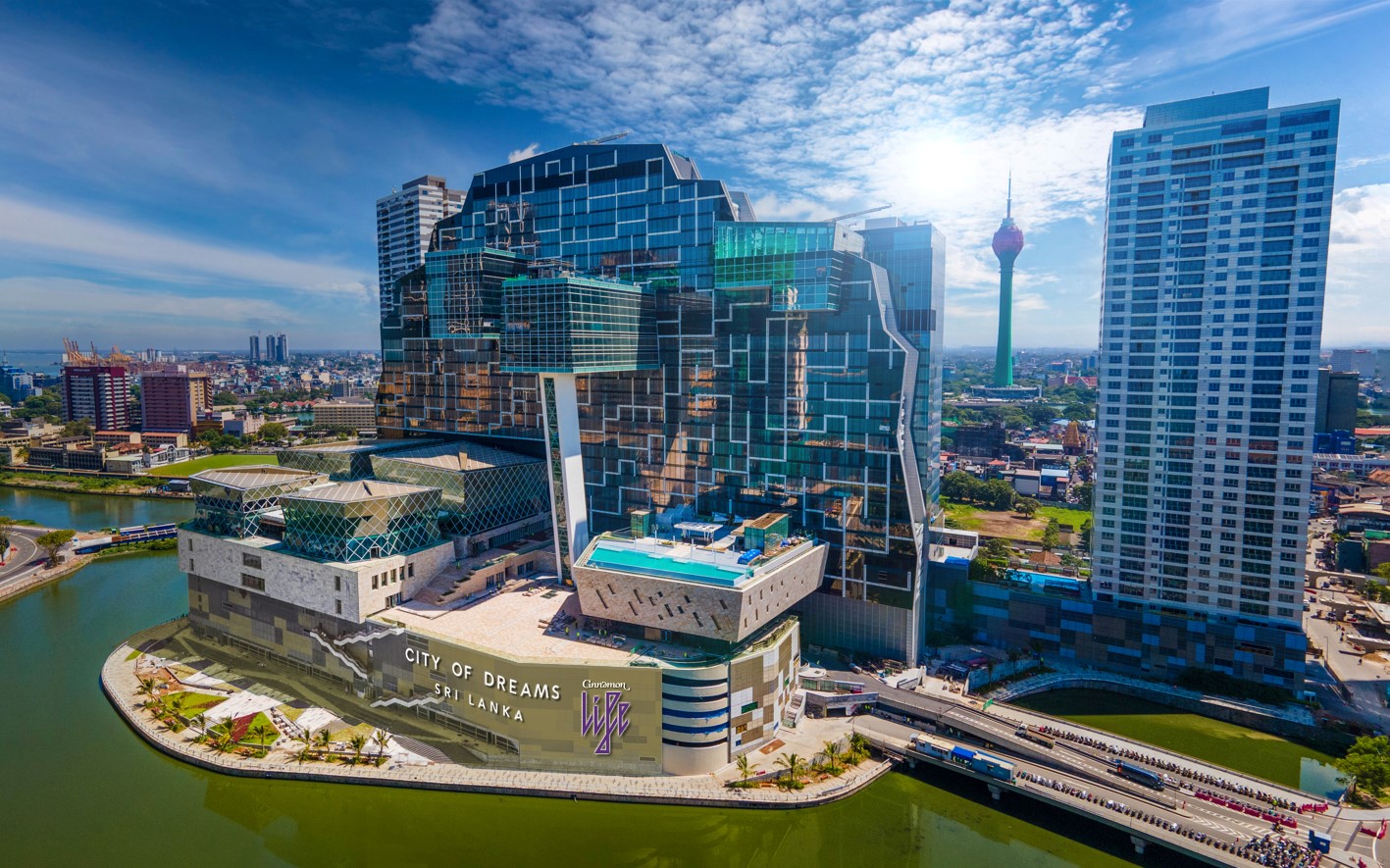
Mcap of 7 of top-10 most valued firms erodes by ₹88,635 cr; Airtel, TCS biggest laggards
BusinessLine· 2025-11-09 06:01
Market Valuation Changes - The combined market valuation of seven of the top-10 most valued firms decreased by ₹88,635.28 crore in a holiday-shortened week, with Bharti Airtel and Tata Consultancy Services experiencing the largest declines [1] - The BSE benchmark fell by 722.43 points or 0.86%, while the Nifty declined by 229.8 points or 0.89% during the same period [1] Individual Company Valuations - Bharti Airtel's market valuation dropped by ₹30,506.26 crore to ₹11,41,048.30 crore [2] - Tata Consultancy Services (TCS) saw a valuation decrease of ₹23,680.38 crore, bringing its total to ₹10,82,658.42 crore [2] - Hindustan Unilever's market capitalisation fell by ₹12,253.12 crore to ₹5,67,308.81 crore [3] - Reliance Industries' valuation decreased by ₹11,164.29 crore to ₹20,00,437.77 crore [3] - HDFC Bank's market capitalisation dipped by ₹7,303.93 crore to ₹15,11,375.21 crore [3] - Infosys' valuation edged lower by ₹2,139.52 crore to ₹6,13,750.48 crore [3] - ICICI Bank's valuation declined by ₹1,587.78 crore to ₹9,59,540.08 crore [4] Gainers in Market Valuation - Life Insurance Corporation of India (LIC) experienced an increase in market capitalisation by ₹18,469 crore to ₹5,84,366.54 crore [4] - State Bank of India saw its valuation rise by ₹17,492.02 crore to ₹8,82,400.89 crore [4] - Bajaj Finance's market valuation increased by ₹14,965.08 crore to ₹6,63,721.32 crore [4] Ranking of Most Valued Firms - Reliance Industries remains the most valued domestic firm, followed by HDFC Bank, Bharti Airtel, TCS, ICICI Bank, State Bank of India, Bajaj Finance, Infosys, LIC, and Hindustan Unilever [4]

SBI eyes global top-10 spot by 2030: Bank targets elite list after hitting Rs 100-lakh-crore mark; aims to boost capital strength
The Times Of India· 2025-11-08 07:15
Core Insights - State Bank of India (SBI) aims to enhance its overall valuation and target a position among the world's top 10 most valued banks by 2030 [4] - The bank's internal targets include a capital adequacy ratio (CAR) of 15% and a core equity tier (CET-1) ratio of 12% [2][4] - As of September 2025, SBI's CAR was 14.62% and CET-1 was 11.47%, indicating progress towards these goals [2][4] Financial Performance - SBI reported a 10% year-on-year increase in net profit to Rs 20,160 crore for the September 2025 quarter [3][4] - The growth in net profit was supported by advancements in retail, agriculture, and MSME segments, along with gains from a partial stake sale in Yes Bank [3][4] Market Position - SBI has crossed the Rs 100 lakh crore milestone in business, which includes both advances and deposit liabilities, solidifying its status as India's largest bank by branch network and lending share [3][4] - The bank also surpassed $100 billion in market capitalization, joining major firms such as HDFC Bank, TCS, Reliance Industries, Bharti Airtel, and ICICI Bank [3][4] Capital Management - SBI has maintained growth-supporting capital of Rs 6–7 trillion through profit augmentation over the past four to five years [2][4] - Strengthening capital ratios is seen as essential for retaining a strong buffer against potential challenges [2][4]
₹55 lakh gone! Trinamool MP Kalyan Banerjee falls prey to cyber fraud; SBI files complaint
MINT· 2025-11-07 11:10
All India Trinamool Congress Member of Parliament (MP), Kalyan Banerjee, has reportedly fallen prey to cyber fraud as ₹55 lakh has been embezzled from his State Bank of India (SBI) assembly bank account, reported the news portal Anandabazar on Friday, 7 November 2025.According to the news portal citing people aware of the development, the SBI authorities have filed an official complaint related to the fraud with the cybercrime department.How did Kalyan Banerjee learn about the fraud?Trinamool MP Kalyan Bane ...
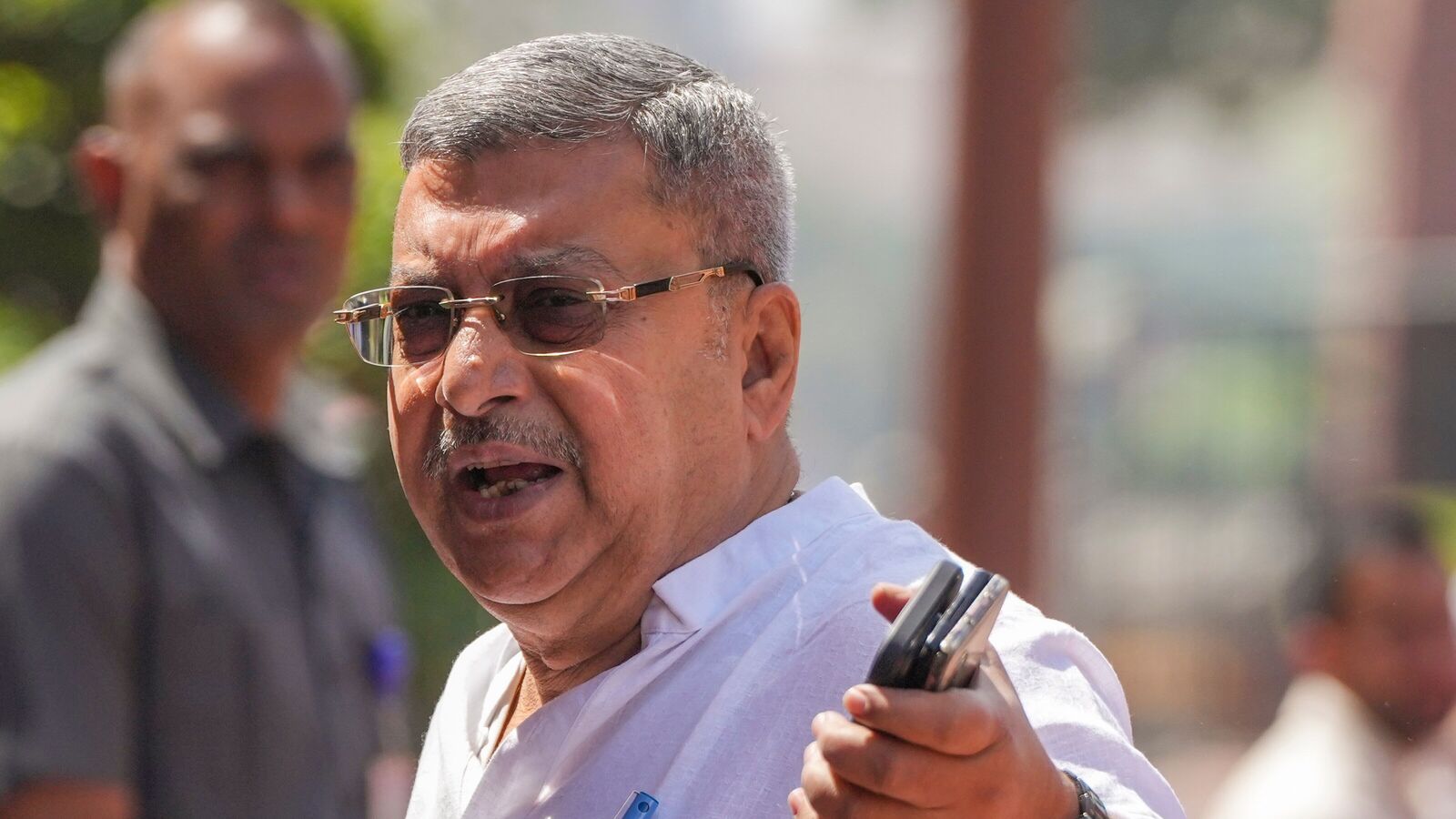
Markets sink on global selloff; Sensex down 564 points, Nifty below 25,350
BusinessLine· 2025-11-07 04:55
Market Overview - Indian markets opened significantly lower, continuing a downward trend for the third consecutive session, influenced by a steep selloff on Wall Street and weak Asian market cues [1][2] - The BSE Sensex fell by 564.32 points (0.68%) to 82,746.69, while the NSE Nifty dropped by 172.65 points (0.68%) to 25,337.05 [1] Sector Performance - The banking and financial services sector showed mixed trends, with ICICI Bank gaining 0.81% to ₹1,331.10, while State Bank of India declined by 1.41% to ₹947.20 [3] - Adani Enterprises and Shriram Finance also saw slight gains, while HDFC Life and Max Healthcare advanced in the insurance space [3] Technology Sector - Technology stocks faced significant selling pressure, with Bharti Airtel dropping 4.24% to ₹2,006.10, and other major players like HCL Technologies, Wipro, and TCS also experiencing declines [4] Foreign Institutional Investors (FIIs) Activity - Despite Domestic Institutional Investors (DIIs) buying ₹5,283 crore worth of stocks, FIIs sold ₹3,263 crore, leading to continued market decline [3] - The selling pressure from FIIs is overpowering the buying from DIIs, contributing to the market's downward movement [3] Economic Indicators and Sentiment - Global sentiment turned negative due to weak US job data, renewed layoffs in the tech sector, and concerns over AI valuations, leading to heavy profit booking in growth stocks [2] - The ongoing US government shutdown has suspended the release of key economic indicators, complicating the Federal Reserve's policy outlook [2] Commodities Market - Precious metals like gold and silver found support despite profit booking, with gold prices supported at ₹1,19,870-₹1,19,280 [5] - Crude oil prices declined to two-week lows due to rising supply and weakening demand, with an unexpected inventory build of 5.2 million barrels reported [6] Investment Strategy - Current market conditions are seen as an opportunity for investors to adjust portfolios towards fairly-valued large caps, particularly in banking and pharmaceuticals, where growth prospects remain positive [7]

Personal loans interest rates in Nov 2025: These are the latest rates which lenders charge
MINT· 2025-11-06 03:45
Core Insights - The article emphasizes the importance of comparing interest rates from different lenders before taking a personal loan, as even a 1% difference can lead to significant savings [1] Interest Rates Overview - Personal loans are typically unsecured and carry higher interest rates, ranging from 12% to 18% based on the borrower's credit score [2] - Higher credit scores allow borrowers to secure loans at lower interest rates compared to those with lower scores [2] Interest Rates by Bank - **HDFC Bank**: Interest rates range from 9.99% to 24% with processing charges of ₹6,500 before GST [2] - **ICICI Bank**: Charges between 10.45% to 16.50% per annum, with processing fees up to 2% of the loan amount plus GST [3] - **Kotak Mahindra Bank**: Interest starts at 9.98% per annum, with processing fees up to 5% of the loan amount [3] - **Federal Bank**: Interest rates range from 11.99% to 18.99% per annum, with processing fees up to 3% [4] - **State Bank of India (SBI)**: Charges between 10.05% to 15.05% per annum, with processing fees ranging from ₹1,000 to ₹15,000 before tax [5] - **Canara Bank**: Interest rates range from 14.50% to 16% per annum, with rates linked to the repo-linked lending rate (RLLR) ranging from 13.75% to 15.25% [5] - **Bank of Baroda (BOB)**: Interest rates range from 10.40% to 15.75%, depending on the borrower's category and credit score [6] - **Union Bank of India**: Charges interest between 10.75% to 14.45% per annum [6]