Starbucks

Search documents
Black Coffee: Best Laid Plans
Len Penzo Dot Com· 2026-02-07 09:00
Group 1 - The movement to abolish property taxes is gaining traction in states like Florida, Texas, Georgia, and North Dakota, with supporters arguing it reduces homeowner burdens, while critics warn it threatens funding for schools and local governments [4] - Morningstar analysts project that the highest "safe" starting withdrawal rate for retirees in 2026 is 3.9% of portfolio assets, an increase from 3.7% in 2025 and 3.3% in 2021, indicating a growing trend in retirement planning [9] - Recent Monte Carlo simulations suggest that retirees following the "4% rule" would have a 72% success rate over 30 years, compared to a 92% success rate for those adhering to Morningstar's guidance, highlighting the importance of careful withdrawal strategies [9] Group 2 - Despite a shift towards a portfolio of 60% stocks, 20% bonds, and 20% physical gold, Morningstar's model does not include gold, which may lead to a lower recommended withdrawal rate than if it were considered [12] - The S&P 500 gained 1.4%, the Dow advanced 1.7%, and the Nasdaq finished 1% in January, with historical data suggesting that a positive January often correlates with a strong market performance for the year [25] - The silver market experienced a 30% decline on January 30th, yet physical silver in China continued to trade at a 29% premium, indicating a divergence between paper and physical markets [28][32]



Starbucks Corporation $SBUX Shares Sold by Prime Capital Investment Advisors LLC
Defense World· 2026-02-07 08:32
Investment Activity - Transce3nd LLC increased its stake in Starbucks by 270.3% in Q2, now owning 274 shares valued at $25,000 after acquiring 200 additional shares [1] - PFS Partners LLC raised its holdings by 457.4% in Q3, owning 340 shares worth $29,000 after buying 279 shares [1] - RMG Wealth Management LLC increased its stake by 109.9% in Q3, now holding 382 shares valued at $33,000 after acquiring 200 shares [1] - Nexus Investment Management ULC acquired a new stake worth $35,000 in Q2 [1] - Institutional investors own 72.29% of Starbucks stock [1] Analyst Ratings and Price Targets - Citigroup lowered its target price from $94.00 to $92.00, maintaining a "neutral" rating [2] - Zacks Research upgraded Starbucks from "strong sell" to "hold" [2] - BMO Capital Markets reiterated an "outperform" rating with a target price of $120.00 [2] - Barclays set a target price of $116.00 with an "overweight" rating [2] - Deutsche Bank reissued a "buy" rating with a target price of $113.00 [2] - Consensus rating is "Moderate Buy" with an average target price of $104.67 [2] Insider Transactions - Director Jorgen Vig Knudstorp purchased 11,700 shares at an average cost of $85.00, totaling $994,500, increasing his position by 28.26% [3] Financial Performance - Starbucks reported $0.56 EPS for the last quarter, missing estimates by $0.03, with revenue of $9.92 billion, exceeding estimates of $9.62 billion [5] - Revenue increased by 5.5% compared to the same quarter last year [5] - The company has set FY 2026 EPS guidance at 2.150-2.400 [5] - Analysts anticipate an average EPS of 2.99 for the current fiscal year [5] Stock Performance and Dividends - Starbucks stock opened at $99.45, with a market capitalization of $113.30 billion and a PE ratio of 82.19 [4] - The stock has a 12-month low of $75.50 and a high of $117.46 [4] - A quarterly dividend of $0.62 per share will be paid on February 27, representing an annualized dividend of $2.48 and a yield of 2.5% [6][7]
NewLake Capital Partners (OTCPK:NLCP) Update / briefing Transcript
2026-02-05 20:02
Summary of NewLake Capital Partners Update Call Company Overview - **Company Name**: NewLake Capital Partners (OTCPK:NLCP) - **Business Model**: Sale-leaseback REIT focused on cannabis real estate - **Market Position**: Second largest owner of cannabis real estate in the U.S. with 34 properties across 12 states - **Lease Structure**: Average remaining lease term of 12 years and a yield of approximately 13% on leased portfolio [5][6] Financial Performance - **Dividend Growth**: 80% growth in dividends since IPO in mid-2021, although growth has leveled off due to market conditions [7][8] - **Tenant Composition**: Top three tenants (Curaleaf, Cresco, Trulieve) account for about 50% of annualized base rent [7] - **Comparison with Non-Cannabis REITs**: Non-cannabis REITs have lower yields (6%-7%) compared to NewLake's 13% [10][12] Market Dynamics - **Cannabis Sector Sentiment**: The sentiment in the cannabis sector has softened, impacting deal-making and growth strategies [8] - **Comparison with Other Financing Options**: Sale-leaseback REITs provide longer duration and potentially higher proceeds compared to BDCs and mortgage REITs, which typically have shorter transaction durations [14][17] Regulatory Environment - **International Opportunities**: Interest in exploring deals outside the U.S., including Canada and Europe, but regulatory uncertainties remain a concern [22][58] - **Impact of Rescheduling**: Anticipated positive effects from potential rescheduling of cannabis, including increased demand for services and improved credit quality for tenants [60][61] Tenant Issues and Portfolio Management - **Recent Tenant Recoveries**: Properties from Ayr and Rev Clinics have been recovered and are being re-tenanted for cannabis purposes [89][92] - **Proactive Tenant Relationships**: NewLake aims to maintain strong relationships with tenants to maximize returns and address issues collaboratively [95] Investor Considerations - **Dividend Yield**: Attractive low to mid-teens dividend yield, but concerns about discount to NAV and market perception of leverage and dividend sustainability [38][44] - **Market Positioning**: NewLake's focus on a diversified portfolio of cannabis real estate may provide lower volatility compared to direct cannabis operators [36][37] Future Outlook - **Potential for Increased Deal Flow**: Positive regulatory changes could lead to more opportunities in 2026 and 2027, although current activity remains cautious [60][61] - **Challenges Ahead**: The company faces challenges in gaining a listing on major exchanges due to federal cannabis laws, despite potential regulatory changes [79][81]
Yum China Holdings, Inc. (NYSE:YUMC) Sees Optimistic Price Target from Jefferies
Financial Modeling Prep· 2026-02-05 09:00
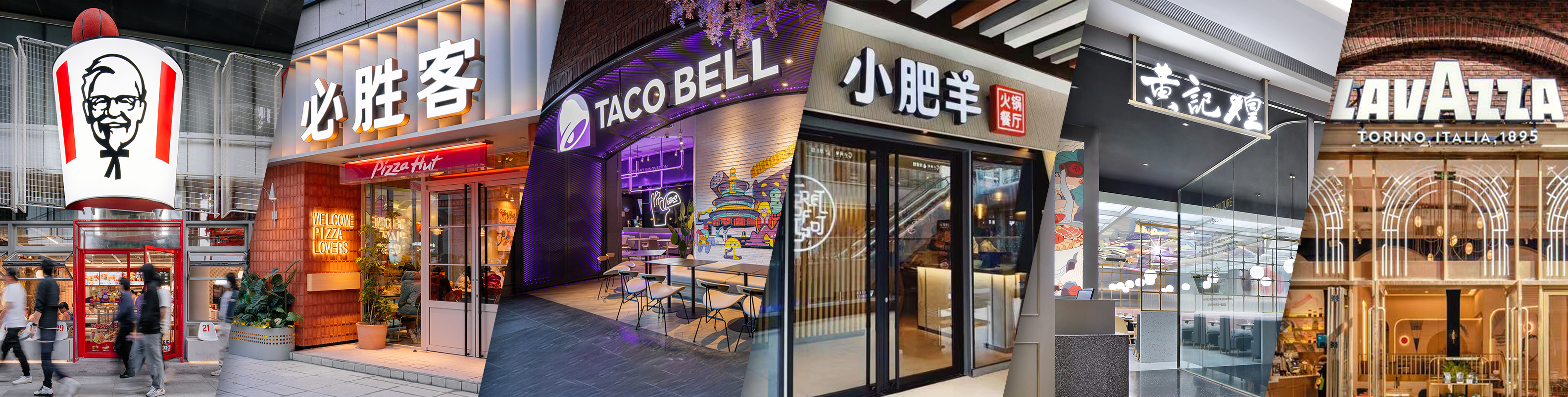
Core Insights - Yum China Holdings, Inc. (NYSE:YUMC) is a significant player in the fast-food industry in China, operating brands such as KFC, Pizza Hut, and Taco Bell, and competes with McDonald's and Starbucks [1] Financial Performance - YUMC's stock is currently priced at $53.14, reflecting an increase of 4.73% or $2.40, with a trading range today between $50.40 and $53.41 [4] - Over the past year, the stock has reached a high of $53.99 and a low of $41, with a market capitalization of approximately $18.78 billion and a daily trading volume of 1,968,030 shares on the NYSE [4][5] Analyst Outlook - Jefferies analyst Anne Ling has set a price target of $63.64 for YUMC, indicating a potential upside of approximately 19.76%, reflecting confidence in the company's growth prospects and strategic initiatives [2][5] Earnings Call Insights - YUMC recently held its Q4 2025 earnings call, which provided insights into the company's financial performance, highlighting significant achievements and challenges faced during the quarter [3][5]

Starbucks Is Back, but Is It a Buy?
The Motley Fool· 2026-02-05 02:07
分组1: Starbucks Performance - Starbucks reported a mixed performance for the quarter, with global and US comparable store sales increasing by 4% year over year, driven by a 3% increase in traffic [2][3] - Net revenue rose approximately 6% year over year, with same store sales in China growing by 7%, indicating a turnaround in a previously struggling market [2] - The company is prioritizing long-term growth over immediate profit, investing in wages and technology, and transitioning to a licensing model in China to reduce direct stakes [2][4] 分组2: Market Sentiment and Valuation - Despite some positive indicators, there is skepticism about the sustainability of growth, with concerns that a 3% revenue growth may not justify high valuation multiples, which are around 60 on a trailing basis and 36 on a forward basis [7][11] - Analysts express caution regarding the stock's attractiveness, noting that while operational improvements are evident, the price may not be compelling for investors seeking high growth [11][10] - The market reacted positively to the earnings report, with stocks up about 4% early in trading, reflecting some investor optimism [12] 分组3: General Motors Performance - General Motors reported a net income of approximately $2.7 billion for the fiscal year, down from $6 billion the previous year, largely due to a net loss in Q4 driven by special charges related to EV capacity realignment [15][17] - Revenue for the fiscal year was about $185 billion, with growth primarily from internal combustion engine vehicles, particularly large trucks and SUVs, rather than electric vehicles [17] - GM is maintaining a strong position in the US AV market and is focusing on cost efficiencies while navigating fluctuating demand [17] 分组4: Autonomy and Buybacks - GM announced plans for Level 3 autonomy in their Cadillac Escalade by 2028, integrating advanced technology for improved safety and performance [22][19] - The company initiated a new $6 billion stock buyback program, following a $10 billion accelerated share repurchase, which has reduced the number of outstanding shares and boosted earnings per share [23][21] - Analysts note that while buybacks and dividends are positive for shareholders, the overall growth profile may not be compelling enough for new investments [24][23] 分组5: Silver and Market Dynamics - The recent interest in silver is attributed to a weak dollar, with central banks and institutional investors diversifying away from dollar-dominated assets, making precious metals cheaper for foreign investors [29][27] - There is a notable influx of retail investors in silver, leading to speculative behavior reminiscent of meme stocks, which raises concerns about potential corrections [29][30] - The dynamics of the global forex market and geopolitical factors are influencing the demand for silver, with a focus on the long-term implications of a weaker dollar [28][27]


X @The Wall Street Journal
The Wall Street Journal· 2026-02-04 00:01
At Starbucks’ Investor Day, CEO Brian Niccol shared his plans to grow the company.Read more: https://t.co/aFo418TJ0U https://t.co/SwINFUctCw ...
Investors Are Piling Into This Stock That's Up 28,000% Since Its IPO. Can It Soar in 2026?
The Motley Fool· 2026-02-03 10:15
Core Viewpoint - Starbucks is showing signs of recovery after a challenging period, with new CEO Brian Niccol implementing strategies that may lead to improved performance and profitability in the future [1][4]. Company Overview - Starbucks operates over 41,000 stores globally and has faced challenges in adapting to changing consumer trends, including long wait times and high prices [2]. - The company is working to modernize its image and processes to remain relevant in a digital age, focusing on improving customer experience and throughput [3]. Financial Performance - In the first quarter of fiscal 2026, Starbucks reported a 6% year-over-year revenue increase to $9.9 billion, with comparable sales rising 4% globally [4]. - Adjusted earnings per share fell 19% to $0.56 due to heavy investments in improvement strategies, which are expected to enhance margins and profitability in the long run [4]. Market Position and Valuation - Starbucks has historically been a strong market performer, with a stock price increase of nearly 28,000% since its market debut, and over 37,000% including dividends [8]. - The current dividend yield is approximately 2.6%, with annual increases over the past 15 years, indicating a commitment to returning value to shareholders [9]. - However, the stock is currently trading at a high P/E ratio of 78, which raises concerns about its valuation relative to growth prospects, suggesting a cautious approach for potential investors [10][11].
America's 50 most iconic brands, from Main Street to Silicon Valley
Yahoo Finance· 2026-02-02 17:43
Core Insights - The article highlights the significant American companies that have shaped the nation's identity and economy as it approaches its 250th birthday, emphasizing their cultural and historical impact rather than just financial metrics [1][2]. Group 1: Visa - Visa was established in 1958 as BankAmericard, launching the first consumer credit card in the U.S. [3][6] - The company rebranded as Visa in 1976 and went public in 2008, currently holding a market cap of $632 billion [4][6]. - Visa operates in over 220 countries and territories, accepted at more than 175 million merchants [7]. Group 2: Meta (Facebook) - Facebook was founded in 2004 by Mark Zuckerberg and quickly grew to 1 billion users by 2012, later rebranding to Meta in 2021 [9][13][14]. - The platform has faced controversies regarding user data and misinformation but remains a dominant social media service with over 3 billion regular users [15]. Group 3: Boeing - Boeing, established in 1916, is a leading aerospace company known for producing commercial jets and military aircraft [15][16]. - The company has faced challenges in recent years, including safety allegations and COVID-19 impacts, but continues to be a major player in the industry with a market cap of $185 billion [20][21]. Group 4: Tesla - Tesla was founded in 2003, with Elon Musk joining in 2004, and has become synonymous with electric vehicles, launching the Model 3 in 2017 as the best-selling electric car [23][27]. - The company has a market cap of $1.4 trillion and is recognized for driving electric vehicles into the mainstream [28]. Group 5: Patagonia - Patagonia was founded in 1973 by Yvon Chouinard, known for its commitment to sustainability and donating 1% of sales to environmental causes [30][33]. - The company has expanded from climbing gear to a wide range of outdoor apparel and is estimated to have a market cap of $3 billion [33]. Group 6: Intel - Intel was founded in 1968 and became a leader in semiconductor technology, introducing the first programmable microprocessor in 1971 [34][35]. - The company has maintained a significant market presence, controlling approximately 75% of the CPU market as of 2025 [38]. Group 7: HP - HP was established in 1939, initially focusing on sound equipment and later becoming a leader in personal computers and printers [40][42]. - The company split into HP Inc. and Hewlett Packard Enterprises in 2015, with HP Inc. having a market cap of $18 billion [45]. Group 8: Nike - Nike was founded in 1964 as Blue Ribbon Sports and rebranded in 1971, becoming a dominant player in the sportswear market with a 14% share in 2024 [46][50]. - The company gained fame through its endorsement deal with Michael Jordan, significantly boosting its brand recognition [48]. Group 9: Kodak - Kodak was founded in 1888 and became a pioneer in photography, introducing innovations like roll film and the first digital camera [51][54]. - The company filed for bankruptcy in 2012 and now focuses primarily on commercial printing and imaging [56]. Group 10: IBM - IBM was established in 1911 and became synonymous with computing, initially focusing on tabulating machines and later dominating the PC market [59][62]. - The company has shifted its focus to consulting, software, and cloud computing, with a market cap of $291 billion [67]. Group 11: Paramount Pictures - Paramount Pictures, founded in 1912, is recognized as the longest-operating major studio in Hollywood, producing numerous iconic films [68][70]. - The studio has undergone various mergers and continues to be a significant player in the entertainment industry with a market cap of $12 billion [74]. Group 12: Netflix - Netflix was founded in 1997 as a DVD rental service and transitioned to streaming in 2007, becoming a leader in the industry [77][80]. - The company has a market cap of $351 billion and announced plans to acquire Warner Bros. Discovery in 2025 [81]. Group 13: FedEx - FedEx was founded in 1971, revolutionizing overnight delivery with a centralized hub model [83][84]. - The company has introduced several innovations in the shipping industry and has a market cap of $74 billion [88]. Group 14: Motown - Motown Records, established in 1959, played a crucial role in integrating Black artists into mainstream pop music [91][92]. - The label produced numerous hits and helped launch the careers of many iconic artists, although it faded in prominence during the 1970s [94][96]. Group 15: PepsiCo - PepsiCo was formed in 1965 through the merger of the Pepsi-Cola Company and Frito-Lay, becoming a leading global food and beverage brand [99][100]. - The company is known for its innovative marketing strategies and has a significant rivalry with Coca-Cola [101]. Group 16: Levi Strauss - Levi Strauss, founded in 1853, is known for creating the first riveted blue jeans, which have become a cultural staple [104][106]. - The company continues to sell a wide range of apparel and remains a significant player in the fashion industry [106]. Group 17: Microsoft - Microsoft was founded in 1975 and became a leader in software development, particularly with its Windows operating system [109][110]. - The company has expanded into gaming, cloud services, and AI, with a market cap of $7.8 billion [112]. Group 18: The Home Depot - The Home Depot was established in 1978, focusing on providing a wide range of building supplies and home improvement products [115][116]. - The company has a strong commitment to community initiatives, particularly supporting veterans, and has a market cap of $3.2 trillion [118]. Group 19: WK Kellogg Company - WK Kellogg Company was formed from the original Kellogg's brand, known for its iconic cereals and snacks [121][123]. - The company underwent a reorganization in 2023, with its cereal business spun off into a new entity [123].
Starbucks Sees Robust Same-Store Sales. Can the Stock's Momentum Continue?
The Motley Fool· 2026-02-01 13:25
Core Insights - Starbucks is showing signs of a turnaround with global same-store sales growth accelerating in its fiscal first quarter [1] - The company has implemented strategies under CEO Brian Niccol to boost sales, including adding baristas, menu innovation, and brand marketing [2] Sales Performance - Global same-store sales rose 4%, with traffic climbing 3% and average ticket increasing 1%, marking the first increase in traffic in two years [3] - In North America, comparable-store sales also climbed 4%, with traffic up 3%, compared to flat same-store sales in the prior quarter [5] - International same-store sales jumped 5%, with traffic rising 3% and average ticket up 2% [5] - China's same-store sales increased by 7%, with a 2% rise in average ticket and traffic [6] Financial Results - Overall sales increased by 6% to $9.92 billion, surpassing analysts' estimates of $9.67 billion, while adjusted earnings per share (EPS) fell 19% to $0.56, missing the consensus of $0.59 [7] - The company expects global same-store sales growth of 3% or better for fiscal 2026 and plans to open 600 to 650 new shops [8] Future Outlook - Starbucks anticipates slight operating margin improvement for the year, with more significant progress expected in the second half [8] - The company is regaining sales momentum, although this has resulted in lower operating margins and profits [9] - The stock has not moved much in the past five years but may be poised for a breakout if momentum continues [10]
Is Starbucks' turnaround plan working? Its CEO thinks so
Youtube· 2026-02-01 10:00
Core Insights - The company has seen positive same-store sales in the US due to a combination of operational excellence, improved customer service, and innovative product offerings like protein coffee and the return of nostalgic items [1][2][9] Operational Improvements - The company has focused on operational excellence through the Green Apron service program, which aims to enhance customer service and empower employees [2][4] - Average wait times for cafe orders have improved from over 5 minutes to below 4 minutes during peak hours, with drive-thru orders also under 4 minutes [3][4] Store Experience and Design - The company is implementing an "uplift" in store design to create a warm and welcoming atmosphere, with plans for significant remodeling that can be executed quickly [5][6] - There is a commitment to building more stores that reflect the brand's essence, including drive-thru options and a focus on creating a coffee house experience [6][7] Nostalgia and Brand Identity - The company is not merely leaning into nostalgia but is focused on reconnecting with the core values and "soul" of the brand, as exemplified by the return of the 1971 dark roast [8][9] - The rewards program is being personalized using technology, with different levels to engage customers more effectively [10][11] Afternoon Business Opportunity - The company sees a multibillion-dollar opportunity in expanding its afternoon business, aiming to create a strong afternoon peak similar to its morning success [14][17] - There is a recognition of changing consumer behaviors, particularly with the rise of GLP-1 users, which presents an opportunity for protein-forward menu innovations [18][20] Leadership and Security - The CEO has noted the challenges of leading a global brand, including unexpected security concerns due to public passion and scrutiny [22][24] - Despite these challenges, the CEO remains optimistic and focused on the company's turnaround strategy [25][26]