Ford Motor

Search documents
Kevin Ford to Retire After a Decade of Record Growth; Board Appoints Patrick Houston as Incoming CEO Effective January 1, 2026
Globenewswire· 2025-10-07 10:00
Core Insights - Calian Group Ltd. announced the retirement of CEO Kevin Ford after 10 years in the role, with Patrick Houston appointed as the new CEO effective January 1, 2026 [1][2] Leadership Transition - Kevin Ford will remain as CEO until the end of 2025 to ensure a smooth transition for stakeholders [1] - The Board of Directors has conducted a comprehensive succession planning process, leading to the unanimous support for Patrick Houston's appointment as the new CEO [2] Company Growth and Strategy - Under Ford's leadership, Calian has undergone significant transformation and record growth, expanding into new markets and diversifying its capabilities across various sectors [2] - Houston has been instrumental in driving growth through 15 strategic acquisitions since joining Calian in 2019, which have facilitated international expansion [2] - Houston's focus as incoming CEO will be on executing a multi-year strategic plan aimed at delivering long-term shareholder value and enhancing Calian's presence in Defence, Space, and Health sectors [4] Leadership Background - Patrick Houston has held senior roles in finance and operations at various companies and has experience serving on multiple boards, enhancing his qualifications for the CEO role [3]



A Devastating Fire at a Major Ford Supplier Will Disrupt Business for Months
WSJ· 2025-10-06 23:00
Core Viewpoint - The Novelis plant plays a significant role in the automotive industry by supplying approximately 40% of the aluminum sheet used in vehicle manufacturing [1] Group 1 - The Novelis plant is a major supplier in the automotive sector, indicating its importance in the supply chain [1]
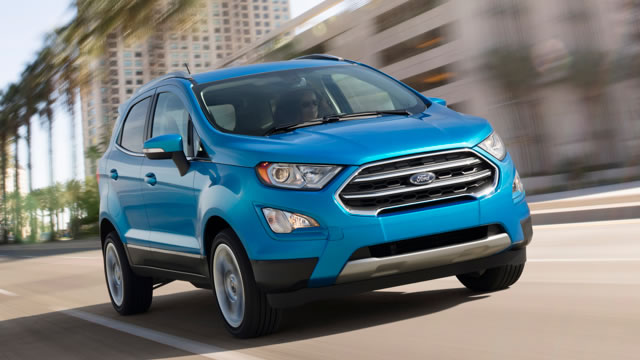
Ford Motor Company's Stock Update and Industry Position
Financial Modeling Prep· 2025-10-06 15:00
Core Viewpoint - Ford Motor Company is facing challenges in the rapidly evolving automotive industry, particularly in the electric vehicle market, despite having a strong performance in its Ford Pro segment [1][4][6]. Company Overview - Ford is a prominent player in the automotive sector, known for a diverse range of vehicles including trucks, vans, and electric vehicles [1]. - The company is currently trading under the symbol "F" on the NYSE and has a market capitalization of approximately $49.53 billion [5]. Stock Performance - On October 6, 2025, Jefferies upgraded Ford's stock from "Underperform" to "Hold," indicating a more neutral outlook on the company's future prospects [2][6]. - As of the latest report, Ford's stock price is $12.67, reflecting a 3.68% increase from the previous session, with a trading volume of 94.89 million shares [5][6]. - The stock reached a low of $12.20 and a high of $12.67 on the same day, marking its highest price over the past year [5]. Segment Performance - In the first half of 2026, Ford's Ford Pro segment, which includes light trucks and vans, demonstrated strong performance [4]. - In contrast, the Ford Model e segment, focused on electric vehicles, reported a significant loss of $5.1 billion last year, highlighting the challenges faced in the EV market [4][6]. - The internal combustion engine and hybrid car business within Ford Blue is characterized by low margins, further complicating the company's overall performance [4].

Ford Motor Company's Stock Analysis and Future Prospects
Financial Modeling Prep· 2025-10-06 14:00
Core Viewpoint - Ford Motor Company is facing significant challenges in the electric vehicle (EV) market while showing strong performance in its commercial segment, Ford Pro [1][6]. Company Performance - Ford's stock is currently trading below $12, which may present an attractive investment opportunity despite the company's struggles in the rapidly changing automotive industry [3]. - The stock price is currently $12.67, reflecting a 3.68% increase today, with a market capitalization of approximately $49.53 billion [5]. Segment Analysis - Ford Pro, the commercial business segment, has demonstrated strong performance, particularly in light trucks and vans, contrasting with the low-margin internal combustion engine (ICE) and hybrid car business in Ford Blue [4]. - The EV segment, Ford Model e, reported a significant loss of $5.1 billion last year, indicating challenges in this area and the need for strategic adjustments [4][6]. Analyst Insights - On October 6, 2025, Jefferies set a price target of $12 for Ford, upgrading the stock rating from Underperform to Hold, suggesting a more neutral outlook [2][6].
As Ford CEO Jim Farley Talks About Shortage Of Mechanics, This TikTok User Says There's A Debt Problem: 'They Just Financially Can't' - Ford Motor (NYSE:F)
Benzinga· 2025-10-06 06:03
Core Insights - Ford Motor Co. is experiencing a significant shortage of repair technicians, estimated at 400,000 across the economy, which is impacting service availability and repair times [2][3] - The average waiting time for repairs at Ford dealerships is currently two weeks, with many service bays lacking technicians [3] - Financial barriers are preventing potential technicians from entering the field, as trade school costs and low starting wages are significant concerns [4] Technician Shortage - CEO Jim Farley highlighted the critical shortage of repair technicians, attributing it to factors such as permits, regulations, and societal perceptions [2] - There are currently 6,000 service bays in Ford dealerships without technicians, exacerbating repair delays [3] Financial Barriers - A TikTok user pointed out that aspiring mechanics often incur debt to attend trade school, which deters many from pursuing this career [3] - Entry-level positions at Ford dealerships offer wages around $19 to $21 per hour, which are insufficient for many potential technicians [4] Company Performance and Strategy - Ford has faced multiple recalls in 2025, including a significant recall of 115,000 pickup trucks due to steering column issues [5] - The company has cut over $1 billion in costs, improving its financial position compared to competitors like General Motors [6] - Ford has extended incentives for electric vehicles (EVs) and is offering affordable loans to individuals with subprime credit to boost sales [7][8] Market Position - Ford scores well on Momentum and Value metrics, with satisfactory Growth and Quality ratings, indicating a favorable price trend in the short, medium, and long term [9]
Should You Buy Ford Stock While It's Below $12?
The Motley Fool· 2025-10-05 12:00
Group 1 - The investment case for Ford is complex, balancing a low valuation and historical strength against challenges in a dynamic automotive industry [1] - Ford's segment performance in the first half of 2026 shows a strong commercial business in Ford Pro, while the Ford Model e segment is struggling with significant losses of $5.1 billion [2][3] - Ford Pro generated $34 billion in revenue with a 10.7% EBIT margin, while Ford Blue had $46.8 billion in revenue with a 1.6% EBIT margin, contrasting with Ford Model e's $3.6 billion revenue and a -60.5% EBIT margin [3] Group 2 - There is an argument for separating Ford Pro from the rest of the company to unlock value, as Ford transitions from internal combustion engines (ICE) to electric vehicles (EVs) [4] - Ford stock trades at 10.3 times estimated earnings for 2025, primarily driven by the Pro business, which has growth potential through recurring revenue from services [5] - CEO Jim Farley emphasizes the importance of keeping Ford Pro integrated, highlighting the risks of investing in Ford amid the need for significant EV investment [6] Group 3 - Ford has committed to a $5 billion investment in EV development, including a new $30,000 pickup truck planned for 2027 and a Universal EV Production System [7] - The crossover activities among Ford's segments indicate a strategic approach to leverage strengths across the business [9][10] - The growth in the auto market is shifting towards EVs, making it imperative for Ford to remain relevant and competitive against rivals [10][11] Group 4 - Ford's Pro segment is crucial for cash flow to support EV investments, and its dominant position in commercial vans and light trucks is at risk from competitors [11] - The investment in Ford is not merely a bet on hidden value but rather a commitment to becoming a significant player in the EV market [12]
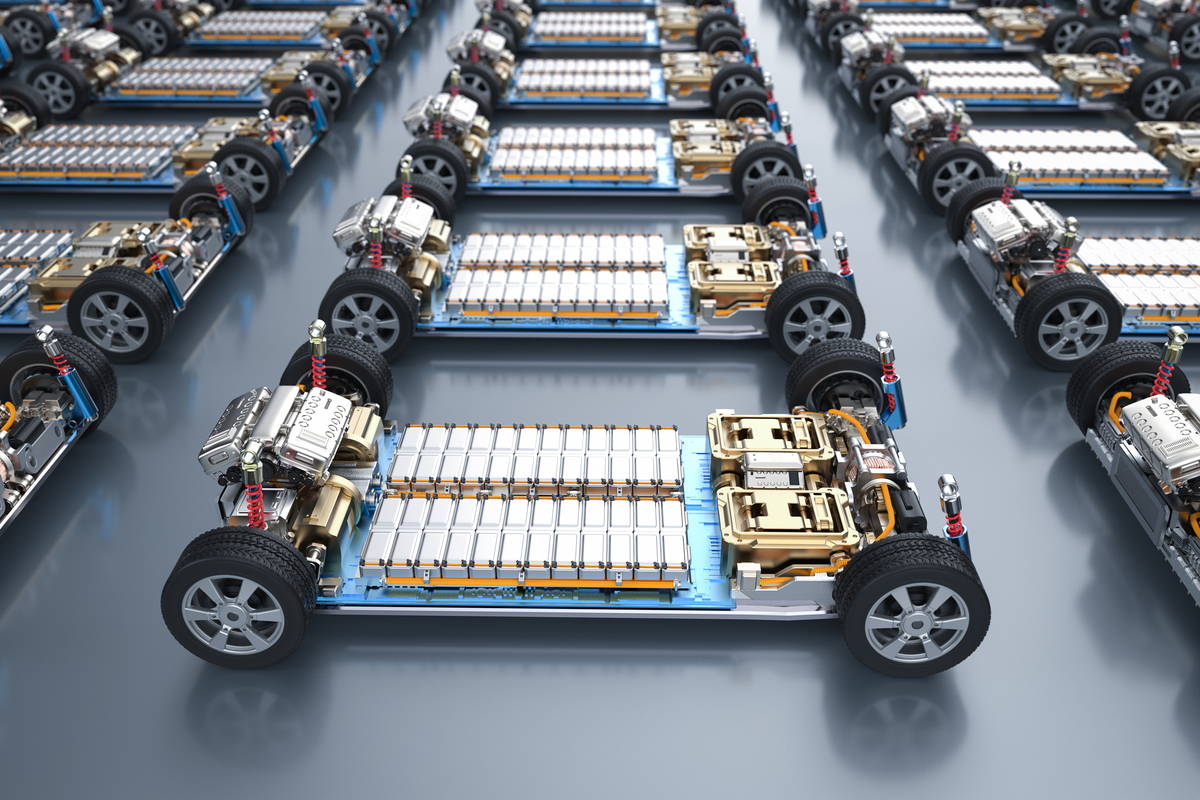
A Bit of Great News for Ford and GM Investors
The Motley Fool· 2025-10-05 08:38
These Detroit automakers have found a financial workaround to help EV customers continue to get the federal tax credit.Unless you've been hiding under a rock (and some days that may seem like a solid idea), you're probably aware of the Trump administration's stance on electric vehicles (EVs). The administration has suspended the $7,500 federal tax credit for EV purchases effective Sept. 30 and rolled back a number of other EV policies. On top of that, new tariffs on imported vehicles and automotive parts ha ...

The Pace of Innovation From Railroads to AI
Medium· 2025-10-04 16:57
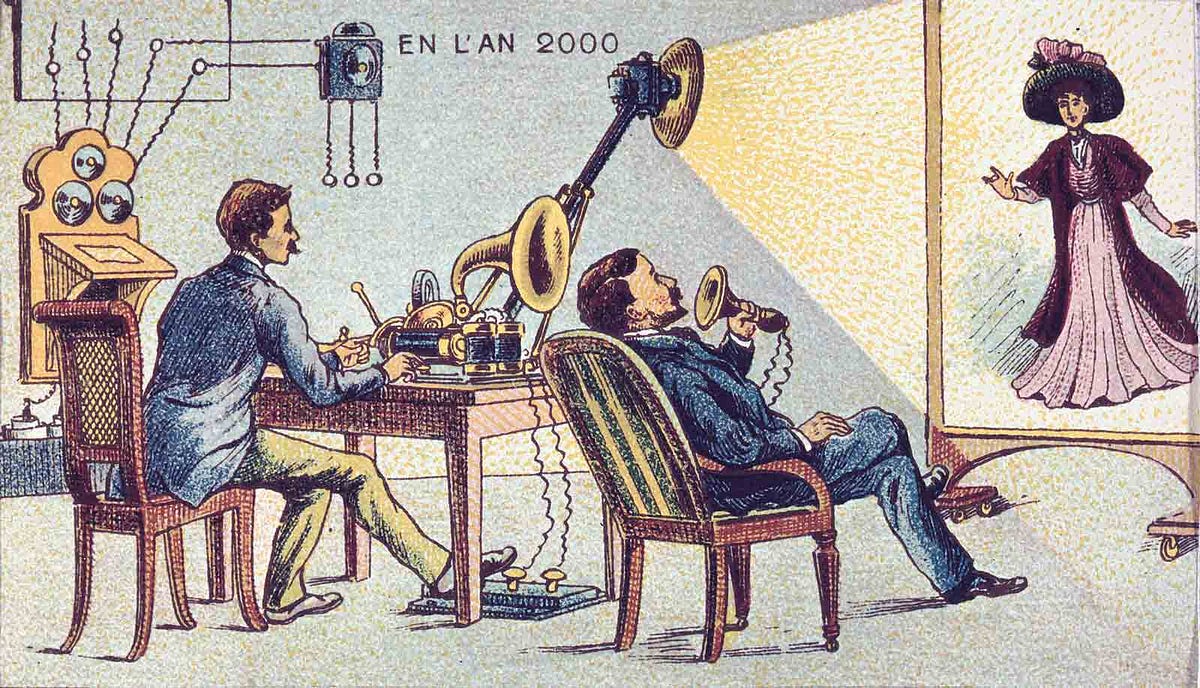
Core Insights - The article discusses the timeline from the first demonstration of various technologies to their widespread usage, highlighting that newer inventions tend to achieve acceptance more quickly than older ones [2][3] Group 1: Railroads - The first railroads in England appeared around 1600, with the Merthyr Tramroad opening in 1802 and the Stockton & Darlington Railway in 1825, marking significant milestones in the adoption of steam locomotives [7][8] - The Liverpool and Manchester Railway, opened in 1830, is considered the start of widespread acceptance of railroads, taking 36 years from demonstration to widespread use [9] Group 2: Automobiles - The first gasoline automobile, the Benz Patent Motor Car, was invented in 1885 and went into production in 1886, leading to the introduction of assembly line production by Ford in 1913, which drastically reduced production time [11][12][13] Group 3: Airline Travel - It took 12 years from the Wright brothers' first flight in 1903 to the first scheduled airline service in 1913, with significant advancements occurring in the following decades [14][15][16] Group 4: Radio - The first radio broadcast occurred in 1895, but it took 13 years for commercial radio stations to emerge, with widespread usage also occurring in the same year [19][21][22] Group 5: Telephone - Alexander Graham Bell made the first telephone call in 1876, with commercial use starting in 1878 and widespread adoption achieved by 1880, just four years later [24] Group 6: Television - Electronic television was invented in 1927, with the first regular broadcasts starting in Germany in 1935 and widespread adoption in the US delayed until after WWII [25][28][29] Group 7: Color Television - Color television had a long development period, with CBS starting broadcasts in 1951, but widespread acceptance did not occur until 1961 [30][36] Group 8: Personal Computers - The first personal computer using a microprocessor was the Micral in 1973, with widespread adoption occurring just two years later in 1975 [37][42] Group 9: The Internet - The Internet's precursor, ARPANET, began in 1966, with commercial use starting in 1989 and widespread acceptance achieved by 1990 [44][45] Group 10: World Wide Web - The World Wide Web was developed in 1991, with commercial use and widespread adoption occurring within two years [46][47] Group 11: Artificial Intelligence - The field of artificial intelligence began with the Dartmouth Summer Research Project in 1956, with the first commercial product appearing in 1980 and widespread usage not occurring until 2010 [48][50][51]
Ford CEO Jim Farley on the Future of the Essential Economy
Youtube· 2025-10-04 14:00
Core Insights - The essential economy, as defined by Ford CEO Jim Farley, encompasses sectors involved in building, moving, and fixing, which represent a significant portion of the US GDP and currently face a shortage of about one million workers [1][2] Group 1: Essential Economy and Workforce - The societal perception of essential jobs has shifted, leading to a decline in interest in vocational training and a lack of investment in education programs for these roles [2] - Regulatory challenges and permitting processes complicate the hiring and operation of essential jobs, particularly for small businesses [2] - The productivity of the essential economy has decreased over the past 20 years, contrasting with a 20-30% increase in white-collar productivity, resulting in an average income drop of $30,000 for essential workers [4][5] Group 2: Government and Policy Impact - The government plays a crucial role in revitalizing the essential economy, with past emphasis on manufacturing and trade schools, but tangible results are yet to be seen [6][7] - Tariffs on imported parts significantly impact profit margins, with over 20% of profits lost due to these tariffs, highlighting the need for policy adjustments [8][9] Group 3: Electric Vehicle (EV) Transition - The auto industry is undergoing a complex transition towards electric vehicles, with Ford focusing on customer choice rather than an all-electric strategy [14][17] - The removal of the $7,500 EV tax credit is expected to increase vehicle prices, complicating the transition to electric vehicles [18] - Ford is developing a Universal Electric Vehicle platform to compete with global players like BYD, which has gained significant market share [19][22] Group 4: Competitive Landscape - The Chinese market is rapidly evolving, with BYD becoming the leading electric vehicle manufacturer globally, posing a significant challenge to American automakers [22][27] - The American auto industry faces difficulties in competing against Chinese subsidies and the scale of their industrial operations, which are ten times larger than those in the US [27][30] - The speed of innovation in the electric vehicle sector is a critical factor, with ongoing advancements in battery technology expected to influence future competitiveness [28][29]

Ford CEO talks labor market, lack of trade jobs, and risks to the US economy
Youtube· 2025-10-04 00:35
Core Insights - The discussion highlights a significant shortage of skilled labor in essential industries, particularly in automotive repair, with approximately 1 million job openings across the economy and 6,000 technician shortages specifically at Ford [2][6][9] - The productivity of blue-collar workers has not kept pace with white-collar workers over the past 20 years, contributing to the labor shortage [3][15] - There is a societal stigma associated with blue-collar jobs, which affects the perception and attractiveness of these roles to potential workers [4][8] Labor Shortage and Economic Impact - The shortage of skilled workers is leading to longer wait times for vehicle repairs, averaging two weeks due to a lack of mechanics [6] - The construction industry is also feeling the impact, with project costs increasing from $4 billion to $5 billion due to labor shortages [13] - If the labor gap is not addressed, it could lead to inflation and delays in infrastructure projects, with current bridge construction timelines extending from 10 years to potentially 20 years [10][12] Company Initiatives - Ford is actively working on programs to address the skills gap, including apprentice programs and partnerships with trade schools [14][15] - The company aims to enhance productivity for essential workers by providing AI tools, although this requires significant investment [15][16] - Ford's CEO emphasizes the need for support from the government to reduce tariffs on imported parts, which currently add up to a $2 billion cost burden [16][20] Electric Vehicle Market Insights - The demand for electric vehicles (EVs) is not as high as anticipated, with consumers reluctant to pay a premium for larger battery models [21][22] - Ford is adapting its strategy to focus on affordable EVs, targeting a price point of $30,000 to attract buyers [24] - The competitive landscape includes significant challenges from companies like BYD, which have strong government support and established intellectual property [23][24]