Honda Motor

Search documents
汽车芯片采购担忧及其对半导体、半导体设备、汽车行业的影响Concerns over Sourcing Automotive Chips, Implications for Semis, SPE, Autos
2025-10-27 00:31
Summary of Key Points from the Conference Call Industry Overview - **Industry**: Semiconductor Production Equipment and Automotive Industry - **Region**: Japan Core Concerns and Implications - **Control of Nexperia**: The Dutch government has taken administrative control of Nexperia, a major automotive chip supplier, due to economic and national security risks, raising concerns about chip procurement in the automotive sector [3][9] - **Impact on Automotive Production**: Automakers, including Honda, are investigating alternatives to Nexperia chips as shipments have been suspended. This could lead to a near-term bottleneck in auto production, particularly affecting output in China, Europe, and Japan [4][9] Market Dynamics - **Chip Sourcing Alternatives**: Automakers are seeking alternative chip suppliers, which could positively impact demand for semiconductor production equipment (SPE) if they begin placing additional orders [10] - **Shortage of Nexperia Chips**: Current inventories of Nexperia chips are limited to a few weeks, and establishing new production frameworks will take several months [4][10] Potential Opportunities - **Increased Demand for SPE**: Should automakers successfully diversify their chip sourcing, there could be a significant increase in demand for SPE, particularly for companies like Disco and Advantest, which are positioned to benefit from increased orders for automotive semiconductor testers and assembly equipment [10][11] - **Market Share Shifts**: Companies like Yangjie Technology and Rohm may gain market share as orders shift from Nexperia to other suppliers, particularly in small signal devices [11][12] Analyst Ratings and Recommendations - **Top Picks**: Disco is reiterated as a top pick, with an Overweight (OW) rating on Advantest, indicating strong expected performance in the semiconductor testing market [5][10] - **Valuation Methodology**: Disco's target P/E is set at 25.1x based on historical performance, while Advantest's target P/E is 20.0x, reflecting expected growth in the tester market driven by demand for devices with long test times [13][16] Risks - **Downside Risks**: Potential risks include sluggish global demand for electronics, prolonged replacement cycles for smartphones, and the commoditization of SPEs due to technological advancements slowing down [15][18] - **Upside Risks**: Conversely, recovery in demand for smartphone semiconductors and increased capex by major semiconductor manufacturers could drive growth [17][18] Conclusion - The semiconductor production equipment industry is currently facing significant challenges due to geopolitical tensions affecting chip supply chains. However, there are potential opportunities for growth as automakers seek alternatives and increase orders for semiconductor production equipment. Analysts remain optimistic about specific companies like Disco and Advantest, while also highlighting the risks associated with market volatility and demand fluctuations.
Honda Announces On-Sale Date for Battery-Powered Walk-Behind Lawn Mowers
Globenewswire· 2025-10-21 14:30
Core Insights - Honda Power Sports & Products is launching a new lineup of battery-powered walk-behind lawn mowers in November 2025, enhancing its reputation in lawn care equipment [2][3][6] - The new models include HRN-BV, HRX-BV, HRX-BE, and HRC-BE, all designed for premium quality, reliability, and performance, catering to both residential and commercial users [3][6][7] Product Features - The new battery-powered mowers utilize advanced features such as the Honda MicroCut® Twin Blade System, providing superior cut quality and performance [5][6] - Models are equipped with air-cooled, brushless electric motors and can accommodate one or two lithium-ion batteries, with interchangeable batteries across all models [5][6] - The HRN-BV model features a 1.5kW motor, intuitive variable speed control, and a dual-lever height adjustment system with seven cutting heights [8] - The HRX-BV model offers a 4-in-1 Versamow System™ for versatile mowing options and a 21-inch NeXite® deck for durability [9] - The HRX-BE model includes an electronic Roto-Stop® blade stop system and precise speed control, enhancing user convenience [10] - The HRC-BE model is designed for commercial use, featuring a robust frame and electronic Cruise Control transmission for efficiency [15] Pricing and Availability - The pricing for the new models is as follows: HRN-BV at $899, HRX-BV at $1,049, HRX-BE at $1,299, and HRC-BE at $1,999 [6][21] - All models will be available for sale at selected Honda Power Equipment dealers nationwide starting November 2025 [6][21] Market Positioning - Honda aims to redefine its position in the lawn and garden push-mower market by offering environmentally sound options alongside traditional gas-powered products [3][6] - The new lineup is expected to meet the demands of modern lawn care enthusiasts and professionals seeking superior performance and efficiency [7]



Exclusive: Japan warns Vietnam of job losses as Hanoi motorbike ban hits Honda
Reuters· 2025-10-21 05:19
Core Viewpoint - The Japanese government and leading manufacturers have expressed concerns that Vietnam's proposed ban on petrol-powered motorbikes in Hanoi may lead to job losses and disrupt a significant market valued at $4.6 billion [1] Group 1: Government and Manufacturer Concerns - The Japanese government has warned Vietnam about the potential negative impacts of the motorbike ban [1] - Top manufacturers in Japan are also voicing their apprehensions regarding the job losses that could result from this policy [1] - The market for petrol-powered motorbikes in Vietnam is substantial, estimated at $4.6 billion, highlighting the economic implications of the ban [1]

Honda Aircraft Company Completes Type Inspection Authorization for HondaJet Elite II Emergency Autoland
Globenewswire· 2025-10-15 13:00
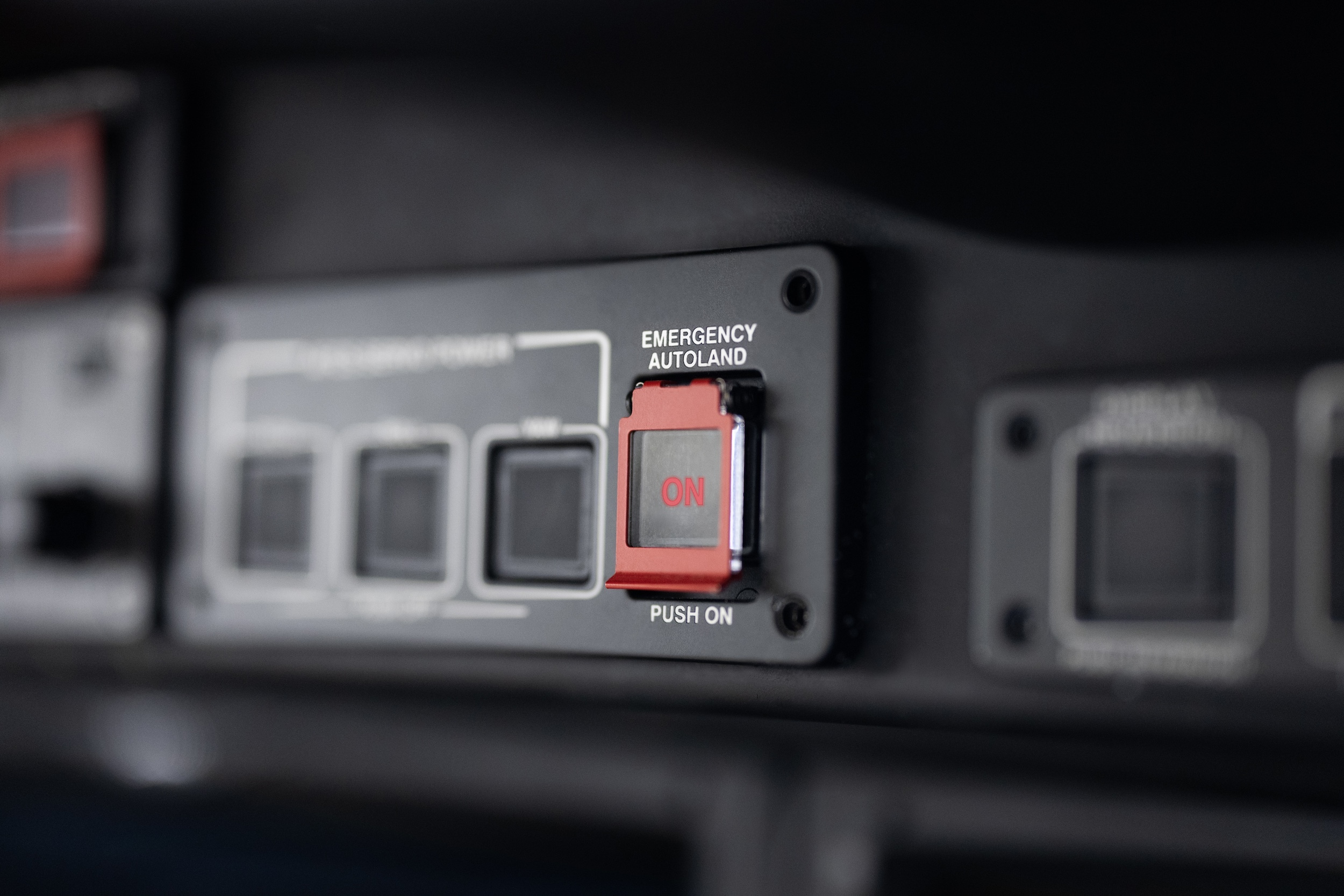
Core Points - Honda Aircraft Company has completed FAA certification flight testing for its Emergency Autoland system on the HondaJet Elite II, making it the first twin turbine very light business jet to feature this technology [1][2][6] - The Emergency Autoland system can autonomously land the aircraft in case the pilot becomes incapacitated, enhancing safety for operators [3][6] - The successful certification of the autothrottle system in October 2024 was a precursor to this achievement, demonstrating the company's commitment to technological innovation [4] Company Overview - Honda Aircraft Company is a subsidiary of American Honda Motor Co., Inc., focusing on the research, development, and manufacturing of the HondaJet Elite II [5] - The company has announced plans to develop the HondaJet Echelon, a new 11-occupant aircraft, which will complement the existing HondaJet Elite II [5] - Cumulative deliveries of HondaJets surpassed 250 globally in 2024, reflecting the company's growth and market presence [5]
Honda Launches All-New ProZision™ Lineup of Battery-Powered ZTR Lawn Mowers
Globenewswire· 2025-10-14 16:58
Core Insights - Honda Power Sports & Products has launched the ProZision™ lineup of battery-powered zero-turn-radius (ZTR) lawn mowers, featuring 54-inch and 60-inch models, including a 60-inch autonomous version, aimed at professional-level durability and cutting quality [1][7] Product Features - The ProZision™ mowers are designed to deliver clean, even, best-in-class cutting on the first pass, ensuring maximum comfort for operators and durability for owners [2][7] - The mowers utilize five 48-volt brushless electric motors and six lithium-ion batteries, featuring a 4.3-inch touchscreen for operational status and battery charge [4][19] - Advanced cutting systems include three MicroCut® Twin Blades for finer clippings and a durable steel chassis to enhance longevity [6][15] Operator Comfort - ProZision™ ZTRs feature full mower suspension and the Ideal Operator Position System (IOPS) for adjustable seating and controls, reducing vibration and operator fatigue [8][3] Autonomous Features - The ProZision™ Autonomous model can operate in manual or autonomous modes, utilizing GNSS for accurate route mapping and obstacle detection through radar and LiDAR sensors [11][16] - It includes a load control system to adjust mowing speed based on grass conditions, ensuring a professional cut quality [14][12] Market Positioning - The launch of the ProZision™ lineup aims to address workforce stability and operational cost controls in the landscaping industry, providing zero-emission options that complement existing gasoline-powered equipment [18][19] - Production will occur at Honda's facility in Swepsonville, North Carolina, with availability set for February 2026 for manual models and Summer 2026 for the autonomous version [19][7]
Honda Aircraft Company Becomes First Twin-Turbine Very Light Business Jet Manufacturer to Fly HondaJet on 100% Sustainable Aviation Fuel
Globenewswire· 2025-10-13 14:01
Core Insights - Honda Aircraft Company has successfully conducted a test flight of the HondaJet using a 100% blend of sustainable aviation fuels (SAF), marking it as the first twin-turbine very light business jet to achieve this milestone [1][2]. Company Developments - The test flight utilized a production-model HondaJet fueled with Hydroprocessed Esters and Fatty Acids Synthetic Paraffinic Kerosene (HEFA-SPK) and Hydrodeoxygenated Synthetic Aromatic Kerosene (HDO-SAK) [2]. - The engineering team at Honda Aircraft, in collaboration with GE Honda Aero, has been instrumental in this achievement, showcasing the feasibility of using 100% SAF blends [2][3]. - Honda Aircraft Company has been recognized for its commitment to sustainable aviation, having received Sustainable Flight Department Accreditation from the National Business Aviation Association (NBAA) in October 2024 [4]. Environmental Commitment - The successful test flight aligns with Honda's global goal of decarbonizing business activities by 2050, as stated by the Senior Vice President and Chief Commercial Officer of Honda Aircraft Company [4]. - The HondaJet design emphasizes fuel efficiency, achieving up to a 20% improvement in fuel economy compared to similar aircraft, which supports the company's sustainability initiatives [4]. Product Information - Honda Aircraft Company, a subsidiary of American Honda Motor Co., Inc., is responsible for the development and manufacturing of the HondaJet Elite II and is planning to introduce the HondaJet Echelon, an 11-occupant aircraft [5]. - Cumulative deliveries of the HondaJet surpassed 250 units globally by 2024, indicating strong market presence and demand [5].

Honda's grip on Vietnam motorbike market looks shaky on EV switch
Reuters· 2025-10-08 04:02
Core Insights - Honda's leading position in Vietnam's motorbike market is being challenged due to government initiatives promoting a swift transition to electric vehicles (EVs) [1] - The push for EVs is expected to benefit local manufacturer VinFast, which is positioned to capitalize on this shift [1] Industry Impact - The Vietnamese government is actively encouraging the adoption of electric vehicles, which may disrupt traditional motorbike sales dominated by Honda [1] - The transition to EVs aligns with global trends towards sustainability and reducing carbon emissions, potentially reshaping the automotive landscape in Vietnam [1] Company Implications - Honda may face increased competition from VinFast as the latter seeks to expand its market share in the emerging EV segment [1] - The shift towards electric mobility could necessitate strategic adjustments from Honda to maintain its market leadership in Vietnam [1]

Gov. DeWine, JobsOhio Welcome Honda Research Institute USA Expansion, Showcasing Ohio's Leadership in Automotive and Advanced Mobility Innovation
Globenewswire· 2025-10-07 12:05
Columbus, Ohio, Oct. 07, 2025 (GLOBE NEWSWIRE) -- Honda Research Institute USA, Inc. (HRI-US), Ohio Gov. Mike DeWine and JobsOhio today announced a $2.6 million investment to expand Honda’s advanced research presence in Ohio with a new Advanced Materials Science Lab on The Ohio State University SciTech Campus. This investment strengthens Ohio’s position as a global hub for mobility research, development, and manufacturing. The new HRI-US lab, scheduled to open in the fourth quarter of 2025, will support col ...

Tesla, GM lead record U.S. EV sales this year as federal incentives end
CNBC· 2025-10-03 14:57
Core Insights - Tesla and General Motors are leading the U.S. automotive industry in record domestic sales of all-electric vehicles, driven by consumer demand before the expiration of federal incentives of up to $7,500 [1][8] Sales Performance - U.S. sales of electric vehicles (EVs) exceeded 1 million units in the first nine months of the year, with a record quarterly sales of over 438,000 units in Q3, achieving a market share of 10.5% [2] - The market share increased from 7.4% in Q2 and 7.6% in Q1, indicating strong growth in the EV sector [3] Market Share Dynamics - Tesla retained its leadership position with a 43.1% market share through September, although this is a decline from 49% at the end of the previous year [4] - General Motors increased its market share from 8.7% at the beginning of the year to 13.8% by Q3, surpassing Hyundai Motor's combined share of 8.6% [4] - Ford's EV market share was reported at 6.6%, followed by Volkswagen at 5.4%, Honda at 4.6%, and BMW at 3.6% [6] Future Projections - GM anticipates leading the U.S. industry in EV market share growth in 2025, with a total of 144,668 EVs sold through September, representing 6.8% of its total U.S. sales [5] - Analysts predict a potential decline in EV sales following the end of federal incentives, with expectations of market share dropping to around 5% [10] Startup Performance - Despite overall sales growth, EV startups Rivian Automotive and Lucid Group maintain relatively small market shares, with Lucid under 1% and Rivian at 3% through September [7]



Honda Awards $100,000 to All Kids Bike to Launch Traffic Safety Education in Elementary Schools Nationwide
Globenewswire· 2025-10-02 16:00
Core Points - Honda has made a $100,000 contribution to All Kids Bike to support the Kindergarten PE Learn-to-Ride Program, aiming to teach bike riding and traffic safety skills to kindergarteners in communities near Honda operations [1][4] - The program will provide schools with a comprehensive curriculum, teacher training, and necessary equipment, including 24 Strider balance-to-pedal bikes and safety gear [2][6] - Over the next decade, the program is expected to teach more than 15,000 kindergarteners, promoting healthier and safer futures for children [5][8] Company Contributions - Honda's funding aligns with its commitment to support safe driving practices and community education, emphasizing the importance of traffic safety for young students [4][9] - The partnership with All Kids Bike reflects Honda's broader corporate social responsibility initiatives, which focus on education, mobility, and community engagement [9] Program Details - The All Kids Bike program includes an eight-lesson curriculum that combines practical riding experience with traffic awareness, using real traffic symbols and signals [3][6] - Each participating school will receive a Traffic Safety Kit to enhance the learning experience, helping children practice safe biking habits in a controlled environment [2][7] - The program has been implemented in over 1,700 schools across all 50 states, teaching more than 170,000 kids annually [8]