Freddie Mac

Search documents
JPMorgan's nationwide home price forecast hides a SunBelt full of pain. Watch out, Florida and Texas
Fortune· 2026-02-09 17:23
Core Viewpoint - The housing market is expected to see home prices remain flat in 2026, with a 0% growth forecast, as efforts to improve affordability have minimal impact [1] Supply and Demand Dynamics - A slight improvement in demand is anticipated to offset an increase in supply, leading to stable home prices [2] - The Federal Reserve's expected reduction in adjustable-rate mortgages may help buyers, despite the 30-year fixed rate remaining above 6% [2] - Homebuilders are likely to continue offering rate buydowns to reduce mortgage costs and clear unsold inventory [2] Price Trends - Home prices showed a 1.9% increase in November year-over-year, a decline from 4.8% growth in October [3] - Regions with significant supply growth during the pandemic, particularly the West Coast and Sun Belt, are experiencing price declines [4] - Texas home prices have decreased by 2.4% and Florida home prices by 5.1% year-over-year, reflecting market weaknesses [5] Market Supply Analysis - JPMorgan estimates a shortfall of approximately 1.2 million homes in the U.S., although this is lower than the consensus view due to recent supply growth [6] - Historical data indicates that housing completions have generally matched household formation over the past 30 years [6] Policy Impact - President Trump's proposed ban on institutional investors purchasing single-family homes is unlikely to significantly affect the market, as they represent only 1%-3% of transactions [8] - The ban could potentially tighten overall supply by limiting the entry of rental homes into the market [9] - Trump's directive for Freddie Mac and Fannie Mae to purchase up to $200 billion in mortgage-backed securities may only reduce rates by 10-15 basis points, which is minimal compared to the overall $14.5 trillion mortgage market [10] Builder Strategies - Many homebuilders are already offering mortgage rate buydowns of 100 to 200 basis points below prevailing rates, suggesting that further reductions in market rates may not significantly boost demand [11] - Trump's preference for rising home prices indicates a reluctance to implement measures that would lower them, as he believes that increased home values contribute to wealth [12][13]


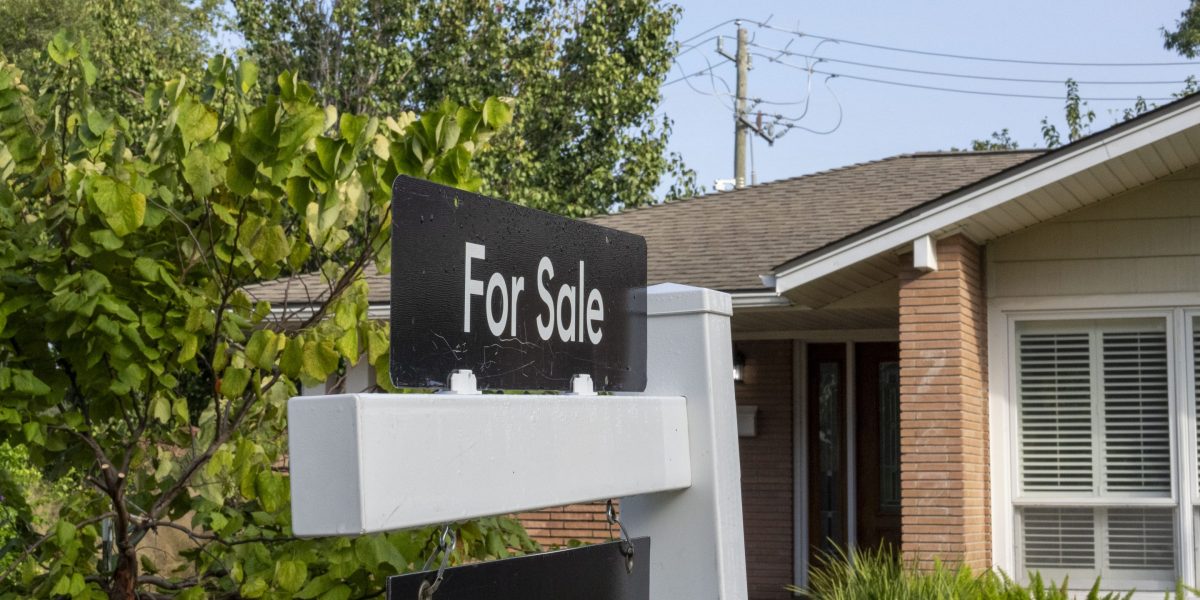
Which class of mortgage holder are you? Only 20% are in the elite pre-2022 camp
Yahoo Finance· 2026-02-09 16:55
The U.S. housing market has officially crossed a financial Rubicon, creating a distinct caste system among American homeowners. For the first time since the Federal Reserve began its aggressive rate hikes years ago, the share of homeowners paying steep mortgage rates above 6% now exceeds the elite class of borrowers holding on to rock-bottom rates below 3%. This milestone, identified by Realtor.com’s senior economic research analyst Hannah Jones on Jan. 14, marks a significant inflection point in the ho ...
Fannie, Freddie mortgage buying unlikely to drive rates
Risk.net· 2026-02-09 04:30
Core Insights - The GSEs (Fannie Mae and Freddie Mac) are no longer the dominant force in the mortgage-backed securities (MBS) market as they were before the 2008 financial crisis, with their retained portfolios now accounting for only about 3% of the outstanding market [9][12][24] - Recent instructions from former President Donald Trump to the GSEs to purchase $200 billion in MBSs may not significantly impact the rates market due to the reduced scale of their hedging activities compared to the past [15][16][17] - The GSEs' retained portfolios have increased to $272 billion as of December, up $93 billion (52%) from May, but this growth is still modest relative to the overall market size [7][23][24] Group 1: GSEs' Market Position - The GSEs held more than $1 trillion of MBSs before the financial crisis, representing roughly a third of the market, but have since reduced their holdings significantly [9][12][14] - The Federal Reserve and commercial banks now hold a combined total of approximately $4.7 trillion in MBSs, which is about half of the market [7][24] - The GSEs' hedging activities have diminished, leading to a lack of significant influence on the rates market as they no longer manage a substantial duration gap [14][27] Group 2: Recent Developments - The Federal Housing Finance Agency clarified that the GSEs would be the buyers of the MBSs, with the combined incremental purchases not exceeding $200 billion [8][15][23] - Analysts expect that while the GSEs' purchases may affect MBS spreads, they are unlikely to have a major impact on the Treasury market due to insufficient hedging [6][17] - The GSEs' current cash reserves and potential MBS purchases could offset the Federal Reserve's ongoing balance sheet runoff, which has led to a decline in MBS holdings [24][29] Group 3: Market Dynamics - Nearly half of homeowners currently have mortgages at rates of 3% or less, indicating that significant refinancing activity would require a substantial drop in rates [28][29] - The longer high rates persist, the greater the future refinance exposure becomes as new mortgages are issued at higher rates [29] - The GSEs' past strategies involved extensive hedging through interest rate derivatives and Treasuries, which created volatility in the market, a dynamic that is less pronounced today [12][26][27]
Mortgage and refinance interest rates today, February 7, 2026: Back under 6%
Yahoo Finance· 2026-02-07 11:00
Core Insights - The average 30-year fixed mortgage rate is currently at 5.95%, having recently dropped from above 6% earlier in the week [1][18] - Government-backed mortgages, such as VA loans, offer even lower rates, with the average 30-year VA loan at 5.48% [1][5] - Mortgage rates are expected to remain relatively stable, with forecasts suggesting a 30-year rate near 6.1% through 2026 [19] Current Mortgage Rates - Current national average mortgage rates include: - 30-year fixed: 5.95% - 20-year fixed: 5.99% - 15-year fixed: 5.43% - 5/1 ARM: 5.93% - 7/1 ARM: 5.95% - 30-year VA: 5.48% - 15-year VA: 5.18% - 5/1 VA: 4.94% [5] Mortgage Refinance Rates - Today's national average mortgage refinance rates are generally higher than purchase rates, although this is not always the case [3] Market Conditions - The current housing market is more favorable for buyers compared to the previous years, with home prices stabilizing and mortgage rates dropping since last year [16] - The best time to buy a house is when it aligns with individual circumstances rather than trying to time the market [17] Variability in Mortgage Rates - Mortgage rates can vary significantly based on the source reporting them, as different organizations compile rates using different methodologies [18] - Factors influencing mortgage rates include state, ZIP code, lender, and loan type, emphasizing the importance of shopping around [18] Future Rate Expectations - Overall, mortgage rates have been gradually decreasing since May of the previous year, with the 30-year fixed rate peaking over 7% in January 2025 before declining [20]
Mortgage and refinance interest rates today, February 6, 2026: Rates may drop in response to the jobs report
Yahoo Finance· 2026-02-06 11:00
Core Insights - Mortgage rates have seen minimal movement this week, with the average 30-year rate at 6.11% and the 15-year rate at 5.50%, both increasing by one basis point [1][13] - There is potential for interest rates to decrease in response to a poor job openings report, suggesting that it may be a good time for consumers to shop around for mortgage options [1] Current Mortgage Rates - The current national average mortgage rates include a 30-year fixed rate of 6.11% and a 15-year fixed rate of 5.50% [1][13] - Refinance rates are generally higher than purchase rates, although this is not always the case [3] Mortgage Rate Trends - Mortgage rates have generally fallen since the end of May and are significantly lower than a year ago, but economists do not expect drastic declines through the end of 2026 [12] - The Mortgage Bankers Association forecasts the 30-year mortgage rate to remain around 6.1% through 2026, while Fannie Mae predicts a similar rate near 6% for the next year [15] Adjustable vs Fixed Rates - Fixed-rate mortgages provide stability with a locked-in rate for the entire loan term, while adjustable-rate mortgages (ARMs) offer lower initial rates that can change after a set period [6][7] - Recent trends show that 5/1 and 7/1 ARMs have rates comparable to or higher than 30-year fixed rates, indicating the need for careful comparison when selecting mortgage options [11]
Mortgage rates tick higher but remain near 6%
Fox Business· 2026-02-06 01:07
Mortgage Rates - The average rate on the benchmark 30-year fixed mortgage increased to 6.11% from 6.10% last week, while a year ago it was 6.89% [1][4] - The average rate on a 15-year fixed mortgage rose to 5.5% from 5.49% last week [4] Market Sentiment and Economic Indicators - The recent stability in the 30-year fixed-rate mortgage is seen as a positive sign for buyers and sellers as the spring home sales season approaches [4] - The Federal Reserve's decision to leave interest rates unchanged has contributed to the marginal increase in mortgage rates, with attention on the nomination of Kevin Warsh as the next Fed chairman [5][6] Affordability and Economic Conditions - Home affordability is influenced by low inflation, a stable labor market, and wage growth, which enhances household purchasing power [9] - A credible Federal Reserve that effectively manages price stability and employment is essential for improving housing affordability over time [10]
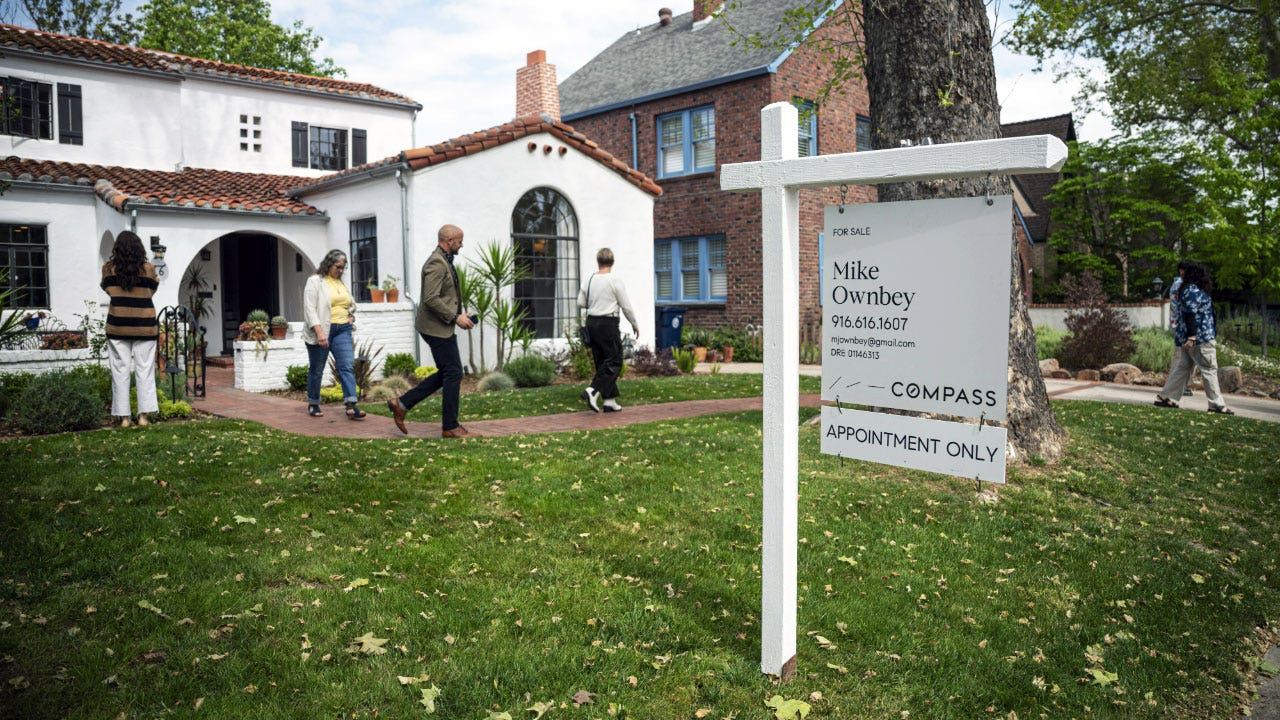
Mortgage rates nudge higher as markets stay jittery
American Banker· 2026-02-05 17:58
Core Viewpoint - Mortgage rates have increased following the Federal Open Market Committee's decision to maintain rates, with expectations for future rate changes remaining stable [1][8]. Mortgage Rate Trends - The 30-year fixed-rate mortgage rose to 6.11% as of February 5, which is 78 basis points lower than the same week last year [2]. - The 15-year fixed-rate mortgage increased to 5.5%, up from 5.49% the previous week, while the average for this week in 2024 was 6.05% [2]. - A significant rise in rates was noted by other trackers, with the 30-year FRM reported at 6.34%, which is 35 basis points higher than the previous week [7]. Economic Indicators - The 10-year Treasury yield, a benchmark for mortgage pricing, was stable around 4.27% during the first three trading days of February, slightly lower at 4.214% later in the week [4][5]. - Job creation was reported at 22,000 for the previous month, significantly below expectations, which may influence future Fed rate cuts [12][13]. Market Sentiment - Homebuyer sentiment indicates that 94% of potential buyers would alter their plans if mortgage rates do not drop below 6% this year, with two-thirds expecting rates under that threshold [8][9]. - The bond market sentiment is considered a critical factor influencing mortgage rates, potentially more so than Fed announcements [10]. Housing Market Dynamics - The combination of improved affordability and home availability is seen as a positive sign for the upcoming spring sales season [4]. - Homeowners are adjusting to slower demand and lower sale prices compared to the pandemic period, with buyers becoming more selective [12].

Average US long-term mortgage rate barely budges, holding near 6%
Yahoo Finance· 2026-02-05 17:07
Mortgage Rates Overview - The average long-term U.S. mortgage rate remains close to 6%, with the benchmark 30-year fixed rate mortgage rate at 6.11%, slightly up from 6.1% last week and down from 6.89% a year ago [1] - The 15-year fixed-rate mortgage rate increased to 5.5% from 5.49% last week, compared to 6.05% a year ago [2] Influencing Factors - Mortgage rates are influenced by the Federal Reserve's interest rate policy, bond market expectations for the economy and inflation, and generally follow the 10-year Treasury yield, which is currently at 4.21%, down from 4.23% a week ago [3] - The recent increase in mortgage rates follows the Fed's decision to pause interest rate cuts after three consecutive reductions, which aimed to support the job market [4] Housing Market Conditions - The U.S. housing market has been experiencing a sales slump since 2022 due to rising mortgage rates, high home prices, and a shortage of homes, resulting in sales of previously occupied homes at 30-year lows [5] - A pullback in mortgage rates that began late last summer contributed to a 5.1% increase in existing home sales in December, providing buyers with less competition and more property options [6] Buyer Trends - Nearly two-thirds of homebuyers last year paid less than the original list price, marking the highest share since 2019, indicating a shift in market dynamics [7] - Economists predict that mortgage rates will remain relatively stable, with expectations for the average 30-year mortgage rate to hover around 6% in the coming months [7]
Mortgage Rates Continue to Show Stability, Hovering Near 6%
Globenewswire· 2026-02-05 17:00
Core Insights - Freddie Mac's Primary Mortgage Market Survey indicates that the 30-year fixed-rate mortgage (FRM) averaged 6.11% as of February 5, 2026, showing a slight increase from the previous week when it was 6.10% [1][4] - The current 30-year FRM is significantly lower than a year ago, when it averaged 6.89%, indicating a year-over-year decrease in mortgage rates [4] - The 15-year FRM also saw a slight increase, averaging 5.50% compared to 5.49% the previous week, and is lower than the 6.05% average from a year ago [4] Market Context - Sam Khater, Freddie Mac's Chief Economist, noted that the low mortgage rates are contributing to improved affordability and availability of homes, which is a positive sign for both buyers and sellers as the spring home sales season approaches [2] - The PMMS focuses on conventional, conforming, fully amortizing home purchase loans for borrowers with excellent credit who make a 20% down payment [2]

Climate Risk, Processing, Construction, Credit Score Programs; IMB Topics; In-Person Events
Mortgage News Daily· 2026-02-05 16:31
Group 1: Industry Developments - Bed Bath & Beyond is acquiring Tokens.com to develop a blockchain-based investment and personal finance platform, integrating tools from tZERO and Figure for services like mortgages and renovation loans [1] - The IMB Conference highlighted that lenders must evolve beyond being mortgage-only shops, emphasizing the importance of servicing as a strategic advantage to strengthen trust and retention [5] - The conference agenda included discussions on regulatory and market outlook, consolidation trends, technology ROI, and strategic bets shaping the next cycle for independent mortgage bankers (IMBs) [8][9] Group 2: Technology and Innovation - Truework offers a comprehensive income and employment verification platform that automates verification processes for mortgage lenders, resulting in up to 50% cost savings [2] - The rise of AI tools among Gen-Z borrowers indicates a shift in trust away from traditional banks and loan officers, with trust in banks dropping from 61.5% to 40% and loan officers to 19.5% [2] - MCT's upcoming webinar on trending credit scores will explore how new credit data can influence risk evaluation and pricing strategies in capital markets [3] Group 3: Market Trends and Challenges - The frequency and severity of extreme weather events are increasing, leading to rising insurance premiums that have nearly doubled since 2014, impacting housing affordability and introducing credit risks [5] - Job cuts in the U.S. reached 108,435 in January, a 118% increase from the previous year, indicating potential economic challenges ahead [17] - The Bank of England and European Central Bank maintained their interest rates, reflecting a cautious approach amid broader economic uncertainties [16][17]