Abbott

Search documents
JPM26: Dexcom’s new CEO eyes international CGM markets for 2026 growth
Yahoo Finance· 2026-01-13 12:51
Core Insights - Dexcom's new CEO, Jake Leach, is focusing on international market growth as a key strategy for 2026 following strong FY25 revenues [1][4] - The company aims to leverage its US leadership in continuous glucose monitors (CGM) to expand access and coverage internationally [2][3] Financial Performance - Dexcom reported FY25 revenues of approximately $4.66 billion, representing a 16% increase from FY24 [4] - The company anticipates FY26 revenues could reach up to $5.25 billion [4] - Dexcom's market capitalization stands at $27.68 billion, with shares rising by 5.31% to $70.98 following the FY25 financial release [6] Market Position - In 2025, Dexcom held a 44.7% market share in the US CGM market, ranking second to Abbott, which had a 48.5% share [2] - Dexcom's market share in international regions such as Europe, APAC, and MEA is significantly lower compared to Abbott [2] Customer Growth - The company exited 2025 with approximately 3.5 million active customers, marking an increase of over 20% from 2024 [5] Future Developments - Dexcom plans to release randomized controlled trial results from a large non-insulin patient study in 2026, which is expected to support global expansion efforts [3] - The CGM market is projected to grow at a CAGR of 9.85%, reaching a valuation of $15.69 billion by 2035 [3] - The company is also working on the next-generation G8 CGM, although no launch timeline has been disclosed [7]
Investing in healthcare can be a win-win proposition
The Smart Investor· 2026-01-13 03:30
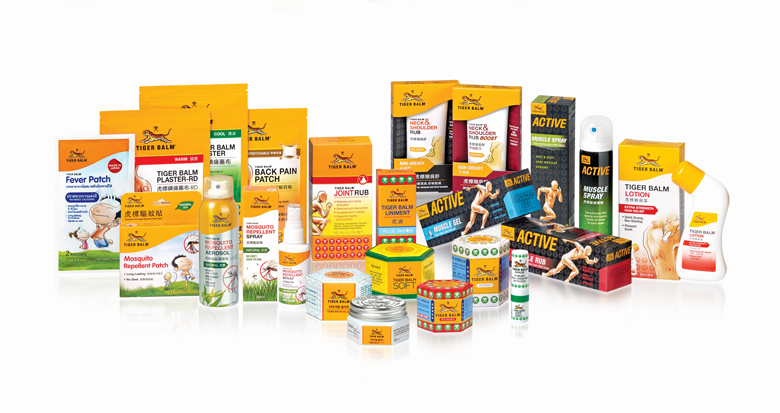
Core Insights - Investing in healthcare companies can provide both financial returns and ensure these companies are well-funded for future needs [1][2] - The rising demand for healthcare services, driven by increasing household wealth, is likely to lead to higher prices in the sector [3] - Many healthcare companies offer attractive dividends, making them appealing as income-producing assets [4] Company Highlights - GlaxoSmithKline (GSK) has evolved from a specialist in gastrointestinal ailments to one of the top 10 vaccine manufacturers globally, also focusing on drug-resistant superbugs [5] - GSK's spin-off of its Haleon consumer healthcare business allows shareholders to benefit from both segments, with Haleon focusing on oral healthcare and over-the-counter products [6] - Smith & Nephew has a strong presence in consumer healthcare, particularly in orthopaedics, which is expected to grow due to an aging population [7] - Abbott Laboratories offers a diverse range of products, including infant formula and diabetes management solutions, catering to various age groups [8] - Haw Par, known for its Tiger Balm brand, and Reckitt, with products like Nurofen, are also significant players in the consumer healthcare market [9] Market Trends - DFI Retail's shift from low-margin food retailing to focus on 7-Eleven and Guardian pharmacies highlights the higher revenue potential in regulated pharmacy businesses compared to supermarkets [10] - IHH Healthcare operates a large network of upscale hospitals, generating stable revenue, although cash flow can be inconsistent [12] - Parkway Life Real Estate Investment Trust, a major healthcare landlord in Asia, provides a reliable income source by managing hospitals and nursing homes [13] - Health insurance companies, such as AIA and Prudential, play a crucial role in risk management and can invest premiums to generate returns before claims are paid out [14][15] Industry Outlook - The healthcare industry is continuously evolving, with companies needing to adapt to changing consumer demands to remain relevant [15] - Many established healthcare companies have a long history of producing valued products, suggesting they are likely to endure for many more years [16] - A healthcare REIT has secured rental escalations until around 2042, indicating strong income visibility, which is rare in today's market [17]


Medtronic Diabetes announces FDA clearance for MiniMed Go™ Smart MDI system featuring Instinct sensor made by Abbott
Prnewswire· 2026-01-12 14:00
Core Insights - Medtronic has received FDA 510(k) clearance for its MiniMed Go™ Smart MDI system, which integrates insulin dosing and glucose data into a single app, aimed at improving diabetes management for individuals on multiple daily injections [1][2]. Product Overview - The MiniMed Go™ system combines the InPen™ smart insulin pen and Abbott's Instinct sensor, providing real-time glucose data, dose calculations, missed dose alerts, and actionable guidance [9]. - The system is designed for individuals aged 7 years and older with insulin-requiring type 1 and type 2 diabetes, and for children aged 2 to 6 under adult supervision [2]. Market Need - Over 15 million people globally rely on multiple daily injections for diabetes management, often facing challenges during mealtimes that can lead to diabetes distress [3]. - Missed boluses can significantly affect diabetes management, with just two missed doses a week potentially raising HbA1C levels by up to 0.4%, increasing the risk of complications [4]. Performance Data - Previous users of Medtronic's Smart MDI system experienced improvements in glycemic control, with Time in Range (TIR) increasing from 55.7% to 67.2% when responding to over 75% of missed dose alerts within an hour [5]. Company Vision - Medtronic aims to simplify diabetes management for individuals using injections by providing the benefits of automated insulin delivery systems, thereby reducing the burden of daily insulin dosing [6]. Features and Benefits - The MiniMed Go™ system includes missed dose alerts, a dose calculator for easier decision-making, action-oriented guidance for missed or miscalculated doses, and CareLink™ software for enhanced provider collaboration [7]. Launch Timeline - The commercial launch of the MiniMed Go™ system is expected to begin in the U.S. in the spring of 2026 [8]. Company Background - Medtronic is a leading global healthcare technology company focused on innovative solutions for various health conditions, including diabetes management, with a commitment to enhancing patient outcomes through advanced technology [12].


Nestle faces new baby formula contamination crisis, challenging CEO’s revamp plan
MINT· 2026-01-10 14:26
Core Viewpoint - Nestlé is facing a significant infant formula contamination crisis, which has expanded to over 50 countries, impacting its operations and financial outlook shortly after the new CEO, Philipp Navratil, took charge [1][2]. Product Recall and Financial Impact - Numerous products under brands such as BEBA, SMA, and Alfamino are being recalled due to the detection of cereulide, a toxin linked to nausea and vomiting, in an ingredient from a supplier [2][3]. - Analysts at Jefferies estimate a potential sales impact of up to 1.2 billion Swiss francs ($1.5 billion) as shares of Nestlé have dropped more than 4% since the recall began [3][16]. - The recall is described as the largest in Nestlé's history, affecting multiple production sites and raising concerns about consumer trust [12][16]. CEO's Challenges and Response - CEO Philipp Navratil, who took office with a commitment to transparency, is now managing this operational crisis while also implementing a plan to cut 16,000 jobs and improve company performance [4][10]. - The company has received thousands of inquiries from concerned parents, indicating the high level of public concern regarding the safety of infant formula [6]. Contamination Detection and Safety Standards - The detection of cereulide is complex and costly, making it difficult to manage once found in products [7][8]. - Food safety regulations in many countries enforce a zero-tolerance policy for cereulide, emphasizing the seriousness of the contamination issue [9]. Operational Adjustments and Future Plans - Nestlé has initiated thorough cleaning of affected facilities and is working to maintain formula supply while identifying new suppliers for contaminated ingredients [10][17]. - The company aims to refocus on increasing product volumes and free cash flow, while also enhancing advertising efforts to regain customer trust [10][11]. Market Context - The U.S. market, a significant segment for Nestlé, is not involved in the recall, providing some relief amid the crisis [15]. - The scale of the recall and the financial implications are larger than initially communicated, prompting calls for greater transparency from the company [16][17].

Abbott: Not Cheap, But Built To Compound In Uncertain Markets
Seeking Alpha· 2026-01-07 14:17
Core Insights - The portfolio manager is strengthening the defensive component of the portfolio in the current market phase, indicating a strategic shift towards more stable investments [1] - The focus is on earnings, technological disruption, policy shifts, and capital flows to identify mispriced opportunities before the market reacts [1] Company and Industry Analysis - The portfolio manager has over 10 years of experience in managing multi-asset strategies and equity portfolios at a European asset manager, highlighting a strong background in global markets [1] - The approach combines top-down macro analysis with bottom-up stock selection and real-time positioning using tools like Bloomberg [1] - Insights are shared on Seeking Alpha, where high-conviction ideas and contrarian views are presented, emphasizing a thorough breakdown of both growth and value stocks [1]

Sentinel Opportunity Fund I Closes Seventh and Eighth Acquisitions with Abbott Laboratories and V3 Engineering, Advancing a Diversified Portfolio Strategy
Accessnewswire· 2026-01-07 13:00
Core Viewpoint - The acquisition of two mission-critical commercial properties enhances the Company's presence in Illinois, where it already owns and manages three other properties [1] Group 1 - The Company announced the closure of acquisitions for two properties leased to Abbott Laboratories and V3 Engineering [1] - The acquisitions are part of the Company's strategy to strengthen its portfolio in the Illinois market [1]

The Zacks Analyst Blog Chevron, Lockheed, Northrop, CrowdStrike and Palo Alto
ZACKS· 2026-01-06 10:46
Core Viewpoint - The recent U.S. military action in Venezuela, which holds the world's largest proven oil reserves, has created significant geopolitical implications for global equity markets, particularly affecting sectors like defense, technology, and healthcare [2][3]. Energy Sector Impact - Venezuela possesses approximately 303 billion barrels of proven oil reserves, accounting for 17-18% of global oil reserves, but its crude production has fallen to below 2 million barrels per day from about 3.5 million barrels per day due to infrastructure issues and sanctions [4]. - The U.S. military intervention has renewed interest in Venezuelan crude flows, but analysts caution that any significant increase in production will require years of investment and political stabilization [5][6]. - Major U.S. energy companies like Chevron, which operates in Venezuela under a special license, have seen limited immediate impact from the situation, as Venezuelan operations contribute only a small portion to overall revenues [7]. Defense Sector Benefits - Defense stocks are expected to be the primary beneficiaries of heightened geopolitical tensions, as historical patterns show increased military spending during such periods [9]. - Companies like Lockheed Martin and Northrop Grumman are likely to benefit from long-term contracts and increased order backlogs due to the current geopolitical climate [10][11]. Technology Sector Dynamics - Technology stocks typically respond to geopolitical shocks through risk sentiment rather than direct revenue exposure, with initial pressure on high-value stocks [12]. - Over the medium term, companies like CrowdStrike Holdings and Palo Alto Networks may benefit from increased demand for cybersecurity solutions as security-driven spending rises [12]. Healthcare Sector Resilience - Healthcare equities tend to remain stable during geopolitical uncertainty due to the inelastic nature of demand, with pharmaceutical and medical device companies being less affected by conflicts [13]. - Large healthcare firms and those involved in medical readiness are expected to benefit as governments focus on biosecurity and supply-chain resilience during global instability [13]. Conclusion on Market Dynamics - The evolving geopolitical landscape suggests that defense stocks will benefit most directly, while select technology firms will gain over time through security-related demand, and healthcare will act as a stabilizing force in the market [14][15].


Abbott hosts conference call for fourth-quarter earnings
Prnewswire· 2026-01-05 21:30
Core Viewpoint - Abbott is set to announce its fourth-quarter 2025 financial results on January 22, 2026, before market opening, followed by a live webcast of the earnings conference call [1] Group 1: Financial Announcement - The financial results announcement will occur on January 22, 2026, before the market opens [1] - A live webcast of the earnings conference call will take place at 8 a.m. Central time (9 a.m. Eastern) [1] - The archived edition of the call will be available later that same day [1] Group 2: Company Overview - Abbott is a global healthcare leader with a focus on helping people live fully at all stages of life [2] - The company's portfolio includes technologies in diagnostics, medical devices, nutritionals, and branded generic medicines [2] - Abbott employs 114,000 colleagues and serves customers in over 160 countries [2]

Abbott Laboratories (NYSE:ABT) Targets Growth with Innovative Diabetes Management Feature
Financial Modeling Prep· 2026-01-05 21:04
Core Insights - Abbott Laboratories (NYSE:ABT) is a prominent global healthcare company recognized for its innovative medical devices, diagnostics, and nutritional products, competing with major players like Johnson & Johnson and Medtronic [1][5] - Evercore ISI has set a price target of $144 for Abbott, indicating a potential increase of approximately 16.16% from its current trading price of $123.97 [1][5] Product Innovation - The recent launch of the Libre Assist feature within Abbott's Libre app at CES 2026 utilizes artificial intelligence to assist individuals with diabetes in making informed food choices, predicting glucose level impacts from various foods [2][5] - This innovation is expected to enhance Abbott's market position and potentially drive stock growth [2][5] Stock Performance - The current stock price of ABT is $124.26, reflecting a slight increase of 0.05% or $0.07, with trading occurring between $122.50 and $124.30 on the day [3][5] - Over the past year, ABT has experienced a high of $141.23 and a low of $110.86, indicating volatility and growth potential [3][5] Market Capitalization - Abbott's market capitalization is approximately $216.27 billion, showcasing its significant presence in the healthcare sector [4][5] - The stock has a trading volume of 1,473,285 shares, indicating active trading and interest from investors [4]
Venezuela Shock 2026: Defense, Tech, Healthcare Stocks Set to Benefit
ZACKS· 2026-01-05 21:01
Core Insights - The U.S. military action to capture Venezuela has created significant geopolitical implications for global equity markets, particularly in the energy sector [1][10]. Energy Sector - Venezuela possesses the world's largest proven oil reserves at approximately 303 billion barrels, representing about 17-18% of global oil reserves, yet its crude production has plummeted to below 2 million barrels per day from 3.5 million barrels per day due to infrastructure issues and sanctions [3][4]. - The potential for increased Venezuelan crude exports to U.S. refineries exists, but analysts caution that any significant output recovery will require years of investment and political stabilization, rather than immediate supply increases [4][5]. - Chevron, the only major U.S. oil company operating in Venezuela, has limited exposure to the country's oil production, with its Venezuelan operations contributing only a small portion to overall revenues [6]. Defense Sector - Defense stocks are expected to benefit from heightened geopolitical tensions, as historical patterns show increased military spending during such periods [8][9]. - The recent U.S. intervention is likely to establish a higher baseline for defense spending, particularly in aerospace and surveillance, benefiting major defense contractors like Lockheed Martin and Northrop Grumman [9]. Technology Sector - Technology stocks typically respond to geopolitical shocks through risk sentiment rather than direct revenue exposure, with initial pressure on high-value stocks as investors shift to defensive sectors [11]. - Over the medium term, certain technology companies, such as CrowdStrike and Palo Alto Networks, may benefit from increased demand for cybersecurity solutions driven by heightened security concerns [11]. Healthcare Sector - Healthcare equities tend to remain resilient during geopolitical uncertainty due to the inelastic nature of demand, with pharmaceutical and medical device companies largely insulated from disruptions [12]. - Large healthcare firms, including Johnson & Johnson and Abbott, may benefit from increased government focus on medical preparedness and biosecurity during global instability [12]. Conclusion - The evolving geopolitical landscape suggests that defense stocks will see the most immediate benefits, while select technology firms may gain over time through security-related demand, and healthcare will continue to act as a stabilizing force in volatile markets [13][14].