
国网江苏电力

Search documents
连徐支队第五大队:开展“迎新春、护春运、情暖旅途”活动
Xin Lang Cai Jing· 2026-02-15 07:28
在"情满旅途,护航春运"背景展板前,队员们拉起横幅、设置服务台,开展"送春联、送祝福、送安 全"活动。几位书法爱好者挥毫泼墨,吸引过往司乘驻足观摩、纷纷参与。浓浓的墨香让人们感受传统 书法和春节文化的魅力。队员们向返乡群众送上春联、福字、文创小礼品和载有出行安全知识的提示 卡,还积极开展量血压爱心服务,让回家过年的旅程充满春节的喜庆和满满的幸福。 转自:扬子晚报 26年春节假期首日(2月15日),S69济徐高速公路迎来车流高峰。江苏省交通综合执法局连徐支队第 五大队(以下简称"第五大队")"高速雷锋车"携手敬安停车区"红马甲"组建志愿者服务队,开展迎新春 护航行动。 队员们忙碌的身影穿梭于车流和人流中间,维护停车区秩序。为防止停车区车辆拥堵、饱和溢出等问 题,队员们强化车辆疏导,完善引导指示标牌、优化停车位,提高停车区容纳能力;在停车区及其出入 口通过物理隔离实施交通渠化,适时开通服务区通道,畅通服务区"微循环",采取"潮汐式"停车管理; 通过推行"快吃快走、快加快走、快充快走"指引,大幅提升停车区中转效率。 为缓解电动车主排队充电焦虑,队员们联合国网江苏电力驻站服务人员开展"志愿者+专业化充电"服务 模式, ...


我国首个交直流混联跨江工程建成投产,这是世界首个多源换相直流输电工程
Yang Zi Wan Bao Wang· 2026-02-13 07:21
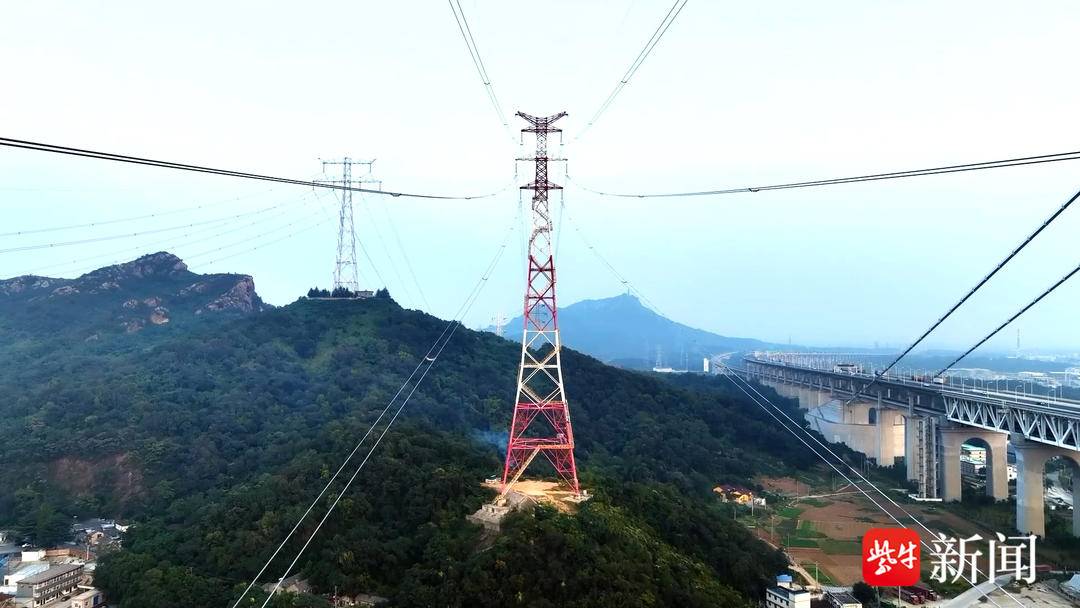
近年来,江苏能源转型步伐加快。江苏2025年全年新增发电量中新能源贡献占比超95%。由于约98%的 风电和超近70%的光伏装机分布在苏中、苏北地区,而近60%的用电负荷集中在苏南,电力资源呈 现"逆向分布"。"为促进新能源高效消纳,我们在现有交流电网中嵌入直流输电通道,构建交直流混联 电网。相较于纯交流电网,交直流混联电网可更灵活、远距离、大容量输送清洁电力,提升输电效率约 20%,有效缓解新能源发电与用电负荷之间的时空不平衡问题。"国网江苏电力建设部副主任刘晓东表 示。 截至目前,江苏已建成特高压"一交四直"、500千伏"七纵七横"主干网架,并投运国内首个"交流改直 流"嵌入式输电工程——扬镇直流一期工程。随着扬镇直流二期工程投运,江苏初步形成省域交直流混 联电网格局,"北电南送"输电能力提升至约2500万千瓦。 2月12日,我国首个交直流混联跨江工程——江苏扬州至镇江±200千伏直流输电二期工程(以下简称"扬 镇直流二期工程")建成投产。这是世界首个多源换相直流输电工程,将原有跨江输电能力提升3倍,为 我国乃至全球能源绿色转型提供经验。 扬镇直流二期工程线路全长约228公里,输电容量达120万千瓦,途经江 ...
电力迎峰度冬平稳有序
Jing Ji Ri Bao· 2026-02-05 22:11
受大范围寒潮天气影响,近期全国用电快速攀升。国家能源局最新数据显示,2026年全国用电负荷三创 冬季新高,冬季负荷首次突破14亿千瓦,最高达14.17亿千瓦,单日用电量首次在冬季突破300亿千瓦 时,能源保供工作进入关键时期。面对冬季能源电力需求高峰,保供保暖如何实现平稳有序? 用电负荷屡创新高 1月21日,江苏电网最高用电负荷攀升至1.37亿千瓦,创下冬季历史新高。这标志着江苏已连续6年成为 全国冬季用电负荷最高的省份。 "此次负荷峰值中,居民采暖及工商业供暖用电占比显著,约为总负荷的四分之一,低温天气是推动负 荷攀升的直接因素。连同持续向好的工业生产态势,共同构成了负荷走强的坚实基底。"国网江苏电力 调控中心调度运行处处长仇晨光说。 入冬以来,华北、西北、东北3个区域电网和新疆、西藏等14个省级电网负荷累计86次创历史新高。从 全国来看,今年电力迎峰度冬工作面临形势呈现两大特点:一是用电负荷屡创新高。1月4日,全国最大 电力负荷达到13.51亿千瓦,首创冬季负荷历史新高。1月18日以来,受大范围寒潮天气影响,全国电力 负荷快速攀升,3天内负荷增加1.5亿千瓦,相当于日本全年最大用电负荷;19日起连续两天创 ...
全国冬季用电负荷首破14亿千瓦
Ren Min Ri Bao· 2026-01-21 03:29
坚实网架基础是应对高峰负荷的重要支撑。在江苏,1月20日最高用电负荷攀升至1.35亿千瓦。"此 次负荷峰值中,居民采暖及工商业供暖用电占比约为1/4。江苏省内10项主干网工程在入冬前投运,提 升了电力输送与互济能力。"国网江苏电力调控中心调度运行处处长仇晨光介绍。通过跨区跨省中长期 交易等方式,江苏在高峰时段已落实外来电超过3000万千瓦,补充省内供应。 雨雪冰冻天气中,输电线路容易产生覆冰,威胁电网安全。多地电力部门借助技术创新,让高科技 装备成为破冰利器。 观冰"千里眼"上线。安徽电网在易覆冰通道部署了480余套"观冰精灵"、近100套气象类监测装置。 安徽送变电公司宁国运检站站长许翔介绍,"观冰精灵"可以监测导线倾斜角、覆冰情况,还具备导线测 温等功能,将数据实时传输到后台,实现不间断远程监控。 人民日报记者 丁怡婷 国家能源局发布的最新数据显示:1月20日,全国最大用电负荷首次在冬季突破14亿千瓦,达14.17 亿千瓦。受大范围寒潮天气影响,1月18日以来全国用电负荷快速攀升,3天内增加1.5亿千瓦,保暖保 供进入关键时期。 这已是今年用电负荷第三次创冬季新高。1月4日,全国最大用电负荷达到13.51 ...
人民日报丨全国冬季用电负荷首破十四亿千瓦
国家能源局· 2026-01-21 02:53
国家能源局发布的最新数据显示:1月20日,全国最大用电负荷首次在冬季突破14亿千瓦,达14.17亿千瓦。受大范围寒潮 天气影响,1月18日以来全国用电负荷快速攀升,3天内增加1.5亿千瓦,保暖保供进入关键时期。 这已是今年用电负荷第三次创冬季新高。1月4日,全国最大用电负荷达到13.51亿千瓦,首创冬季负荷历史新高。1月19日 最高达13.79亿千瓦、20日最高达14.17亿千瓦,连续两天再创冬季负荷新高。 今年以来,全国日用电量维持高位。1月5日,单日用电量首次在冬季突破300亿千瓦时,1月5日至7日、1月19日单日用电 量均超300亿千瓦时。 国家能源局"一省一策"部署做好应对举措,克服新能源出力大幅波动、雨雪冰冻灾害造成的设备故障等困难挑战,保障保 暖保供工作平稳有序。国家电网优化电网运行方式,利用跨区跨省输电通道,支援重点地区保暖保供。南方电网在冻雨多 发区增设覆冰监测装置,提前做好抢修物资盘点补充和抢修队伍前置等准备工作。 坚实网架基础是应对高峰负荷的重要支撑。在江苏,1月20日最高用电负荷攀升至1.35亿千瓦。"此次负荷峰值中,居民采 暖及工商业供暖用电占比约为1/4。江苏省内10项主干网工程在入 ...

全国冬季用电负荷首破十四亿千瓦
Ren Min Ri Bao· 2026-01-21 01:33
国家能源局发布的最新数据显示:1月20日,全国最大用电负荷首次在冬季突破14亿千瓦,达14.17亿千 瓦。受大范围寒潮天气影响,1月18日以来全国用电负荷快速攀升,3天内增加1.5亿千瓦,保暖保供进 入关键时期。 这已是今年用电负荷第三次创冬季新高。1月4日,全国最大用电负荷达到13.51亿千瓦,首创冬季负荷 历史新高。1月19日最高达13.79亿千瓦、20日最高达14.17亿千瓦,连续两天再创冬季负荷新高。 今年以来,全国日用电量维持高位。1月5日,单日用电量首次在冬季突破300亿千瓦时,1月5日至7日、 1月19日单日用电量均超300亿千瓦时。 国家能源局"一省一策"部署做好应对举措,克服新能源出力大幅波动、雨雪冰冻灾害造成的设备故障等 困难挑战,保障保暖保供工作平稳有序。国家电网优化电网运行方式,利用跨区跨省输电通道,支援重 点地区保暖保供。南方电网在冻雨多发区增设覆冰监测装置,提前做好抢修物资盘点补充和抢修队伍前 置等准备工作。 坚实网架基础是应对高峰负荷的重要支撑。在江苏,1月20日最高用电负荷攀升至1.35亿千瓦。"此次负 荷峰值中,居民采暖及工商业供暖用电占比约为1/4。江苏省内10项主干网工程 ...
江苏冬季用电负荷创历史新高,连续六年全国居首
Jiang Nan Shi Bao· 2026-01-20 12:11
Core Insights - Jiangsu's peak electricity load reached 135 million kilowatts on January 20, setting a new winter record and marking the sixth consecutive year as the province with the highest winter electricity load in China [1] - The continuous increase in electricity load over the past six years is attributed to steady economic growth, optimization of industrial structure, and the implementation of clean heating policies such as "coal-to-electricity" [1] - The residential and commercial heating electricity consumption accounted for approximately 25% of the total load, with low temperatures being a direct factor in the load increase [1] Group 1 - Jiangsu's electricity load curve has shown a steep upward trend, surpassing 100 million kilowatts in winter 2020 and stabilizing above 130 million kilowatts by winter 2025 [1] - The national electricity consumption is projected to exceed 10 trillion kilowatt-hours in 2025, reflecting ongoing energy demand growth [1] - Jiangsu's stable peak load management is indicative of the effective operation of the national power supply system, showcasing the resilience of modern energy infrastructure [1] Group 2 - In response to extreme weather and high load demands, Jiangsu's power supply has successfully withstood practical tests, with emergency responses activated during severe rain and snow [2] - Over 300 repair personnel and specialized vehicles were mobilized to address power outages in severely affected areas, ensuring reliable electricity supply for residents [2] - The province has conducted special inspections of power equipment and collaborated with government departments to manage tree hazards along power lines, enhancing the grid's structural integrity [2] Group 3 - Jiangsu has secured over 30 million kilowatts of external electricity supply during peak periods, providing crucial support for power balance [3] - The province's power supply remains stable, with ongoing quality services provided to the public even during adverse weather conditions [3] - The power company has deployed 800 personnel for maintenance during the snowstorm, ensuring the operational stability of 1,336 high-speed charging piles with a device integrity rate of over 99% [3]
我国首个 “交改直” 工程输送电量破百亿!国网镇江:相当于约300万户家庭一年的用电
Yang Zi Wan Bao Wang· 2026-01-16 02:58
Core Viewpoint - The first "AC to DC" transmission transformation project in China, the ±200 kV Yangzhou-Zhenjiang DC transmission phase I project, has successfully transmitted over 10 billion kilowatt-hours of electricity, significantly contributing to energy structure optimization and low-carbon development in the Yangtze River Delta region [1][3]. Group 1: Project Achievements - The project has delivered an electricity equivalent to the annual consumption of approximately 3 million households, replacing about 950,000 tons of standard coal and reducing carbon dioxide emissions by 2.55 million tons [1]. - Since its operation began in April 2024, the project has become a vital artery for the transmission of wind and solar energy from northern Jiangsu, enhancing the clean energy consumption capacity of the Jiangsu power grid [5]. Group 2: Technical Innovations - The project employs innovative "AC to DC" technology, increasing the transmission capacity from 500,000 kW to 1,200,000 kW, allowing for efficient and precise delivery of clean energy [5]. - The project has been operational for over 20 months, with an average daily transmission of approximately 25.5 million kilowatt-hours, alleviating the pressure on renewable energy output in northern Jiangsu [5]. Group 3: Future Developments - The phase II of the Yangzhou-Zhenjiang DC project is nearing completion and is expected to be operational by February this year, while the phase III is in the research phase, projected to be completed by 2028 [7]. - The State Grid Jiangsu Electric Power Company plans to develop additional "embedded" DC transmission projects, such as the Nantong to Suzhou cross-river DC transmission project, to further support integrated development in the Yangtze River Delta and contribute to the construction of a new power system [7].
我国首个交流改直流工程安全运行超20个月 超百亿千瓦时绿电跨江而来
Zhen Jiang Ri Bao· 2026-01-15 23:28
Core Insights - The first "AC to DC" project in China, the Yangzhou-Zhenjiang ±200 kV DC transmission first phase project, has delivered 10 billion kWh of renewable energy, equivalent to the annual electricity consumption of approximately 3 million households, replacing about 950,000 tons of standard coal and reducing CO2 emissions by 2.55 million tons, significantly supporting energy structure optimization and low-carbon development in the Yangtze River Delta region [1][2] Group 1 - The Yangzhou-Zhenjiang DC transmission project was initiated in December 2022 to address the insufficient transmission channels between renewable energy generation in northern Jiangsu and the load centers in southern Jiangsu [1] - The first phase of the project, operational since April 2024, has become a vital artery for the transmission of wind and solar energy across the Yangtze River, utilizing innovative "AC to DC" technology to increase transmission capacity from 500,000 kW to 1,200,000 kW [1] - The project has been running safely for over 20 months, with an average daily transmission of approximately 16 million kWh, effectively alleviating the transmission pressure from renewable energy-rich areas in northern Jiangsu [1] Group 2 - The second phase of the Yangzhou-Zhenjiang DC project is nearing completion and is expected to be operational by February [2] - The third phase is currently in the research phase, with an expected completion date in 2028 [2] - Future plans include the construction of additional "embedded" DC transmission projects, such as the Nantong to Suzhou DC transmission project, to contribute to the integrated development of the Yangtze River Delta and the establishment of a new power system [2]
2025年至2027年全国新能源利用率将不低于90%——提升电力系统调节能力
Jing Ji Ri Bao· 2026-01-14 08:13
Core Viewpoint - The National Development and Reform Commission and the National Energy Administration have issued an implementation plan aimed at significantly enhancing the power system's regulation capacity by 2027, supporting the reasonable consumption of over 200 million kilowatts of new energy annually from 2025 to 2027, with a national new energy utilization rate of no less than 90% [1][2]. Group 1: Current Challenges - The development of regulation resources in China faces challenges, including increased system consumption pressure due to an average annual increase of over 200 million kilowatts in new energy installations [2]. - Wind power utilization rate was 96.4% in the first ten months of 2024, down 0.7 percentage points year-on-year, while solar power utilization rate was 97.1%, down 1.2 percentage points year-on-year [2]. - There is a lack of coordinated optimization in regulation capacity construction, with existing regulation resources not being fully utilized, and the need for improved pricing and market mechanisms [2]. Group 2: Key Tasks in the Implementation Plan - The plan emphasizes the need to scientifically calculate the demand for regulation capacity based on the growth of new energy and utilization rate targets, clarifying the scale of flexible coal power transformation, gas power, hydropower, pumped storage, new energy storage, and other resources [3]. - It requires local energy authorities to develop regional regulation capacity construction plans to ensure the safe and stable operation of the power system and the reasonable consumption of new energy [3]. - The plan proposes improvements to the calling mechanism for regulation resources, including a tiered dispatch system that considers system needs, dispatch safety, and technical-economic factors [3]. Group 3: Market Mechanism Enhancements - A scientifically sound market mechanism is crucial for optimizing the allocation of various regulation resources and promoting the consumption of new energy [4]. - The plan emphasizes the improvement of peak and valley pricing mechanisms, encouraging regions to establish auxiliary service varieties based on local conditions and to enhance economic incentives for peak-valley price differences [4]. - It encourages the establishment of cross-provincial calling and trading mechanisms for adjustable resources on the load side, promoting a market mechanism oriented towards regulation effects [4].
