Teva Pharmaceutical Industries

Search documents
J&J Posts Innovative Medicine Growth in 2025 Amid Stelara Patent Loss
ZACKS· 2026-02-09 15:25
Core Insights - Johnson & Johnson (JNJ) has a diverse revenue stream in its Innovative Medicine division, with sales reaching $60.4 billion in 2025, reflecting a 5.3% operational growth and a 4.1% organic growth despite the loss of exclusivity for Stelara [1][10] Group 1: Sales Performance - The Innovative Medicine segment achieved over $15 billion in sales for three consecutive quarters in 2025, marking the first time it surpassed $60 billion in full-year sales [2] - Key products such as Darzalex, Tremfya, and Erleada contributed significantly to growth, with Darzalex sales increasing by 23.0% to $14.35 billion, Erleada by 19.2% to $3.57 billion, and Tremfya by 40.5% to $5.2 billion [6][9] - The decline in Stelara sales by 41.3% to $6.08 billion in 2025 due to its loss of exclusivity negatively impacted the segment's growth by 1110 basis points [4][5] Group 2: Future Outlook - J&J anticipates accelerated growth in the Innovative Medicine segment in 2026, driven by key products and new launches, with expected growth of 5% to 7% from 2025 to 2030 [7][9] - The company expects a more pronounced impact from new products in 2026, including Rybrevant and Caplyta, following approvals in 2025 [7] - However, the impact of generic competition is expected to intensify in 2026, particularly for Stelara, Simponi, and Opsumit as they lose patent protection [8] Group 3: Competitive Landscape - J&J operates in key areas of immunology and oncology, facing competition from major drugmakers such as Novartis, AstraZeneca, AbbVie, and Amgen [10][11] Group 4: Stock Performance and Valuation - J&J's stock has outperformed the industry, rising 55.6% over the past year compared to an 18.0% increase in the industry [12] - The company's shares are currently trading at a price/earnings ratio of 20.63, higher than the industry average of 18.76 and above its five-year mean of 15.65 [14] - The Zacks Consensus Estimate for 2026 earnings has increased from $11.48 to $11.54, indicating positive sentiment [16]


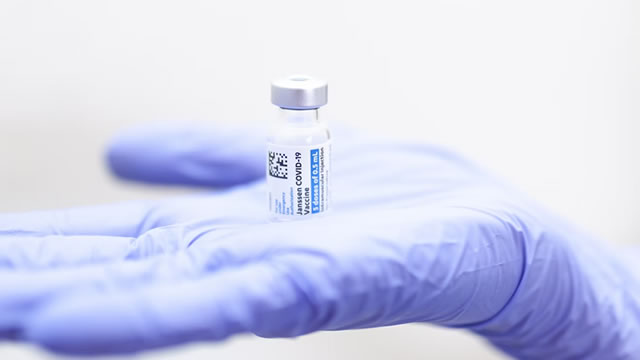
Teva Stock Is Jumping. Why Investors Are So Optimistic on the Drugmaker.
Barrons· 2026-01-12 15:46
Core Viewpoint - Teva Pharmaceutical Industries' stock experienced a 3% increase following the company's positive guidance and targets for the upcoming years [1] Company Summary - Teva Pharmaceutical Industries provided an optimistic outlook for its future performance, which contributed to the rise in its stock price [1]
Teva collaborates on skin disease treatment, releases targets
En.Globes.Co.Il· 2026-01-12 08:44
Group 1: Collaboration with Royalty Pharma - Teva Pharmaceutical Industries has entered into a collaboration with Royalty Pharma to jointly develop the anti-IL-15 antibody, TEV-408, for the treatment of vitiligo [2] - Royalty Pharma will invest $500 million in the development costs, including $75 million for a phase 2b study set to begin in 2026 [2] - If the trials are successful, Royalty Pharma has the option to invest an additional $425 million for phase 3 trials, and Teva will pay royalties on worldwide sales if the drug is launched [2] Group 2: Financial Forecasts - Teva's revenue guidance for 2025 is projected to be near the lower end of the range at approximately $16.8 billion, with EBITDA expected to be in the middle of the range at around $4.8 billion [4] - For 2026, sales are anticipated to be similar to or slightly lower than 2025, with low single-digit growth expected in 2027 and a mid single-digit compound annual growth rate from 2027 to 2030 [5] - Free cash flow is targeted to exceed $2.7 billion in 2027 and reach over $3.5 billion by 2030, with net leverage expected to fall below two times by 2027 [5] Group 3: Market Performance - Teva has a market capitalization of $36.7 billion, reflecting a 53% increase in its share price over the past year [6] - As of the latest trading session, Teva's share price increased by 0.96%, reaching NIS 105 [6]


J&J's Innovative Medicine Segment in Q4: Here's What to Watch
ZACKS· 2026-01-08 15:01
Core Viewpoint - Johnson & Johnson (JNJ) is set to announce its fourth-quarter and full-year 2025 results, with a focus on the performance of its Innovative Medicine segment, which includes various blockbuster therapies across multiple disease areas [1] Group 1: Sales Performance - The Innovative Medicine segment experienced a 3.4% organic sales growth in the first nine months of 2025, despite the loss of exclusivity for its multi-billion-dollar product, Stelara [2][10] - The segment recorded over $15 billion in sales for two consecutive quarters, indicating resilience despite the challenges posed by Stelara's loss of exclusivity [2] - JNJ anticipates growth in Q4 driven by increased sales of key products like Darzalex, Tremfya, and Erleada, alongside the rapid adoption of new drugs such as Carvykti and Tecvayli [3][10] Group 2: Competitive Landscape - The launch of several biosimilar versions of Stelara in 2025 has negatively impacted the Innovative Medicines segment's growth, contributing to a decline of 1070 basis points in Q3 [5] - Rising competition in the U.S. market, particularly from new oral therapies, is expected to adversely affect sales of Imbruvica [6] - The redesign of Medicare Part D under the Inflation Reduction Act is also impacting sales of several drugs, including Stelara and Imbruvica [6] Group 3: Future Outlook - Initial sales figures for JNJ's newly approved drug, Imaavy, are anticipated, as it was approved for treating generalized myasthenia gravis in the U.S. and EU [7] - The Innovative Medicines unit is projected to have a compound annual growth rate (CAGR) of around 5% over the next three years [7] Group 4: Competitive Positioning - JNJ's key areas of focus include immunology and oncology, with significant competition from other large drugmakers such as Novartis, AstraZeneca, and AbbVie in oncology, and AbbVie and Amgen in immunology [8] Group 5: Valuation and Performance - JNJ's shares have outperformed the industry over the past year, with a 45.9% increase compared to an 18.4% rise for the industry [11] - The company's shares are currently trading at a price/earnings ratio of 18.03, slightly above the industry average of 17.54 and its five-year mean of 15.65 [12]
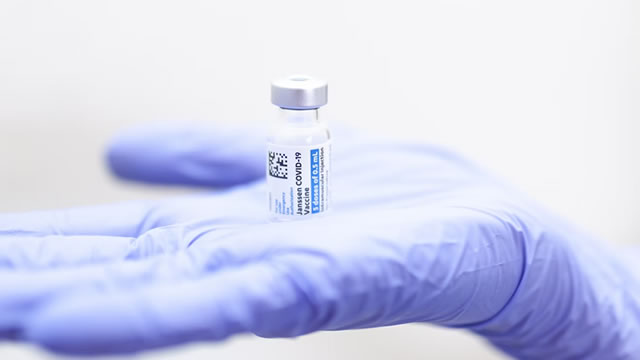
8MM Exanthema Market Report 2025-2034 | Rising Viral Infections and Diagnostic Innovations Across Major Markets Fueling Growth
GlobeNewswire News Room· 2025-07-23 08:11
Core Insights - The exanthema market was valued at USD 1.39 billion in 2024 and is projected to grow at a CAGR of 6.10% to reach USD 2.51 billion by 2034, driven by rising viral and bacterial infections and advancements in diagnostic methods [1][13]. Market Drivers - The growth of the exanthema market is primarily driven by the increasing incidence of viral and bacterial infections, leading to skin rashes and related diseases, with notable diseases including measles, rubella, and chickenpox [2]. - Improvements in healthcare facilities and infrastructure are encouraging more individuals to seek medical care, further propelling market growth [2]. - Innovations in diagnostic methods, such as molecular testing and serological assays, are significantly boosting demand in the exanthema market [3]. Initiatives Supporting Growth - National and international organizations are launching initiatives aimed at preventing exanthema, such as the IA2030 Measles & Rubella Partnership, which includes prominent entities like the CDC and WHO, contributing to increased market demand [4]. - The emergence of outbreaks, such as the recent surge in measles cases in Romania, has heightened the urgency for effective interventions, thereby increasing the demand for treatments and vaccinations [5][6]. Regulatory Developments - New FDA approvals, such as Merck's announcement regarding the intramuscular administration of MMRV family vaccines, are expected to enhance convenience and accessibility, thereby increasing market demand [7]. Competitive Landscape - Pfizer Inc. and BioNTech SE are exploring mRNA vaccine candidates against shingles, indicating ongoing innovation and competition within the exanthema market [8]. Regional Insights - The United States is leading the exanthema market, expected to dominate due to the largest patient pool and market for treatment [10].

Lexaria's DehydraTECH-Liraglutide Human GLP-1 Clinical Study Supports Pathway to Potential FDA Registration as an Orally-Delivered Capsule
Thenewswire· 2025-06-11 13:05
Core Insights - Lexaria Bioscience Corp. has successfully completed a human study comparing oral DehydraTECH-liraglutide to injected Saxenda®-branded liraglutide, with partial results now available [1][8] - The study demonstrated a 22.7% reduction in adverse events (AEs) for oral DehydraTECH-liraglutide compared to Saxenda®, with significant reductions in nausea (67%) and gastrointestinal AEs (31%) [3][4] - Lexaria is seeking a pharmaceutical partner to develop an FDA-registered oral alternative to current injectable GLP-1 drugs, addressing an unmet market need [2][10] Study Details - The study involved 10 overweight volunteers, comparing daily doses of Saxenda® (0.6 mg) and DehydraTECH-liraglutide (45 mg) over a 7-day period [13] - The primary endpoint was the evaluation of safety and tolerability, with secondary objectives including pharmacokinetics and effects on body weight, blood glucose, and insulin levels [16] - Weight loss was observed in 9 out of 10 participants in both study arms, although it was not the primary goal of the study [5] Technology and Market Context - DehydraTECH is a patented drug delivery technology that enhances bio-absorption and reduces side effects, with 48 patents granted and more pending [17] - The study's results suggest that DehydraTECH-liraglutide could provide a viable oral alternative to Saxenda® and other injectable liraglutide products, which generated significant revenue for Novo Nordisk [12] - Lexaria's approach may allow for an expedited FDA regulatory pathway under the 505(b)(2) application, contingent on demonstrating comparable performance to existing injectable versions [6][10]