
地区和平与安全

Search documents
伊朗与巴基斯坦高层连续通话
财联社· 2026-03-24 02:59
Core Viewpoint - Iran is committed to maintaining regional stability and security, opposing external interference, and aims to strengthen cooperation with neighboring countries [1] Group 1: Diplomatic Engagement - Iranian President Pezeshkian and Pakistani Prime Minister Shahbaz discussed the urgent need to de-escalate tensions in the Persian Gulf and emphasized diplomatic mediation [1] - Both leaders agreed on the importance of preventing their territories from being used for attacks against Iran [1] Group 2: Regional Cooperation - The Iranian Foreign Minister and the Pakistani Deputy Prime Minister also engaged in discussions, highlighting the necessity of dialogue and diplomatic means to promote peace, security, and stability in the region and beyond [1]

朝鲜强烈谴责美以
财联社· 2026-03-10 23:59
Group 1 - The core viewpoint of the article emphasizes North Korea's strong condemnation of the illegal military actions by the United States and Israel against Iran, which are seen as threats to regional peace and security [1] - North Korea expresses serious concern over the actions of the US and Israel, stating that such military interventions and attempts to undermine political systems should be universally condemned [1] - The article highlights that North Korea respects the rights of the Iranian people to choose their supreme leader, following the recent election of a new supreme leader in Iran [2]

伊朗最高领袖顾问赴阿曼讨论伊美谈判问题
Zhong Guo Xin Wen Wang· 2026-02-11 05:44
Group 1 - The meeting between Oman Sultan Haitham and Iranian National Security Council Secretary Larijani focused on the progress of negotiations between Iran and the United States, emphasizing the need for dialogue and a fair agreement for all parties involved [1] - Larijani acknowledged Oman's crucial role in facilitating dialogue between Iran and the U.S., stating that Iran has taken a positive stance in the first phase of negotiations, which has shown steady progress [1] - The second phase of negotiations has been confirmed but the date is yet to be announced, with experts suggesting that the length of the meeting between Haitham and Larijani could be a positive sign for future discussions [1] Group 2 - Israeli Prime Minister Netanyahu arrived in the U.S. and is scheduled to meet President Trump, who expressed hope for a successful agreement in the Iran-U.S. negotiations, which may include Iran's nuclear facilities and missile program [2] - Iran's Foreign Ministry spokesperson urged the U.S. not to be influenced by Israel during the negotiations, labeling Israel as a major contributor to regional insecurity and opposing any diplomatic efforts towards peace [2]
伊朗总统与沙特王储通电话 讨论地区局势
Yang Shi Xin Wen· 2026-01-27 16:53
Core Viewpoint - The conversation between Iranian President Pezeshkian and Saudi Crown Prince Mohammed emphasizes the need for regional stability and cooperation against external threats, particularly from the US and Israel [1] Group 1: Iran's Position - President Pezeshkian accused the US and Israel of directly intervening in recent unrest in Iran, claiming their actions aim to destabilize the region [1] - He expressed confidence in the unity of Islamic countries to ensure long-term security and peace in the region, highlighting Saudi Arabia's significant role in this process [1] - Pezeshkian reiterated Iran's readiness to engage in peace processes that respect national sovereignty and people's rights under international law [1] Group 2: Saudi Arabia's Stance - Crown Prince Mohammed stated that any threats or tensions directed at Iran are unacceptable to Saudi Arabia [1] - He indicated Saudi Arabia's willingness to collaborate with Iran and other regional nations to establish lasting peace and security [1]
特朗普再发威胁,直指委代总统和“其他一些国家”!委防长:全面战备!马杜罗之子发声
Guo Ji Jin Rong Bao· 2026-01-05 00:55
Group 1 - The U.S. President Trump issued a threat to Venezuelan Vice President Rodriguez, stating that she could face heavier consequences than President Maduro if she does not act correctly [1] - Trump hinted at potential U.S. interventions in other countries, emphasizing the need for Greenland [1] - Nicolás Maduro Guerra, son of President Maduro, called for national unity and mobilization to defend sovereignty, claiming that history will reveal who the traitors are [1] Group 2 - Six countries, including Colombia, Brazil, Chile, Mexico, Uruguay, and Spain, expressed serious concerns over unilateral military actions in Venezuela, calling it a dangerous precedent for regional peace and security [2] - The joint statement emphasized that military actions violate international law and the principles of the UN Charter, advocating for a peaceful resolution led by the Venezuelan people without external interference [2] - The statement urged regional unity to address actions that threaten stability and called for the UN Secretary-General and relevant multilateral mechanisms to mediate and contribute to peace [2] Group 3 - China's Foreign Ministry expressed serious concern over the U.S. forcibly controlling President Maduro and his wife, stating that such actions violate international law and the UN Charter [3] - China called for the U.S. to ensure the safety of Maduro and his wife, release them immediately, and stop efforts to overthrow the Venezuelan government [3] - The U.S. launched a large-scale military operation against Venezuela, forcibly taking control of President Maduro and his wife, with Trump declaring that the U.S. would "manage" Venezuela until a "safe" transition occurs [3]
哥伦比亚等六国:美突袭委内瑞拉是“极其危险的先例”
Yang Shi Xin Wen· 2026-01-05 00:48
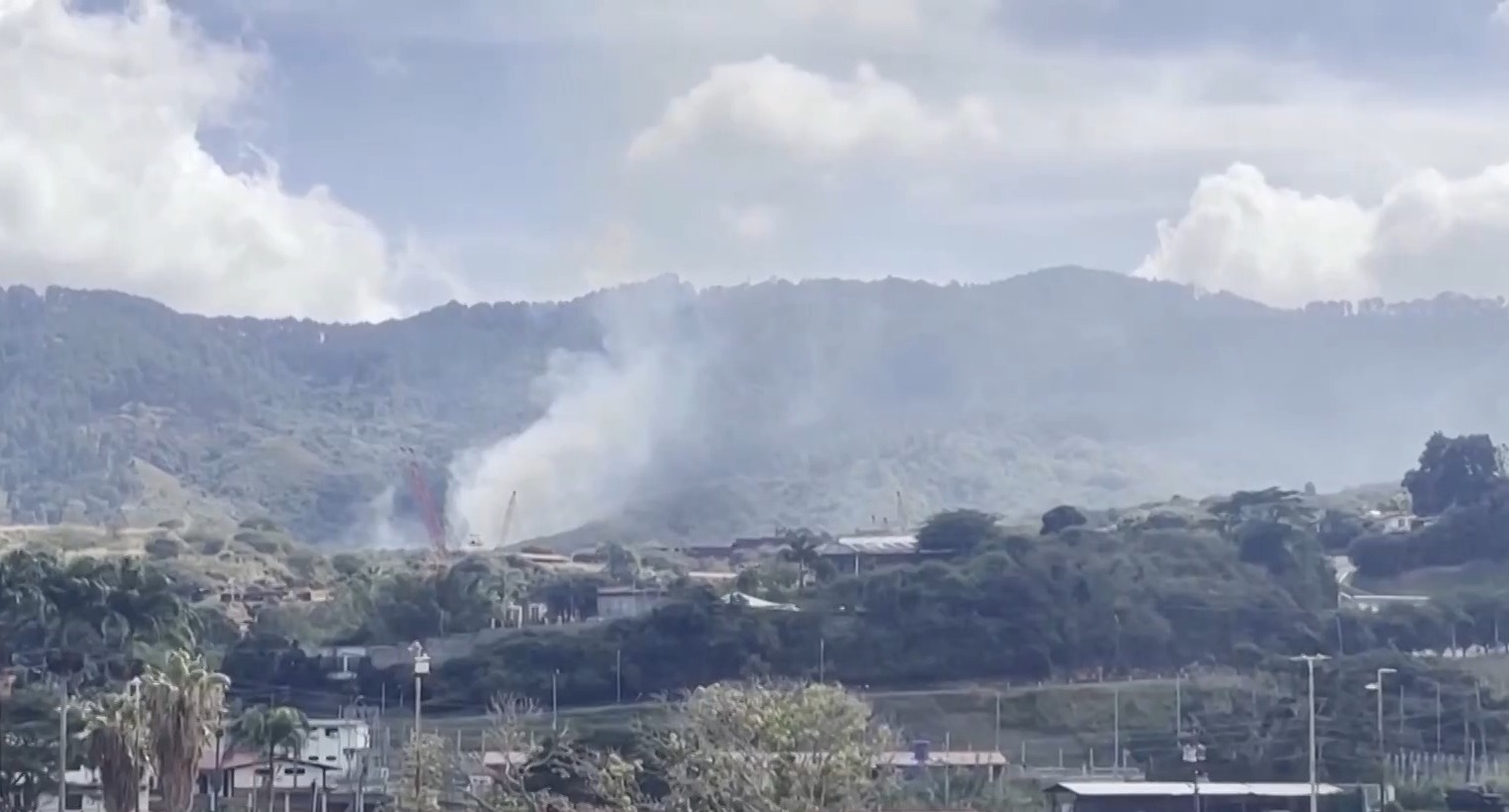
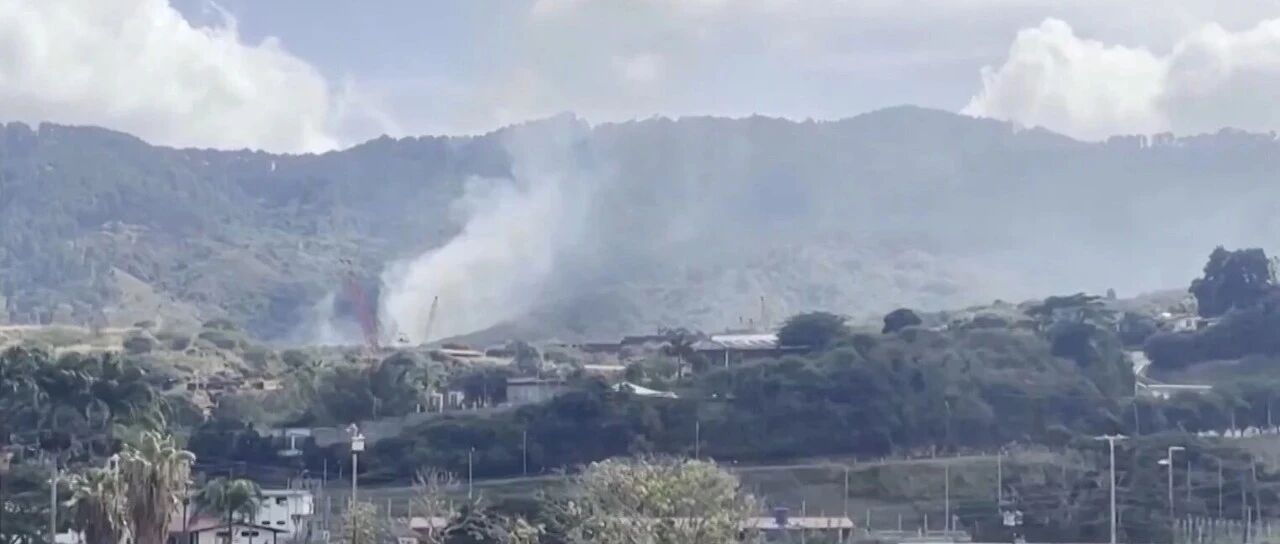
Group 1 - The core viewpoint of the article is that the governments of Colombia, Brazil, Chile, Mexico, Uruguay, and Spain express strong opposition to unilateral military actions against Venezuela, emphasizing the need for dialogue and negotiation to resolve the crisis peacefully [1] - The six countries believe that such military actions violate international law and the fundamental principles of the United Nations Charter, insisting that the situation in Venezuela must be resolved through peaceful means led by the Venezuelan people without external interference [1] - The statement highlights the nature of Latin America and the Caribbean as a zone of peace, urging regional countries to transcend political differences and unite to address any actions that threaten regional stability, while calling for the UN Secretary-General and relevant multilateral mechanisms to mediate and contribute to easing tensions and maintaining regional peace [1] Group 2 - On January 3, the United States launched a large-scale military operation against Venezuela, targeting areas in the capital Caracas and forcibly detaining President Maduro and his wife, taking them to the United States [1] - Following the attack on a military base in southern Caracas, smoke was seen rising from the site, indicating the intensity of the military actions [2]
六国发表联合声明
中国能源报· 2026-01-05 00:42
Group 1 - The core viewpoint of the article is that the unilateral military action by the United States against Venezuela has created an "extremely dangerous precedent" for regional peace and security, as expressed in a joint statement by six countries including Colombia, Brazil, Chile, Mexico, Uruguay, and Spain [3] - The six countries strongly oppose such military actions, emphasizing the need for dialogue and negotiation to peacefully resolve the crisis in Venezuela [3] - The statement highlights that these military actions violate international law and the fundamental principles of the United Nations Charter, advocating for a peaceful resolution led by the Venezuelan people without external interference [3] Group 2 - The article mentions that the situation in Venezuela must be addressed through peaceful means, with a call for regional unity to counter any actions that threaten regional stability [3] - It urges the United Nations Secretary-General and relevant multilateral mechanisms to play a mediating role in easing tensions and contributing to the maintenance of regional peace [3] - The article reports that on January 3, the U.S. launched a large-scale military operation against Venezuela, targeting locations in the capital Caracas and forcibly detaining President Maduro and his wife [3]
哥伦比亚、巴西、智利、墨西哥、乌拉圭、西班牙,联合声明
中国基金报· 2026-01-05 00:31
Group 1 - The core viewpoint of the article emphasizes the concern of six governments regarding unilateral military actions in Venezuela, which they believe set a "dangerous precedent" for regional peace and security [2] - The six countries, including Colombia, Brazil, Chile, Mexico, Uruguay, and Spain, oppose military intervention and advocate for a peaceful resolution through dialogue and negotiation [2] - The statement highlights the necessity of resolving the Venezuelan situation through peaceful means, led by the Venezuelan people, without external interference and in compliance with international law [2] Group 2 - The article mentions that the six nations call for regional unity to address any actions that threaten regional stability, urging the UN Secretary-General and relevant multilateral mechanisms to play a mediating role [2] - It reports that the United States launched a large-scale military operation against Venezuela, targeting the capital Caracas and forcibly detaining President Maduro and his wife [2]
哥伦比亚、巴西、智利、墨西哥、乌拉圭、西班牙发表联合声明
财联社· 2026-01-04 23:59
Group 1 - The core viewpoint of the article emphasizes the concern of Colombia, Brazil, Chile, Mexico, Uruguay, and Spain regarding unilateral military actions against Venezuela, which they believe set a "dangerous precedent" for regional peace and security [1] - The six countries call for a peaceful resolution to the Venezuelan crisis through dialogue and negotiation, asserting that such military actions violate international law and the fundamental principles of the United Nations Charter [1] - The statement highlights the importance of Latin America and the Caribbean as a zone of peace, urging regional countries to unite beyond political differences to address actions that threaten regional stability [1] Group 2 - The article reports that the United States launched a large-scale military operation against Venezuela, targeting the capital Caracas and forcibly detaining President Maduro and his wife, taking them to the United States [2]

巴西等六国联合声明:反对美国对委实施单边军事行动
Zhong Guo Xin Wen Wang· 2026-01-04 23:56
Core Viewpoint - Six countries, including Brazil, Mexico, Chile, Colombia, Uruguay, and Spain, oppose unilateral military actions by the United States against Venezuela, emphasizing the need for dialogue and negotiation to resolve the crisis peacefully [1][2]. Group 1: Opposition to Military Action - The joint statement expresses deep concern over unilateral military actions in Venezuela, which are seen as creating a "dangerous precedent" for regional peace and security [1]. - The six countries reaffirm their commitment to the principles established by the United Nations Charter, particularly regarding the prohibition of the use or threat of force and respect for national sovereignty and territorial integrity [1]. Group 2: Call for Peaceful Resolution - The statement emphasizes that the situation in Venezuela can only be resolved through peaceful means, advocating for dialogue and negotiation without external interference [2]. - It highlights the importance of respecting the will of the Venezuelan people in various forms of expression [2]. Group 3: Regional Stability and Cooperation - The six countries reaffirm the nature of Latin America and the Caribbean as a "zone of peace," based on mutual respect, peaceful dispute resolution, and non-intervention principles [2]. - The statement calls for countries to transcend political differences and strengthen regional unity to address any actions that threaten regional stability [2]. Group 4: Concerns Over Resource Control - The statement expresses concern over any attempts to exert government control or external occupation of natural or strategic resources, which are deemed inconsistent with international law and a threat to political, economic, and social stability in the region [2].