
快递包装绿色化

Search documents
互联网科技包装近期股价波动,基本面承压,行业面临挑战
Xin Lang Cai Jing· 2026-02-12 18:47
最新财报显示,公司营业收入25.60百万美元,净利润亏损1.45百万美元,每股收益-0.11美元,市盈率 为负值。目前暂无机构覆盖或给出投资评级。 2025年12月底,该股出现两次快速下跌:12月29日股价跳水7.58%,12月31日再度下跌5.01%。成交量 均处于低位,换手率不足0.03%,显示流动性较弱。 公司基本面 来源:经济观察网 行业政策与环境 经济观察网 互联网科技包装(ITP.us)近期未披露新的重大未来事件,但其已发生的情况可能对股票产 生持续影响。 股票近期走势 公司所属的纸制品行业整体表现疲软。同时,快递包装绿色化政策持续推进,可能对传统包装企业带来 长期转型压力。 以上内容基于公开资料整理,不构成投资建议。 ...

互联网科技包装近期股价波动,基本面承压,行业面临转型压力
Jing Ji Guan Cha Wang· 2026-02-11 22:01
经济观察网截至2026年2月12日,基于公开信息,互联网科技包装(ITP.us)近期未披露新的重大未来事 件。但根据其最新动态,以下已发生的情况可能对股票产生持续影响,值得关注: 2025年12月底,该股出现两次快速下跌:12月29日股价跳水7.58%,12月31日再度下跌5.01%。成交量 均处于低位,换手率不足0.03%,显示流动性较弱。 公司所属的纸制品行业整体表现疲软。同时,快递包装绿色化政策持续推进,可能对传统包装企业带来 长期转型压力。 公司基本面 以上内容基于公开资料整理,不构成投资建议。 最新财报显示,公司营业收入25.60百万美元,净利润亏损1.45百万美元,每股收益-0.11美元,市盈率 为负值。目前暂无机构覆盖或给出投资评级。 股票近期走势 行业政策与环境 ...
更好服务保障民生
Xin Lang Cai Jing· 2026-02-08 18:30
Core Viewpoint - The development of rural logistics and postal services in China is significantly improving access to e-commerce and enhancing the quality of life for rural residents, with a focus on building a comprehensive delivery system by 2025 and beyond [2][3]. Group 1: Rural Logistics Development - The establishment of 460 village-level express delivery stations in Shache County has made it easier for residents to access e-commerce services, facilitating the distribution of local products like red dates and almonds to national markets [1]. - The State Post Bureau aims to increase the proportion of villages with delivery service stations to 80% by 2025, enhancing the delivery capabilities in rural areas [2]. Group 2: Regulatory and Environmental Initiatives - The revised "Interim Regulations on Express Delivery" will take effect in June 2025, focusing on improving packaging standards and promoting green, reduced, and recyclable packaging practices [2]. - The industry aims for a packaging standardization rate of 86.8% and the recycling of over 1 billion cardboard boxes by 2025 [2]. Group 3: Service Quality and Public Welfare - The State Post Bureau plans to address issues such as illegal charges for mail collection in rural areas by 2026, implementing a dynamic governance mechanism to eliminate such practices [3]. - Initiatives will include enhancing supervision of rural mail delivery services, ensuring compliance from express delivery companies, and improving public service levels in rural regions [3]. - The postal management department is committed to meeting the growing demand for postal services, aiming for more convenient, widespread, and high-quality services [3].
更好服务保障民生!邮政快递业持续做好这些民生实事
Xin Hua Wang· 2026-01-30 13:05
Core Viewpoint - The postal and express delivery industry in China is enhancing its services to better meet the needs of rural communities, focusing on building a comprehensive logistics system and improving service quality [2][3]. Group 1: Rural Logistics Development - The establishment of village-level express delivery stations has significantly improved convenience for rural residents, with 460 stations built in Shache County over six years [1]. - The national postal authority aims to increase the proportion of villages with comprehensive logistics service stations to 80% by 2025 [2]. - The new express delivery regulations set to take effect in June 2025 will promote green packaging and standardization in the industry [2]. Group 2: Service Quality and Standards - By 2025, the industry aims for a packaging standardization rate of 86.8% and the recycling of over 1 billion cardboard boxes [2]. - Continuous improvements in service quality are expected to reduce user complaints and enhance the overall customer experience [2][3]. - The postal authority plans to implement a long-term governance mechanism to eliminate illegal charges for mail and package collection in rural areas by 2026 [3]. Group 3: Future Initiatives - The postal authority will conduct special pilot projects in rural areas to improve mail delivery services and ensure compliance from express delivery companies [3]. - Ongoing training and skill enhancement programs for postal workers will be prioritized to support high-quality industry development [3]. - The postal management department emphasizes the importance of meeting the growing demands of the public for convenient and high-quality postal services [3].
国家邮政局:“十四五”时期快递包装绿色化、减量化、可循环水平持续提升
智通财经网· 2025-12-25 05:47
Core Viewpoint - The State Post Bureau of China reported significant advancements in the green and low-carbon development of the postal industry during the 14th Five-Year Plan period, focusing on sustainable practices in express packaging [2][3]. Group 1: Green Development Achievements - The entire industry has achieved near-complete coverage of electronic waybills and reusable transit bags, with a packaging standardization rate of 86% [3][4]. - There has been a reduction of over 50% in the number of layers of packaging boxes and the thickness of packaging bags, along with a 25% reduction in tape width [3][4]. - Smart packing algorithms have led to a nearly 20% reduction in material consumption, and the proportion of reusable packaging in same-city express deliveries has reached 10% [3][4]. - Over 800 million recycled and reused boxes are reported annually [3][4]. Group 2: Regulatory and Policy Framework - The postal industry has developed a comprehensive regulatory framework, including 3 laws, 15 standards, and 9 policies that align with green principles [4]. - The system features a complementary relationship between laws and regulations, national and industry standards, and coordination between central and local policies [4]. Group 3: Technological Innovations and Infrastructure - The industry has seen the emergence of new technologies and recycling scenarios, with applications of lightweight tape and reduced-size waybills becoming widespread [4][5]. - The total area of photovoltaic installations across the industry is 4.48 million square meters, with over 4,300 high-speed security machines and more than 1,000 green distribution centers [4][5]. - The number of new energy and clean energy vehicles has exceeded 75,000 [4][5]. Group 4: Future Directions - The postal industry aims to continue its green transformation by leveraging technology and optimizing models, focusing on carbon reduction across all logistics stages [5][6]. - Future efforts will include enhancing collaboration across the supply chain, promoting green buildings, smart devices, and integrated carbon reduction strategies [5][6].
让快递包装“瘦下去”“绿起来” 我们在行动
Yang Shi Wang· 2025-08-25 00:27
Core Viewpoint - The rapid growth of China's express delivery industry, which has reached 175 billion packages in the past year, poses significant environmental challenges due to packaging waste. The newly revised "Express Delivery Temporary Regulations" emphasizes "green energy-saving" as a development principle, aiming for green, reduced, and recyclable packaging solutions [1][3]. Group 1: Environmental Challenges and Regulations - China's express delivery volume has been the highest globally for several years, with 1750.8 billion packages delivered last year, and this year's milestone was reached 35 days earlier than last year [1]. - The revised regulations incorporate "green energy-saving" as a principle for the express delivery industry, establishing goals for green, reduced, and recyclable packaging [1][3]. - The environmental impact of packaging waste is significant, with an estimated 1.8 million tons of plastic waste generated annually in China [1]. Group 2: Innovations in Packaging - New packaging solutions, such as the fresh-keeping box using gas adjustment technology, can maintain freshness without ice packs, reducing costs and environmental impact [1][3]. - The new fresh-keeping box reduces the volume by approximately 80% compared to traditional foam boxes and can be recycled after use [3]. - The use of biodegradable materials and recycled content in packaging is being promoted, with over 100 million biodegradable bags already in use [3][4]. Group 3: Cost and Efficiency - The cost of green packaging materials is currently 2 to 3 times higher than traditional options, but there is a trend of decreasing costs as production scales up [4]. - The implementation of circular packaging solutions is still low, with daily usage rates below 1%, indicating significant potential for improvement [4][5]. - Companies are focusing on optimizing packaging design and processes to reduce material usage, with one logistics company reporting a 1.2 million ton reduction in paper usage through redesign [7]. Group 4: Industry Collaboration and Consumer Involvement - The government is encouraging collaboration between express delivery companies and e-commerce businesses to promote direct shipping methods that reduce packaging layers [7][9]. - A nationwide packaging recycling network is being established, incentivizing consumers to participate in recycling efforts [5][9]. - The overall transformation towards greener packaging requires a collective effort from the government, businesses, and consumers to create a sustainable ecosystem [9].
焦点访谈|让快递包装“瘦下去”“绿起来” 我们在行动
Yang Shi Wang· 2025-08-18 13:22
Core Insights - The express delivery industry in China has seen a significant increase in business volume, reaching 1750.8 billion packages last year, with the time to surpass 1 billion packages this year being 35 days earlier than last year [1] - The new revised "Express Delivery Interim Regulations" incorporates "green energy-saving" as a principle for the development of the express delivery industry, establishing goals for green, reduced, and recyclable packaging [1] Environmental Challenges - The rapid growth of the express delivery sector has led to substantial environmental challenges, particularly from packaging waste such as cardboard boxes, foam boxes, and plastic fillers [1][5] - China generates approximately 1.8 million tons of plastic waste annually, necessitating a transition to greener packaging solutions [5] Innovations in Packaging - New packaging technologies, such as the modified atmosphere packaging (MAP) boxes, are being tested to maintain the freshness of perishable goods without the use of ice packs, thus addressing both cost and environmental concerns [3][5] - The new fresh-keeping boxes reduce volume by about 80% compared to traditional foam boxes and can be recycled after use [5] Cost and Adoption of Green Materials - The cost of biodegradable packaging materials is currently 2 to 3 times higher than traditional options, posing a challenge for widespread adoption [8] - The use of fully biodegradable adhesive tape has been implemented, achieving a 90% biodegradation rate, with over 100 million units used since 2021 [6] Recycling and Circular Economy - The utilization of reusable packaging is currently low, with daily usage rates below 1%, indicating significant potential for improvement [10] - Initiatives by China Post in cities like Haikou and Xuzhou are demonstrating successful closed-loop management of packaging through the use of reusable boxes for important documents [12] Regulatory Support and Industry Collaboration - The revised regulations encourage technological innovation and the use of new materials that meet environmental standards, promoting the development of green packaging solutions [5][14] - Companies are increasingly focusing on optimizing packaging design and processes to reduce material usage, with significant cost savings reported from these efforts [16] Future Outlook - The express delivery industry is expected to continue its shift towards greener practices, with a projected 95% of e-commerce packages avoiding secondary packaging by the end of 2024 [18] - A collaborative effort among government, enterprises, and consumers is essential to create a closed-loop system for packaging recycling and to foster a sustainable environment [18]

为快递包装“减负增绿”
Nei Meng Gu Ri Bao· 2025-07-31 00:32
Core Viewpoint - The revised "Express Delivery Temporary Regulations" effective from June 1 aims to promote green, reduced, and recyclable packaging in the express delivery industry, while enhancing end-service and industry collaboration [1] Group 1: Regulatory Changes - The new regulations set clear goals for green packaging management, emphasizing the need to combat excessive packaging and ensure compliance with national standards [1] - Inner Mongolia is actively implementing measures to support the express delivery industry in achieving these green objectives, including strict enforcement against non-compliant packaging practices [1] Group 2: Technological Innovation - Technological innovation is identified as a key driver for reducing packaging waste, with encouragement for the development of localized, low-cost eco-friendly packaging materials [1] - The initiative aims to transform waste into resources while minimizing the costs associated with industry transformation [1] Group 3: Recycling Infrastructure - The establishment of a comprehensive end-of-life recycling network is crucial, with urban areas utilizing delivery stations and community service centers for recycling facilities [1] - In rural areas, the exploration of "mobile recycling points" is suggested to enhance convenience and coverage for recycling efforts [1] Group 4: Consumer Engagement - Public awareness and engagement in green practices are essential, with calls to encourage consumers to understand and support simplified packaging and actively participate in recycling [1] - The goal is to make every unboxing experience a part of a green initiative, fostering a culture of sustainability among consumers [1]
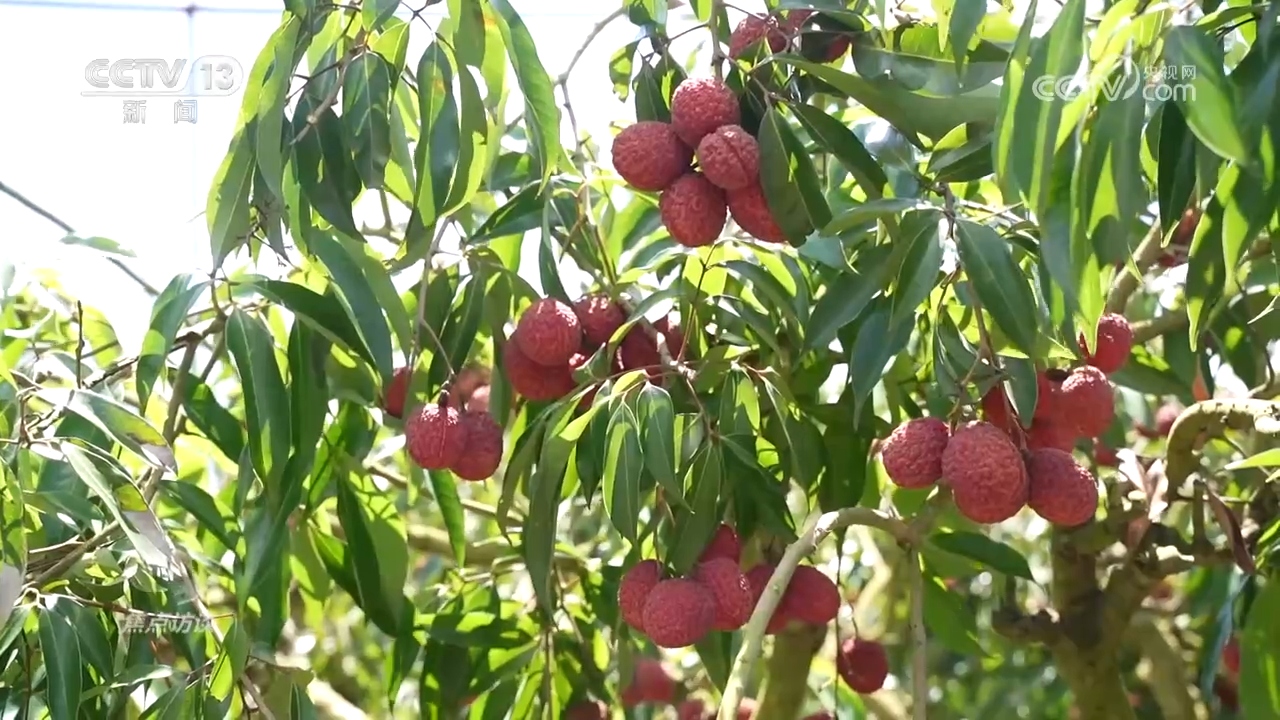
从“丰调箱”到“原箱直发” 快递包装“瘦身”倒逼食品行业减碳
Zhong Guo Chan Ye Jing Ji Xin Xi Wang· 2025-06-12 00:14
Core Viewpoint - The rapid growth of China's express delivery industry, which handled 175 billion packages last year, has led to significant environmental concerns regarding packaging waste, prompting the implementation of new regulations aimed at promoting green packaging practices [1][2]. Group 1: Regulatory Changes - The new "Express Delivery Interim Regulations" focus on packaging governance, emphasizing the goals of green, reduced, and recyclable packaging while enhancing end-service and industry collaboration [1][2]. - The regulations hold express delivery companies accountable for optimizing packaging methods and structures to minimize resource consumption [2][4]. Group 2: Innovations in Packaging - Companies are adopting innovative packaging solutions, such as the "Feng Tiao Box," which uses a self-regulating gas composition to extend the freshness of fruits, reducing the need for traditional packaging methods [3]. - The use of Feng Tiao Boxes has resulted in a weight reduction of approximately 1 kilogram for a 2.5-kilogram package of lychees, leading to a 30% reduction in logistics costs and over 50% savings in packing time [2][3]. Group 3: Supply Chain and Collaboration - The regulations extend responsibilities beyond express delivery companies to include e-commerce, product manufacturers, and packaging producers, ensuring a comprehensive approach to packaging design, reduction, and recycling [4][5]. - Upgraded warehouse systems are being implemented to recommend appropriate packaging sizes, reducing material usage by about 20% [5]. Group 4: Consumer Participation and Recycling - Consumer habits are crucial for the success of green packaging initiatives, with efforts being made to encourage participation in packaging recycling programs [6][7]. - In educational institutions, recycling initiatives have led to a significant percentage of packaging being reused, demonstrating effective community engagement in sustainability efforts [6][7]. Group 5: Long-term Benefits and Market Positioning - The shift towards green packaging presents both challenges and opportunities for companies, with potential long-term benefits including brand enhancement, cost savings, and improved market competitiveness [3][4]. - Companies that successfully implement green, reduced, and recyclable packaging will likely gain a competitive edge in the increasingly eco-conscious market [3][7].
让快递包装“瘦”下去“绿”起来
Zhong Guo Chan Ye Jing Ji Xin Xi Wang· 2025-06-05 22:39
Core Insights - The express delivery volume in China has exceeded 50 billion packages in the first four months of this year, reaching this milestone 18 days earlier than in 2024, with an expected total of 1.75 trillion packages for the year, maintaining its position as the world's largest express delivery market for 11 consecutive years [1] - The rapid growth of the express delivery industry has led to a significant increase in packaging usage and waste, raising environmental concerns that cannot be overlooked [1] - The revised "Express Delivery Interim Regulations," effective from June 1, introduces a dedicated chapter on "express packaging," emphasizing the need for green, reduced, and recyclable packaging, and clarifying the responsibilities of all stakeholders in the supply chain [1] Industry Developments - The express delivery sector is increasingly adopting green practices, with over 95% of e-commerce packages no longer requiring secondary packaging by the end of 2024, and smart packing technologies reducing packaging material usage by 20% [2] - Innovations in packaging materials, such as the use of recycled corrugated paper and narrower adhesive tape, contribute to a more environmentally friendly delivery process [2] - Despite these advancements, consumer perception of green packaging remains low, with few having encountered green packaging options, highlighting a gap between intention and actual implementation [2] Challenges and Solutions - Over-packaging is often used by merchants as a safeguard against product damage and return costs, while express companies face cost constraints related to the development and management of recyclable packaging [3] - A comprehensive transformation across the entire production, distribution, and consumption chain is necessary to achieve sustainable packaging solutions, requiring collaboration and breaking down existing barriers [3] - Recommendations include enhancing policies to incentivize green packaging through tax benefits, developing a robust recycling system, and implementing consumer engagement strategies to promote the use of recyclable packaging [3] Future Outlook - The implementation of the revised regulations is seen as a catalyst for fostering greater consensus and driving a green transformation in the express delivery industry, contributing to sustainable economic development [4]