LCD

Search documents
2025年面板价格回顾与2026年Q1展望
WitsView睿智显示· 2026-01-22 05:43
Core Viewpoint - The global display industry shifted from scale competition to a value game focused on profits and control capabilities in 2025, with supply-side adjustments significantly influencing price trends as capacity expansion cycles ended and industry concentration increased [1]. Group 1: TV Panel Market Dynamics - In 2025, TV panel prices exhibited clear phase characteristics, rising in the first half due to demand and policy drivers, then adjusting downwards in the second half due to inventory corrections, stabilizing by year-end under strong supply-side interventions [2]. - The first half of 2025 saw strong market demand, driven by China's "old-for-new" policy, particularly boosting demand in lower-tier markets, alongside a trend towards larger sizes, which increased panel manufacturers' confidence and pricing power [2]. - In the latter half of 2025, demand cooled as promotional effects waned, leading to high inventory levels among brand manufacturers, who adopted conservative procurement strategies, resulting in price declines of $1 to $3 across various panel sizes [2][3]. Group 2: IT Panel Market Performance - The IT panel market remained relatively stable in 2025, with minor price fluctuations, as the U.S. temporarily exempted certain IT products from tariffs, leading to a mild price increase in Q2 due to concentrated procurement [5]. - Despite a decrease in demand in the second half of 2025, prices did not significantly drop, supported by strong cost factors and a long-standing loss situation for mainstream display panels, leading manufacturers to maintain firm pricing stances [5]. - The notebook panel market experienced a steady yet pressured state throughout 2025, with prices remaining flat in the first half due to cautious strategies amid complex international trade environments, and slight price reductions in Q4 due to rising costs from memory prices [7]. Group 3: Industry Consolidation and Technology Shift - The price fluctuations in 2025 reflected a deep restructuring of the competitive landscape, with the LCD sector entering an oligopolistic phase and OLED technology becoming a new investment focus [9]. - Mergers and acquisitions became the main theme in capacity layout, with significant consolidations like BOE acquiring a stake in Xianyang Rainbow and TCL Huaxing merging with LGD, further increasing industry concentration [9]. - Investment in the LCD sector has stagnated, with funds increasingly directed towards OLED technology, which accounted for 55% of the nearly 180 billion yuan planned investments by major domestic panel manufacturers over the past two years [9][12]. Group 4: Q1 2026 Outlook - The TV panel market is expected to see a "good start" in Q1 2026, with prices projected to rise by $1 across various sizes due to strong supply-side adjustments and proactive production cuts by major manufacturers ahead of the Chinese New Year [13][15]. - Demand factors for Q1 2026 include the FIFA World Cup, which typically boosts demand for large TVs, and the continuation of the "old-for-new" policy, which supports domestic sales [15]. - The IT panel market is anticipated to maintain stable prices in January, with potential upward support from the TV panel price increase and production cuts, while notebook panel prices may face downward pressure due to seasonal demand [15]. Group 5: Long-term Industry Strategies - The market operation in 2025 indicates that adjusting production rates to balance supply and demand has become a normalized strategy for panel manufacturers, with a focus on leveraging market opportunities from sports events in 2026 [16]. - Long-term strategies for panel companies should include upgrading product structures towards larger sizes and accelerating the layout of mid-size OLED technology to enhance profitability and competitive barriers [16].




京东方持有武汉子公司股权比例增至58.36%
WitsView睿智显示· 2025-06-04 09:06
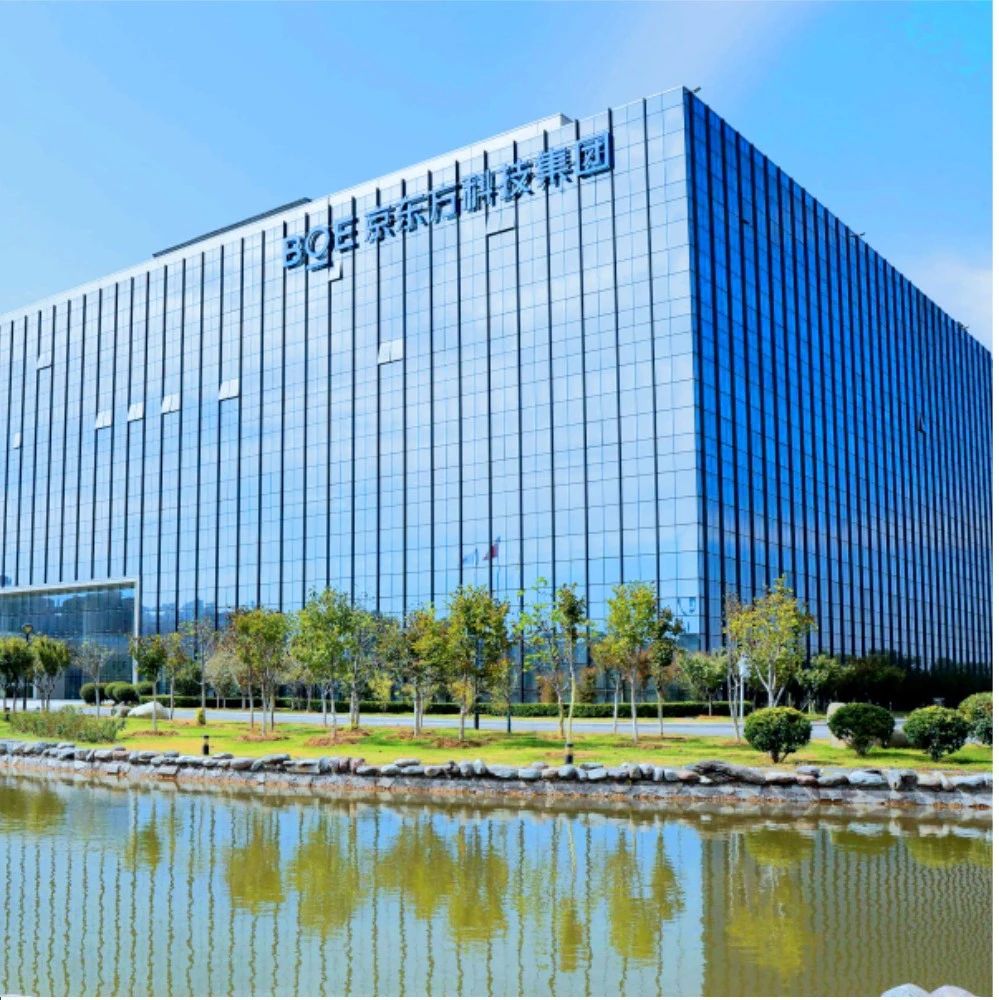
Core Viewpoint - BOE Technology Group's subsidiary, Wuhan BOE Optoelectronics Technology Co., Ltd., has repurchased shares from minority shareholders and reduced its registered capital, increasing BOE's ownership stake from 47.14% to 58.36% [1][4]. Summary by Sections Company Actions - Wuhan BOE has completed the registration process for the capital reduction, changing its registered capital from 2,600 million yuan to 2,100 million yuan [1]. - The share repurchase and capital reduction are aimed at enhancing BOE's equity stake in Wuhan BOE, which is crucial for the company's operational performance [4]. Industry Context - The semiconductor display industry is experiencing positive growth, with the LCD sector focusing on "production based on demand," leading to a stable supply structure [4]. - Demand is steadily increasing due to the trend towards larger and higher-end products, with high-generation lines like Wuhan BOE becoming significant for the company's growth [4]. Strategic Implications - The increase in ownership will positively impact the company's operational performance and aligns with its overall planning for Wuhan BOE [4]. - Strengthening management over subsidiaries is expected to contribute to the long-term healthy and stable development of both the company and Wuhan BOE, enhancing the core competitiveness of the semiconductor display business [4].