Media Consolidation

Search documents
Paramount+ and HBO Max to merge into one streaming service after WBD deal closes
TechCrunch· 2026-03-02 18:34
Core Viewpoint - The acquisition of Warner Bros. Discovery (WBD) by Paramount Skydance marks a significant shift in the media landscape, with plans to merge Paramount+ and HBO Max into a single platform, creating a formidable competitor in the streaming market [1][4]. Group 1: Merger Details - Paramount Skydance's CEO David Ellison announced the merger plans during an investor call, emphasizing the combination of iconic franchises such as 'Harry Potter', 'Top Gun', and 'Game of Thrones' [2]. - The merger is estimated at $110 billion, aiming to consolidate a wide range of film, TV, and news assets under one entity, which is expected to reshape Hollywood [4]. - The new streaming service is projected to have over 200 million subscribers, positioning it as a serious contender among leading streaming platforms [5]. Group 2: Creative Vision and Production - Ellison reassured that HBO's identity and creative vision will remain intact, stating, "Our viewpoint is HBO should stay HBO," and committed to maintaining a robust theatrical slate with at least 30 annual theatrical releases [3]. - The merger is described as "pro-competition, pro-consumer, and pro-creative community," aiming to enhance the Hollywood and global production ecosystem [7]. Group 3: Regulatory and Employment Concerns - The merger is under scrutiny from the U.S. Department of Justice due to concerns about media concentration and market competition, with California Attorney General Rob Bonta pledging a thorough review [5]. - Industry observers have raised concerns about potential job cuts and the impact on editorial independence, particularly given the political connections of the Ellison family [6].



Stock Market Today, Feb. 27: Paramount Skydance Rallies as Warner Bros. Deal Reshapes Streaming Landscape
Yahoo Finance· 2026-02-27 22:32
Group 1 - Paramount Skydance closed at $13.51, up 20.84%, following Warner Bros. Discovery's agreement to be acquired and Netflix's decision not to match the $31-per-share bid [1][3] - The trading volume for Paramount Skydance reached 90.7 million shares, approximately 771% above its three-month average of 10.4 million shares [1] - The proposed merger is valued at roughly $110 billion, marking one of the largest media consolidations in recent years [3] Group 2 - Paramount reported a $573 million loss in the fourth quarter, missing earnings expectations and lowering near-term revenue guidance, indicating ongoing profitability challenges [4] - The merger aims to combine major film studios, cable networks, and streaming assets amidst high content costs and slowing subscriber growth [4] - Investors are focused on whether the merger can enhance direct-to-consumer profits and increase subscriber engagement across the combined content library [4]
Former TikTok CEO Mayer Weighs In on US Deal, Disney and Warner Bros.
Youtube· 2026-01-23 22:09
Core Insights - The discussion revolves around the evolution and future of TikTok, particularly in the context of its ownership and user experience, as well as the broader implications for media consumption and competition among platforms [1][2][3]. TikTok and User Experience - TikTok has undergone significant changes since its initial ban attempts, and the current ownership is expected to resolve security concerns for U.S. users, allowing for a more comfortable user experience [5]. - The app's interface is not anticipated to change significantly, but the algorithm may be retrained using U.S. data, which could lead to unpredictable outcomes [4][5]. Competition in Media Consumption - Younger demographics are increasingly spending time on platforms like TikTok, YouTube, and Instagram, which competes for attention against traditional media and streaming services [8][9]. - Streaming services focus on long-form storytelling, while platforms like TikTok cater to short-form content, indicating a shift in how audiences engage with media [9]. Media Industry Dynamics - The competition among major media companies, such as Netflix and Paramount, is intensifying as they seek to consolidate and scale in response to declining revenues from traditional pay-TV models [20][21]. - Paramount is under pressure to increase its bid for Warner Brothers Discovery to remain competitive, with expectations that a higher offer may be necessary to secure the acquisition [21][22].


Is Netflix Buying Warner Bros.? Where The Deal Stands After Paramount's Hostile Bid
Forbes· 2025-12-12 16:15
Core Argument - The potential acquisition of Warner Bros. by Netflix is now uncertain due to Paramount Skydance's $77.9 billion hostile takeover bid, which raises questions about the future of media consolidation [2][3]. Group 1: Paramount Skydance's Position - Paramount Skydance argues that shareholders would benefit more from its cash-only bid and suggests it may have a better chance of regulatory approval due to CEO David Ellison's connections with the Trump administration [3]. - The company recently completed an $8 billion merger, positioning itself as a significant player in the media landscape [5]. Group 2: Industry Implications - The consolidation raises concerns about competition and consumer choice, as fewer platforms could limit the diversity of content available to audiences [5][7]. - There is a fear that the industry is moving towards fewer decision-makers, which could make it harder for independent creators to gain access to opportunities [8]. Group 3: Impact on Warner Bros. and Theatrical Releases - Warner Bros. achieved a significant milestone by becoming the first studio to surpass $4 billion at the global box office in 2025, indicating a strong performance despite pandemic-related attendance drops [9]. - If the Netflix deal proceeds, it may prioritize streaming content over theatrical releases, potentially diminishing the traditional movie-going experience [11].


Paramount Might Use Middle Eastern Oil Money to Finance Deal for WBD
Business Insider· 2025-12-03 18:27
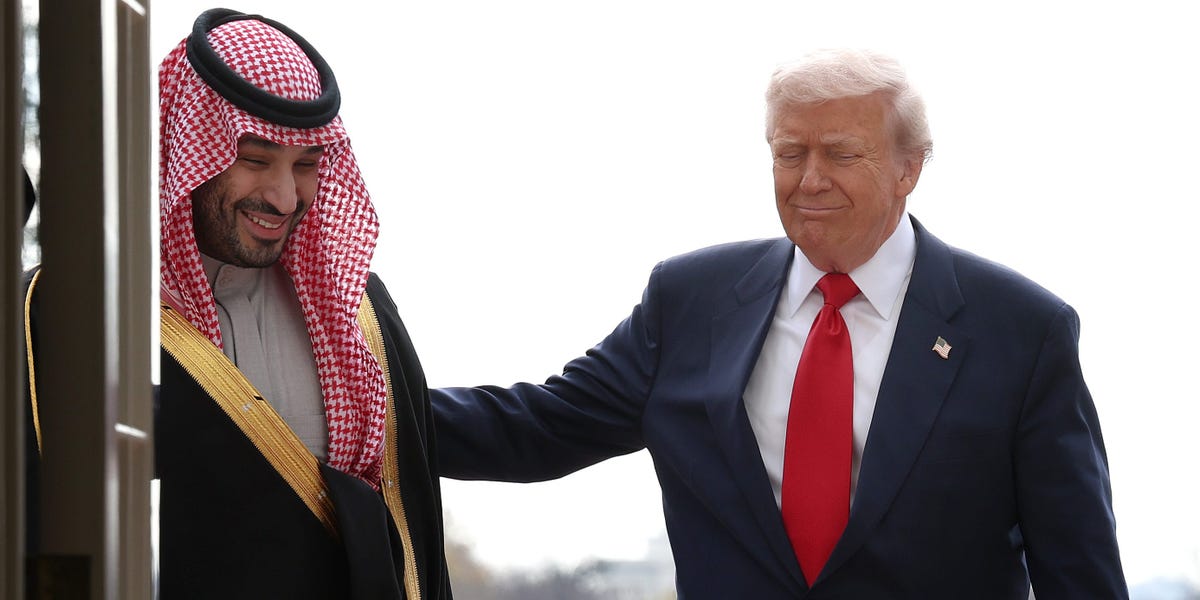
Core Viewpoint - A potential merger between Paramount and Warner Bros. Discovery (WBD) could create a significant media conglomerate, potentially involving investments from the sovereign wealth funds of Saudi Arabia, Qatar, and Abu Dhabi [1][3]. Group 1: Deal Dynamics - David and Larry Ellison are leading the bid to acquire WBD, reportedly using funds from Middle Eastern sovereign wealth funds [1][3]. - Paramount is seen as the most likely candidate to acquire WBD, as it is offering to purchase the entire company, unlike competitors Netflix and Comcast, which are only interested in partial ownership [5]. - The involvement of Middle Eastern funds in the deal has been confirmed by multiple sources, including Bloomberg, despite previous denials from Paramount [2][3]. Group 2: Implications of Foreign Investment - The potential ownership stakes by Middle Eastern governments in a major American media company highlight a shift in the landscape of media ownership, which would have been unlikely a few years ago [4]. - The consolidation of media companies could amplify the influence of the remaining entities, as seen with CBS News and CNN, which may gain more power if combined [8]. - Historical precedents exist for foreign investments in American media, such as Japan's Sony and Saudi investor Prince Alwaleed bin Talal's stake in Fox, indicating that foreign ownership is not unprecedented [9]. Group 3: Public Perception and Concerns - The prospect of a foreign government controlling a stake in an American media conglomerate raises concerns about the implications for media independence and influence [7][10]. - The potential backlash against a Middle Eastern-backed media entity could be significant, especially given past controversies surrounding Saudi Arabia's actions [10].

Major Industry Shifts: Comcast Eyes Warner Bros. Discovery, RFK Jr. Expands Drug Pricing Deals, and Amazon Unveils Advanced AI Suite
Stock Market News· 2025-12-02 19:08
Media Landscape - Comcast Corporation is pursuing an acquisition of Warner Bros. Discovery assets, specifically targeting the film and television studios and HBO Max streaming service, indicating a potential consolidation in the media industry [2][3] - This move comes as Warner Bros. Discovery faces financial difficulties and a declining stock price since its 2022 merger, prompting Comcast to enhance its own studios and Peacock streaming service to compete with Netflix and Disney [3] Pharmaceutical Industry - Health and Human Services Secretary Robert F. Kennedy Jr. announced that 12 additional pharmaceutical companies are ready to engage in drug-pricing deals, expanding efforts to lower prescription drug costs [4][5] - The Most Favored Nation policy mandates that drugmakers reduce brand-name drug prices in the U.S. to match levels in other developed nations, with initial agreements showing potential savings for patients of up to 85% [5] Artificial Intelligence Sector - Amazon has launched four new Frontier Nova AI models, along with Nova Forge for custom model-building and Nova Act for reliable browser agents, significantly expanding its AI portfolio [6][7] - The new Nova models are designed for various applications, including content generation and automating multi-step tasks, while Nova Act offers a 90% reliability for browser-based UI automation workflows [8]


Warner Bros. Sale: Paramount Has Edge, But Regulatory Hurdles Loom
Forbes· 2025-11-26 20:05
Core Viewpoint - Warner Bros. Discovery (WBD) is undergoing a strategic review with non-binding bids from Paramount Skydance, Netflix, and Comcast, amid significant regulatory scrutiny. Analysts view Paramount Skydance as the frontrunner due to its financial strength, political connections, and a smoother regulatory path [2][3][23]. Group 1: Strategic Review and Bidding Process - WBD has initiated a strategic review and is considering selling the entire company or splitting it into two entities focused on streaming and studios, and legacy cable networks [4][19]. - The board has set a deadline for first-round non-binding bids, with Paramount Skydance being the only bidder pursuing the entire WBD business [5][20]. Group 2: Bidders and Their Strategies - **Paramount Skydance**: Backed by the Ellison family, it is reportedly making a cash-plus-stock offer between $25 and $27 per share, appealing to WBD's board and shareholders [15][19]. - **Netflix**: Interested in WBD's studio and streaming assets but not its cable networks, facing potential antitrust scrutiny due to market concentration [8][9]. - **Comcast**: Seeking to acquire WBD's streaming and studios business, but this approach raises significant regulatory concerns due to the combination of distribution and content [11][13]. Group 3: Regulatory and Political Landscape - The potential merger of Paramount and WBD could control approximately 32% of the North American box office, likely triggering antitrust reviews and possible divestitures [6][16]. - Paramount Skydance's political connections, particularly with the Trump Administration, may provide a more favorable regulatory environment compared to Comcast and Netflix [7][16][17]. Group 4: Advantages of Paramount's Bid - Paramount's full-company bid is attractive to WBD as it allows for a planned split while maintaining integrated operations [16][19]. - The bid's cash-heavy structure offers immediate value to shareholders while allowing them to retain equity in a potentially stronger company [19][20]. Group 5: Challenges and Risks - While Paramount has advantages, it may still face demands for significant divestitures from regulators, which could impact the viability of the deal [21]. - Political backlash against consolidation could also pose risks to the success of Paramount's bid [21][22].
Netflix co-CEO on WBD buyout rumors: 'We have no interest in owning legacy media networks'
Yahoo Finance· 2025-10-21 23:09
Core Viewpoint - Netflix co-CEO Ted Sarandos dismissed merger speculation amid Warner Bros. Discovery's exploration of breakup options, emphasizing the company's lack of interest in acquiring legacy media networks [1][2] Company Strategy - Netflix remains focused on organic growth rather than pursuing mergers and acquisitions, with Sarandos stating that the company has sufficient growth potential without altering its strategy [4] - The company evaluates potential deals strictly, considering whether they would enhance its entertainment portfolio or strategic goals, and if they provide better value than developing capabilities internally [4][5] Market Reaction - Following the earnings call, Netflix's shares fell approximately 6% in after-hours trading due to missing Wall Street estimates for both revenue and profit [3] - Despite the dip, Netflix reaffirmed its full-year revenue outlook, expecting results to fall within the range of $44.8 billion to $45.2 billion [3] Industry Context - The entertainment industry is experiencing waves of consolidation, with notable mergers such as Disney's acquisition of Fox and Amazon's purchase of MGM [5] - Netflix executives believe that these mergers do not fundamentally alter the competitive landscape, maintaining that the challenges faced by competitors remain unchanged [6]
Disney doesn't need ABC and ESPN, analyst argues
Youtube· 2025-09-27 03:45
Group 1: Media Landscape and Company Strategies - The refusal of Sinclair and NextStar to air "Jimmy Kimmel Live" on their ABC affiliates raises questions about Disney's future in linear TV, with suggestions that Disney might consider divesting from ABC entirely [1][4] - The situation with Kimmel highlights the challenges for traditional media companies, as content is increasingly pushed towards streaming platforms, which could harm the long-term viability of broadcast television [7][10] - The ongoing trend of cord-cutting and the shift of advertising to streaming platforms are significant headwinds for broadcast networks, making consolidation within the industry a potential necessity for survival [9][14] Group 2: Consolidation and Future of Streaming Services - Industry experts predict that more media companies will need to consolidate due to the structural challenges in the market, with a focus on creating larger, more competitive streaming services [14][18] - The integration of Hulu into Disney Plus is anticipated, indicating a trend towards fewer standalone streaming services as companies seek to streamline operations and enhance scale [15][16] - The potential acquisition of Warner Brothers by Paramount is under scrutiny, with concerns about the financial feasibility of such a deal given the current market conditions [20][22] Group 3: TikTok and Competitive Landscape - The recent joint venture involving TikTok suggests that the platform will maintain its existing user experience and algorithm, countering expectations of significant changes following the deal [26][28] - The partnership is seen as beneficial for both TikTok and its parent company ByteDance, while also indicating that competitors like Meta and Snapchat will not see a reduction in competition from TikTok [28][29]

Joe: Pro-Trump takeover of American media threatens free speech
MSNBC· 2025-09-23 14:10
Media Landscape & Political Influence - Right-wing entities are consolidating power over media outlets, including local TV stations and potentially TikTok [1] - The previous administration's threats of lawsuits against major networks have created a chilling effect on reporting, leading to increased caution in airing controversial stories [2] - Republican figures are strategically acquiring media properties, potentially influencing news coverage and shaping public opinion [3][4] Social Media & Younger Voters - Social media platforms like TikTok and X are primary news sources for younger voters [5][6] - Algorithms on these platforms can be manipulated to influence how people think and feel [6][7] - Concerns exist that pro-Trump or progovernment forces may control these platforms, potentially shaping the information environment for younger audiences [5] Data Security & National Security - There are concerns about foreign governments, specifically the Chinese government, controlling platforms like TikTok and using them to collect data and influence public opinion [7] - The potential for manipulation through algorithms poses a risk to free thought and national security [6][7]