Inflation

Search documents
RBI unlikely to play Santa again in February
The Economic Times· 2025-12-15 19:17
picked up to 0.71% YoY in November from 0.25% in October, driven by persistent food price deflation and weak core inflation. Most economists said headline inflation appears to have bottomed out in October on account of lower food prices and one-time GST cut adjustment and expect it to inch up but will be below RBI’s 4% medium-term target. RBI has cut the repo rate by 125 bps since the easing cycle began in February stating that it is to support growth as inflation remained benign.WHY A PAUSE NOW? , on the ...


Retired? You May Want to Go Back to Work in 2026. Here's Why.
Yahoo Finance· 2025-12-15 19:17
Core Insights - 2026 is expected to be financially challenging for many older Americans, prompting consideration of part-time work to improve financial situations [1] Social Security Benefits - In 2026, Social Security benefits will receive a 2.8% cost-of-living adjustment (COLA), increasing the average retirement benefit from $2,015 to $2,071, which may not significantly alleviate financial struggles for those reliant on these benefits [2][3] Medicare Costs - Medicare costs are set to rise in 2026, with the standard monthly Part B premium increasing from $185 to $202.90, which will reduce the impact of the COLA for those paying premiums from their Social Security checks [4] - The annual deductible for Medicare Part B will increase to $283 from $257 in 2025, while the inpatient deductible for Part A will rise to $1,736 from $1,676 [5] - Daily coinsurance rates for hospital stays and skilled nursing facilities will also see increases, with rates going from $419 to $434 and from $209.50 to $217, respectively [5][6] Financial Concerns - Factors such as a modest Social Security COLA, rising Medicare costs, and ongoing inflation contribute to financial worries for older Americans, making part-time work a viable option to enhance income [7] - Those without a Medigap plan may face significant healthcare costs and should consider returning to work to bolster their financial security [8]
HAP: An Option To Consider If Inflation And Commodities Rise In 2026
Seeking Alpha· 2025-12-15 19:09
There are a wide range of predictions for what the US economy could look like next year. A recent article in Barron’s projected domestic GDP growth around 2% and rising inflation that peaks around 3.3% next summer. The “The One Big Beautiful Bill” that wasI have been involved in the financial world for over 20 years with experience as an advisor, teacher, and writer. I am a full believer in the free-market system and that financial markets are efficient with most stocks reflecting their real current value. ...

High cost of goods is causing consumers to spend less for the holidays, CNBC survey finds
CNBC Television· 2025-12-15 19:08
Steve Leeman is here at Post9 with the numbers. And Steve, this question about how inflation is impacting holiday spending. >> We're calling it inflation the red-nosed reindeer.How it's really leading spending. Uh it's factoring heavily into consumers views on spending this holiday season. The All-American Economic Survey finding it's affecting where people choose to shop and of course how much.Of the thousands people surveyed across the nation, uh here are some of the results you can see there. 61% say the ...

The Bible Predicted Bitcoin? Pastor Tells All
Bitcoin Bram· 2025-12-15 18:06
There are only two ways to make money. You either create value or you print money to steal value from everyone else. In this episode, I'm joined by Ellen Armstrong aka Pastor Coin to discuss why our modern money system isn't just broken, it's built on a lie. We explore why printing money is actually a spiritual violation of your time and energy and why holding Bitcoin is the only way to align yourself with the truth. And we also asked the most dangerous question. If the government is stealing from you throu ...

X @CoinMarketCap
CoinMarketCap· 2025-12-15 18:00
LATEST: ⚡️ Bitcoin fell below $86,000 today as markets await key US inflation data releases this week, with analysts saying the upcoming CPI and PCE reports could set the tone for the rest of December. https://t.co/1L0mte1Ahj ...
The Impacts and Consequences of Rising Money Supply | Hamid Safaei Niko | TEDxTous
TEDx Talks· 2025-12-15 17:45
به نام خدا سلام عرض میکنم صبح عالی همه عزیزان بخیر باشه انشاءالله تشکر میکنم از دستندکاران این رویداد و ارائه خودم م و در واقع در خدمت شما هستم تحت عنوان حجم نقدینگی آن چیزی که در امروز میخوام خدمت عزیزان عرض کنم قسمتی از کتابیست که اخیراً نوشتم امیدوارم که مورد توجه قرار بگیره بحث بحث اقتصادیست اما در طی این بحث ما به اینجا میرسیم که افزایش نقدینگی، حجم نقدینگی و خلق نقدینگی آیا به خلق ایده و تفکر منتج میشه الزاماً یا نه؟ بر همین اساس تعریف میکنیم اول حجم نقدینگی چیه؟ دو سه تا از مفاهیم در واقع اقتصاد ...

Finally! U.S. Federal Jobs Data - Global Week Ahead
ZACKS· 2025-12-15 17:41
Group 1 - The U.S. jobs report for November is expected to show a decline of 35,000 jobs added, indicating potential labor market weakening that could influence the Federal Reserve's next rate decision [1][2] - The Bank of Japan is anticipated to raise rates on December 19th, with expectations of at least one additional quarter-point increase to 1% next year, potentially marking the terminal rate for this cycle [3][4] - The European Central Bank (ECB) is likely to keep rates unchanged at 2% during its upcoming meeting, but market expectations for a future rate hike have increased following positive growth and inflation data [6][7] Group 2 - The Bank of England is expected to cut its policy rate to 3.75% from 4.0% in December, with a 90% chance of this outcome according to market pricing [8][9] - European Union leaders are discussing the use of approximately 210 billion euros ($245 billion) of frozen Russian assets to support Ukraine, which could have significant implications for Western investors [10][11][12] Group 3 - For Q4 2025, total S&P 500 earnings are projected to increase by 6.9% year-over-year, driven by a 7.7% rise in revenues, with the Tech sector being a major growth contributor [31][32] - The earnings growth for the 'Magnificent 7' companies is expected to rise by 16.6% from the previous year, while excluding these companies, the rest of the index would see only a 3.4% increase [33]

Watch CNBC's full interview with Federal Reserve Governor Stephen Miran
Youtube· 2025-12-15 17:37
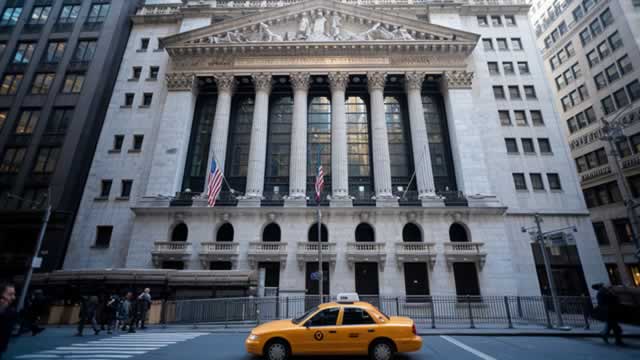
Core Viewpoint - The Federal Reserve Governor Stephen Myron dissented at the recent Fed meeting, advocating for steeper rate cuts due to concerns about tight monetary policy and its potential negative impact on the labor market and unemployment rates [1][2][4]. Inflation Analysis - Myron believes that underlying inflation is closer to the Fed's target than reported, arguing that the current inflation metrics are distorted by measurement quirks, particularly in the housing market and imputed prices for non-market services [3][5][8]. - He highlights that housing inflation is lagging due to the way rents are calculated, which does not reflect current market conditions, and anticipates a downward convergence in inflation as market rents have been growing at about a 1% rate for several years [6][7][14]. - Myron points out that portfolio management fees have contributed significantly to inflation metrics, despite being in a long-term downward trend, suggesting that these measurement issues should not dictate monetary policy [9][11][32]. Labor Market Concerns - The labor market is showing signs of weakness, with the unemployment rate ticking up, but Myron argues that the overall labor market remains in a good place and is not under severe stress [22][24][34]. - He emphasizes the need for the Fed to focus on employment rather than economic growth, as Congress has directed, and expresses concern that maintaining tight policy could lead to a weaker labor market in the future [22][27]. Monetary Policy Outlook - Myron advocates for a forward-looking monetary policy approach, suggesting that the Fed should make decisions based on forecasts rather than solely on current data, due to the inherent lags in monetary policy effects [58]. - He expresses that if the current trajectory of inflation and the labor market continues, the Fed could face significant challenges by 2027 if policy remains too tight [27][25]. Market Reactions - Myron acknowledges that while the Fed is cutting rates, market rates, particularly long-term rates, have not reflected these cuts, keeping mortgage rates high [35][36]. - He anticipates that long-term rates will eventually decline alongside short-term rates, despite some skepticism in the market regarding the impact of rate cuts [37][38].
Watch CNBC's full interview with Federal Reserve Governor Stephen Miran
CNBC Television· 2025-12-15 17:37
>> WELCOME BACK. OUR NEXT GUEST ISSUED A DISSENTING VOTE AT LAST WEEK'S BIG FED MEETING, PUSHING FOR EVEN STEEPER RATE CUTS. JOINING US HERE AT POST NINE IN A CNBC EXCLUSIVE IS FEDERAL RESERVE GOVERNOR STEPHEN MYRON.GOVERNOR, IT'S GREAT TO HAVE YOU BACK AT POST NINE. WELCOME. >> GOOD DAY.THANKS FOR HAVING ME BACK. >> SO I KNOW YOU JUST GAVE THIS BIG SPEECH AT COLUMBIA ABOUT INFLATION. AND BEFORE WE DIVE INTO THAT, MAYBE YOU COULD JUST EXPLAIN WHY YOU DISSENTED FOR EVEN SHARPER RATE CUTS WHEN SOME OF YOUR CO ...