
电信网络诈骗

Search documents
假军官设婚恋骗局、游戏拜师暗藏陷阱……警惕诈骗新套路
Yang Shi Xin Wen· 2025-12-10 07:26
法治在线丨假军官设婚恋骗局、游戏拜师暗藏陷阱……警惕诈骗新套路 近期,骗子洗钱的套路越来越隐蔽,让被害人自己买黄金,再寄出去,这样骗子家中坐就能收黄金,不 过这样的手段也有失手的时候,遇到警惕性高的,就容易露馅。 包裹暗藏猫腻? 快递小哥一眼识破 经警方核实,张某被网友诱导网上投资后,在线下实体店购买了11万元黄金,并按对方要求邮寄到重庆 某小区。骗子转寄包裹时被快递小哥察觉异常并报案。 假军官设婚恋骗局 通过警银协作机制,菏泽鲁西新区辖区内某银行上报称,家住泰安的李女士正准备提取40万元现金,行 为异常。反诈民警迅速出动,赶往银行进行拦截。 菏泽市公安局鲁西新区分局刑事侦查大队民警 吴哲:我们见到李女士时,她情绪比较紧张,一开始说 是家里急用,但具体用途说不清楚,前后矛盾。 游戏里遇"师傅" 女子40万存款险清零 前段时间,山东泰安一位四十多岁的李女士,在网上认识了一位自称是部队军官的男网友,她不仅感情 被骗,还差点把四十万元的积蓄全部搭进去。 前段时间,山东菏泽警方接到一条从上级部门下发的"菏泽取现40万元"紧急预警。 菏泽市公安局鲁西新区分局刑事侦查大队民警 张恒纲:我们在工作中获取预警信息,应该是有群 ...
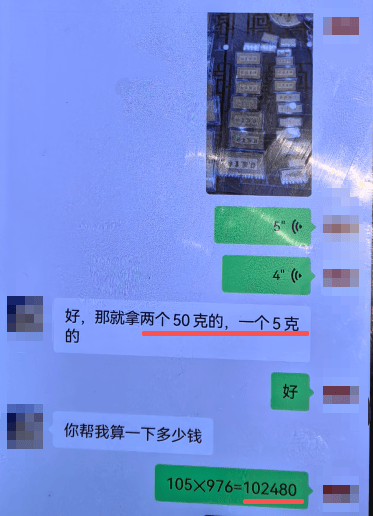
骗子实在太嚣张,105克黄金被拦截,竟扬言:“要报警!”
Sou Hu Cai Jing· 2025-12-09 08:40
潮新闻客户端 记者 杨云寒 见过骗子嚣张,没见过骗子气急败坏要"报警"的。 近日,杭州市上城区一家黄金珠宝店的店员刘女士就遇上这么一件奇葩事。 有骗子以代买黄金为幌子设下骗局,没想被识破,黄金也被警方中途拦截。没想到这骗子竟威胁店员:"不发货我们就报警了!" 事情要从12月1日下午说起。 当天,这家黄金珠宝店的企业微信接到一名陌生客户的添加好友申请。 上城公安供图 店员刘女士完成交易手续后,依照对大额黄金交易的备案要求,将相关信息通过"一呼百应"平台进行登记上报。 这一信息却引起了上城警方的注意。 上城公安供图 对方询问起当日的金价,提出打算购买105克黄金,却又以"时间已晚需与家人商量"为由,没有马上下单。 次日一早,该客户确认要购买,向金店对公账户打了10万余元,还提供了付款人的身份证照片。 接到平台预警后,上城区站前派出所民警姚建国立即赶往现场,要求刘女士再确认一下购买人的信息。 了解情况后,刘女士随即通过微信询问:"是你本人购买吗?" 对方称是帮舅舅购买。 经过核实,这位吴先生43岁,前段时间在网上结识了一位"理财大师",还在对方的诱导下进行了投资理财。 投资平台上,显示的"收益"很好,怎么看都像是吴 ...

公安机关悬赏通缉!100名电诈在逃人员照片公布
Zheng Quan Shi Bao· 2025-12-09 05:21
(原标题:公安机关悬赏通缉!100名电诈在逃人员照片公布) 公安机关敦促相关犯罪嫌疑人认清形势,悬崖勒马,主动投案自首,争取宽大处理。同时,希望社会各 界和广大人民群众积极举报,协助抓捕犯罪嫌疑人。对提供有效线索和协助抓捕的有功人员,公安机关 将依法予以保护和奖励。 来源:央视新闻 责编:万健祎 校对:杨立林 公安机关公开通缉100名电信网络诈骗犯罪在逃金主和骨干人员。 为依法严厉打击跨境电信网络诈骗犯罪,切实维护人民群众财产安全和合法权益,近日,公安部发布通 缉令,公开通缉100名电信网络诈骗犯罪在逃金主和骨干,其中包括吴启平、吴清正、傅小滨、欧长华 等缅北"四大家族"犯罪集团重要逃犯。 经查,近年来,吴启平、吴清正、傅小滨、欧长华等犯罪嫌疑人在境外势力庇护下,组织招募人员,长 期实施针对中国公民的电信网络诈骗犯罪活动,诈骗数额巨大,性质极其恶劣。特别是公安部部署开展 打击缅北涉我犯罪专项工作以来,在公安机关严打高压态势下,上述犯罪嫌疑人仍不收敛、不收手,继 续大肆组织实施违法犯罪活动。该批在逃人员犯罪事实清楚、证据确凿充分,浙江杭州、温州,福建泉 州、龙岩,河南平顶山,广东深圳,云南昆明和重庆等地公安机关 ...
公安机关悬赏通缉!100名电诈在逃人员照片公布
证券时报· 2025-12-09 04:38
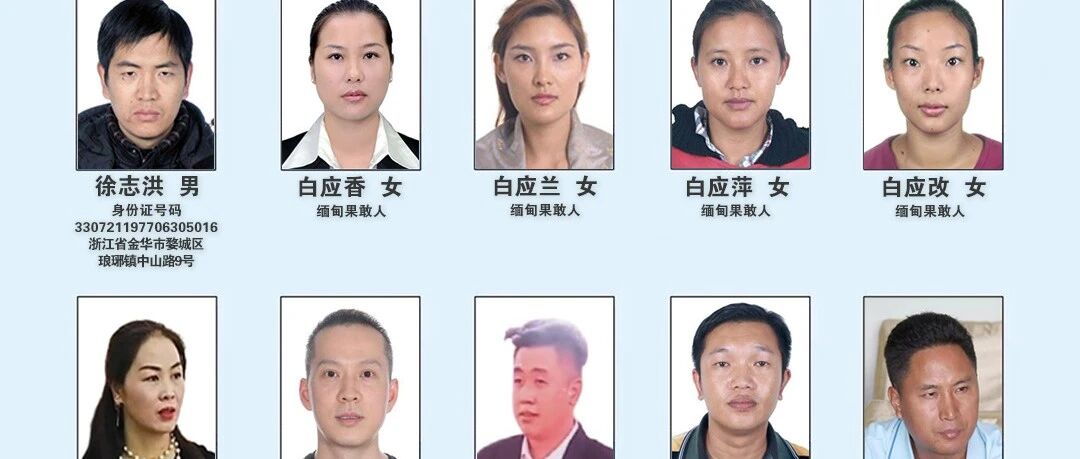
公安机关公开通缉100名电信网络诈骗犯罪在逃金主和骨干人员。 为依法严厉打击跨境电信网络诈骗犯罪,切实维护人民群众财产安全和合法权益,近日,公安部发布通缉令,公开通缉100名电信网络诈骗犯罪在逃金主和骨干, 其中包括吴启平、吴清正、傅小滨、欧长华等缅北"四大家族"犯罪集团重要逃犯。 经查,近年来,吴启平、吴清正、傅小滨、欧长华等犯罪嫌疑人在境外势力庇护下,组织招募人员,长期实施针对中国公民的电信网络诈骗犯罪活动,诈骗数额巨 大,性质极其恶劣。特别是公安部部署开展打击缅北涉我犯罪专项工作以来,在公安机关严打高压态势下,上述犯罪嫌疑人仍不收敛、不收手,继续大肆组织实施 违法犯罪活动。该批在逃人员犯罪事实清楚、证据确凿充分,浙江杭州、温州,福建泉州、龙岩,河南平顶山,广东深圳,云南昆明和重庆等地公安机关决定对其 进行公开悬赏通缉。 公安机关敦促相关犯罪嫌疑人认清形势,悬崖勒马,主动投案自首,争取宽大处理。同时,希望社会各界和广大人民群众积极举报,协助抓捕犯罪嫌疑人。对提供 有效线索和协助抓捕的有功人员,公安机关将依法予以保护和奖励。 景赏通告 近年来,部分电信网络诈骗犯罪重要逃犯在境外势力庇护 下组织招募人员,长期 ...

公安机关公开通缉100名电信网络诈骗犯罪在逃“金主”和骨干人员
Xin Hua She· 2025-12-09 03:40
公安机关敦促相关犯罪嫌疑人认清形势,悬崖勒马,主动投案自首,争取宽大处理。同时,希望社会各 界和广大人民群众积极举报,协助抓捕犯罪嫌疑人。对提供有效线索和协助抓捕的有功人员,公安机关 将依法予以保护和奖励。 新华社北京12月9日电(记者熊丰)记者12月9日从公安部获悉,为依法严厉打击跨境电信网络诈骗犯 罪,切实维护人民群众财产安全和合法权益,近日,公安部发布通缉令,公开通缉100名电信网络诈骗 犯罪在逃"金主"和骨干,其中包括吴启平、吴清正、傅小滨、欧长华等缅北"四大家族"犯罪集团重要逃 犯。 经查,近年来,吴启平、吴清正、傅小滨、欧长华等犯罪嫌疑人在境外势力庇护下,组织招募人员,长 期实施针对中国公民的电信网络诈骗犯罪活动,诈骗数额巨大,性质极其恶劣。特别是公安部部署开展 打击缅北涉我犯罪专项工作以来,在公安机关严打高压态势下,上述犯罪嫌疑人仍不收敛、不收手,继 续大肆组织实施违法犯罪活动。该批在逃人员犯罪事实清楚、证据确凿充分,浙江杭州、温州,福建泉 州、龙岩,河南平顶山,广东深圳,云南昆明和重庆等地公安机关决定对其进行公开悬赏通缉。 ...
公安机关发悬赏通告,公开通缉100名电诈逃犯
第一财经· 2025-12-09 03:23
为依法严厉打击跨境电信网络诈骗犯罪,切实维护人民群众财产安全和合法权益,近日,公安部发布 通缉令,公开通缉100名电信网络诈骗犯罪在逃金主和骨干,其中包括吴启平、吴清正、傅小滨、欧 长华等缅北"四大家族"犯罪集团重要逃犯。 悬赏通告 近年来,部分电信网络诈骗犯罪重要逃犯在境外势力庇护 下组织招募人员,长期实施针对中国公民的电信网络诈骗犯罪 活动,诈骗数额巨大,性质极其恶劣。为依法严厉打击电信网 络诈骗犯罪,维护人民群众生命财产安全和社会和谐稳定,我 局决定悬赏通缉吴启平等4名在逃电诈犯罪"金主"骨干。 发现相关线索可立即向公安机关举报,我公安机关将对举 报人身份信息严格保密。对每名悬赏通缉对象,凡向公安机关 提供有效线索并配合公安机关抓获犯罪嫌疑人的有功人员,我 局将给予20万元人民币的奖励。对打击报复举报人的,将依法 严惩。 联系人:胡警官15381160892 施警官15397161157 20 经查,近年来,吴启平、吴清正、傅小滨、欧长华等犯罪嫌疑人在境外势力庇护下,组织招募人员, 长期实施针对中国公民的电信网络诈骗犯罪活动,诈骗数额巨大,性质极其恶劣。特别是公安部部署 开展打击缅北涉我犯罪专项工作以来 ...

100名电诈在逃人员照片公布
财联社· 2025-12-09 02:50
经查,近年来,吴启平、吴清正、傅小滨、 欧长华 等犯罪嫌疑人在境外势力庇护下,组织招募人员,长期 实施针对中国公民的电信网络诈 骗犯罪活动,诈骗数额巨大,性质极其恶劣。特别是公安部部署开展打击缅北涉我犯罪专项工作以来,在公安机关严打高压态势下,上述犯 罪嫌疑人仍不收敛、不收手,继续大肆组织实施违法犯罪活动。该批在逃人员犯罪事实清楚、证据确凿充分,浙江杭州 、 温州 ,福建泉 州、龙岩 ,河南平顶山,广东深圳 , 云南昆明 和重庆等地公安机关决定对其进行公开悬赏通缉。 公安机关敦促 相关 犯罪嫌疑人认清形势,悬崖勒马,主动投案自首,争取宽大处理。同时,希望社会各界和广大人民群众积极举报,协助 抓捕犯罪嫌疑人。对提供有效线索和协助抓捕的有功人员,公安机关将 依法予以保护和奖励。 息赏通告 近年来,部分电信网络诈骗犯罪重要逃犯在境外势力庇护 下组织招募人员,长期实施针对中国公民的电信网络诈骗犯罪 活动,诈骗数额巨大,性质极其恶劣。为依法严厉打击电信网 络诈骗犯罪,维护人民群众生命财产安全和社会和谐稳定,我 局决定悬赏通缉吴启平等4名在逃电诈犯罪"金主"骨干。 发现相关线索可立即向公安机关举报,我公安机关将对举 报人 ...
公安机关公开通缉100名电信网络诈骗犯罪在逃金主和骨干人员
Ren Min Ri Bao· 2025-12-09 02:37
为依法严厉打击跨境电信网络诈骗犯罪,切实维护人民群众财产安全和合法权益,近日,公安部发布通 缉令,公开通缉100名电信网络诈骗犯罪在逃金主和骨干,其中包括吴启平、吴清正、傅小滨、欧长华 等缅北"四大家族"犯罪集团重要逃犯。 经查,近年来,吴启平、吴清正、傅小滨、欧长华等犯罪嫌疑人在境外势力庇护下,组织招募人员,长 期实施针对中国公民的电信网络诈骗犯罪活动,诈骗数额巨大,性质极其恶劣。特别是公安部部署开展 打击缅北涉我犯罪专项工作以来,在公安机关严打高压态势下,上述犯罪嫌疑人仍不收敛、不收手,继 续大肆组织实施违法犯罪活动。该批在逃人员犯罪事实清楚、证据确凿充分,浙江杭州、温州,福建泉 州、龙岩,河南平顶山,广东深圳,云南昆明和重庆等地公安机关决定对其进行公开悬赏通缉。 公安机关敦促相关犯罪嫌疑人认清形势,悬崖勒马,主动投案自首,争取宽大处理。同时,希望社会各 界和广大人民群众积极举报,协助抓捕犯罪嫌疑人。对提供有效线索和协助抓捕的有功人员,公安机关 将依法予以保护和奖励。 ...

109人“创投群”108个托!真实案例教你识别“电诈剧本”
Yang Shi Xin Wen· 2025-12-08 06:59
当前,电信网络诈骗犯罪形势依然复杂严峻,已经成为刑事犯罪中占比最高的类型。电诈,危害程度 大、打击治理难、群众反应强烈。从今天起,《法治在线》栏目联合公安部刑侦局,重磅推出《反诈最 前沿》专题板块!带您直击反诈一线,拆穿最新电诈骗局。 说到电诈,很多人都会自信满满:我肯定不会被骗!可如今的骗子,早就摸透了人心!他们不光编剧 本,还专门为您搭戏台。 109人"创投精英群" 竟有108个托儿 11月19日,上海的陆阿姨急匆匆跑到银行,非要给一个陌生账户转账10万元,嘴里还念叨着"我中了新 股,要赶紧转账才能认购!"。幸亏银行工作人员经验丰富,喊来民警一问这才知道,陆阿姨进了一个 超过百人的"创投精英群"。 民警:阿姨你把钱转给什么公司啊?看这个页面介绍就不正规,你要转10万啊? 银行工作人员:阿姨刚刚蛮真诚地跟我说,她在一个地方中了一个股票,然后中奖了,是一个叫"起风 了"的人发给她的,但是她连这个人的名字她也不知道。 民警:光看这个PPT就知道九成九假了。阿姨你是在哪里认识到的这个"起风了"? 阿姨:网上创投精英群。 民警:还好我过来了,不然你这个很危险。阿姨,创投精英群"大师"教你理财了是吧? 阿姨:没教我理 ...
“观影神器”藏数字陷阱,用“免费追剧”App需小心
Zhong Guo Xin Wen Wang· 2025-12-04 06:46
"追剧党速藏,一个免费App就够了""下载观影神器,实现追剧自由"……在短视频平台、社交群组和网 页弹窗中,这类极具诱惑力的宣传语随处可见,背后指向的却是各类来源不明的盗版剧App。近日,中 国消费者协会专门发布消费提示,直指此类App不仅涉嫌严重侵犯著作权,还通过窃取个人隐私、植入 恶意程序等方式,对消费者的信息安全和财产安全构成多重威胁。 诱饵 免费投喂背后藏猫腻 在短视频平台上搜索"免费追剧",会弹出大量相关内容。评论区里,不少人主动晒出追剧截屏,并宣 称"无广免费高清还可以投屏",引来众多用户主动搭讪"求分享"。记者私信其中一个博主,对方很快发 来操作步骤,要求下载一款浏览器,之后在搜索栏输入指定口令。 来源:北京晚报 "观影神器"藏数字陷阱,用"免费追剧"App需小心—— 侵了别人的权 丢了自己的隐私 值得注意的是,对方故意在步骤中用"吓载"替代"下载",用"刘兰气"替代"浏览器",从而规避敏感词审 查。一番操作过后,的确可以进入影视播放页面,但同时出现的还有大量不堪入目的色情广告。 在社交平台上,同样有用户以"免费追剧"为诱饵进行圈粉引流,并附上群聊二维码,邀请他人入群分享 交流。记者尝试加入多个 ...