
上市公司财务造假

Search documents
每经热评:监管组合拳严处*ST高鸿造假 惩“首恶”也要惩“第三人”
Mei Ri Jing Ji Xin Wen· 2025-08-08 15:33
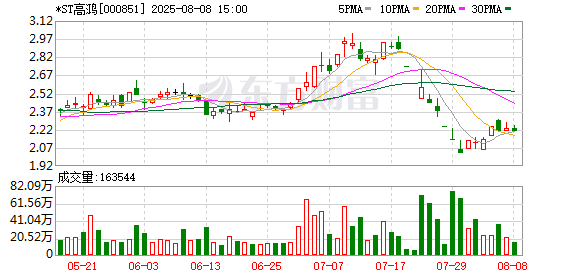
Core Viewpoint - *ST Gaohong has engaged in severe financial fraud from 2015 to 2023, inflating revenue by approximately 19.8 billion and profits by over 76.2 million through fictitious trade activities [1][5] Regulatory Actions - Regulatory authorities have adopted a "zero tolerance" approach towards severe fraud, implementing both administrative and criminal penalties [2] - The company faces mandatory delisting due to significant violations, with the stock price experiencing volatility prior to the delisting warning [2] - Key executives, including the chairman and general manager, have been fined and banned from the market for their roles in the fraud [2][3] Fraud Details - The fraud involved fictitious trade operations, with direct involvement from company executives and third parties, leading to inflated financial statements [3][5] - Specific individuals, including a former director, were found to have knowingly participated in the fraudulent activities, which were linked to the company's financial misreporting [3] Audit Oversight - Despite the severity of the fraud, the auditing firm failed to detect the financial discrepancies prior to the investigation, raising questions about the effectiveness of audit practices [4] Media and Public Oversight - Investigative journalism has played a crucial role in uncovering the fraud, highlighting the importance of media in monitoring corporate behavior [6] - The company has ceased disclosing key financial relationships, which could hinder the detection of fraudulent activities in the future [6]


“零容忍”铲除上市公司财务造假
Jing Ji Ri Bao· 2025-07-01 22:24
Core Viewpoint - Financial fraud is a significant issue undermining the foundation of capital markets, leading to strict regulatory actions against companies involved in such practices [1][2][3] Group 1: Regulatory Actions - The China Securities Regulatory Commission (CSRC) has issued administrative penalties against a company (now delisted) for violations related to information disclosure, marking a notable case where accomplices in fraud are also being held accountable [1] - The regulatory environment maintains a "zero tolerance" stance towards financial fraud and false information disclosure, aiming to protect investor rights and market integrity [1][2] Group 2: Accountability Measures - There is a need for dual approaches in preventing financial fraud: targeting the primary offenders and also holding accomplices accountable, including key stakeholders such as actual controllers, major shareholders, and board members [2] - Strengthening the accountability of accomplices in financial fraud is crucial, with a focus on enhancing administrative, civil, and criminal penalties for all parties involved in fraudulent activities [2] Group 3: Market Impact - A stringent crackdown on financial fraud is essential for creating a more regulated and orderly capital market, which is vital for supporting high-quality economic development [3]
压实第三方责任 穿透上市公司财务造假暗角
Zheng Quan Shi Bao· 2025-05-14 18:31
Core Viewpoint - The article highlights the systemic and covert threats posed by third-party involvement in financial fraud, emphasizing the need for improved legislation and regulatory mechanisms to establish clear accountability for these entities [1][2]. Group 1: Current Legal Framework and Challenges - The existing Securities Law lacks clarity in defining the responsibilities of external parties involved in aiding fraud, leading to a lack of legal precedents for holding suppliers and customers accountable [2][3]. - Current penalties primarily target listed companies and intermediaries, while the direct participants in fraud, such as upstream and downstream companies, remain largely unpunished, resulting in a diluted accountability for third parties [2][3]. - The absence of clear legal provisions for third-party involvement in systemic fraud creates challenges in establishing criminal liability, as existing laws do not explicitly include non-listed companies in the scope of punishment [3][4]. Group 2: Recommendations for Improvement - Experts suggest the need to enhance the third-party responsibility system by standardizing accountability criteria across relevant laws, ensuring a scientifically sound and reasonable responsibility framework [6][7]. - There is a call for the establishment of a collaborative governance system that integrates administrative, criminal, and civil measures, allowing for more effective enforcement against non-listed companies involved in fraud [9]. - The implementation of comprehensive and penetrating regulatory measures is recommended, utilizing digital tools for real-time monitoring of financial activities to enhance oversight capabilities [10].