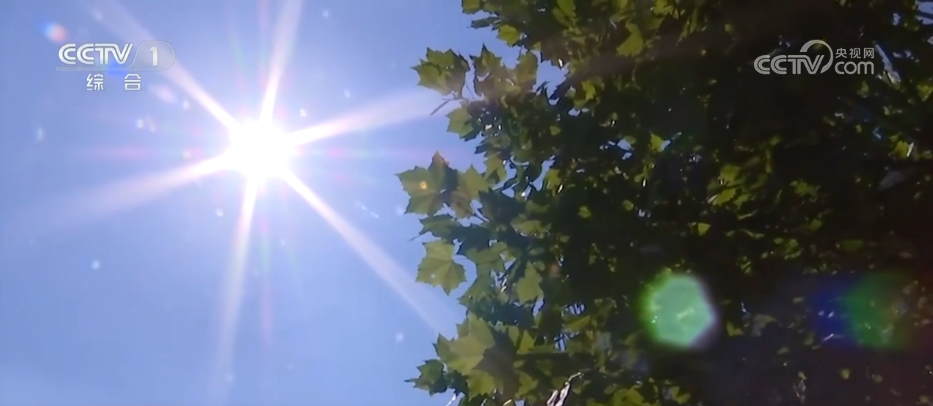
体感温度

Search documents
高温天气持续 各地各部门多措并举积极应对“烤”验
Yang Shi Wang· 2025-07-12 01:22
Core Viewpoint - The article highlights the ongoing extreme heat conditions in China's central and eastern regions, with temperatures expected to exceed 35°C and potentially reach historical highs in some areas. The heat wave is anticipated to persist, affecting various provinces and increasing health risks for vulnerable populations. Group 1: Weather Conditions - The Central Meteorological Observatory predicts sustained high temperatures above 35°C in regions such as southern North China, Huanghuai, Jianghan, and the Guanzhong area of Shaanxi, with some areas possibly exceeding 40°C [1][3] - This year, the intensity of high temperatures in provinces like Anhui and Henan is notably severe, with 30% of towns in Henan experiencing temperatures above 40°C [4] - National average high-temperature days have increased significantly, with the current average nearing 6 days, more than double the historical average for this time of year [6] Group 2: Energy Supply and Demand - As temperatures rise, electricity demand has surged, prompting the Zahahe Nur open-pit coal mine in Northeast China to operate at full capacity to ensure stable coal supply for power generation [9] - The mine's production efficiency has reached 1,885 tons per hour, with daily coal shipments to Northeast power plants totaling approximately 45,000 tons [9] Group 3: Health Risks and Precautions - The National Disease Control Bureau has issued health risk warnings related to high temperatures, particularly for vulnerable groups such as the elderly, pregnant women, and those with chronic illnesses [10] - Recommendations include maintaining indoor coolness, reducing outdoor activities during high-risk alerts, and ensuring outdoor workers manage their exposure to heat effectively [10]

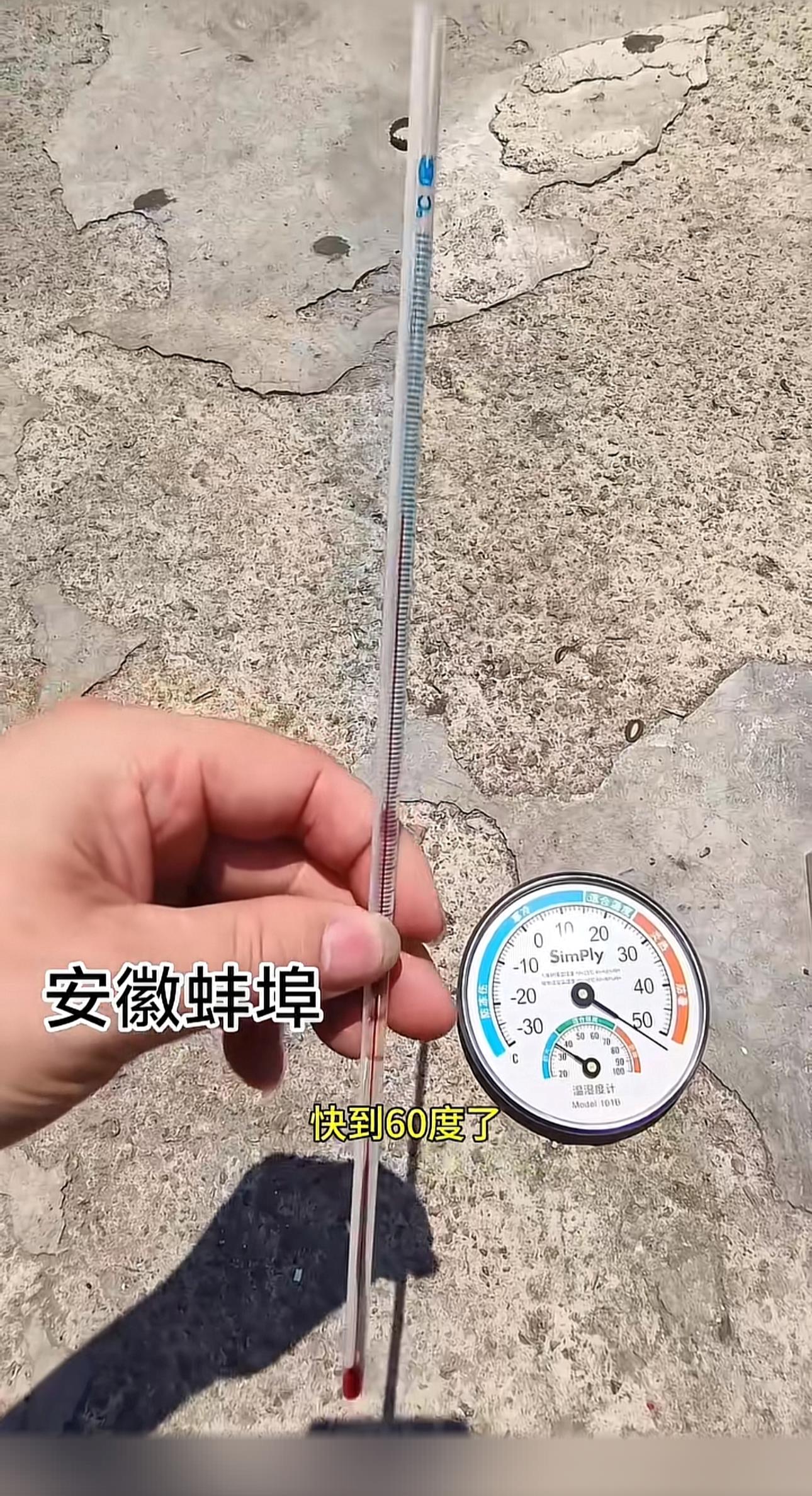
街头实测50℃ 天气预报却显示39℃ “温差”哪来的?
Yang Shi Xin Wen· 2025-07-07 08:18
Core Viewpoint - The article discusses the ongoing extreme heat wave affecting China, highlighting discrepancies between reported temperatures and perceived temperatures by individuals, leading to public confusion about weather forecasting accuracy [1][4]. Group 1: Temperature Measurement - The temperature reported by meteorological departments is measured in shaded areas, typically 1.5 meters above ground, and does not account for factors affecting human perception [8][9]. - Different regions within the same city can experience varying temperatures, as meteorological stations select representative sites for reporting [8]. Group 2: Perceived Temperature Factors - Perceived temperature, or "feels-like" temperature, is influenced by humidity, wind speed, solar radiation, and individual differences [11][14]. - High humidity can make the perceived temperature significantly higher than the actual temperature, especially during hot weather [17]. Group 3: Heat Advisory and Safety Tips - The article provides guidelines for coping with high temperatures, emphasizing the importance of avoiding prolonged exposure to heat, staying hydrated, and managing temperature transitions effectively [20].
北方也有“回南天”? 近期天气为何又湿又热
Ke Ji Ri Bao· 2025-07-07 01:01
Core Viewpoint - The recent high temperature and humidity in northern China, resembling the "return of southern weather," is attributed to the northward movement of the subtropical high pressure system, which has brought warm and moist air to the region [1][2]. Group 1: Causes of Recent Weather - The high humidity and heat in northern regions are closely linked to the northward shift of the western Pacific subtropical high pressure, which is currently controlling much of central and eastern China [2]. - The summer monsoon has pushed northward, reaching southern Northeast China and central and southern North China, bringing moisture and heat [2]. - Although maximum temperatures are around 30°C, high humidity significantly affects the perceived temperature, making it feel hotter than the actual temperature [2][3]. Group 2: Future Weather Patterns - Such humid and hot weather typically occurs in Beijing during the summer, particularly in mid to late July, due to the northward movement of the subtropical high pressure [4]. - This year's occurrence of humid weather is notably earlier than usual, by over 10 days, influenced by changes in the weather patterns across East Asia [4]. - The trend of increasing summer temperatures in Beijing is linked to global climate change, which may lead to more frequent occurrences of such weather if the warming trend continues [4][5]. Group 3: Health Impacts and Precautions - High temperature and humidity can impair the body's ability to regulate temperature, leading to dehydration and electrolyte imbalances, which may increase the risk of heat-related illnesses, especially in vulnerable populations [6]. - Recommendations for the general public include staying indoors during peak heat, staying hydrated, and avoiding strenuous outdoor activities [6]. - High-risk groups, such as the elderly and those with chronic conditions, should take extra precautions, including staying cool and hydrated, and seeking medical attention if necessary [6].
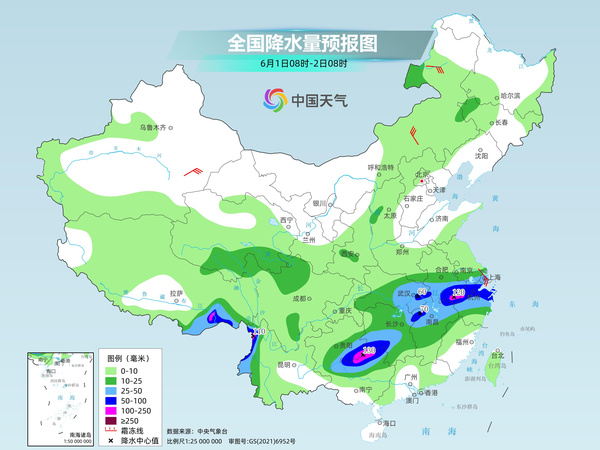
长江中下游今天仍为降雨核心区 华南天气闷热多地体感或超40℃
Yang Shi Wang· 2025-06-01 01:20
Group 1 - The central region of China, particularly the Yangtze River middle and lower reaches, is experiencing significant rainfall, with heavy rain expected to continue over the holiday period [1][2][5] - The rain is forecasted to shift southward, affecting regions in South China, with warnings for potential severe weather including thunderstorms and strong winds [2][5] - The northeastern region is experiencing a cooling trend due to the movement of cold air, contrasting with the hot and humid conditions in South China, where temperatures may feel above 40°C [6] Group 2 - Specific areas such as Anhui, Zhejiang, and Jiangxi are currently facing heavy rain and localized flooding, with some regions reporting extreme weather conditions [2][5] - The forecast indicates that the heavy rainfall will persist in the central and southern parts of China, with warnings for potential flash floods and landslides in vulnerable areas [3][4] - The temperature fluctuations in northern regions are notable, with cities like Harbin and Changchun experiencing much cooler weather compared to the high temperatures in southern cities like Nanning and Haikou [6]