共享工厂

Search documents
东莞机器人基地成初创企业“梦工厂”
Zhong Guo Xin Wen Wang· 2025-06-24 08:25
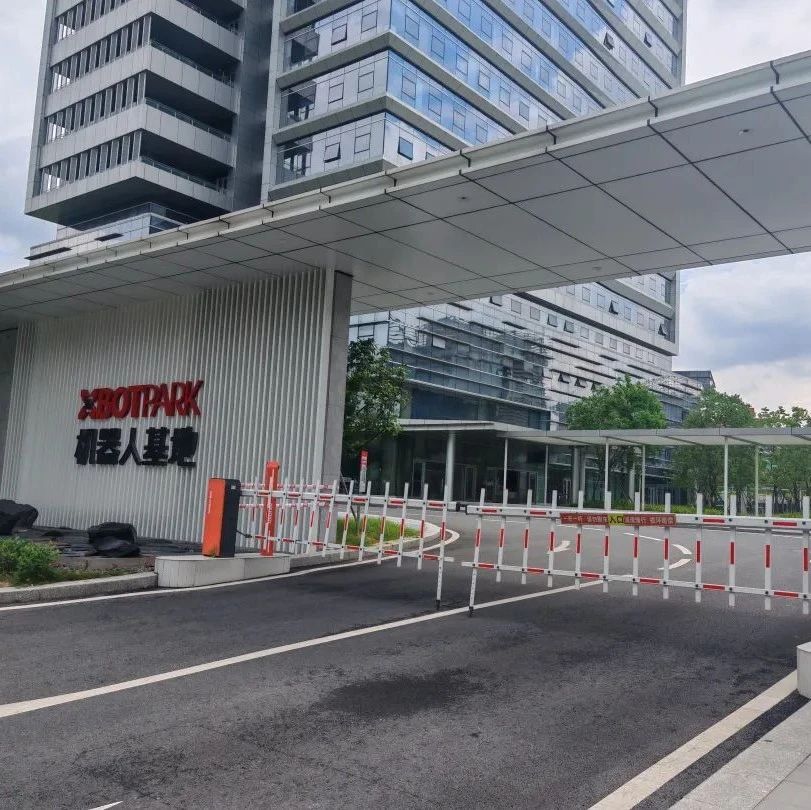
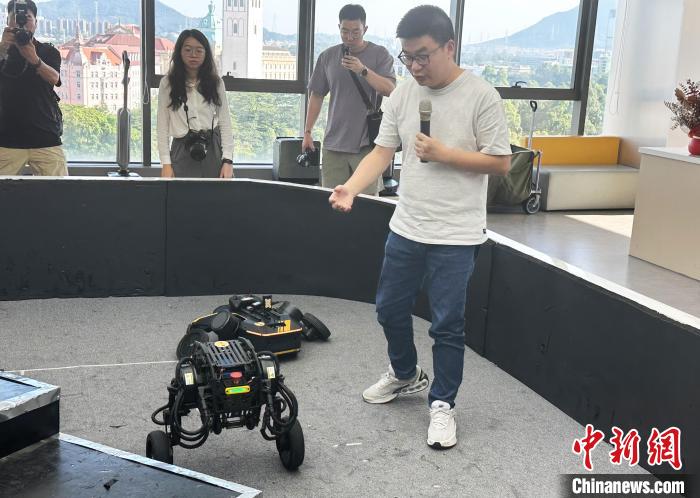
Core Viewpoint - The XbotPark robot base in Dongguan has become a "dream factory" for startups, providing essential support and resources for the rapid development of robotics companies, exemplified by the success of Benmo Technology, which anticipates a revenue increase to 400 million RMB this year [1][3]. Group 1: Company Overview - Benmo Technology has entered a rapid growth phase, expecting to deliver over 10 million direct drive joint modules this year, primarily supplying leading domestic robotics companies [1]. - The company has established over ten automated and semi-automated production lines for core robotic components and has delivered thousands of wheeled robots to over 50 countries [3]. Group 2: XbotPark Robot Base - XbotPark was founded in 2014 by prominent academics and operates under an innovative model of "government support and enterprise operation," creating a comprehensive robotics ecosystem by connecting resources from Hong Kong, mainland China, and globally [3][5]. - The base serves startups through a "shared factory" model, leveraging the efficient supply chain of the Guangdong-Hong Kong-Macao Greater Bay Area to reduce costs and accelerate hardware iteration [5]. Group 3: Support for Startups - The "shared factory" platform provides one-stop solutions for different stages of product manufacturing, enabling startups to achieve rapid prototype design and improve product development efficiency while reducing trial and error costs [5][6]. - Since 2018, the incubation model of XbotPark has expanded nationwide, with over 140 hard-tech companies incubated, including six unicorns valued at over 1 billion USD [6].


“共享工厂”共建签约 塑造无人机智造新范式
Nan Jing Ri Bao· 2025-06-15 01:37
Core Insights - The establishment of a "shared factory" in Jiangbei New District focuses on addressing core pain points in industrial upgrading, particularly in the low-altitude aircraft sector [1] - Nanjing Julong Composite Materials Technology Co., Ltd. leads the initiative, having developed over 50 large industrial drones, and aims to create an efficient drone manufacturing ecosystem by consolidating upstream and downstream enterprises [1] - The "shared factory" features a smart manufacturing hub that operates based on real-time order data, enhancing operational efficiency and resource visibility [1] Group 1 - The "shared factory" integrates flexible production lines covering industrial-grade medium to large drones, enabling rapid assembly and testing of drones from raw materials to finished products [2] - The facility includes a 350-meter high-standard runway and various takeoff and landing points, allowing for immediate test flights upon completion [2] - The initiative aims to break down barriers in technology, data, region, and collaboration, creating a new paradigm for drone manufacturing that emphasizes shared space, design, production lines, and testing [2]
实探“共享工厂”:一件也接单!
Zheng Quan Shi Bao· 2025-05-31 14:14
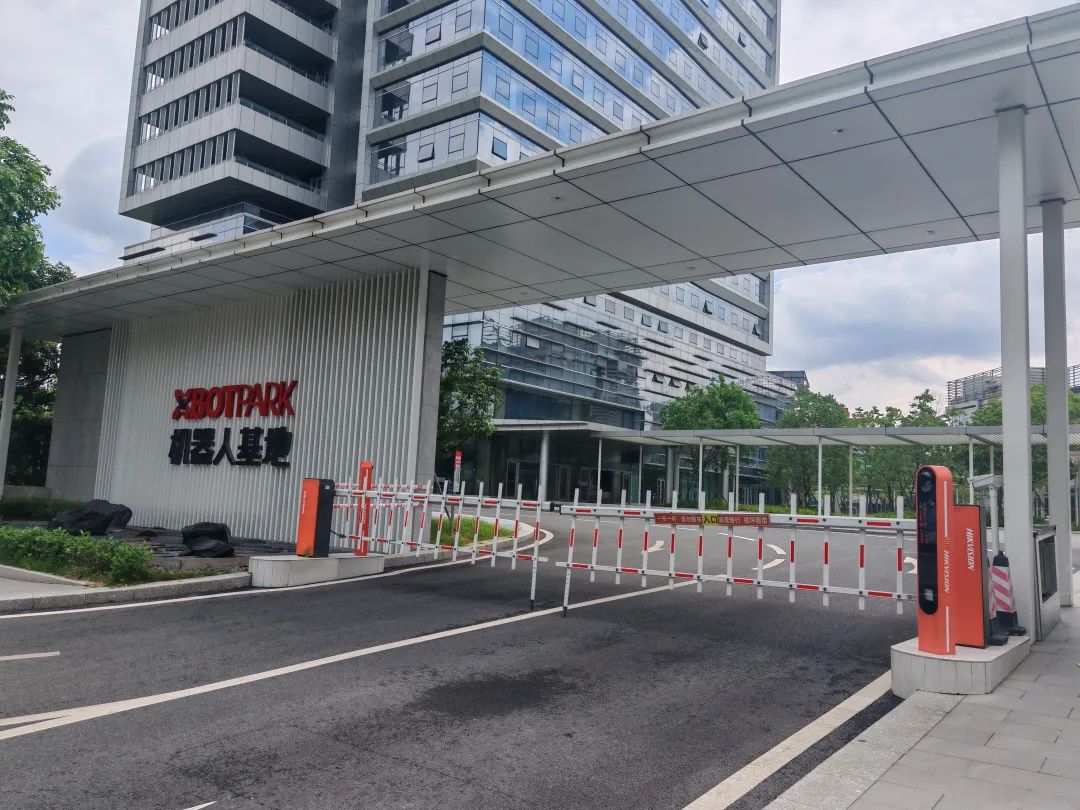
Core Insights - The article discusses the emergence of a shared factory model in Dongguan's XbotPark, which supports hardware startups in transforming concepts into products efficiently [1][7][11] - The shared factory addresses common challenges faced by entrepreneurs, such as high costs and resource acquisition difficulties, by providing a comprehensive support system [3][9][10] Group 1: Shared Factory Model - The shared factory at XbotPark is designed to provide a one-stop solution for hardware innovators, focusing on supply chain management, production process optimization, and technical support [1][7] - Unlike traditional factories that operate on a per-order basis, the shared factory accepts small orders, catering to the needs of startups that may not yet have mature products [7][11] - The factory has already facilitated the production and shipment of 300,000 units for over 100 startups, leveraging resources from well-known companies like DJI [8][9] Group 2: Challenges Faced by Startups - Startups often struggle with three main pain points: difficulty in obtaining stable supply chain resources, lack of manufacturing expertise, and limited bargaining power due to small order volumes [9][10][12] - The shared factory alleviates these issues by providing experienced operational teams and a verified supplier network, allowing entrepreneurs to focus on technology development [10][11] Group 3: Future Prospects and Ecosystem Development - The shared factory aims to expand its services beyond local resources to integrate global supply chains, enhancing its capabilities and service range [13][15] - The model has already attracted international interest, with a Canadian startup seeking assistance for product prototyping, indicating the potential for global outreach [14][15]
实探“共享工厂”:一件也接单!
证券时报· 2025-05-31 14:08
Core Viewpoint - The article discusses the emergence and significance of shared factories, particularly the XbotPark shared factory in Dongguan, which supports hardware startups in transforming concepts into market-ready products efficiently and cost-effectively [1][3][6]. Group 1: Shared Factory Concept - Shared factories provide a solution for hardware startups facing high costs and resource limitations in product development and manufacturing [3][6]. - The XbotPark shared factory is not merely a rental space but offers comprehensive services including supply chain management, production process optimization, and technical support [6][12]. - Unlike traditional factories that operate on a per-order basis, shared factories can accept single-unit orders, catering to the needs of startups at various stages of product development [6][12]. Group 2: Pain Points for Startups - Startups face three main challenges: difficulty in accessing supply chain resources, lack of professional manufacturing teams, and limited bargaining power due to small order volumes [10][11]. - The shared factory model addresses these pain points by providing experienced operational teams and a verified supplier network, which helps reduce communication costs and improve product quality [11][12]. Group 3: Ecosystem Development - The shared factory aims to evolve from supporting small-scale production to facilitating large-scale manufacturing by leveraging collective order demands to negotiate better pricing with suppliers [13][14]. - The model promotes a "group buying" approach, creating a win-win situation for startups and suppliers by ensuring stable orders while reducing costs [13][14]. - The shared factory is also focused on building an ecosystem by integrating global supply chain resources and fostering partnerships with startups, enhancing its service capabilities [14].