文化和自然遗产保护

Search documents
斑驳的城墙、古老的建筑“诉说”新故事 “见证”民族文化交流与融合
Yang Shi Wang· 2025-06-13 08:16
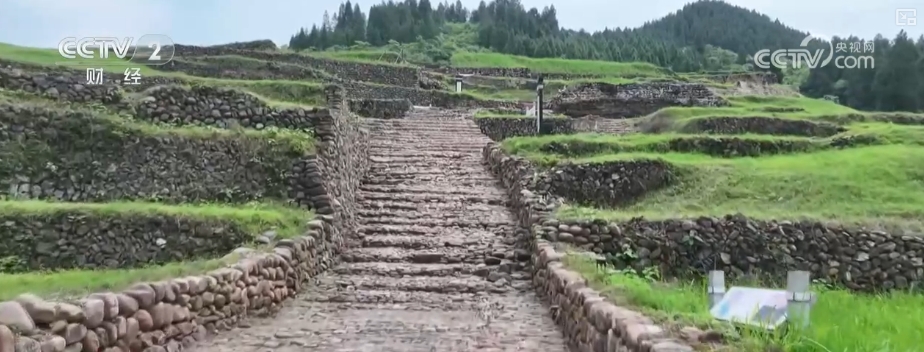
Group 1 - The 9th Cultural and Natural Heritage Day in China will be held on June 14, 2025, with the main venue in Changsha, Hunan, where a series of classic cases on cultural relic protection and revitalization will be released [1] - The Laosi City site, located in Yongshun County along the Lingxi River, is recognized as Hunan's first World Cultural Heritage site, serving as a "living fossil" of the Tusi system and a witness to ethnic cultural exchange and integration [6][9] - The core area of the Laosi City site covers approximately 250,000 square meters, featuring multiple functional zones such as palace, government office, residential, and burial areas, with over ten thousand artifacts unearthed, providing valuable material for studying the ancient Tusi system and ethnic culture [9] Group 2 - The ancient city walls of Laosi City were constructed using a mixture of lime, glutinous rice, tung oil, and cotton, making them exceptionally sturdy and well-preserved to this day, symbolizing prosperity and good fortune [11] - To revitalize cultural heritage, Laosi City is actively promoting the integration of culture and tourism, transforming the site into a popular cultural tourism landmark [13]

关注2025文化和自然遗产日丨守真守艺 器象新章
He Nan Ri Bao· 2025-06-10 23:54
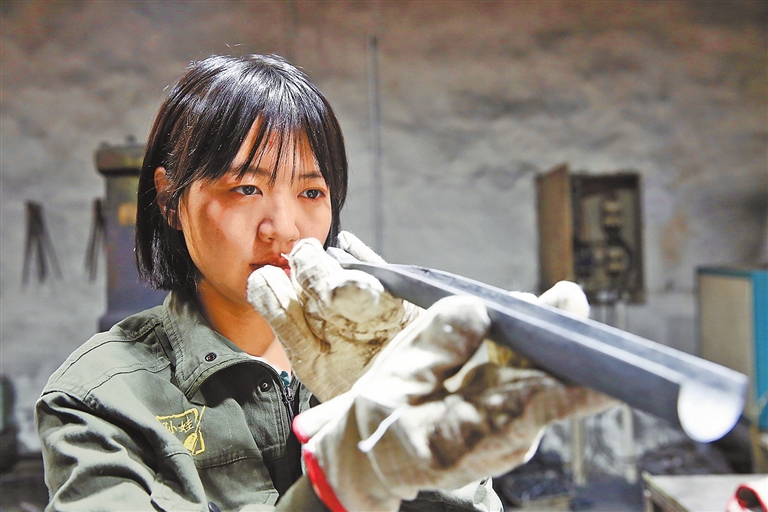
Group 1: Cultural Heritage and Preservation - The article emphasizes the importance of cultural and natural heritage, particularly in Henan, where there are dedicated individuals working to protect, inherit, and innovate these legacies [1] - The efforts of individuals like Sun Yinying, a fifth-generation craftsman of the Luoyang shovel, showcase the blend of traditional craftsmanship with modern applications, enhancing archaeological practices [3][5] - Ding Yongxiang's commitment to reviving Huai Bang, a traditional folk art, highlights the ongoing efforts in cultural heritage protection, demonstrating the potential for these art forms to thrive in contemporary settings [7][10] Group 2: Innovations in Traditional Crafts - Sun Yinying has innovated the Luoyang shovel by creating various new specifications, expanding its application in modern construction and archaeology, which reflects a successful transformation of traditional tools [5][6] - Chen Qingwei has integrated CNC engraving technology into the production of wooden combs, significantly increasing efficiency and allowing for the revival of traditional comb-making techniques [16][22] - Qin Lichen's work with mortise and tenon joints illustrates the application of traditional woodworking techniques in modern design, promoting the cultural significance of these methods [27][31] Group 3: Community Engagement and Education - Ding Yongxiang has actively involved local communities in cultural heritage activities, fostering a sense of pride and ownership among villagers regarding their cultural practices [13][15] - Chen Qingwei has established a comb-making training institute, providing opportunities for local artisans and promoting the transmission of traditional skills to younger generations [25] - Qin Lichen conducts workshops to teach young people about traditional woodworking, ensuring the continuation of these skills and the appreciation of cultural heritage [31]