无人机黑飞

Search documents
上海警方通报
Zhong Guo Ji Jin Bao· 2025-08-31 02:53
Group 1 - The core issue revolves around the increasing incidents of drone crashes in urban areas, particularly in Shanghai, highlighting the need for stricter regulations and enforcement [1][2][3] - The Shanghai World Financial Center has reported a total of 95 drone crash incidents since 2016, with a significant increase in occurrences over the past three years, indicating a trend of rising drone-related accidents [2][3] - The recent incident involved two drones colliding at a height of over 400 meters, causing damage to the building's waterproof layer, which emphasizes the potential risks associated with unauthorized drone flights [2][3] Group 2 - The police have issued administrative penalties to individuals involved in unauthorized drone flights, reinforcing the importance of compliance with drone regulations to prevent property damage and ensure public safety [1] - The building management has expressed strong condemnation of the unauthorized drone flights, indicating a growing concern among property owners regarding the safety and integrity of their structures [2] - The statistics show that in 2023 alone, there have been 35 recorded drone incidents, reflecting a significant rise in drone activity and the challenges of managing such operations in densely populated urban environments [3]
上海警方通报
中国基金报· 2025-08-29 05:58
Core Viewpoint - The article highlights the increasing incidents of drone-related accidents in urban areas, particularly in Shanghai, emphasizing the need for stricter regulations and adherence to flying rules by drone enthusiasts [1][3][4]. Group 1: Incident Reports - On August 25, 2025, three drone enthusiasts violated flying regulations in the Lujiazui area, causing damage to a building's waterproof layer, leading to administrative penalties by the police [1]. - Two drones collided at the top of the Shanghai World Financial Center, resulting in damage to the waterproof layer of the building, with the incident being classified as "illegal flying" [3][4]. - The Shanghai World Financial Center has recorded 95 drone-related incidents since 2016, with a significant increase in occurrences over the past three years, indicating a growing trend in illegal drone flights [4]. Group 2: Regulatory and Safety Concerns - The police have issued warnings to drone operators about the importance of following flying regulations to prevent damage and ensure safety, indicating a commitment to strict enforcement against violations [1]. - The building management expressed concerns over the frequency of drone accidents, noting that over 70% of incidents have occurred in the last three years, with 35 incidents reported in 2023 alone [4]. - The management has documented all incidents and reported them to the authorities, but the effectiveness of post-incident accountability measures has been limited [4].


400米高空两架无人机对撞!上海环球金融中心96层平台防水层被砸出坑洞!
Mei Ri Jing Ji Xin Wen· 2025-08-29 00:25
Core Viewpoint - The increasing incidents of unauthorized drone flights in Shanghai, particularly around high-rise buildings, have raised significant safety concerns, prompting stricter regulations and enforcement measures by local authorities [1][3][4]. Group 1: Incident Reports - On August 25, 2025, three drone enthusiasts violated flight regulations in the Lujiazui area, causing damage to a building's waterproof layer, leading to administrative penalties [1]. - Two drones collided at the top of the Shanghai World Financial Center, resulting in damage to the waterproof layer of the building, marking the 95th recorded incident since 2016 [3]. - The building's management reported that the incidents are primarily due to unauthorized flights, with a significant increase in occurrences over the past three years [4]. Group 2: Regulatory Measures - The first specialized regulation for drones, the "Interim Regulations on the Management of Unmanned Aerial Vehicle Flights," came into effect on January 1, 2024, enhancing safety and management requirements [4]. - The Beijing government has designated several districts as no-fly zones for unauthorized drones, effective from August 29 to September 3, 2023, to improve airspace safety [4][5]. - A previous announcement by the Beijing government established the entire administrative area of Beijing as a controlled airspace for drone operations, requiring approval for any flights [5].
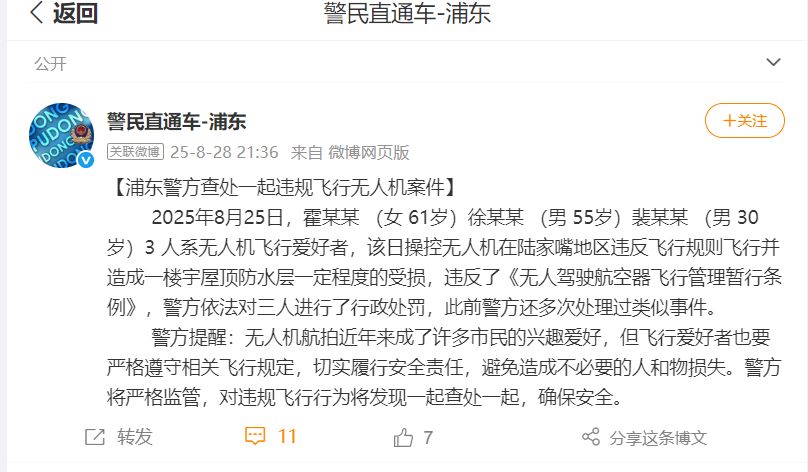
400米高空 两架无人机对撞!上海地标环球金融中心96层平台防水层被砸出坑洞 运营方已报警!9年95起事故 这里成“黑飞”重灾区
Zhong Guo Ji Jin Bao· 2025-08-28 16:34
Core Viewpoint - The article highlights the increasing incidents of unauthorized drone flights ("black flights") in urban areas, particularly around the Shanghai World Financial Center, raising concerns about public safety and the need for stricter regulations [1][2][3]. Group 1: Incident Overview - Two drones collided at the top of the Shanghai World Financial Center, resulting in damage to the building's waterproof layer [1]. - This incident marks the 95th recorded drone crash at the building since 2016, indicating a troubling trend of unauthorized drone activity in the area [1][2]. - The building's management has reported that the majority of these incidents have occurred in the last three years, with 35 incidents in 2023 alone [2]. Group 2: Regulatory Environment - The rise in drone usage has led to increased incidents of "black flights," which are illegal and pose risks to public safety [3]. - China's legal framework imposes severe penalties for "black flight" activities, with potential prison sentences ranging from three years to life, depending on the consequences of the actions [3][4]. - New regulations effective from January 1, 2024, aim to manage drone operations more effectively, including requirements for registration and approval for flights in controlled airspace [3][5]. Group 3: Recommendations for Improvement - The building's management has called for the establishment of no-fly zones in core business districts and the implementation of electronic fencing and obstacle avoidance systems for drones [2]. - There is a need for enhanced monitoring and accountability measures to deter illegal drone flights and educate operators about the risks and legal responsibilities associated with flying drones in urban areas [2][3].
400米高空,两架无人机对撞!上海地标环球金融中心96层平台防水层被砸出坑洞,运营方已报警!9年95起事故,这里成“黑飞”重灾区
中国基金报· 2025-08-28 14:55
Core Viewpoint - The article discusses the increasing incidents of unauthorized drone flights ("black flights") in urban areas, particularly around the Shanghai World Financial Center, highlighting the need for stricter regulations and enforcement to ensure public safety [2][3][5]. Group 1: Incident Overview - Two drones collided at the top of the Shanghai World Financial Center, resulting in damage to the building's waterproof layer [2]. - This incident marks the 95th recorded drone crash at the building since 2016, with a significant increase in such incidents over the past three years [3]. - In 2023 alone, there have been 35 reported drone crashes, with 17 occurring in the first eight months of the year [3]. Group 2: Regulatory Environment - The article emphasizes the legal implications of "black flights," which can lead to severe penalties under Chinese law, including imprisonment for up to ten years for causing significant harm or damage [5][6]. - The "Interim Regulations on the Management of Unmanned Aerial Vehicles" effective from January 1, 2024, outlines specific illegal flight scenarios, including flying without a license and failing to register [6][7]. Group 3: Recommendations for Safety - The building's management calls for the establishment of no-fly zones in core business districts and the mandatory installation of electronic fencing and obstacle avoidance systems on drones [3]. - It is recommended that drone operators must register their drones and submit flight activity applications to air traffic management authorities before flying [8][9].

400米高空,两架无人机对撞!上海地标环球金融中心96层平台防水层被砸出坑洞,运营方已报警!9年95起事故,这里成“黑飞”重灾区
Mei Ri Jing Ji Xin Wen· 2025-08-28 08:33
Core Points - The article discusses a recent incident involving two drones colliding at the top of the Shanghai World Financial Center, resulting in damage to the building's waterproof layer [1][5][10] - The building management has condemned the incident, which is part of a growing trend of unauthorized drone flights in the area, with 95 recorded incidents since 2016 [7][10] - The article highlights the need for stricter regulations and enforcement to prevent such incidents, including the establishment of no-fly zones and mandatory safety features for drones [14][15] Incident Details - The drone collision occurred on August 24, with one drone embedding itself into the waterproof layer of the 96th floor, causing significant structural damage [5][10] - The building has become a hotspot for unauthorized drone activity, with over 70% of incidents occurring in the last three years, including 35 incidents in 2023 alone [10][11] - Fortunately, there have been no reported injuries from these incidents, but the financial impact on the building has been substantial [7][10] Regulatory Context - The article outlines the legal implications of unauthorized drone flights, known as "black flights," which can lead to severe penalties under Chinese law, including imprisonment for up to ten years for causing significant harm [15][17] - New regulations effective January 1, 2024, will further define and restrict unauthorized drone operations, emphasizing the need for proper registration and adherence to flight regulations [17][18] - The article calls for enhanced monitoring and accountability measures to deter illegal drone activity and educate operators about the risks and legal responsibilities associated with flying drones in urban areas [14][15]
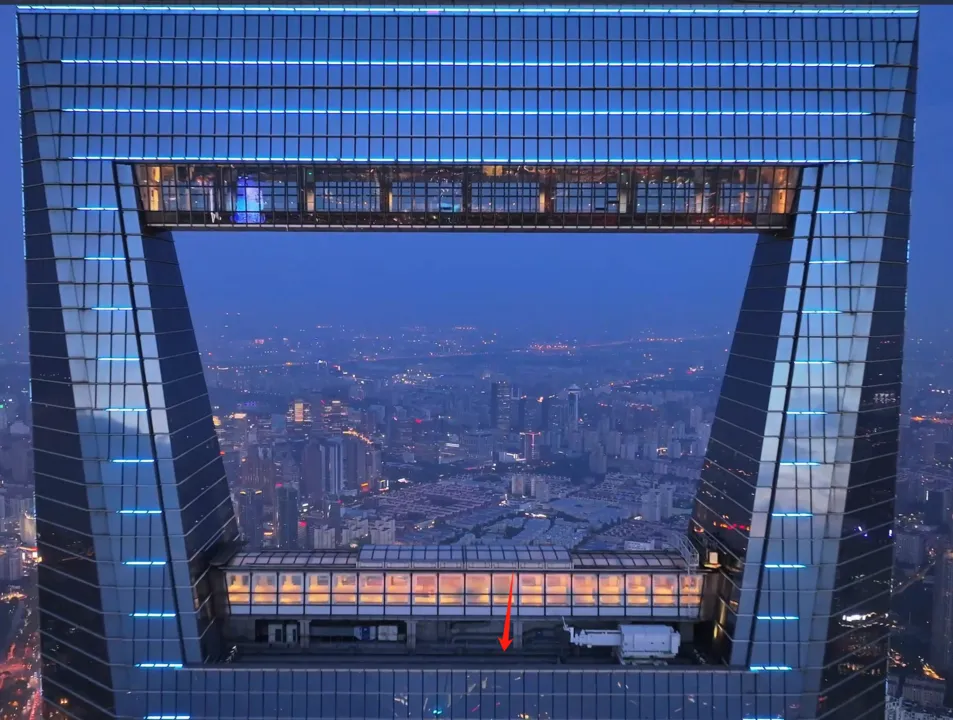
天空不是法外之地 任性飞,不中!
He Nan Ri Bao· 2025-07-17 23:31
Core Viewpoint - The newly revised Public Security Administration Punishment Law will impose stricter regulations on the operation of civilian drones, categorizing "black flying" as a public safety violation, effective January 1, 2026, in response to increasing safety risks associated with unauthorized drone flights [3][11]. Group 1: Black Flying Phenomenon - "Black flying" refers to unauthorized drone operations without legal flight qualifications, registration, or airspace approval, which can lead to significant safety risks [6][8]. - A case in April 2023 involved an individual flying a drone in a no-fly zone near an airport, resulting in administrative penalties, highlighting the potential dangers of such actions [4][6]. - The rise in consumer drones, with prices dropping to around 1,000 yuan, has led to an increase in unauthorized flights, raising concerns about public safety [6][8]. Group 2: Regulatory Framework - The revised law provides a legal basis for law enforcement to address "black flying" incidents, with penalties ranging from warnings to administrative detention for serious violations [11][10]. - The new regulations emphasize the need for prior approval for drone flights in controlled airspace, with specific procedures outlined for compliance [9][10]. - The establishment of a regulatory framework aims to promote the healthy and orderly development of the drone industry while ensuring public safety [11][14]. Group 3: Enforcement and Technology - Police aviation teams have been formed to monitor and counter unauthorized drone flights, utilizing specialized equipment for effective enforcement [12][13]. - Current drone countermeasures are limited in scope, necessitating advancements in technology to provide comprehensive airspace protection [16]. - Collaboration among regulatory bodies is essential for effective data sharing and management of drone operations, enhancing overall safety and compliance [15][16]. Group 4: Regional Regulations - Various regions, such as Shenzhen and Zhejiang, have implemented specific regulations regarding drone sales, modifications, and emergency procedures during flights [17][18]. - In Sichuan, a classification system for drone flight airspace has been established, requiring applications for flights in controlled areas [19]. Group 5: Pilot Requirements - Operators of small to large drones must obtain appropriate licenses, while those flying micro and light drones need to be familiar with operational methods and safety regulations [21][22].
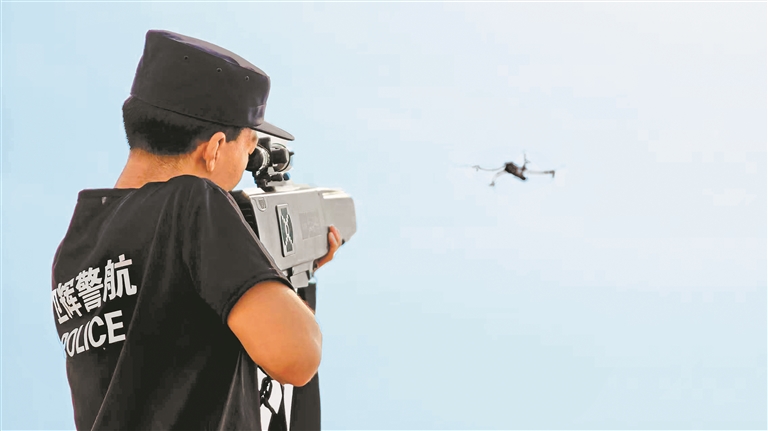
从天而降,杀伤力堪比锋刃!如何消除这个“空中隐患”?
Huan Qiu Wang Zi Xun· 2025-07-15 02:44
Core Viewpoint - The rapid increase in drone registrations has led to a rise in safety incidents, highlighting the need for stricter regulations and adherence to operational guidelines to prevent accidents and injuries caused by drones [4][6][8] Industry Overview - As of the end of 2024, there were 1.619 million registered drone owners in the industry, with 1.521 million being individual users. The total number of registered drones reached 2.177 million, marking a 98.5% increase from the previous year [4] - The current regulations categorize drones into five types based on their operational risks, and specific permissions are required for flying in controlled airspace [4][5] Safety Concerns - The primary safety hazard in the drone sector is attributed to "black flying" behavior, where operators fly drones without proper registration or permissions, often in restricted areas [5][6] - Incidents of injury from drones are becoming more common, with operators often lacking awareness of the regulations governing drone flights [5][6] Legal Implications - Drone operators may face civil liability for injuries caused by their drones, including compensation for medical expenses and other damages as stipulated by the Civil Code of the People's Republic of China [6][7] - Recent amendments to the Public Security Administration Punishment Law have classified "black flying" as a public safety violation, providing clearer enforcement mechanisms [7][8] Recommendations for Victims - Victims of drone-related injuries are advised to preserve evidence, including the drone's serial number and registration details, and to seek legal recourse through law enforcement and civil litigation if necessary [7]