
美国两党政治斗争

Search documents
记者观察:美政府“停摆”第三周 两党恶斗持续
Sou Hu Cai Jing· 2025-10-15 11:45
Group 1 - The U.S. federal government shutdown has entered its third week, with the Senate failing to pass a new temporary funding bill [1] - Since the shutdown began, 4,108 federal employees have been laid off, and President Trump is pressuring Democrats, hinting at a new round of layoffs [1] - The shutdown is significantly impacting air travel, with over 20,000 flight delays reported last week due to staffing shortages among air traffic controllers and TSA personnel [1] Group 2 - The shutdown has also affected public health and safety sectors, with FDA employees forced to take unpaid leave while still monitoring food and drug safety [3] - The U.S. job market is facing severe challenges, with consumer confidence dropping to a five-month low, and the Federal Reserve is expected to lower interest rates again due to increasing employment risks [5]

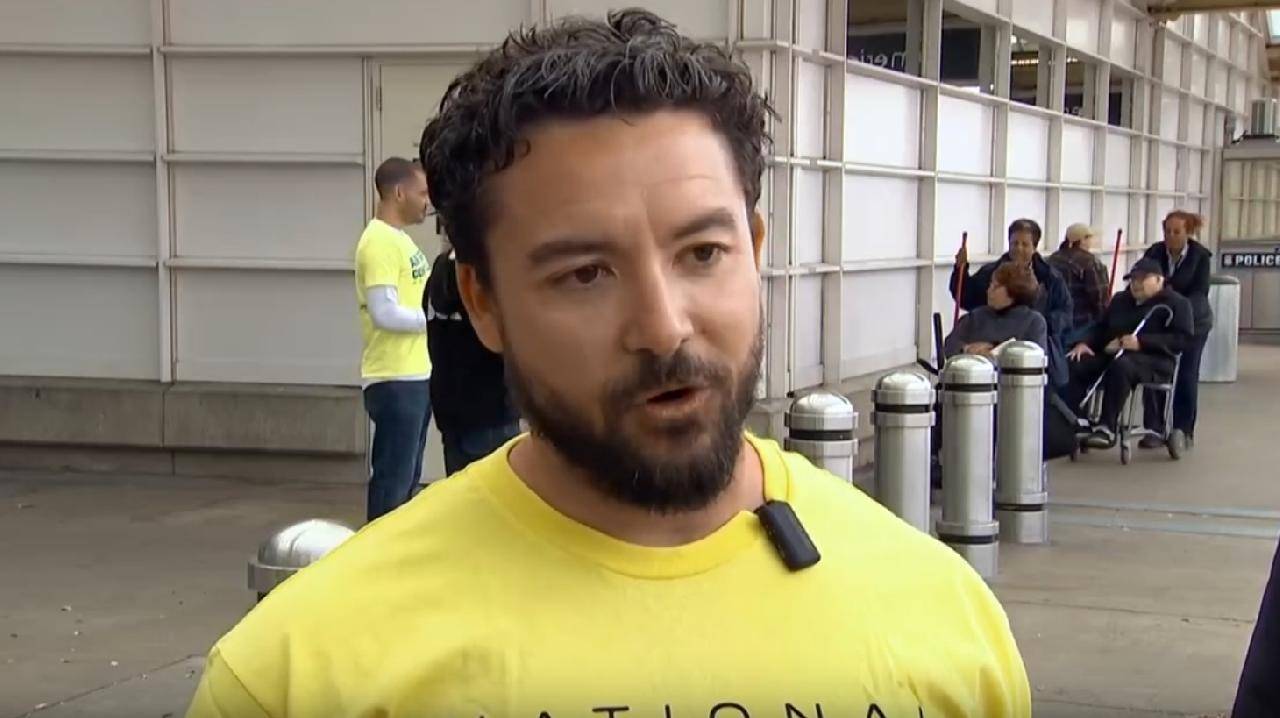
“停摆”11日,特朗普要求确保发军饷
Guo Ji Jin Rong Bao· 2025-10-12 00:27
Core Points - The U.S. federal government shutdown has entered its 11th day, significantly impacting the public and federal services [1] - President Trump has ordered Defense Secretary to use all available funds to ensure military personnel are paid during the shutdown [3] - The shutdown has led to approximately 600,000 federal employees being placed on unpaid leave, with essential service workers required to work without pay [4] Group 1: Government Shutdown Impact - The shutdown is attributed to the failure of the Senate to pass a temporary funding bill before federal funds were exhausted, marking the first shutdown in nearly seven years [4] - The Trump administration has begun laying off federal employees, with over 4,000 workers from seven agencies, including the Treasury and Health and Human Services, facing termination [4] - Public services, including national parks and the aviation system, are experiencing significant disruptions, leading to increased economic uncertainty [4] Group 2: Social Services and Vulnerable Populations - Key medical services, such as diabetes monitoring and telehealth, have been reduced or canceled in some Native American reservations due to the shutdown [7] - Federal assistance programs are facing funding shortages, impacting low-income families and farmers as they plan for the upcoming planting season [7] - The ongoing fiscal deadlock between Democrats and Republicans shows no signs of compromise, exacerbating the issues faced by the most vulnerable populations [7]

美国政府资金耗尽,特朗普在白宫大吵一架,世界要迎来清净日子了
Sou Hu Cai Jing· 2025-10-04 10:37
Core Points - The article discusses the impending government shutdown in the U.S. due to budget disagreements, particularly under President Donald Trump's leadership, highlighting the political tensions between the Republican and Democratic parties [1][3][5] - The article emphasizes the historical context of budget standoffs, particularly referencing Trump's previous term and the impact of political infighting on federal operations and employees [9][10] Political Dynamics - The negotiations between Trump and Democratic leaders have stalled, with significant divisions preventing progress on the budget [3][5] - The requirement for a supermajority in the Senate complicates the budget approval process, allowing the Democratic party to block Trump's proposals despite Republican control [3][5] Government Operations - A failure to pass a new funding bill by October 1 will lead to a government shutdown, affecting various federal services and employees [5][9] - The article draws parallels between the current budget issues and past shutdowns, illustrating the recurring nature of these political conflicts [9][10] Social Implications - The article notes that the current political climate reflects a deepening divide in American society, with both parties increasingly viewing each other as adversaries rather than collaborators [12][14] - The potential government shutdown could lead to a temporary reduction in U.S. international engagements, as domestic issues take precedence [14][16]
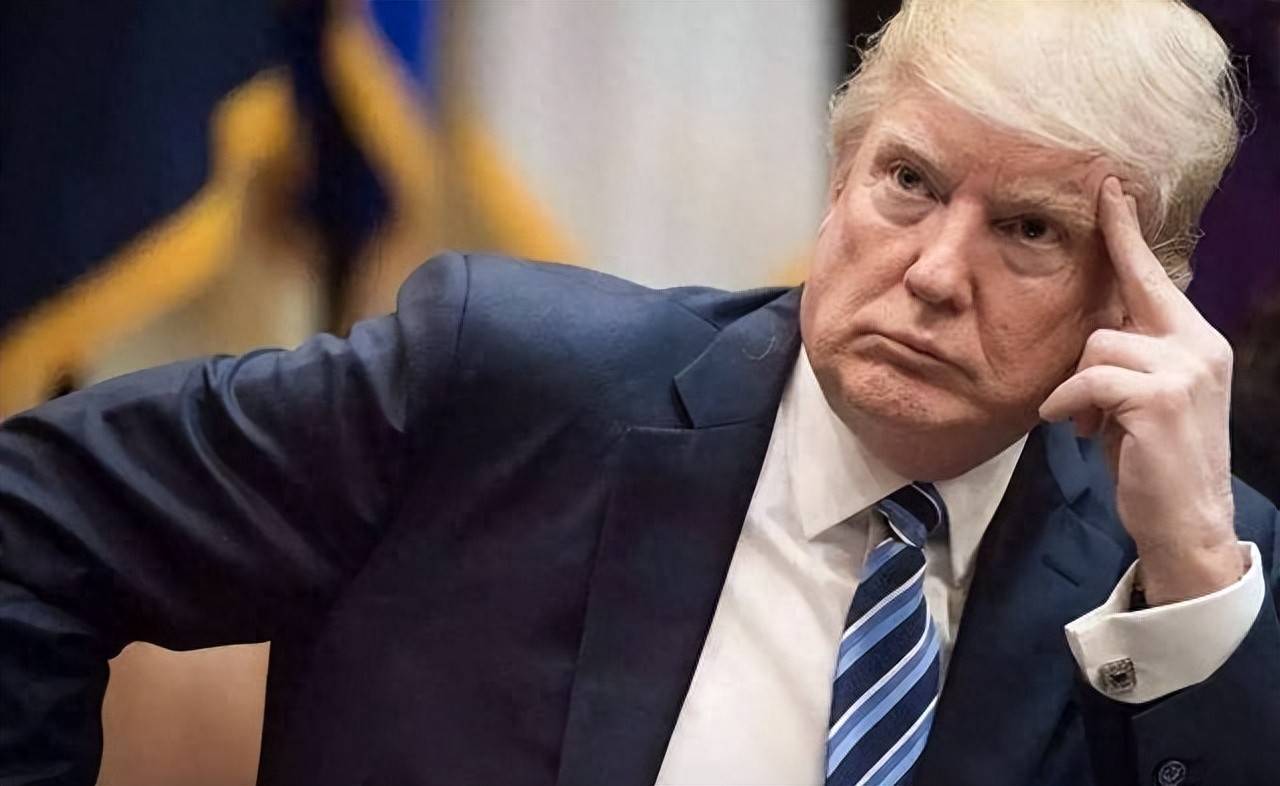
特朗普威胁“美国政府很可能10月1日关门”,民主党“准备大干一场”,这次“狼来了”要成真?
智通财经网· 2025-09-20 01:56
Core Points - The U.S. government is at risk of a shutdown as both Republican and Democratic short-term spending bills failed to pass in the Senate, with the deadline approaching for a new fiscal year on October 1 [1][2][3] - The Republican bill aimed to fund the government until November 21 and included $88 million for security funding, while the Democratic proposal totaled $1.5 trillion and included healthcare provisions [3][4] - The healthcare policy has become a central point of contention, with Democrats advocating for the extension of subsidies under the Affordable Care Act, while Republicans refuse to include healthcare provisions in their spending bill [5][6] Summary by Sections Legislative Actions - The Republican short-term spending bill passed the House with a narrow margin of 217 to 212 but failed in the Senate, receiving only 44 votes in favor against 48 opposed [1] - The Democratic alternative also failed to secure the necessary 60 votes, garnering 47 in favor and 45 against [1][2] Political Dynamics - The likelihood of a government shutdown is heightened compared to previous years, as Democrats have taken a firmer stance this time, influenced by internal party pressures and upcoming healthcare issues [2][6] - Polls indicate that voters prioritize Social Security, Medicare, and healthcare in funding discussions, with blame for the deadlock spread across party lines [2] Budgetary Implications - The current funding debate involves approximately $7 trillion of the federal budget, with only a quarter of it being discussed in the context of the temporary funding measures [7] - The inability to pass a budget on time has led to reliance on temporary funding measures, which has become a recurring issue due to partisan conflicts [7]