能效提升

Search documents
IEA国际能源署:能效政策工具包2024
Sou Hu Cai Jing· 2025-06-14 08:10
Core Viewpoint - The International Energy Agency (IEA) has released the "Energy Efficiency Policy Toolkit 2024," aimed at accelerating global energy efficiency improvements to support the goal of net-zero emissions by 2050. The toolkit emphasizes the importance of energy efficiency in enhancing quality of life, ensuring energy security, and facilitating the transition to clean energy [1][2][6]. Summary by Relevant Sections Policy Framework - The toolkit is designed to assist governments in implementing a combination of regulatory, informational, and incentive-based policies to double the rate of global energy efficiency improvements by 2030 [7][28]. - It builds on previous policy frameworks and emphasizes the need for a multi-faceted approach to energy efficiency across various sectors [7][12]. Sector-Specific Strategies - **Buildings**: New regulations mandate zero carbon emissions for new buildings, while existing buildings must set renovation targets. Energy performance certificates will enhance transparency, and subsidies will lower the cost of energy-efficient upgrades [1][28]. - **Appliances**: Minimum efficiency standards will phase out low-efficiency products, and energy labels will aid consumer decision-making. Financial incentives will reduce the cost of purchasing energy-efficient appliances [1][18]. - **Industry**: Minimum efficiency standards for motors will drive technological upgrades, and energy efficiency networks will promote knowledge sharing. The toolkit also includes measures to link energy efficiency with market mechanisms [1][20]. - **Vehicles**: Fuel economy standards will reduce emissions, and energy labels will provide consumer guidance. Subsidies for electric vehicles will accelerate their adoption [1][22]. Additional Focus Areas - The toolkit also addresses energy-efficient cities, clean cooking solutions, and energy efficiency financing, highlighting the importance of digital innovation and international cooperation [2][23]. - It aims to provide a systematic framework for energy efficiency improvements through coordinated actions across multiple sectors and policy types [2][28]. Strategic Principles - The toolkit outlines ten strategic principles to guide policymakers in enhancing and expanding existing energy efficiency measures, emphasizing the need for broad societal participation and international collaboration [10][11].


国网浦城县供电公司:能效诊断“小报告”助力企业“大提效”
Zhong Guo Neng Yuan Wang· 2025-05-15 10:16
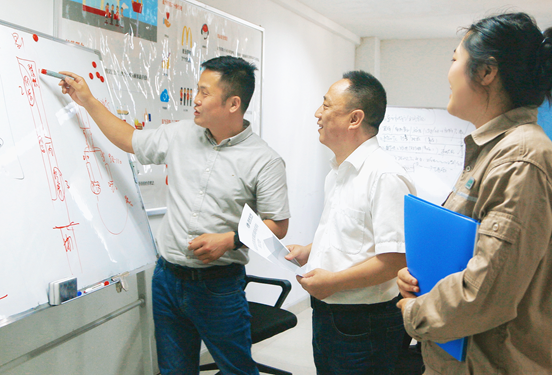
Core Viewpoint - The State Grid Pucheng Power Supply Company is actively enhancing energy efficiency services to help clients reduce energy costs and improve energy utilization efficiency through tailored energy diagnostics and recommendations [1][3]. Group 1: Energy Efficiency Services - The company provides energy efficiency diagnosis services, focusing on identifying issues to enhance electricity efficiency and lower energy costs [1]. - Customized energy analysis is conducted for clients, including the preparation of power load demand response measures [3]. - The company assists enterprises like Shennong Development (Pucheng) Co., Ltd. by analyzing their energy consumption data and operational characteristics to identify high energy-consuming equipment and potential energy-saving opportunities [3]. Group 2: Implementation and Support - Specific energy-saving measures and suggestions are provided to enterprises, along with tracking services to ensure effective implementation of these measures [3]. - After each monthly electricity bill issuance, the company forms a dedicated energy efficiency service team to analyze the energy usage situation and create detailed energy efficiency bills for clients [3]. - The company has helped Shennong Development (Pucheng) Co., Ltd. earn a power factor electricity fee reward of 109,600 yuan this year [3]. Group 3: Future Plans - The company plans to continue conducting energy efficiency diagnosis services for industrial enterprises, utilizing online platforms to monitor client energy usage and assist in reducing energy costs and carbon emissions [5].