
诈骗犯罪

Search documents
沪漂男子利用室友梦游症设局
Xin Lang Cai Jing· 2025-12-20 06:44
Core Points - The article discusses a fraudulent scheme involving two individuals, where one exploited the other's sleepwalking condition to extort money under false pretenses [1][2] - The perpetrator, identified as Pan, was sentenced to six months of detention and fined after being prosecuted for fraud [2] Group 1: Fraud Scheme Details - Pan and Chen, both migrant workers in Shanghai, shared an apartment and initially had a good relationship [1] - After discovering Chen's sleepwalking condition, Pan devised a plan to hide Chen's phone while he was asleep and then fabricated a story about a third party who found the phone, demanding a "return fee" [1] - Over a period of time, Pan successfully extorted a total of 12,800 yuan from Chen through this repeated scheme, with the amount demanded changing each time [1] Group 2: Legal Proceedings - Following the report to the police, the case was transferred to the Minhang District Prosecutor's Office, where Pan confessed to his crimes [2] - Pan voluntarily admitted guilt, returned all the illegally obtained money, and compensated Chen for his losses, which led to a plea agreement [2] - The court's decision resulted in a six-month detention and a fine for Pan, reflecting the legal consequences of his fraudulent actions [2]
“90后幼儿园园长”设局诈骗千万
第一财经· 2025-12-04 02:52
Core Viewpoint - A 90s woman in Yangzhong, Jiangsu, named Huang, defrauded 10 victims out of over 14 million yuan by falsely claiming she could facilitate school transfers and job placements, leading to her conviction for fraud and false capital registration [3][5]. Group 1: Fraud Scheme Details - Huang posed as a kindergarten principal and human resources company owner, promising to handle school transfers and job placements for victims [3]. - She collected 2 million yuan from a victim named Cheng under the pretense of facilitating a school transfer, later demanding an additional 140,000 yuan as "sponsorship fees" from accomplices posing as officials [3][4]. - Huang's fraudulent activities escalated to offering job placements without exams, resulting in over 320,000 yuan being collected under false pretenses [3]. Group 2: Legal Consequences - Huang was sentenced to 13 years and 3 months in prison and fined 1.12 million yuan for her crimes [3]. - The prosecution also added charges for false capital registration, and efforts were made to recover over 500,000 yuan for the victims [5].


谨防“医托”“圈子”等诈骗手法……这些典型案例值得关注
Xin Hua She· 2025-12-01 08:43
Group 1 - The Supreme People's Court has released six typical cases of fraud related to people's livelihood, aiming to enhance public awareness and anti-fraud capabilities [1][2] - In the "Hu et al. fraud case," the defendants deceived patients into purchasing expensive but ineffective cancer treatment drugs, defrauding over 50 victims of more than 520,000 yuan [1] - In the "Ni et al. fraud case," the perpetrator lured elderly individuals with free meals and gifts to sell overpriced health products, resulting in sales exceeding 620,000 yuan [1] Group 2 - Fraudsters have exploited the growing popularity of marathon events, as seen in a case where an individual misled participants into believing they could secure race spots, defrauding over 10 victims of more than 110,000 yuan [2] - Various fraud cases include concealing the death of insured individuals to claim pensions, double-dipping on pension claims, and impersonating disabled persons to obtain state subsidies, all leading to severe legal consequences for the offenders [2] - The Supreme Court has urged the public to enhance their awareness of fraud prevention and legal rights, encouraging timely reporting of fraud incidents [2]
薅国家养老金“羊毛”涉及诈骗罪,最高法发布一批典型案例
2 1 Shi Ji Jing Ji Bao Dao· 2025-12-01 06:07
Core Points - The article highlights the increasing prevalence of fraud cases in various sectors, particularly in healthcare, pension, investment, and consumer spending, posing significant risks to public and private property safety [1][2] - The Supreme People's Court has released six typical fraud cases from the past year, focusing on specific groups, with three cases involving the fraudulent acquisition of social security and welfare benefits [1] - The article emphasizes the need for public awareness regarding the legal implications of fraud, particularly in relation to pension fraud, which undermines the social insurance system [1][2] Summary by Categories Social Security and Welfare Fraud - Case 1 involved a relative of a deceased retiree who concealed the death to illegally collect 120,000 yuan in pension benefits [1] - Case 2 featured a retiree who obtained dual residency in Hebei and Shanghai, collecting a total of 1.1 million yuan in pensions over twelve years by exploiting the system [1] Healthcare Fraud - Case 4 involved individuals targeting elderly patients seeking medical treatment in Beijing, using "medical brokers" to deceive them into purchasing ineffective and overpriced traditional medicine, resulting in over 520,000 yuan in fraudulent medical fees [2] Evolving Fraud Techniques - Case 6 illustrated a scheme exploiting the popularity of marathons, where victims were misled into paying deposits and registration fees under false pretenses, leading to a total loss of over 110,000 yuan [2] - The article notes that fraud techniques are continuously evolving, making it difficult for victims to recognize and report such crimes promptly [1][2]
最高法发布典型案例:犯罪分子骗养老钱、救命钱获刑
Zhong Guo Xin Wen Wang· 2025-12-01 03:50
Core Points - The Supreme People's Court of China has released six typical cases of fraud related to people's livelihood, highlighting the increasing frequency and sophistication of fraud cases that threaten public and private property safety [1][2] - The cases aim to raise public awareness and enhance anti-fraud capabilities, emphasizing the judicial role in guiding rules and values [1] Group 1: Pension Fraud - Case 2 involves a defendant, Li Moufeng, who fraudulently claimed pensions from two different locations, receiving over 600,000 yuan from Hebei and 500,000 yuan from Shanghai, leading to a four-year prison sentence and a fine of 50,000 yuan [1][2] - The Supreme Court stresses that receiving multiple pensions is a severe form of fraud that undermines the fairness and sustainability of the pension system [2] Group 2: Medical Fraud - Case 4 features Hu Mou and others who impersonated medical professionals to deceive over 50 victims into purchasing expensive, ineffective cancer treatment drugs, totaling over 520,000 yuan in fraud [2][3] - The court highlights the danger of such scams, particularly to seriously ill patients, as they can delay legitimate treatment and disrupt medical order [2] Group 3: Health Product Fraud - Case 5 involves defendants Ni Mourong and Guo Moufeng, who sold fake anti-cancer health products to elderly individuals at prices significantly above cost, amounting to over 620,000 yuan in total sales [3][4] - The Supreme Court notes that these fraudulent activities exploit elderly people's health concerns, causing significant financial losses and emphasizing the need for increased awareness among seniors regarding false advertising [4]
半年诈骗案已近2万起,新加坡政府放大招:对诈骗犯用鞭刑,最高24鞭!通常3鞭就会皮开肉绽
Mei Ri Jing Ji Xin Wen· 2025-11-04 12:17
Core Points - Singapore's Parliament has passed a new law imposing caning on fraud offenders, marking a significant change in the legal approach to fraud crimes [1][3] - The law, proposed in March, allows for caning sentences ranging from 6 to 24 strokes for masterminds and members of fraud syndicates, while those involved in money laundering or providing personal information to suspects may face up to 12 strokes [3][4] Fraud Statistics - Since 2020, victims of fraud in Singapore have lost approximately 3.8 billion Singapore dollars (about 20.7 billion RMB), with losses reaching a record 1.1 billion Singapore dollars (around 6 billion RMB) last year [3][4] - In the first half of this year, the number of fraud cases approached 20,000, resulting in losses of 456.4 million Singapore dollars (approximately 2.5 billion RMB) [4] - Fraud is currently the most prevalent crime in Singapore, accounting for 60% of all reported criminal cases, as stated by the Senior Minister of State for Home Affairs, Sim Ann [4]

商场“内鬼”伪造百万消费小票骗取商场积分抵扣停车费被抓
Bei Ke Cai Jing· 2025-08-11 05:24
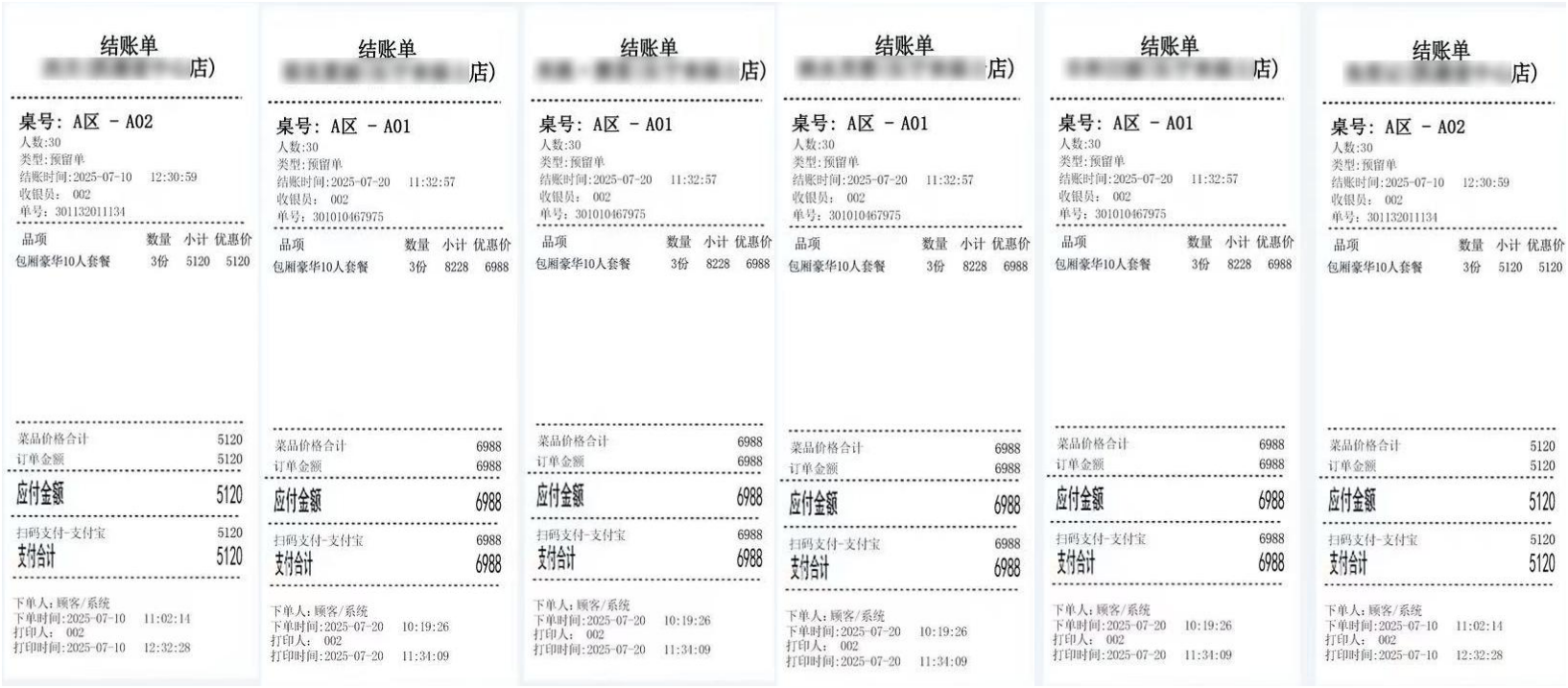
Core Insights - The article highlights a fraudulent scheme involving the forgery of consumer receipts to redeem shopping mall points, which were then used to pay for parking fees on behalf of others [1][2]. Group 1: Fraudulent Activities - A case was uncovered during the "Lijian 2025" operation, where police in Shanghai's Changning district investigated a significant increase in the redemption of shopping mall points linked to fake consumer records [2][4]. - The investigation revealed that two individuals, employees at a jewelry sales counter in the mall, were involved in creating fake receipts to accumulate points and sell them on a second-hand trading platform for profit [7][8]. Group 2: Scale of the Fraud - The suspects managed to forge nearly 500 receipts within two months, with the total amount involved reaching several million yuan, resulting in illegal profits exceeding 30,000 yuan [8][9]. - The receipts typically reported amounts between 5,000 to 7,000 yuan, significantly above the average consumer spending, raising suspicions [5][7]. Group 3: Law Enforcement Response - The police have taken criminal coercive measures against the suspects for fraud, and the case is still under further investigation [9]. - Authorities are urging management to enhance daily oversight and improve verification mechanisms to prevent similar fraudulent activities in the future [9].
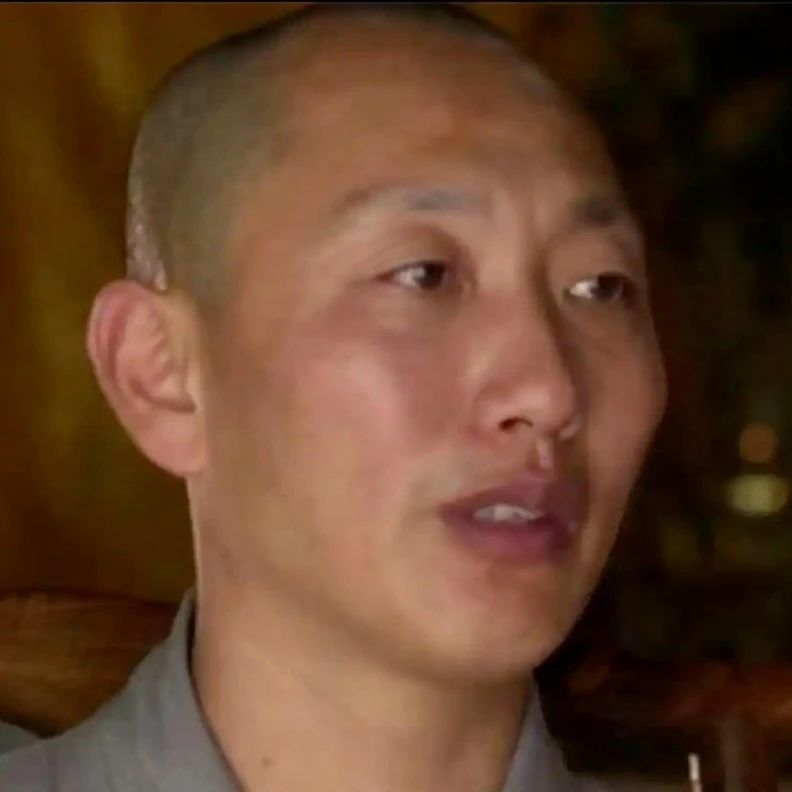
道禄和尚被捕
券商中国· 2025-06-26 07:10
Core Viewpoint - The article discusses a criminal case involving a group led by a man named Dao Lu, who has been accused of fraudulently soliciting donations under the guise of supporting pregnant women and children, with the funds primarily used for personal expenses [2]. Group 1 - The police in Shaoxing, Zhejiang Province, reported that the rumors regarding Dao Lu being investigated are related to an ongoing criminal case [1]. - Since May 21, the police have been investigating Dao Lu and his accomplices after receiving numerous reports from the public about fraudulent activities [2]. - Dao Lu, along with three accomplices, has been accused of accepting large amounts of donations since 2018, which were misappropriated for personal high consumption [2]. Group 2 - The investigation has revealed that Dao Lu is also suspected of other illegal activities, and the case is still under further investigation [3]. - The police are working with relevant departments to conduct follow-up actions in accordance with the law [3].
警方通报“救助百名弃婴的道禄和尚被查”:涉嫌诈骗犯罪被采取刑事强制措施
Xin Lang Cai Jing· 2025-06-26 05:07
Core Viewpoint - The case involving Dao Lu, a monk accused of fraud related to the charity "Lianhua Charity Society," has led to criminal measures being taken against him and his associates, with investigations ongoing into the misuse of donations intended for helping pregnant women and abandoned infants [1][2]. Group 1: Criminal Allegations - Dao Lu, originally named Wu Bing, has been accused of fraud, with preliminary investigations indicating that the amount involved may exceed ten million yuan [1][2]. - The police have confirmed that Dao Lu and his accomplices received substantial cash and online donations, which were misappropriated for personal expenses rather than charitable purposes [2]. - The investigation began after numerous reports from the public regarding alleged fraudulent activities, leading to a formal case being opened on May 21 [2]. Group 2: Charity Operations - The "Lianhua Charity Society" has been involved in assisting pregnant women and abandoned infants, with Dao Lu providing medical resources and accommodation [1]. - Currently, there are 31 children under the care of the charity, with 5 already returned to their families, and no evidence of child trafficking has been found [3]. - The local civil affairs department has ensured that the remaining children are properly cared for, dispelling rumors of child sales [3].