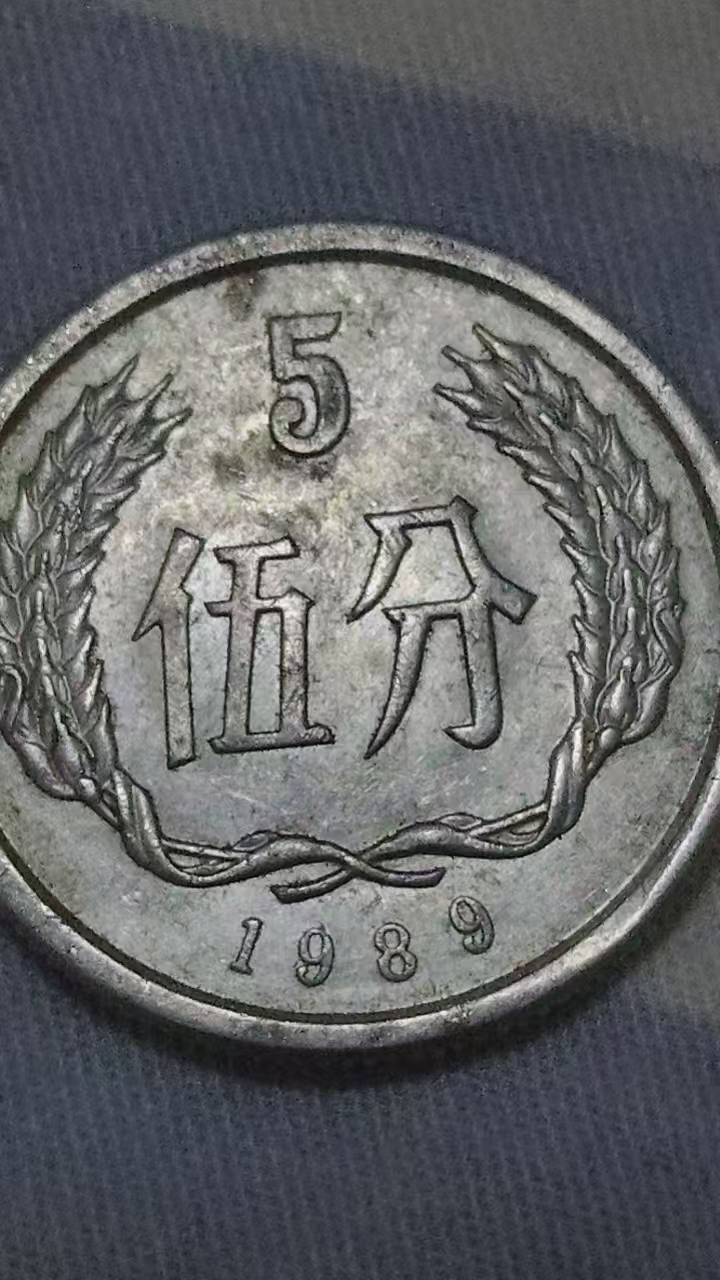
钱币收藏

Search documents
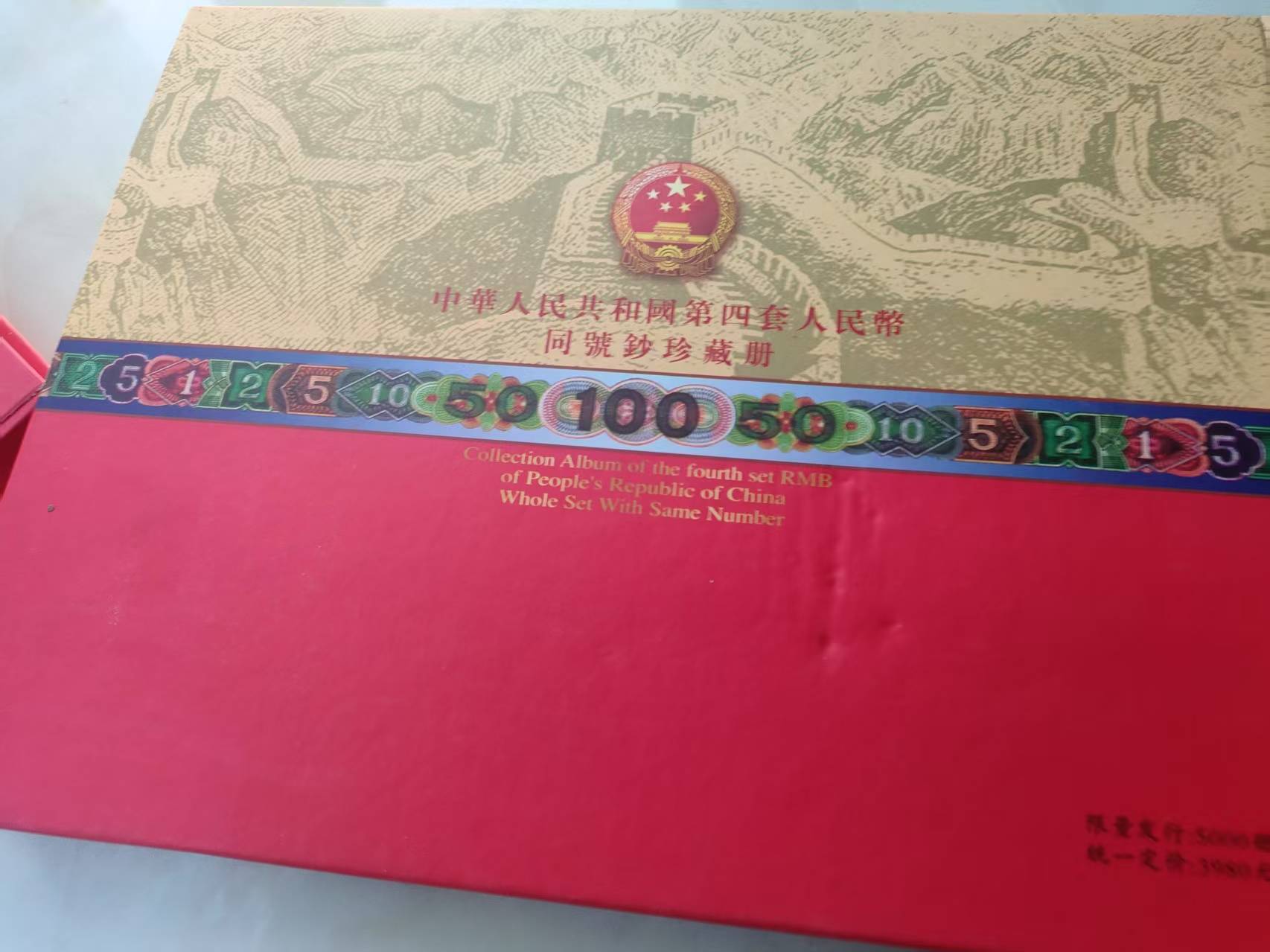
第四套人民币同号钞珍藏册:时代印记与收藏价值的完美融合
Sou Hu Cai Jing· 2025-05-31 10:24
Historical Background - The issuance of the fourth set of RMB is closely linked to China's economic reforms in the 1980s, reflecting societal development and aesthetic trends [3] - The fourth set was introduced between 1987 and 1997 to meet the growing market demand, featuring multi-ethnic portraits to symbolize national unity [3] - Advanced anti-counterfeiting technologies were employed, including fluorescent and magnetic inks, enhancing the security of the currency [3] Production Process - The production of the same-numbered banknote collection retains the original printing techniques while enhancing artistic and preservation qualities through high-standard binding [6] - The fourth set of RMB was issued in phases from 1987 to 1997, with circulation lasting over 30 years until its withdrawal in 2018 [6] - Same-numbered banknotes are characterized by identical serial numbers across all denominations, making them extremely rare and valuable [6] Cultural Significance - The design of the fourth set of RMB incorporates rich cultural elements, making it a "national emblem" during the early reform period [9] - The banknotes feature intricate printing techniques, including hand-carved intaglio and dual-sided offset printing, enhancing their aesthetic and security [9] - The design reflects the spirit of the 1980s, balancing traditional heritage with a progressive outlook [12] Collectible Value - The rarity, completeness, and authority of the same-numbered banknote collection have made it highly sought after in the collectibles market [11] - The market performance of these collections has been robust, with certain rare combinations seeing significant price increases [13] - The withdrawal from circulation typically leads to a revaluation of the currency, with historical examples indicating strong appreciation potential [13] Conclusion - The same-numbered banknote collection of the fourth set of RMB represents not only a collection of currency but also a condensed historical narrative [15] - As the supply diminishes over time and demand continues to grow, the upward trend in value is anticipated, making it a wise choice for collectors [15]

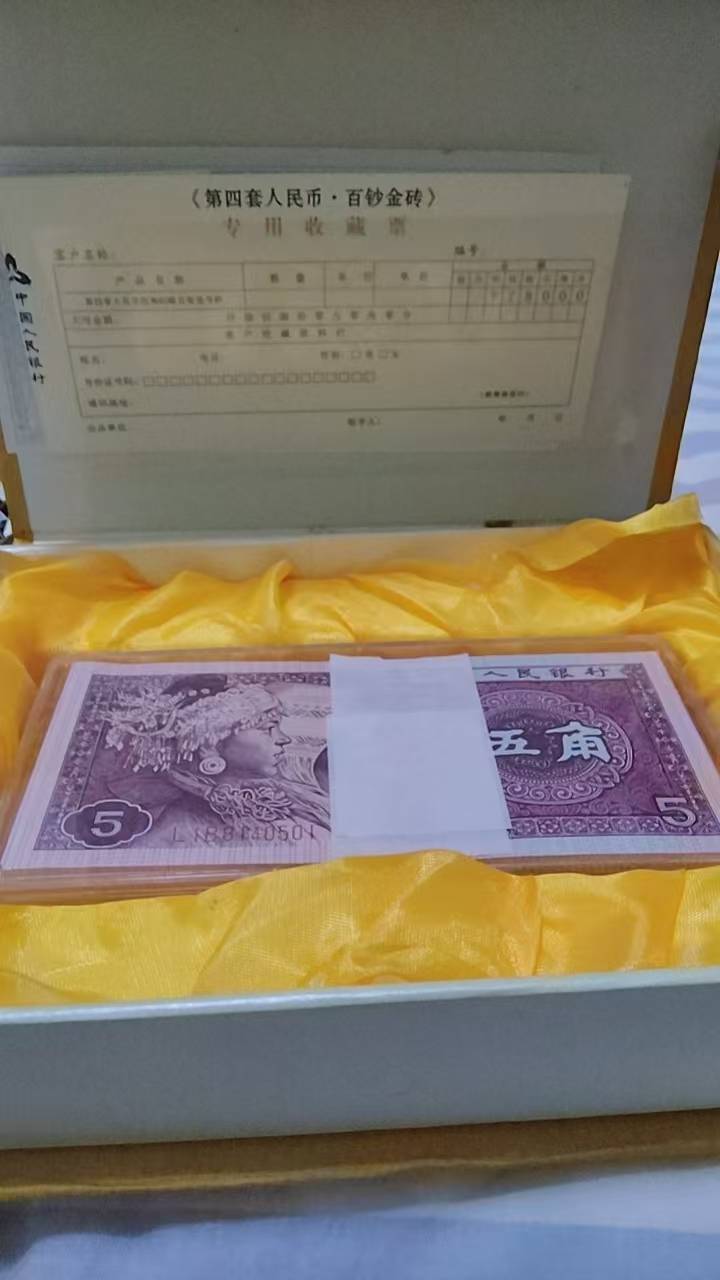
第四套人民币五角纸币
Sou Hu Cai Jing· 2025-05-28 12:58
Historical Background and Issuance Overview - The fourth set of RMB, initiated in 1967 and officially circulated in April 1987, marked a significant milestone in China's monetary history, particularly during the reform and opening-up period [1] - The five-jiao banknote, introduced in 1980, played a crucial role in circulation and was notable for its unique purple-red color [1] - The five-jiao banknote ceased issuance on July 1, 2002, and was officially withdrawn from circulation on May 1, 2018, spanning over 30 years of circulation [1] - Variations in printing batches exist, with early versions using intaglio printing and later versions switching to offset printing, leading to differentiated values in the collector's market [1][6] Artistic Design and Cultural Significance - The front design features the heads of Miao and Zhuang women, showcasing intricate details of ethnic costumes and silver ornaments with special inks for metallic sheen [3] - The background incorporates traditional vine patterns symbolizing national unity and prosperity [3] - The primary color scheme of purple-red is rare in RMB, distinguishing it from other denominations and aligning with the auspicious meaning of "purple energy coming from the east" in Chinese culture [3] Production Techniques and Technical Features - The banknote is printed on specialized banknote paper with colorless fluorescent fibers that react brightly under UV light [5] - Early versions utilized intaglio printing with a thickness of 20 microns, while later versions retained some intaglio features despite switching to offset printing [5] - The anti-counterfeiting system includes a fixed watermark, hidden denomination numbers, and microtext embedded in decorative patterns [5] - Differences in details from various printing factories (e.g., Beijing and Shanghai) serve as important references for version studies [6] Version Research and Collectible Value - The five-jiao banknote is categorized into several key versions based on serial numbers and printing techniques, with early intaglio versions (1987-1992) being particularly rare and valued at 50-80 times their face value [7][9] - Later offset versions (1993-2001) have a market premium of 10-20 times their face value [9] - Special serial numbers, such as replacement notes, can fetch prices 5-8 times higher than standard versions [9] Market Outlook and Collecting Recommendations - The longer a banknote has been withdrawn from circulation, the better its potential for value appreciation, with the five-jiao banknote showing promising growth [7] - The entry price for ordinary specimens is low, making it accessible for novice collectors [7] - The overall trading volume of the fourth set of RMB has maintained a 20% annual growth rate, with the five-jiao banknote being a popular trading item due to its moderate price [7] - Collectors are advised to focus on early intaglio versions and special serial numbers, ensuring the condition of the banknotes is pristine for higher value [10]
第三套人民币5分硬币简介
Sou Hu Cai Jing· 2025-05-28 11:59
Historical Background and Issuance Overview - The 5 fen coin from the third series of Renminbi is a significant part of China's monetary history, first issued in the mid-20th century, playing an important role in daily transactions and commerce [1] - The issuance of the third series of Renminbi coins marked an improvement in China's monetary system, with the 5 fen coin primarily used for small transactions, featuring a simple and practical design [1] Manufacturing Process and Material Characteristics - The 5 fen coin was made from aluminum-magnesium alloy, which is lightweight, corrosion-resistant, and cost-effective, suitable for mass production [2] - The coin's minting process utilized traditional stamping technology, with detailed engravings and clear patterns, showcasing a high level of craftsmanship [2] Cultural Significance and Design Connotation - The design of the 5 fen coin, while simple, carries rich cultural connotations, with the national emblem symbolizing the dignity and authority of the state, reflecting the social ideology of the time [3] - The issuance year and version of the coin hold historical research value, as minor differences in details across years provide insights into the evolution of China's minting history and monetary policy [3] Collectible Value and Market Performance - The collectible value of the third series 5 fen coin has gained attention in recent years, particularly early years like 1955 and 1956, which are rarer and thus more valuable [4] - Later issued coins are more common and affordable, making them accessible for average collectors [4] Appreciation Potential and Investment Viability - The long-term appreciation potential of the third series 5 fen coin is influenced by various factors, including market demand and economic conditions [7] - The increasing demand for vintage coins, especially those in good condition from scarce years, is expected to drive up their value over time [9] Collecting Recommendations - Collectors are advised to prioritize coins in uncirculated or high-grade conditions to ensure long-term value retention [10] - Understanding the differences in value among various years and versions is crucial for informed collecting [10] - Collecting should be driven by personal interest rather than short-term profit motives, as long-term holding often yields more stable returns [10]