Battery Energy Storage

Search documents
电费账单又涨了!这个75%成本下降的技术,能帮我们省多少钱
Sou Hu Cai Jing· 2025-08-05 06:26
Core Insights - The recent surge in electricity bills, rising nearly 30% compared to the same period last year, is attributed to a significant imbalance between electricity demand and supply, exacerbated by outdated grid designs and slow construction of traditional power plants [1][2]. Group 1: Electricity Demand and Supply Dynamics - Electricity consumption in the U.S. is projected to increase by approximately 60% from 2023 to 2050, significantly outpacing the construction of new gas and nuclear power plants [1]. - The traditional electricity grid is ill-equipped to handle the increasing demand fluctuations and supply instability, leading to rising electricity prices [1]. Group 2: Data Centers as Major Electricity Consumers - Data centers, essential for everyday digital activities, are a major driver of increased electricity demand, with their energy consumption rising exponentially due to the growth of artificial intelligence [2]. - A large data center consumes as much electricity as thousands of households, necessitating reliable and cost-effective power solutions [2]. Group 3: Battery Storage Technology - Battery storage technology has evolved from being seen as an expensive novelty to a critical component of the electricity system, with costs decreasing by an impressive 75% over the past decade [3][4]. - Battery storage systems act as buffers for the grid, storing excess electricity during low demand and releasing it during peak demand, thereby enhancing grid efficiency and reducing blackout risks [4]. Group 4: Sodium-Ion Battery Development - The U.S. is focusing on sodium-ion batteries, which offer advantages such as abundant and inexpensive raw materials, lower manufacturing costs, and enhanced safety compared to lithium-ion batteries [5]. - The development of sodium-ion batteries is driven not only by economic factors but also by the need for supply chain security [5]. Group 5: Market Potential and Investment Opportunities - Over the next decade, global investments in battery storage systems are expected to exceed $1 trillion, driven by a significant supply-demand gap and advancements in technology [7]. - The battery storage market is supported by favorable policies, with tax incentives for battery storage expected to continue until 2033 [9]. - Diverse revenue models for storage systems, including price arbitrage and ancillary services, enhance the attractiveness of investments in this sector [9]. Group 6: Consumer Impact and Future Outlook - In the short term, electricity bills may continue to rise due to the construction costs of new storage facilities being passed on to consumers [11]. - In the medium term, the large-scale deployment of storage systems is expected to improve grid efficiency and slow the rate of electricity price increases [11]. - Long-term advancements in storage technology could lead to significantly lower electricity costs, making home storage systems a viable investment option [11]. Group 7: Industry Challenges and Strategic Considerations - The battery storage industry presents numerous investment opportunities across the supply chain, including equipment manufacturers and project developers [13]. - However, the industry faces challenges such as rapid technological changes and increasing competition [13]. Group 8: Conclusion and Future Trends - Battery storage is transitioning from a niche technology to a vital infrastructure component, with the potential for explosive growth as it reaches a critical mass [14]. - The evolution of battery storage technology will significantly impact consumer electricity habits and investment strategies, making it a focal point for future attention [14].

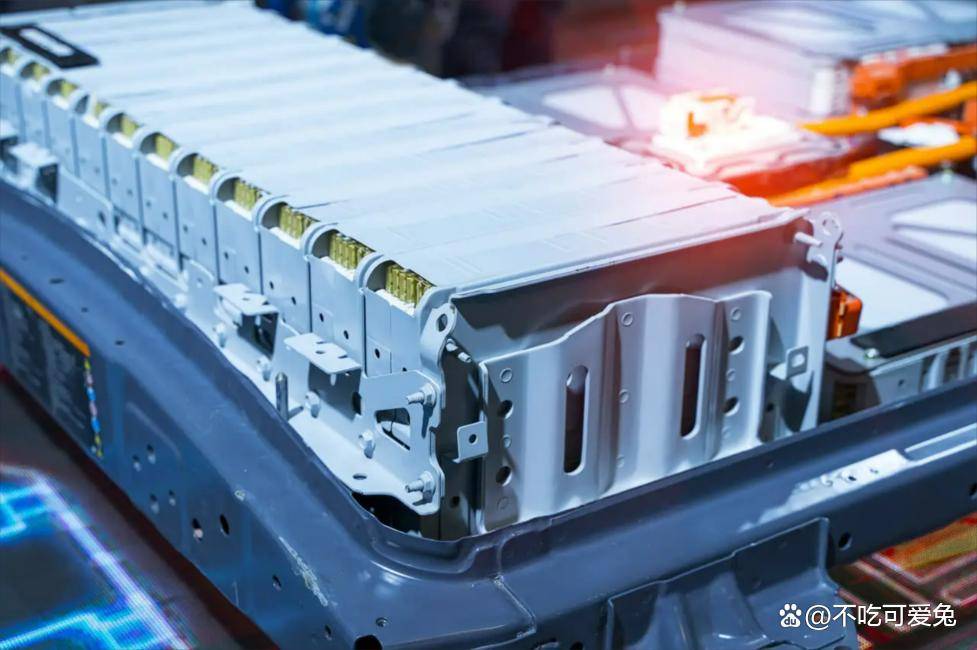
4.4GWh!阳光电源欧洲最大储能项目正在推进
鑫椤储能· 2025-07-04 01:44
Core Viewpoint - The establishment of Fidra Energy by EIG marks a significant development in the European battery energy storage sector, with ambitious plans to develop major battery storage projects in the UK and beyond by 2030 [2][3]. Group 1: Project Developments - Fidra Energy is developing three major battery storage projects in the UK: the Thorpe Marsh project (1.45GW/3.3GWh), the Bicker Fen 1&2 project (1.2GW/2.4GWh, in planning), and the West Burton C project (0.5GW/1.1GWh) [2][5]. - The Thorpe Marsh project is set to be the largest battery storage project in the UK, located near a former coal power station and adjacent to a major substation of the UK National Grid [5]. - The West Burton C project is strategically located near existing gas power plants and a proposed nuclear fusion facility [7]. Group 2: Project Milestones - The Thorpe Marsh project received planning approval from Doncaster City Council in January 2025, with commercial operations expected to commence in Q4 2027 [4][8]. - The West Burton C project secured a 15-year contract for 500MW capacity in the National Energy System Operator (NESO) capacity T-4 auction in March 2025, with final investment decisions anticipated in late 2025 [9].

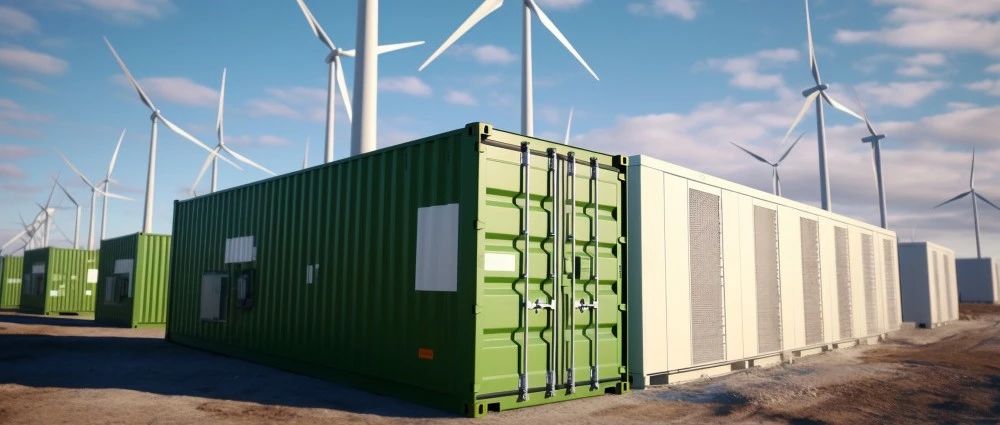
Canadian Solar Launches Cutting-Edge SolBank 3.0 Plus at Intersolar Europe
Prnewswire· 2025-05-06 11:00
Core Insights - Canadian Solar Inc. announced the launch of its SolBank 3.0 Plus battery energy storage product at Intersolar Europe, marking a significant advancement in its product line [1][4] Product Features - SolBank 3.0 Plus features enhancements in Lithium-Ion Phosphate (LFP) battery cell manufacturing, offering a 25-year lifespan, near-zero degradation for the first four years, and up to 12,000 cycles with 95% round-trip efficiency [2] - The product can increase lifetime energy throughput by over 13%, significantly reducing operational costs for customers [2] - Additional features include an aerospace-grade heat-resistant separator, upgraded electrical protection systems, and an optimized cooling system that reduces auxiliary load power consumption by up to 30% [3] Company Overview - Canadian Solar is one of the largest solar technology and renewable energy companies globally, having delivered nearly 150 GW of solar photovoltaic modules and over 10 GWh of battery energy storage solutions as of December 31, 2024 [5] - The company has a contracted backlog of US$3.2 billion and has developed approximately 11.5 GWp of solar power projects and 4.5 GWh of battery energy storage projects globally [5] - Canadian Solar operates a geographically diversified project development pipeline with 25 GWp of solar and 75 GWh of battery energy storage capacity in various stages of development [5] Subsidiary Information - e-STORAGE, a subsidiary of Canadian Solar, specializes in designing and manufacturing battery energy storage systems for utility-scale applications, with an annual production capacity of 20 GWh [6]