
314Ah电芯

Search documents
储能的卖方市场:全线满产,一芯难求
经济观察报· 2026-03-28 07:21
Core Viewpoint - The energy storage industry is experiencing significant growth driven by domestic demand and overseas market expansion, raising questions about the sustainability of this growth [1][12]. Group 1: Industry Growth Indicators - In early 2026, the production of lithium batteries for energy storage increased by 84% year-on-year, with new installed capacity for energy storage reaching 24.18 GWh, a 472% increase [3]. - Major state-owned enterprises announced a combined procurement of 32 GWh of energy storage systems on the same day, indicating a strong demand in the industry [3]. - The production lines for 100Ah energy storage cells are fully booked, with demand outpacing supply since mid-2025, leading to a significant backlog of orders [5][6]. Group 2: Policy Impact - The cancellation of mandatory energy storage requirements for renewable energy projects in early 2025 has allowed energy storage systems to operate independently in the market, contributing to increased demand [9][10]. - The introduction of a capacity pricing mechanism for independent energy storage systems in January 2026 provides a stable income source, further encouraging investment in energy storage [9][10]. Group 3: International Market Dynamics - Chinese energy storage companies secured nearly 50 orders totaling over 33.5 GWh in overseas markets during January and February 2026, with Europe being the largest source of growth [13][14]. - Rising natural gas prices in Europe have made home solar and storage systems more economically attractive, driving demand for energy storage solutions [13][14]. Group 4: Future Outlook and Challenges - While the current demand for energy storage appears robust, concerns remain about whether this growth can be sustained, particularly regarding the profitability of independent energy storage stations [18][19]. - The industry is cautious about expanding production capacity, learning from past experiences where rapid expansion led to oversupply and price declines [22][23]. - Predictions for global energy storage installations in 2026 vary, but all forecasts suggest a year-on-year growth rate of at least 40% [24][25].

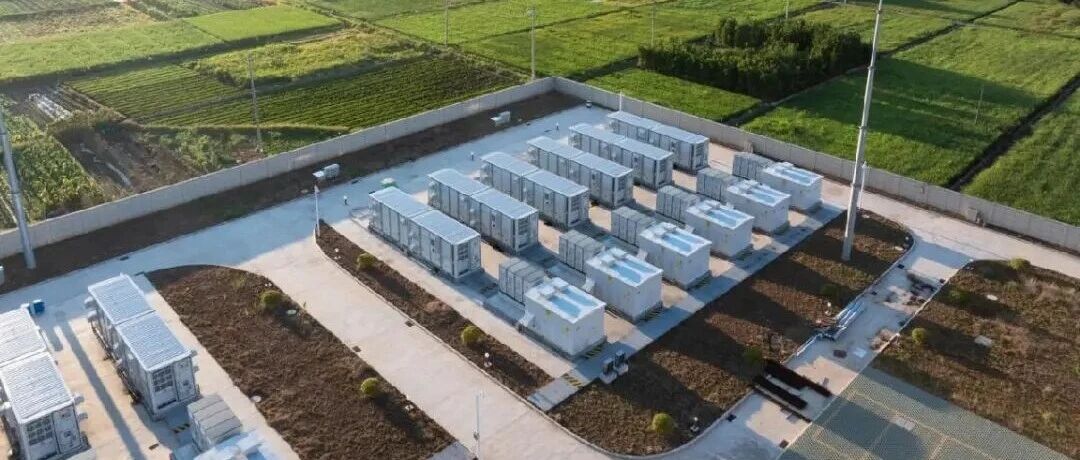
大容量电芯,长时储能竞争新热点
中国能源报· 2026-03-28 00:39
Group 1 - The core viewpoint of the article emphasizes the growing trend of long-duration energy storage technology innovation and application driven by energy transition [1] - The recent signing of a 50GWh long-duration energy storage project by Zhengli New Energy in Suzhou highlights the focus on large-capacity energy storage products, specifically the 588Ah battery cells designed for 2-8 hours of storage [3][4] - The increasing integration of renewable energy sources has led to a sustained demand for long-duration energy storage, prompting companies to accelerate technology development and product iterations [3][5] Group 2 - Long-duration energy storage is defined as technologies capable of discharging for more than 4 hours, with a growing need for such capabilities due to the rising share of renewable energy in the grid [5] - By the end of 2025, the average storage duration of new energy storage projects in China is expected to increase to 2.58 hours, up by 0.3 hours from the end of 2024, with projects of 4 hours or more expected to account for 27.6% of installed capacity [5] - The average storage duration of new energy storage installations is projected to rise from 2.11 hours in 2021 to 3.47 hours by 2030, reflecting advancements in storage technology and increasing market demand [5] Group 3 - Long-duration energy storage can better respond to grid peak shaving needs, as renewable energy generation is intermittent, necessitating longer peak adjustment times [6] - The introduction of national capacity pricing policies linked to discharge duration is expected to promote the development of long-duration projects [6] - Applications for long-duration storage are diversifying, extending into areas such as artificial intelligence data centers and integrated source-grid-load-storage projects [6] Group 4 - The growing demand for long-duration energy storage is driving the industry to innovate larger capacity storage batteries, with companies like CATL and Penghui Energy competing in the development of 500Ah+ battery cells [8][9] - For instance, Penghui Energy plans to invest 1.2 billion yuan in a production project for 587Ah and 120Ah batteries, while EVE Energy has established a strategic cooperation plan for 20GWh of storage batteries [9] - The shift towards larger capacity cells is seen as essential for reducing costs and enhancing profitability, as larger cells can lower system complexity and cost per kilowatt-hour [9] Group 5 - The long-duration energy storage sector has developed a diverse technological landscape, with technologies like compressed air and flow batteries still in early commercialization stages [11] - Challenges such as high initial investment costs and low energy efficiency in some emerging technologies hinder their scalability [11] - Industry stakeholders are encouraged to collaborate across various channels, including top-level design, regulatory optimization, and financial support, to accelerate the commercialization of long-duration storage [11][12] Group 6 - A multi-faceted driving model involving government guidance, market leadership, and financial support is recommended to promote long-duration energy storage [12] - Government incentives for high-cost technologies and innovative market mechanisms are suggested to facilitate cost recovery and expand revenue opportunities [12] - Long-duration energy storage is expected to undergo a scaling process, with commercial viability anticipated around 2030 [12]
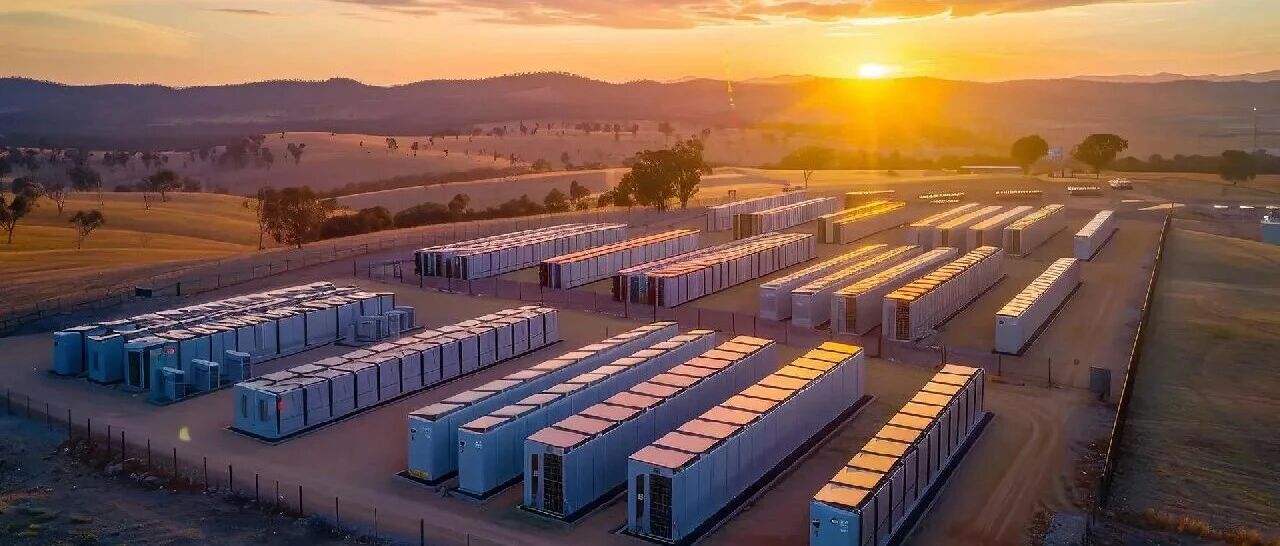
元年来了!500Ah+电芯采购订单大爆发!
起点锂电· 2026-03-15 03:22
Core Viewpoint - The article emphasizes that 2026 is expected to be the year of large-capacity 500Ah+ battery cells' mainstream penetration in the energy storage market, driven by technological maturity, demand explosion, changes in bidding rules, capacity release, and economic benefits [12][22]. Group 1: Industry Trends - The 2026 energy storage system framework procurement by China Huaneng Group includes a total scale of 4GWh, with three segments focusing on different battery capacities, highlighting the increasing importance of 500Ah+ cells [6][8]. - The demand for long-duration energy storage is surging as renewable energy installations exceed 30%, leading to a significant reliance on large-capacity storage solutions [13][22]. - The shift from 314Ah to 500Ah+ cells is not merely a replacement but represents a structural transition in the energy storage industry, with both types coexisting in different applications [17][21]. Group 2: Market Dynamics - The article notes that the procurement of 500Ah+ cells is becoming more common, with major state-owned enterprises actively switching to these larger cells to ensure supply stability and cost advantages [16][22]. - The competitive landscape is shifting, with leading companies like CATL and EVE Energy securing long-term contracts for large-capacity cells, indicating a trend towards higher profitability in this segment [10][19]. - The price of 314Ah cells is expected to decline in the second half of 2026 as 500Ah+ capacity is released, leading to intensified competition in the market [22]. Group 3: Technological Advancements - The article highlights that 500Ah+ cells have met grid-level storage standards in terms of thermal management, production consistency, and cycle life, making them suitable for large-scale applications [14][21]. - Advanced manufacturing techniques such as stacking processes and liquid cooling systems are becoming standard to address the challenges associated with large-capacity cells [21]. - The industry is witnessing a shift in production capacity planning, with a focus on 500Ah+ cells, indicating a significant change in investment logic and production strategies [18].

314Ah电芯价格上探0.4元/Wh
高工锂电· 2026-03-01 10:51
Core Viewpoint - The price of energy storage cells is expected to increase by approximately 3-6 cents/Wh by 2026 due to rising raw material costs, particularly lithium carbonate and other key components [3][5]. Group 1: Price Trends - Lithium carbonate futures briefly surpassed 170,000 yuan/ton, closing at 166,000 yuan/ton, which is double the price of 70,000 yuan/ton in October 2025 [4]. - The price of 314Ah energy storage cells from leading battery manufacturers is nearing 0.4 yuan/Wh, with second-tier manufacturers around 0.35 yuan/Wh and third to fourth-tier manufacturers at approximately 0.33 yuan/Wh [6][7]. - The price of 314Ah energy storage cells has increased by about 0.06 yuan/Wh over the past six months, marking a significant jump rather than a minor adjustment [8][9]. Group 2: Factors Driving Price Increases - The primary driver of rising prices is the increase in raw material costs, including lithium carbonate, electrolytes, and other essential materials like copper and aluminum [10]. - The theoretical cost of 314Ah cells is projected to rise from approximately 0.28 yuan/Wh to over 0.36 yuan/Wh if lithium carbonate reaches 180,000 yuan/ton, representing a nearly 30% increase [11]. - A significant imbalance between supply and demand is evident, with strong market demand for energy storage leading to increased procurement of cells [12]. Group 3: Market Dynamics - The demand for energy storage is robust, driven by improved profitability and significant growth in independent storage installations [12]. - International markets, including Europe, Australia, and the Middle East, are experiencing stable demand, further tightening the supply of 314Ah cells [13]. - Policy changes, such as the adjustment of export tax rebates for lithium batteries, are influencing market dynamics and driving up demand for energy storage cells [15]. Group 4: Future Outlook - The price of 314Ah energy storage cells is likely to exceed 0.4 yuan/Wh in 2026, but this level may not be sustainable in the long term due to potential market corrections [19][20]. - The release of new production capacity for 500Ah+ cells in the second half of 2026 is expected to alleviate the current supply constraints [20]. - System integrators are adapting their strategies to mitigate cost pressures, including exploring alternative technologies like sodium batteries [21].


GGII:国内储能锂电池市场六大变化、四大趋势
高工锂电· 2026-02-17 11:08
Core Viewpoint - The Chinese energy storage lithium battery market is expected to experience explosive growth in 2025, followed by a phase of high-quality development in 2026, driven by demand exceeding expectations, price recovery, technological iteration, and innovative business models [3][4]. Group 1: Market Performance and Trends - In 2025, the Chinese energy storage lithium battery market will see a shipment volume of 630 GWh, representing an 85% year-on-year increase, significantly surpassing industry expectations [6]. - Despite the cancellation of mandatory energy storage policies, the independent energy storage market will achieve unexpected growth, marking a new phase of market-driven development [6]. - The demand for energy storage batteries will be primarily driven by power storage, which will account for 84% of the market, with independent energy storage entering the power market and diversifying revenue sources [9]. Group 2: Competitive Landscape - The competitive landscape of the energy storage lithium battery market in 2025 will show a slight decrease in market concentration, with the top ten companies' market share dropping from 95% in 2024 to 90%, indicating increased market vitality [14]. - Mid-tier companies will see significant growth, particularly in large-capacity cells and cost control, with notable performances from companies like Hubei Chuangneng and Penghui Energy, which will double their shipment volumes compared to 2024 [14]. Group 3: Technological Advancements - The industrialization of large-capacity batteries will accelerate, with the second-generation 314 Ah cells becoming mainstream in 2025, and third-generation 500 Ah+ cells being released in small batches [17]. - By 2026, the market share of 500+ Ah large cells is expected to reach 20%, as both leading and emerging companies increase their R&D investments in this area [19]. Group 4: Supply and Demand Dynamics - The demand surge will create a persistent capacity gap, with some companies extending order schedules into the first half of 2026, leading to high capacity utilization rates and premium pricing for certain products [19]. - The industry will see a significant increase in outsourcing as leading battery manufacturers seek to alleviate capacity pressures by collaborating with contract manufacturers [19]. Group 5: Pricing Trends - The energy storage lithium battery supply chain will enter a price recovery phase in 2025, driven by significant increases in raw material prices, such as battery-grade lithium carbonate, which will rise from 58,400 CNY/ton in June to approximately 120,000 CNY/ton by year-end [20]. - The shortage of battery cells will lead to a "high price wins" scenario, with downstream companies accepting price increases to secure capacity, resulting in an average price increase of around 15% for products [20]. Group 6: Strategic Shifts - In 2025, many energy storage lithium battery companies will extend their operations downstream, increasing investments in energy stations and related services to enhance customer loyalty and profitability [21]. - The industry will focus on a comprehensive model of "battery supply + station investment + operation services," laying the groundwork for future value creation [21]. Group 7: Outlook for 2026 - The core themes for 2026 will include ensuring delivery, expanding capacity, differentiating large and small capacity cells, and innovating business models [22][23][24][25]. - The industry will shift from a focus on scale competition to value competition, with technological innovation, operational service capabilities, and global expansion becoming new competitive barriers [26].
锂电池供需偏紧 电芯厂加速扩产
经济观察报· 2026-02-12 04:50
Core Viewpoint - The lithium battery industry in China is experiencing significant growth, with a projected total investment exceeding 820 billion yuan by 2025, marking a year-on-year increase of over 74% [1][2]. Group 1: Industry Expansion and Investment - By 2025, there will be over 282 publicly announced investment projects across the entire lithium battery supply chain in China, including lithium batteries, key materials, solid-state batteries, and sodium batteries [1][2]. - Major manufacturers like CATL and Guoxuan High-Tech are accelerating their expansion plans, with Guoxuan High-Tech aiming to raise 5 billion yuan for a 60GWh lithium battery capacity project [2]. - The overall capacity utilization rate in the lithium battery industry is expected to exceed 80% by Q2 2026, indicating a recovery from previous overcapacity issues [3]. Group 2: Market Dynamics and Supply Constraints - The supply of lithium battery cells is currently tight, with many manufacturers having initiated expansion plans that will come online in the latter half of 2025 [3][6]. - The demand for lithium batteries is projected to grow significantly, with total sales expected to reach 1,700.5 GWh in 2025, a year-on-year increase of 63.6% [7]. - The transition to larger cell formats, such as the shift from 300Ah to 314Ah cells, is underway, with future upgrades to even larger cells anticipated [11]. Group 3: Competitive Landscape and Technological Advancements - The iteration of battery cell production lines is becoming a core competitive advantage for manufacturers, with Guoxuan High-Tech benefiting from the introduction of its third-generation cells [8][9]. - The third-generation cells utilize a manganese iron phosphate chemistry, which can reduce costs by 10%-15% and improve low-temperature performance [9]. - The competitive landscape is intensifying as leading battery manufacturers strive to meet the growing demands of the market while optimizing their production capabilities [9]. Group 4: Cautious Outlook from Energy Storage Integrators - Energy storage integrators are approaching their battery expansion plans with caution, despite the increasing demand for storage batteries [14][15]. - Many integrators are facing challenges in securing battery supplies, leading to a reliance on high-priced purchases from external sources [15][16]. - The overall sentiment among energy storage companies is that while demand will continue to rise, the rapid increase in lithium battery production capacity may outpace demand growth, making further investments in battery production potentially unwise [16].

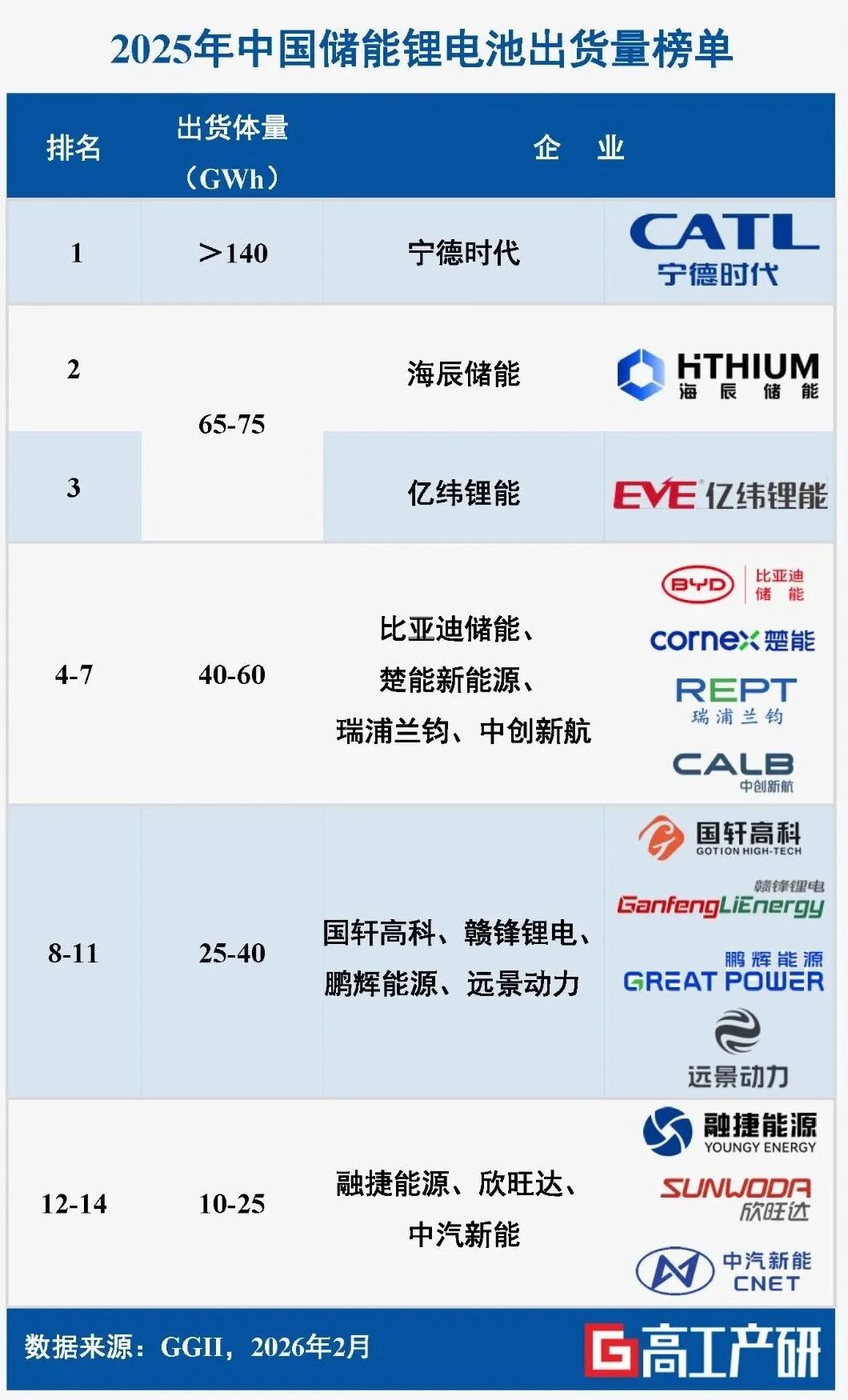
GGII:2025年中国储能锂电池出货量630GWh 同比增幅达85%
Zhi Tong Cai Jing· 2026-02-06 11:35
Core Viewpoint - The Chinese energy storage lithium battery market is expected to experience significant growth in 2025, with a shipment volume of 630 GWh, representing an 85% year-on-year increase, and maintaining over 90% of the global market share [1][4]. Group 1: Market Growth Drivers - The growth is driven by three main factors: the gradual exit of mandatory storage policies and the acceleration of independent storage projects in the domestic market, transitioning the industry from "passive configuration" to "active investment" [4]. - The overseas market is boosted by the U.S. installation surge, demand release in emerging markets, and the end of inventory depletion in overseas household storage, leading to strong order growth [4]. - New application scenarios, such as data centers, are contributing to the continuous increase in demand for energy storage cells [4]. Group 2: Competitive Landscape - The top 10 companies in China's energy storage lithium battery shipments for 2025 include CATL, BYD, Hicharge, EVE Energy, and others, which also rank among the top globally [1][2]. - The competition in the household storage lithium battery market in 2025 will focus on specialized production capacity and large-scale delivery capabilities, solidifying the market share and industry position of leading companies [5]. Group 3: Future Trends - In 2026, the household storage lithium battery market is expected to see a relaxation of capacity constraints, with the establishment of a dual mainline product matrix as 100Ah and 314Ah cells become standard options [4][5]. - The global supply chain layout is accelerating, with localized production becoming a key strategy to address trade barriers and raw material sourcing requirements in overseas markets [5]. - The penetration rate of large capacity cells (500+ Ah) is projected to exceed 20% in 2026, with most manufacturers expected to achieve mass production by the second half of the year [9]. Group 4: Market Projections - The energy storage battery market is anticipated to maintain a high growth trend into 2026, with an expected shipment of over 850 GWh, although capacity pressure will remain significant in the first half of the year [8][11]. - The price of energy storage cells is projected to increase by approximately 3-6 cents per Wh due to rising costs of key raw materials, which will be passed down to downstream procurement costs [12].


欣旺达:公司自研的314Ah电芯已获得中国船级社“中国船级社型式认可证书”
Zheng Quan Ri Bao Zhi Sheng· 2026-02-02 13:13
Core Viewpoint - The company has developed a 314Ah battery cell that has received certification from China Classification Society (CCS), which enhances energy density and reduces costs for electric vessels [1] Group 1: Product Development - The self-developed 314Ah battery cell offers significant energy density advantages [1] - The certification from CCS indicates compliance with industry standards, which may enhance market credibility [1] Group 2: Market Application - The new battery technology is expected to contribute to cost reduction in overall electric vessel solutions [1] - It aims to upgrade the power systems of electric vessels, indicating potential for broader application in the maritime industry [1] Group 3: Client Confidentiality - The company is bound by confidentiality agreements with clients, restricting the disclosure of any client-related information without permission [1]

欣旺达:自研的314Ah电芯已获得中国船级社(CCS)“中国船级社型式认可证书”
Ge Long Hui· 2026-02-02 08:21
Core Viewpoint - The company XINWANDA (300207.SZ) has received the "Type Approval Certificate" from China Classification Society (CCS) for its self-developed 314Ah battery cell, which offers significant energy density advantages and contributes to cost reduction in electric ship solutions while enhancing the energy density at the system level for upgraded applications in electric ship power systems [1]. Group 1 - The 314Ah battery cell has been recognized by CCS, indicating compliance with industry standards [1]. - The battery cell's high energy density is expected to lower overall costs for electric ship solutions [1]. - The technology aims to improve the energy density of the entire system, facilitating advancements in electric ship power systems [1].
欣旺达(300207.SZ):自研的314Ah电芯已获得中国船级社(CCS)“中国船级社型式认可证书”
Ge Long Hui· 2026-02-02 08:21
Core Viewpoint - The company has developed a self-researched 314Ah battery cell that has received the "Type Approval Certificate" from China Classification Society (CCS), indicating its potential to reduce costs for electric vessels and enhance energy density at the system level [1] Group 1 - The 314Ah battery cell offers significant energy density advantages [1] - The certification from CCS supports the company's efforts in the electric shipping sector [1] - The technology aims to upgrade the power systems of electric vessels [1]