Consumerism

Search documents
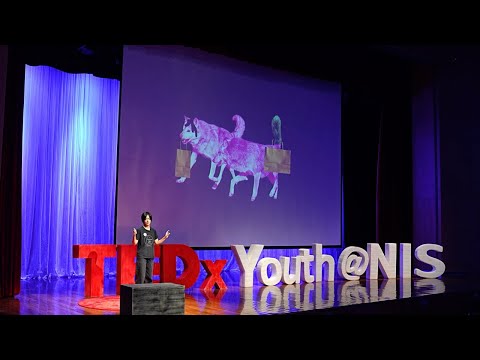
Stop buying yourself | Seoyun J | TEDxYouth@NIS
TEDx Talks· 2025-08-15 16:31
Core Argument - The core argument revolves around the idea that individuals are increasingly attempting to define their identities through the purchase of products, which is detrimental to their true selves [1][3][5] - The industry is selling the idea that one can buy who they are, should buy who they are, and that life would be better if they bought who they are [5] Commodification of Culture - Culture is being commodified, with companies exploiting people's pride in their culture and identity to sell more products [9][14] - Companies are creating constructs and generalizations to sell products, such as labeling products as "emo" or taking advantage of the LGBTQIA+ community [12][14] Impact of Consumerism - The increase in online shopping and social media encourages people to buy more, driven by the dopamine rush associated with new purchases [15][16] - Mass-produced items limit individuality and customization, leading to a loss of self-expression [18][20] Countermeasures - The alternative to buying oneself is to figure out what one really wants and to learn new skills [24][25] - Engaging in DIY and customization can help individuals discover their true selves and express their unique identities [26]

In one of the world's most expensive cities, more workers are living paycheck to paycheck
CNBC· 2025-08-14 04:38
Core Insights - Singapore is experiencing a shift in financial behavior, with rising costs and a focus on experiences leading to decreased long-term financial planning [1][5][11] Economic Context - 60% of Singaporean workers were living paycheck to paycheck in 2024, significantly higher than regional averages [3] - Real median employment income fell by 0.4% annually from 2019 to 2024, reversing previous growth trends [8] - The cost of living index in Singapore rose 11% year-over-year, ranking fifth globally and first in the region [6] Consumer Behavior - Young Singaporeans are increasingly spending beyond their means, with fewer making retirement plans compared to previous years [4][5] - A survey indicated that 72% of Singaporeans view the cost of living as their top concern, outpacing other issues like healthcare [7] - The rise of "buy now, pay later" schemes has contributed to a culture of immediate gratification, with BNPL transactions reaching SG$440 million in 2021 [12] Housing Market - Resale prices of public apartments rose 9.6% in 2024, exacerbating financial pressures on residents [9] - High property prices are attributed to limited land and reliance on imports, which also affects inflation [10] Generational Differences - Younger generations exhibit less urgency in saving compared to their parents, influenced by marketing and lifestyle aspirations [14][15] - The current generation prioritizes experiences over savings, with many feeling financially secure due to living arrangements and lack of immediate financial burdens [17][18]


X @The Economist
The Economist· 2025-08-06 16:01
Industry Growth - The Buy Now, Pay Later (BNPL) industry continues to grow despite criticism and concerns about consumerism and lending practices [1] Consumer Behavior - Some view paying for lunch in installments as the height of consumerism [1] - Others worry that such lending exploits vulnerable borrowers [1]
X @Bloomberg
Bloomberg· 2025-08-05 19:10
Environmental Impact - Consumerism is driving a surge in polymer production [1] - China is identified as the new ground zero for this trend [1]
How to break out of the commodity economy | Quang Bach Tran | TEDxCNN Youth
TEDx Talks· 2025-07-31 16:19
Core Argument - The talk argues that modern society is addicted to fake feelings and instant gratification, driven by a cycle perpetuated by capitalism [5] - This addiction manifests in various forms of consumerism and substance abuse, offering condensed feelings and instant gratification [5][15] - The cycle involves seeking fulfillment through commodities, which ultimately fail to satisfy, leading to repeated consumption [27] Societal Impact - Capitalism relies on a cycle where individuals are compelled to enjoy, and dissatisfaction leads to further consumption [11][23] - This cycle diminishes the ability to enjoy things free of capitalism, such as music, art, and nature, due to their slower stimulation [29] - The consequences include an unfulfilling life, colonized by corporations through dopamine hits and instant gratification [29] Potential Solutions - The speaker suggests identifying true desires and not being swayed by advertisements promising happiness through products [38] - The remedy involves self-reflection and addressing underlying emotions instead of seeking distractions through consumption [39] - Choosing oneself first and foremost, rather than succumbing to the products offered by capitalism, is crucial [40]