Energy supply disruption

Search documents
全球能源:液化天然气严阵以待-Global Energy_ Liquid gas battening down the hatches
2026-03-10 10:17
Summary of Key Points from the Conference Call Industry Overview - The conference call primarily discusses the **liquefied natural gas (LNG)** industry, particularly focusing on the impact of geopolitical events in the **Strait of Hormuz** on global LNG supplies and prices [1][8][39]. Core Insights and Arguments - **Geopolitical Tensions**: The military operation "Epic Fury" by the US and Israel has led to the shutdown of key shipping lanes in the Strait of Hormuz, which is critical as nearly **20% of global LNG supplies** pass through this route [1][8]. - **Impact on LNG Exports**: Qatar and UAE exported approximately **88 million metric tons (mn mt)** of LNG last year, which is significant compared to the **98 mn mt** of pipeline gas supplies from Russia to Europe in 2021 [1][9]. - **Price Projections**: The TTF (Title Transfer Facility) price has surged to over **€65/MWh**, surpassing previous rallies but still below the peaks seen in 2022 post-Russian invasion of Ukraine [8][11]. - **Supply Disruptions**: If disruptions continue for a month, a TTF price of around **€50/MWh** is anticipated, with potential for even higher prices if further disruptions occur [3][42]. - **European Gas Inventory Risks**: Europe is already facing low gas inventories, and any disruption in LNG flows could exacerbate the situation, leading to increased competition among consumers for available supplies [2][30][37]. Additional Important Content - **Military Operations Duration**: President Trump indicated that military operations might last **4 to 5 weeks**, but market sentiment suggests a longer duration, with **41% odds** of a ceasefire by the end of March and **59% odds** by the end of April [13][15]. - **Shipping Risks**: The US Navy's potential involvement in escorting tankers is uncertain, with conflicting reports on the availability of naval escorts, which could slow shipping operations [3][39]. - **Future LNG Capacity**: There are expectations of adding about **120 million tons per annum (mtpa)** of liquefaction capacity over the next three years, but current geopolitical events may delay projects in Qatar [19][20]. - **Historical Context**: Past incidents, such as the explosion at Freeport LNG in June 2022, highlight the potential for extended outages in LNG facilities, which could have long-term implications for supply [23][28]. Conclusion - The current geopolitical climate, particularly in the Strait of Hormuz, poses significant risks to global LNG supplies and prices. The situation requires close monitoring as it could lead to increased competition for LNG, particularly in Europe, and potential delays in new LNG projects.

What Crude Oil's Overnight Spike to $120 Means for International Markets
Youtube· 2026-03-09 15:30
Core Viewpoint - The ongoing conflict in the Gulf region is causing significant disruptions in energy supply, leading to a spike in oil prices and concerns about the duration of these disruptions impacting global markets [2][3][9]. Energy Supply and Market Impact - The spike in oil prices indicates market expectations that the conflict may persist longer than initially thought, with escalating tensions and continued strikes affecting oil and gas movement through the Strait of Hormuz [2][3]. - Several countries in the region are cutting production, which could lead to a slow recovery in output if the conflict ends, prolonging the impact of higher energy prices [3][10]. - Storage levels are rising, and while an increase in Strategic Petroleum Reserves (SPR) by G7 could help, it may not fully offset current disruptions [3][10]. Regional Exposure to Energy Shock - The U.S. is less exposed to energy shocks due to its domestic production, while Europe and Asia, particularly emerging markets like South Korea and India, are more vulnerable due to their reliance on imports from the Gulf [4][5]. - China, despite being a significant importer of oil from Iran, has a substantial SPR that could last up to eight months, which may mitigate some immediate impacts [5][6]. Market Performance and Outlook - The Chinese stock market has shown resilience compared to other Asian markets, with notable buying activity observed [6][7]. - The duration of the energy supply disruption will significantly influence global markets; a short-term disruption (less than three months) could lead to a rebound in stocks, while a prolonged disruption would adversely affect international stocks, especially in emerging markets [8][9]. - Historical context suggests that if the situation stabilizes, international stocks could outperform again, and the dollar may lose some recent gains [9]. Production Recovery Timelines - Recovery of oil production could take weeks to months, as indicated by energy officials, which raises questions about the timing of stock price rebounds relative to oil price movements [11][12].

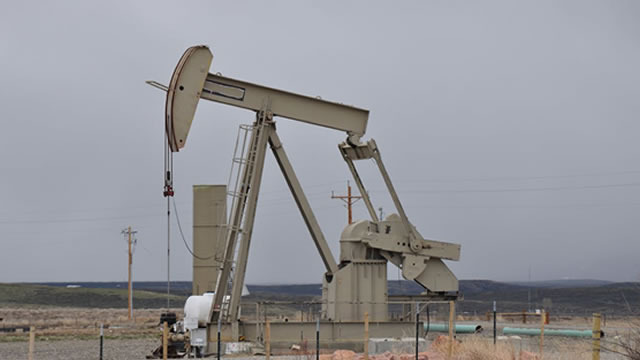
Markets Tumble, Oil Prices Surge Past $100 as Iran War Escalates
Barrons· 2026-03-09 09:02
Core Viewpoint - The escalation of the conflict in Iran has led to significant concerns regarding energy supply disruptions from the Middle East, resulting in a sharp decline in stock markets and a surge in oil prices [1]. Group 1: Market Reactions - U.S. stock markets are experiencing sharp declines, with Dow Jones Industrial Average futures down 707 points, or 1.5% [1]. - S&P 500 futures are dropping by 1.3%, while Nasdaq 100 futures are losing 1.5% [1]. Group 2: Oil Price Movements - U.S. oil prices have climbed above $100 a barrel for the first time since 2022, with West Texas Intermediate up 14% at $103.68 a barrel [1]. - Brent crude, the global oil benchmark, has risen 16% to $107.72 a barrel [1]. - West Texas crude reached a peak of $119.48 a barrel on Sunday, marking its highest point since June 2022 [1].
Dow falls 560 points, US oil surges to $90 as Trump demands Iran surrenders
New York Post· 2026-03-06 19:15
Oil Market Impact - US oil prices surged to $90 a barrel, with Brent crude hitting $86, driven by fears of a prolonged conflict with Iran and its potential impact on global oil supply [1][4] - The Strait of Hormuz, a critical maritime route for 20% of the world's oil supply, is at risk of being blocked, which could lead to increased gasoline prices and overall inflation [4][17] Economic Concerns - Qatar's energy minister warned that a lasting conflict could "bring down the economies of the world," predicting that global GDP growth would be negatively impacted and energy prices would rise [6][14] - The potential for shortages of products and disruptions in supply chains was highlighted, with a warning that Gulf energy exporters might declare force majeure due to the conflict [7][6] US Government Response - The US issued a 30-day waiver for India to purchase Russian oil, reversing a previous stance that imposed a 25% tariff, indicating a shift in energy policy amid the conflict [12][19] - President Trump emphasized the importance of the situation over short-term gasoline price increases, suggesting that prices would stabilize once the conflict is resolved [5][15] Market Reactions - The Dow Jones Industrial Average fell by 453 points, or nearly 1%, with the S&P 500 and Nasdaq also experiencing declines, reflecting investor concerns over the ongoing conflict and its economic implications [2] - Investors are particularly focused on the duration of the conflict, with predictions that prolonged high oil prices could exacerbate inflationary pressures [21]

Oil rises over $1 as Iran crisis disrupts Middle East supply
Reuters· 2026-03-04 01:58
Oil Market Impact - Oil prices increased by more than $1 due to disruptions in Middle East supply caused by the U.S.-Israeli conflict with Iran, with Brent crude rising by $1.11 (1.4%) to $82.53 per barrel and U.S. West Texas Intermediate crude increasing by 79 cents (1.1%) to $75.37 per barrel [1][1][1] - The conflict has led to Iranian strikes against energy infrastructure, affecting a region that accounts for nearly one-third of global oil production [1][1] Production and Export Challenges - Iraq, the second-largest crude producer in OPEC, has reduced its output by nearly 1.5 million barrels per day, approximately half of its production, due to storage limitations and lack of export routes [1][1] - Iran's targeting of tankers in the Strait of Hormuz has effectively closed traffic for four days, impacting about 20% of the world's oil and liquefied natural gas flows [1][1] Market Reactions and Adjustments - President Trump's comments regarding potential U.S. Navy escorts for oil tankers helped stabilize crude price increases, although there are doubts about the effectiveness of military escorts and insurance in restoring market confidence [1][1] - Countries like India and Indonesia are seeking alternative energy supplies, while some Chinese refineries are shutting down or advancing maintenance plans [1][1] - Saudi Aramco is attempting to reroute some exports via the Red Sea to avoid the Strait of Hormuz [1][1] U.S. Crude Stock Changes - U.S. crude stocks rose by 5.6 million barrels last week, significantly above the projected increase of 2.3 million barrels, indicating a shift in supply dynamics [1][1]
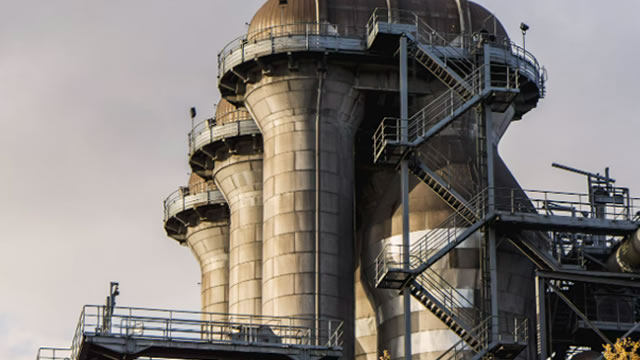
Oil News: Crude Oil Futures Climb as Energy Infrastructure Attacks Threaten Supply
FX Empire· 2026-03-03 12:11
Group 1: Market Reactions and Price Movements - The war has led to a significant increase in shipping rates and insurance cancellations for vessels in the Strait of Hormuz, causing tankers and container ships to avoid the area [1] - Initial price spikes were observed on Sunday as traders reacted to the attack, but the market retreated on Monday as the conflict seemed contained to a specific region [2] - The potential for further escalation in the conflict has led to bullish price movements in the oil market, with prices expected to remain elevated in the coming days [5] Group 2: Production and Supply Disruptions - Countries affected by the conflict have begun shutting down production, with reports of Qatar halting LNG production and Saudi Arabia stopping activity at its largest refinery [4] - Israel has reportedly ceased production in some gas fields, and output in Iraqi Kurdistan has "virtually ceased," contributing to supply concerns [4] - The ongoing disruptions in energy infrastructure could lead to crude oil prices reaching $100 or higher if the conflict continues to escalate [5] Group 3: Strategic Implications - Prior to the war, crude oil traders had already considered the possibility of a shutdown of the Strait of Hormuz, but now must factor in Iran's attacks on regional energy infrastructure [3] - The Iranian Revolutionary Guards have declared the Strait closed, threatening any ships attempting to pass through, which could further impact shipping and oil supply [1]
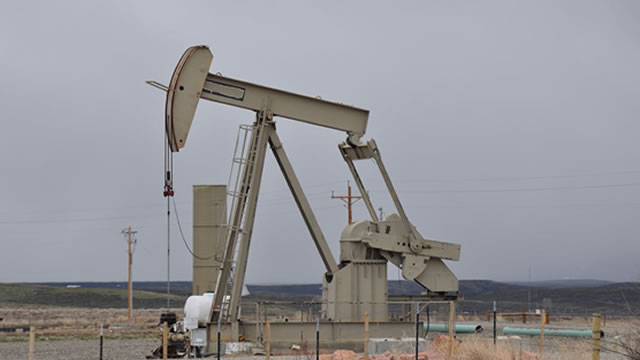
Oil Prices Jump as U.S.-Iran Conflict Stokes Supply Fears
WSJ· 2026-03-02 07:40
Core Viewpoint - Crude prices increased significantly due to heightened tensions following U.S.-Israel attacks on Iran, raising concerns about a potential wider regional conflict and the risk of prolonged disruptions to energy flows through the Strait of Hormuz [1] Group 1 - The attacks have led to fears of a broader regional war, which could impact global oil supply [1] - The Strait of Hormuz is a critical chokepoint for energy transportation, making any disruption a significant concern for the oil market [1]
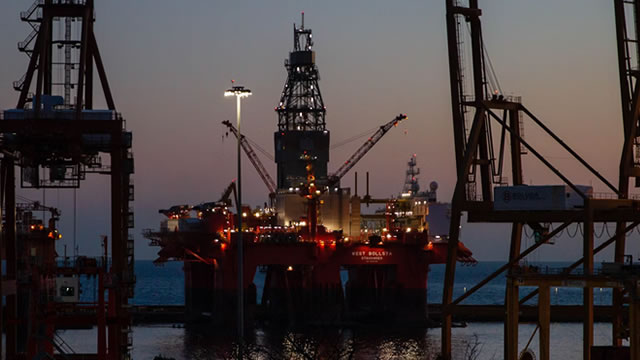
Chevron Battles Back: Restart Efforts Underway at El Segundo Refinery
ZACKS· 2025-10-08 16:07
Core Insights - Chevron Corporation is working to restart processing units at its El Segundo refinery after a fire caused partial shutdowns, which is critical for transportation fuel supply in Southern California [1][11] - The refinery continues to operate at reduced capacity, producing essential fuels despite the disruption [2] Incident Details - A fire occurred in the Isomax 7 unit of the refinery, which converts mid-distillate fuel oil into jet fuel, resulting in a significant fireball visible across western Los Angeles [3] - No injuries were reported, and all personnel were accounted for, although local officials issued shelter-in-place advisories for nearby residents [4] Impact on Fuel Supply - The El Segundo refinery supplies approximately 40% of Southern California's jet fuel, and the partial shutdown led to a 33-cent-per-gallon increase in jet fuel prices [5] - Gasoline prices experienced a modest increase of 5-15 cents per gallon, affecting California drivers who already face high fuel costs [6] Investigations and Recovery - Chevron and California's Division of Occupational Safety and Health are investigating the cause of the fire, while the company works to restore operations [7] - The refinery's importance in California's fuel ecosystem highlights the vulnerability of the state's energy market to sudden disruptions [8] Company Overview - Chevron is one of the largest publicly traded oil and gas companies, involved in all aspects of energy, including oil production, refining, and marketing [9] - The company currently holds a Zacks Rank 3 (Hold) [9] Investment Considerations - Investors may consider other energy sector stocks with better rankings, such as Cheniere Energy (Zacks Rank 1), TechnipFMC (Zacks Rank 2), and Oceaneering International (Zacks Rank 2) [10][12][13]


BP's Indiana Refinery Restarts After Severe Flooding Disruption
ZACKS· 2025-08-21 14:27
Core Insights - BP's Whiting refinery in Indiana is in the process of restarting operations after severe thunderstorms and flooding caused disruptions [1][2][9] - The refinery, which has a capacity of 440,000 barrels per day, is expected to return to normal operating rates by early next week [2][9] - Fuel prices in the Midwest are anticipated to rise due to the operational disruptions, with potential increases of 10-20 cents per gallon in the Great Lakes states and 15-30 cents in Chicago [3][9] Company Operations - The flooding led to visible flaring at the refinery, which will continue as necessary during the restart to ensure safe operations [2] - BP has prioritized employee safety and reliable operations during the recovery efforts [4] Market Impact - Energy analysts warn that until the Whiting refinery is fully operational, fuel prices in the Midwest will likely be affected [3] - The refinery is a critical supplier of gasoline, diesel, and jet fuel to the Midwest region [3]