
无偿献血

Search documents
赠六人“生机” 留大爱在人间
Xin Lang Cai Jing· 2025-12-27 17:39
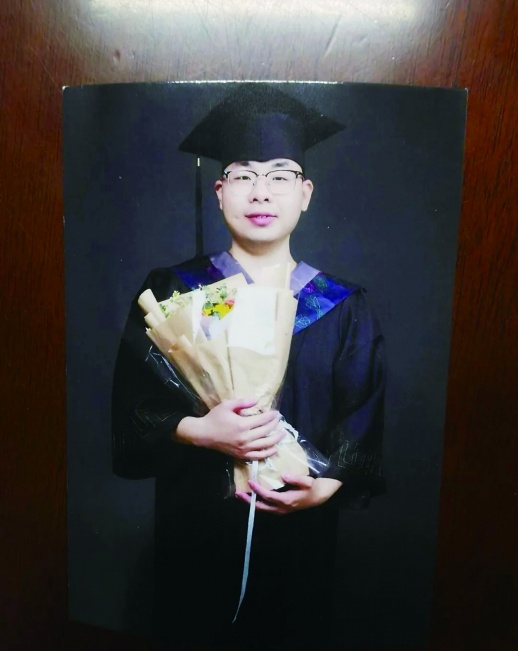
考上湖南中医药大学本科后,他也没放松,不仅拿到了国家励志奖学金、三好学生、优秀实习生这些荣 誉,还把自己的社交平台当成中药学学习资料分享平台。 因为家里经济条件不好,日子过得拮据,为了帮父母减轻负担,刘国平主动申请了学校勤工俭学岗 位。"下课去食堂收拾餐桌,一天能挣5块钱,还管两顿饭。"郑女士回忆,儿子每次打电话都只说"这里 挺好的,能省生活费,5块钱还能买早餐",从来没提过干活有多累。 "他太懂事了,很想他。"12月26日,谈及25岁的儿子刘国平,衡阳的郑女士哽咽难言,"只有想起他捐 献的器官救了6个人,以另外一种方式活在自己身边,我心中才能获得些许安慰。" ■文/视频 三湘都市报全媒体记者 高煜棋 通讯员 乔木 成为医生是他努力了很久的梦想 刘国平是湖南中医药大学毕业生。11月30日,不幸遭遇车祸。虽然医院全力救治,但仍然进展到了脑死 亡状态。儿子的生命到了最后时刻,郑女士和家人商量,决定捐献他的器官,把生的希望留给更多有需 要的人。12月3日,南华大学附属第二医院器官捐献手术室,刘国平献出了一个心脏、一个肝脏、两个 肾脏及一对眼角膜。 "成为医生是他的梦想,这些年一直在努力,本来在备考研究生的。"郑女士 ...

全国无偿献血者达1.4亿人 卫健委呼吁各单位每年组织员工无偿献血
Zhong Guo Jing Ying Bao· 2025-12-27 13:58
《中国经营报》记者了解到,国家卫健委12月17日发布并正在公开征求意见的《中华人民共和国献血法 (修订草案征求意见稿)》中,将"发挥制度优势,加大团体献血组织动员力度"作为一项重要拟增补内 容。征求意见稿还提出,拟延长献血年龄和缩短全血捐献间隔期,将献血者年龄上限由55周岁延长至65 周岁,并将两次全血采集间隔期由不少于6个月缩短为不少于90天。 血费报销跑腿多、周期长,曾是困扰无偿献血者及其家庭的突出问题。今年以来,国家卫健委推进"血 费减免一次都不跑",献血者无论在何地献血、用血,均可通过线上方式办理费用减免。同时,各地也 从多个维度发力,积极探索完善献血者权益保障机制。 "我国团体无偿献血仍有较大潜力,希望党政机关、企事业单位和社会组织每年都能组织员工参与团体 无偿献血,为保障血液采供用平衡作出积极贡献。"12月26日,在国家卫健委新闻发布会上,国家卫健 委医疗应急司司长高光明呼吁更多机构和个人加入团体无偿献血队伍,为亿万患者生命健康筑牢防线。 高光明介绍,自1998年《中华人民共和国献血法》实施以来,全国无偿献血者已达1.4亿人,累计献血 3.08亿人次,有效保障了临床用血需求和血液安全。 不过,团体 ...
喜讯!山东省血液中心荣获2025“责任耀齐鲁”年度责任机构
Qi Lu Wan Bao· 2025-12-27 09:25
Group 1 - The 2025 "Responsibility Shines in Qilu" annual event for healthcare in Shandong was held, where the "Top Ten Healthcare News" and various awards were announced [2] - The Shandong Blood Center was recognized as the "Responsible Institution" for three consecutive years, highlighting its commitment to blood safety and public health [2] - The event also launched the "Yidian Ask Doctor" digital doctor platform and initiated the 2026 "Yidian Ask Doctor" nationwide health protection campaign [2] Group 2 - The Shandong Blood Center has implemented a comprehensive voluntary blood donation mechanism across cities, achieving a "one certificate for the whole province" system [3] - The center has introduced measures to enhance donor satisfaction, including the promotion of a blood usage app and the provision of accident insurance for donors [3] - The center has expanded its blood donation points and successfully completed its annual key tasks, ensuring clinical blood supply while maintaining high-quality standards [3]

热血陇原 甘肃省14个单位、5584名个人获全国无偿献血表彰
Xin Lang Cai Jing· 2025-12-25 10:12
无偿献血奉献奖终身荣誉奖:授予26名个人; 让我们向所有获奖的"热血英雄"致以崇高敬意!同时呼吁更多健康适龄公民加入无偿献血行列,用可再 生的血液挽救不可重来的生命,共同构筑健康甘肃的红色长城。 无偿献血奉献奖金奖:授予789名个人; 近日,在2022-2023年度全国无偿献血表彰中,甘肃共有14个单位及5584名个人荣获国家级表彰,生动 展现了"如意甘肃"的人文精神与公民奉献风貌。 无偿献血志愿服务奖:授予666名个人; 本次表彰经国家卫生健康委、中国红十字会总会、中央军委后勤保障部卫生局联合评定,涵盖多项荣 誉。 这些数字背后,是陇原儿女用热血守护生命的温暖故事。自《中华人民共和国献血法》实施以来,甘肃 省持续完善无偿献血服务体系,临床用血100%来自自愿无偿捐献,为全省医疗救治提供了坚实保障。 此次表彰正是对甘肃无偿献血事业高质量发展的权威认可。 无偿献血促进奖:授予14个单位及8名个人; 无偿献血奉献奖银奖:授予1148名个人; 无偿献血奉献奖铜奖:授予2947名个人; ...
江苏省第九届无偿献血宣传月活动在南京举办
Xin Lang Cai Jing· 2025-12-23 05:38
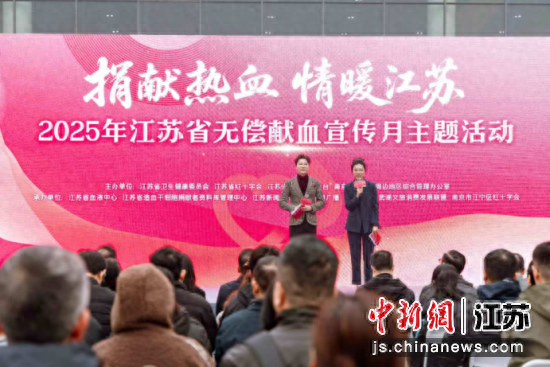
江苏省第九届无偿献血 宣传月活动在南京站举办。江苏省血液中心 供图 启动仪式上,江苏省卫生健康委副主任张金宏在致辞中介绍,截至2025年11月底,江苏省无偿献血者已 达91.4万人次,献血总量超过3.04亿毫升,有力保障了临床用血需求。 活动现场举行了多项重要仪式。苏鲁皖三地血液中心签署党建合作协议,将围绕资源互助、宣传联动等 方面开展跨区域协作,共同提升血液应急保障能力。备受关注的无人机血液运输航线正式启用,该航线 连接江苏省血液中心与多家重点医院,旨在通过"空中生命线"破解因地面交通拥堵导致的送血延误问 题,是智慧医疗与智慧交通融合的创新实践。 中新网江苏新闻12月23日电(陶玲玉)12月20日,江苏省第九届无偿献血宣传月活动在南京举办。本次活 动以"捐献热血,情暖江苏"为主题,旨在进一步推动全社会参与无偿献血,保障临床用血安全。 式启用。江苏省血液中心 供图 无人机血液运输航线正 同时,南京站北广场献血小屋正式揭牌启用,成为江苏省血液中心第19个固定献血点,为旅客和市民提 供更加便捷的献血服务。 在服务优化方面,江苏省无偿献血荣誉证("三免卡")申领流程实现全面提速。通过新上线的数字化服务 平台,符合条 ...
夫妻同心行 热血暖人间
Xin Lang Cai Jing· 2025-12-20 23:09
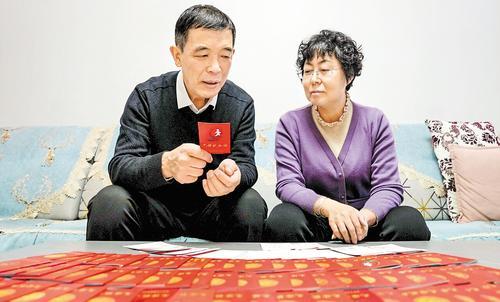
Core Viewpoint - The article highlights the philanthropic efforts of Bao Shoukang and his wife Li Xuesong, who have dedicated themselves to voluntary blood donation and community service, significantly impacting their local community and inspiring others to join their cause [3][4][5]. Group 1: Blood Donation Efforts - Bao Shoukang has participated in voluntary blood donation for 34 years, contributing over 320,000 milliliters of blood and receiving multiple national awards for his efforts [3][5]. - The couple has inspired over 5,000 individuals to join the voluntary blood donation initiative, with a total donation volume from employees at Chengde Vanadium Titanium reaching over 4.7 million milliliters [5][6]. - They have organized blood donation drives in rural areas, significantly increasing participation and awareness of the importance of blood donation [4][5]. Group 2: Community Support and Education - The couple has also engaged in educational support, helping underprivileged students, including providing guidance and financial assistance for higher education [6]. - They have supported 17 students in changing their life trajectories through mentorship and financial aid, demonstrating their commitment to community welfare [6][7]. - Their charitable actions have earned them recognition, including the "Most Influential Public Welfare Action Award" in Chengde and the title of "National Civilized Family" [6][7].
聆听生命乐曲,传递人间大爱 省红十字捐献者事迹报告会镇江专场举行
Zhen Jiang Ri Bao· 2025-12-19 21:48
Group 1 - The "Jiangsu Province Blood Donation Promotion Month" is in its 9th year, with a report meeting held on December 18, highlighting the theme "Donate Blood, Warm Jiangsu" [1] - The event featured stories from 8 blood donors, showcasing the spirit of "humanity, charity, and dedication" associated with the Red Cross [1] - Notable figures include Qian Hanmin, who has donated a total of 16,600 milliliters of blood and volunteered over 5,300 hours, emphasizing the importance of mobilizing others to donate [1] Group 2 - The Guoneng Jiangsu Jianbi Power Company has developed a volunteer team from 122 to 250 members over 22 years, with 8 employees successfully donating hematopoietic stem cells [2] - The report meeting highlighted the extraordinary achievements of individuals through voluntary blood donation and stem cell donation, creating life-saving miracles and spreading warmth across Jiangsu [2]
时隔27年 我国献血法拟迎首次修订
Zhong Guo Xin Wen Wang· 2025-12-17 10:04
时隔27年 我国献血法拟迎首次修订 中新网12月17日电 国家卫健委17日在官网公布《中华人民共和国献血法(修订草案征求意见稿)》,向社 会公开征求意见。此次修订是自1998年《中华人民共和国献血法》实施以来的首次重大修改,征求意见 稿内容扩充至60条,包括总则、组织动员与社会责任、血液采集与临床用血、保障与激励、法律责任等 五个方面。征求意见稿具体如下: 中华人民共和国献血法 (修订草案征求意见稿) 第一章 总则 第一条 为保证公民临床用血需要和安全,保障献血者和用血者身体健康,发扬人道主义精神,弘扬社 会主义核心价值观,促进社会主义物质文明和精神文明建设,制定本法。 第二条 在我国领域内开展献血、采供血、临床用血及相关管理活动,适用本法。 本法所指团体献血,是指国家机关、企业事业组织、社会组织、社区等,基于社会公益目的,主动承担 组织与保障责任,动员并组织本单位本社区健康适龄人员自愿参与无偿献血的社会公益行为。 第三条 坚持中国共产党对献血工作的全面领导。 献血工作坚持人民至上、生命至上,坚持自愿无偿、保障安全的原则,培育和弘扬社会主义核心价值 观,推动形成无私奉献、团结友爱的社会风尚,为维护人民群众生命 ...
淄博市中心血站携手新华制药开展无偿献血活动
Qi Lu Wan Bao· 2025-07-30 21:31
Core Viewpoint - Shandong Xinhua Pharmaceutical Co., Ltd. actively participated in a voluntary blood donation campaign, demonstrating corporate social responsibility and employee engagement [1] Group 1: Company Initiatives - The company organized a blood donation event involving its first and second plants and the security department, showcasing a collective effort to contribute to society [1] - A total of 103 employees participated in the blood donation, contributing 38,450 milliliters of blood, highlighting the company's commitment to social causes [1] Group 2: Employee Engagement - Employees expressed a sense of fulfillment and purpose in donating blood, with one employee mentioning he has donated four times and plans to continue annually [1] - The event fostered a sense of community and solidarity among employees, reinforcing the company's internal cohesion and shared values [1]

北京市多个献血点暑期迎来调整
Bei Jing Qing Nian Bao· 2025-07-17 01:21
Core Points - The summer season typically sees a decline in voluntary blood donations due to factors such as hot weather and university students being on vacation [1][2] - The Beijing Red Cross Blood Center has initiated a summer blood donation service plan, adjusting multiple donation points to enhance accessibility [1][2] Group 1: New Blood Donation Facilities - The Guangqumen Blood Donation House, located at 39 Guangqumen Inner Street, is set to officially open on the 26th of this month, becoming the largest blood donation house outside the Beijing Red Cross Blood Center [1][2] - The facility offers both whole blood and component blood donation services, emphasizing humanized and intelligent services as its main highlights [1][2] - The facility features a design that integrates "life + art," creating a clean and serene atmosphere in the blood collection area and a warm, comfortable resting area [1][2] Group 2: Technological Innovations - The Guangqumen Blood Donation House is equipped with various smart devices, including a self-service registration machine that integrates health inquiries and basic health monitoring functions [2] - The donation area includes 14 component blood donation positions and 2 whole blood collection positions, with a focus on donor comfort during the donation process [2] - Donors will wear a smart blood oxygen ring to monitor heart rate and blood oxygen levels in real-time, with alerts sent to staff if any abnormalities are detected [2] Group 3: Operational Adjustments - The Beijing Red Cross Blood Center currently operates over 50 blood donation points, with adjustments made to several locations as summer approaches, including relocations, closures, and upgrades [2][3] - The newly opened Ritan Blood Donation House, located near the west gate of Ritan Park, has begun trial operations, providing whole blood donation services [3] - Eight blood donation points have extended their service hours during the summer, including locations at major transit hubs and popular areas [3]