水资源循环利用

Search documents
四水映绿 豫见两山丨治水兴水 贾鲁日新
He Nan Ri Bao· 2025-08-09 23:14
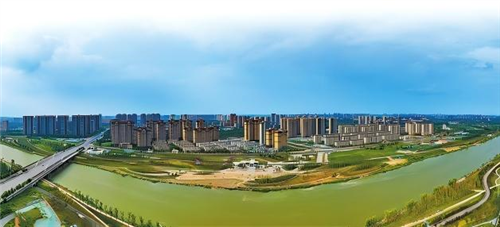
Core Viewpoint - The article highlights the ecological restoration efforts along the Jialu River in Zhengzhou, emphasizing the importance of water quality and biodiversity in urban environments [1][3][11]. Group 1: Ecological Restoration Efforts - Zhengzhou has initiated comprehensive governance of the Jialu River, focusing on river channel remediation, ecological greening, and pollution control since 2016 [3][11]. - The city has implemented the "Jialu River Protection Regulations" and established a monitoring network for ecological and environmental data sharing [4][11]. - Over 110 kilometers of sewage interception pipelines have been laid along the riverbanks, along with the construction of several sewage treatment plants to ensure comprehensive sewage collection and treatment [4][11]. Group 2: Biodiversity and Water Quality - The Jialu River has been observed to host over 230 species of birds, indicating a rich biodiversity that reflects the health of the ecosystem [1][9]. - The water quality of the Jialu River has consistently maintained above Class IV, with specific monitoring points showing improvements from inferior Class V to Class IV, aiming for Class III by 2024 [9][11]. - The river's ecological restoration has led to the establishment of a natural ecological pattern, supporting various protected bird species and enhancing the overall environmental quality [9][11]. Group 3: Community Engagement and Economic Development - Community activities, such as bird watching events, have been organized to raise awareness about local biodiversity and engage youth in ecological education [1]. - The Jialu River is being developed as a key waterway for regional transportation, linking major cities and promoting the growth of port-related industries [8]. - The river's revitalization has transformed it into a popular recreational area for residents, contributing to the city's cultural and ecological landscape [5][11].

从“污水”到“清流” 包钢集团打造钢铁行业水资源循环利用新标杆
Nei Meng Gu Ri Bao· 2025-07-02 07:27
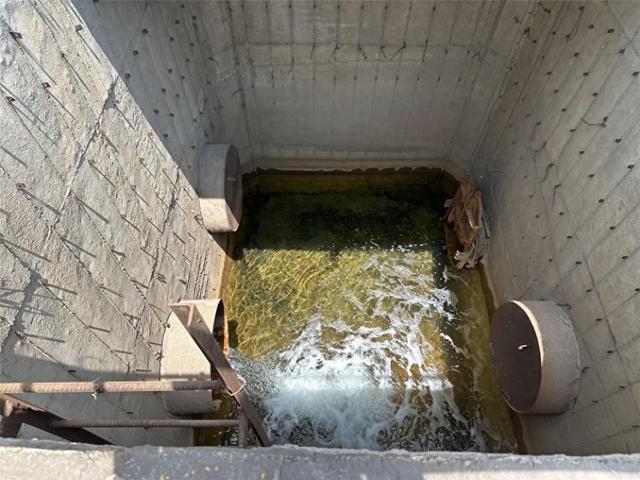
Core Viewpoint - The steel industry in China is undergoing a transformation towards high-end, intelligent, and green development, with a focus on efficient water resource management and industrial wastewater treatment as key challenges [1][3]. Group 1: Company Initiatives - Baogang Group has pioneered a "zero discharge" approach to industrial wastewater, turning pollution into a resource and setting a new benchmark for efficient water resource utilization in the steel industry [3][5]. - The total wastewater treatment project at Baogang is the first large-scale zero discharge project for concentrated saline wastewater in the domestic steel industry, capable of treating 350 cubic meters of wastewater per hour [3][5]. - 95% of the treated wastewater is converted into high-quality recycled water for core processes like iron smelting and steel rolling, reducing the consumption of new water from the Yellow River by nearly 3 million tons annually [5][7]. Group 2: Technological Innovations - The remaining 5% of high-concentration saline wastewater is transformed into high-purity sodium chloride and sodium sulfate crystals through evaporation and crystallization technology, re-entering the economic cycle as industrial raw materials [5][7]. - Baogang employs a chemical coagulation and sedimentation method for fluoride removal, achieving a fluoride concentration below 1.5 mg/L, resulting in an annual reduction of 112 tons of fluoride emissions [5][7]. Group 3: Industry Impact - Baogang's investment of nearly 10 billion yuan in ultra-low emission renovations and water management projects marks a shift from passive treatment to proactive recycling [7]. - The transformation from "wastewater" to "clean water" illustrates a successful model for cost reduction and efficiency improvement, providing a replicable green development model for the industry [7]. - The company emphasizes that water resource recycling is not an alternative but a necessary path for the future green development of the steel industry [7].