
黄金预定价交易

Search documents
40倍杠杆锁价、场外期货“对赌” 黄金料商却在金价新高时悄悄消失了
Di Yi Cai Jing· 2025-09-17 10:36
Core Viewpoint - The article discusses the emerging risks associated with a high-leverage gold trading model in the Shenzhen Shui Bei market, particularly focusing on the case of Shenzhen Yue Baoxin Precious Metals Co., which has reportedly ceased operations and left many clients unable to retrieve their funds or gold [1][3][7]. Group 1: Trading Model and Risks - The pre-set price trading model allows buyers to lock in gold prices by paying a deposit of approximately 2.4% to 3% of the actual gold price, significantly lower than the typical 10% margin required in standard gold futures trading [1][12][20]. - This model has led to some traders acting as "speculators," engaging in practices such as short-selling, where they do not purchase the gold immediately, hoping to buy it at a lower price later [2][15]. - The high leverage involved in this trading model can lead to substantial financial losses for traders if gold prices rise unexpectedly, as they may be forced to buy at higher prices to fulfill their obligations [16][20]. Group 2: Company Specifics - Shenzhen Yue Baoxin was established in August 2023 and primarily engaged in the sale, wholesale, recycling, and processing of jewelry [5]. - Following the company's abrupt closure, many clients reported being unable to retrieve their gold or funds, with one client citing a loss of over 900,000 yuan worth of gold [6][7]. - The company’s sudden disappearance has raised concerns about a potential wave of similar incidents in the Shui Bei market, although the Shenzhen Jewelry Association has stated that many businesses are still operating normally [7][20]. Group 3: Legal Implications - The trading practices employed by companies like Yue Baoxin may be classified as illegal operations or fraud, as they involve collecting deposits without actual gold reserves or the ability to hedge risks properly [21][22]. - Legal experts suggest that such practices could lead to criminal charges for contract fraud or illegal business operations, as they resemble characteristics of futures trading without proper regulatory oversight [20][21]. - Historical cases have shown that similar trading models have been deemed illegal by courts, leading to penalties for those involved [22].

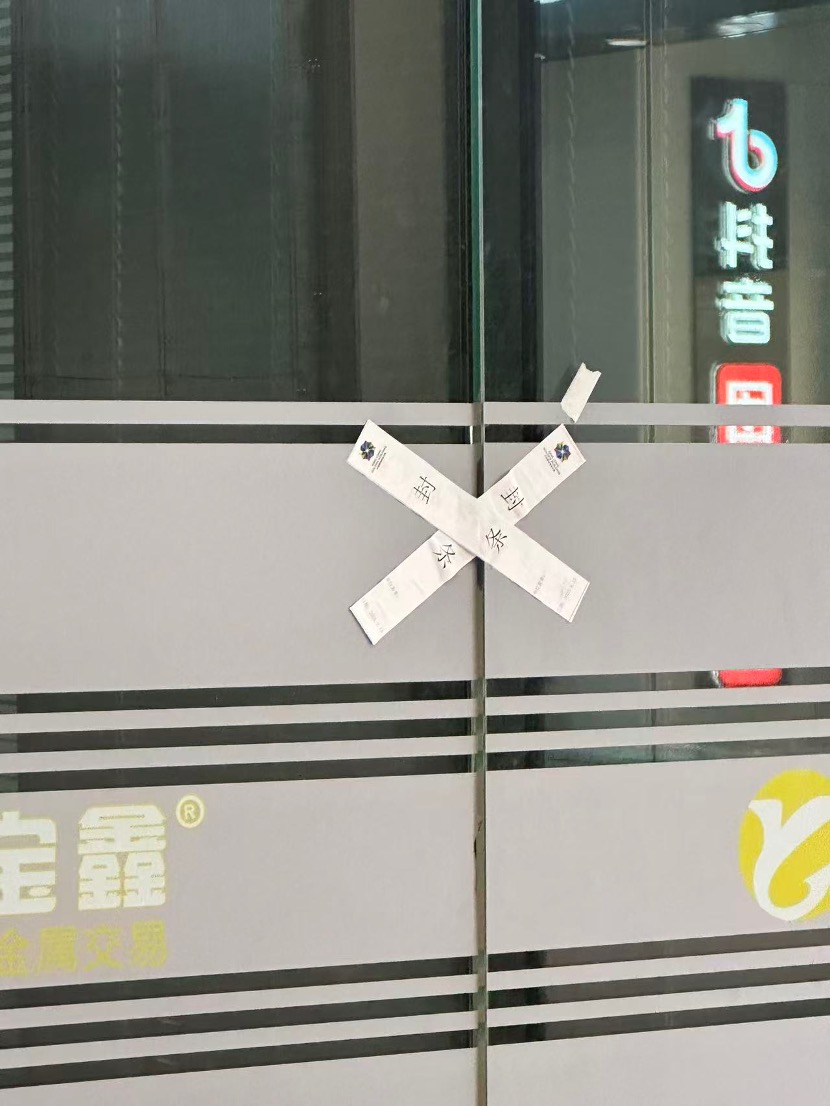
40倍杠杆锁价、场外期货“对赌”,黄金料商却在金价新高时悄悄消失了
Di Yi Cai Jing· 2025-09-17 10:03
Core Viewpoint - The article discusses the risks associated with a high-leverage gold trading model in the Shenzhen Shui Bei market, particularly focusing on the sudden closure of a gold trading company, Shenzhen Yue Baoxin Precious Metals Co., Ltd, which has left many merchants unable to retrieve their funds and gold materials [1][3][7]. Group 1: Trading Model and Risks - The pre-set price trading model allows buyers to lock in the price of gold by paying a deposit of approximately 2.4% to 3% of the actual gold price, significantly lower than the typical 10% margin required for gold futures trading [1][12][20]. - This model has led to a high leverage ratio, with some transactions exhibiting leverage as high as 30 to 50 times, creating substantial risk for traders [13][18]. - Some traders may engage in speculative practices, such as short selling, by not purchasing the gold immediately and instead waiting for prices to drop, which can lead to significant losses if prices rise unexpectedly [2][15][16]. Group 2: Company Closure and Impact - Shenzhen Yue Baoxin announced its closure due to the freezing of its bank accounts and the disappearance of its legal representative, affecting numerous merchants who had transactions with the company [3][5][6]. - Reports indicate that the closure has resulted in financial losses for various merchants, with one gold shop reportedly losing over 900,000 yuan worth of gold [6][7]. - The incident has raised concerns about a potential wave of similar closures among other trading companies in the Shui Bei market, although the Shenzhen Gold and Jewelry Association has stated that many businesses are still operating normally [7][20]. Group 3: Legal and Regulatory Concerns - The trading practices employed by companies like Yue Baoxin may be classified as illegal operations or fraud, as they resemble futures trading without proper regulatory oversight [21][22]. - Legal experts suggest that the collection of deposits under the guise of price locking could constitute contract fraud, especially if there is no actual gold reserve or hedging capability [21][22]. - Previous court cases have ruled similar trading practices as illegal, indicating a potential for significant legal repercussions for companies engaging in these high-risk trading models [22].