中央八项规定精神

Search documents
中央明确公职人员违规吃喝认定标准
证券时报· 2025-06-22 08:22
近日,中央纪委国家监委网站发布《中央层面深入贯彻中央八项规定精神学习教育工作专班、中央纪委办公厅公开通报2起党员干部违规吃喝严重违反中 央八项规定精神典型问题》,在违规吃喝的问题上,给党员干部敲响了警钟。 家人围坐、好友相聚,总少不了一桌好菜。但公职人员可得警惕,有些"热情饭局",可能藏着"违规陷阱"。 什么是违规吃喝? 违规吃喝 是指:违反规定接受、提供宴请,其中包括违规提供或接受可能影响公正执行公务的宴请、接受公款宴请及管理和服务对象宴请,以及违反规定 组织、参加公款支付的宴请等行为,是典型的违反中央八项规定精神行为。 根据《中国共产党纪律处分条例》(以下简称《条例》)规定,违规吃喝案件主要有四类: 一是接受、提供可能影响公正执行公务的宴请; 二是违规出入私人会所吃喝; 不过,根据《条例》第一百零一条规定,无论吃饭花费的是否为公款,只要是可能影响公正执行公务的宴请,党员干部一概不能接受。 下属、下级单位、企业、管理和服务对象,带有这些词条属性的人,不管是什么原因,不管在哪儿吃,只要是对方宴请,吃了就是违纪。 在哪儿吃 这是判定是否违规吃喝的另一个关键因素。在这方面,如果只是单纯通过吃喝地点来判断是否违规, ...


中央明确公职人员违规吃喝认定标准
中国基金报· 2025-06-22 07:37
一是接受、提供可能影响公正执行公务的宴请; 二是违规出入私人会所吃喝; 三是违规组织、参加用公款支付的宴请; 来源:央视网、 中央纪委国家监委网站、"共产党员"微信公众号 近日,中央纪委国家监委网站发布《中央层面深入贯彻中央八项规定精神学习教育工作专班、中央纪委 办公厅公开通报2起党员干部违规吃喝严重违反中央八项规定精神典型问题》,在违规吃喝的问题上, 给党员干部敲响了警钟。 家人围坐、好友相聚,总少不了一桌好菜,但公职人员可得警惕,有些"热情饭局",可能藏着"违规陷 阱"。 什么是违规吃喝? 违规吃喝是指:违反规定接受、提供宴请,其中包括违规提供或接受可能影响公正执行公务的宴请、接 受公款宴请及管理和服务对象宴请,以及违反规定组织、参加公款支付的宴请等行为,是典型的违反中 央八项规定精神行为。 根据《中国共产党纪律处分条例》(以下简称《条例》)规定,违规吃喝案件主要有四类: 四是超标准、超范围接待或者借机大吃大喝。 认定违规吃喝的关键是什么? 根据违规吃喝问题的构成要素,认定违规吃喝的关键点在于弄清参与吃喝的人员关系、吃喝的地点性质 和吃喝的钱款来源,也就是和谁吃、在哪儿吃、谁付钱。 和谁吃 党员干部也有生 ...
中央明确公职人员违规吃喝认定标准
财联社· 2025-06-22 05:45
近日,中央纪委国家监委网站发布《中央层面深入贯彻中央八项规定精神学习教育工作专班、 中央纪委办公厅公开通报2起党员干部违规吃喝严重违反中央八项规定精神典型问题》,在违 规吃喝的问题上,给党员干部敲响了警钟。 家人围坐、好友相聚,总少不了一桌好菜。但公职人员可得警惕,有些"热情饭局",可能藏 着"违规陷阱"。 什么是违规吃喝? 违规吃喝是指:违反规定接受、提供宴请,其中包括违规提供或接受可能影响公正执行公务的 宴请、接受公款宴请及管理和服务对象宴请,以及违反规定组织、参加公款支付的宴请等行 为,是典型的违反中央八项规定精神行为。 根据《中国 共产党 纪律处分条例》(以下简称《条例》)规定,违规吃喝案件主要有四类: 一是接受、提供可能影响公正执行公务的宴请; 二是违规出入私人会所吃喝; 三是违规组织、参加用公款支付的宴请; 四是超标准、超范围接待或者借机大吃大喝。 认定违规吃喝的关键是什么? 根据违规吃喝问题的构成要素,认定违规吃喝的关键点在于弄清参与吃喝的人员关系、吃喝的 地点性质和吃喝的钱款来源,也就是和谁吃、在哪儿吃、谁付钱。 和 谁 吃 党员干部也有生活,也需要维系感情,不是说和谁吃饭都不行,如果是和家里 ...

苏州市委召开全市警示教育会
Su Zhou Ri Bao· 2025-06-20 23:31
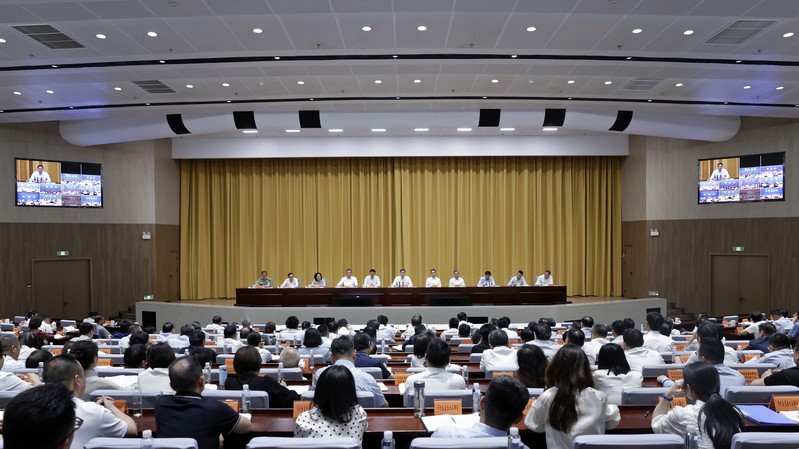
Core Points - The meeting emphasized the importance of strengthening the party's work style and adhering to the central eight regulations to provide a strong guarantee for the modernization practices in Suzhou [1][5] - The meeting highlighted the need for continuous education and vigilance among party members to prevent issues such as improper dining, infringement of public interests, and corruption [3][4] Group 1: Key Issues Addressed - The meeting analyzed prominent issues such as improper dining, infringement of public interests, and the acceptance of gifts and money, stressing the need for self-reflection and learning from typical cases [3][4] - It was noted that improper dining should be treated as a serious political task, requiring strict measures and accountability to ensure party members understand the importance of discipline [4] - The meeting called for a focus on protecting public interests and addressing corruption, with a commitment to identifying and mitigating risks [4] Group 2: Implementation and Accountability - The meeting underscored the necessity of deepening the understanding of the significance of the "two establishments" and the "two safeguards" to ensure adherence to the central eight regulations [5] - It was emphasized that the implementation of strict measures should be combined with care for party members, ensuring that the requirements for work style are effectively translated into actionable steps [5] - The meeting involved leaders from various levels of government and was conducted via video conference, indicating a comprehensive approach to addressing these issues across the region [5]
正厅级魏栓师,违规吃喝被通报!
证券时报· 2025-06-20 14:10
日前,中央层面深入贯彻中央八项规定精神学习教育工作专班、中央纪委办公厅通报了内蒙古自治区人大财政 经济委员会分党组成员、副主任委员、自治区国资委正厅长级干部魏栓师等人违规吃喝、严重违反中央八项规 定精神问题。 经查,5月6日,魏栓师陪同其亲属到内蒙古科技大学包头医学院二附院就诊,随后与二附院原党委书记王秋 枫、二附院介入科主任郭俊到包头市第四医院放射科原主任贺玉玺(已退休,拟返聘二附院介入科工作)在二 附院的办公室叙旧。贺玉玺提出5月7日聚餐,魏栓师表示由其准备酒水并支付餐费。5月7日晚,魏栓师、贺 玉玺、郭俊、王秋枫以及包头医学院正处级干部石继海,包头市公安局包神铁路公安分局党委书记、局长栗占 山,二附院消化内科副主任江振宇等人在包头市某宾馆聚餐。当晚,魏栓师自带白酒,魏栓师、郭俊、王秋 枫、江振宇等人饮用白酒,贺玉玺、石继海、栗占山未饮酒,餐费由魏栓师安排私营企业主支付。聚餐结束 后,王秋枫又组织郭俊、江振宇到其家附近烧烤店继续聚餐饮酒。5月8日6时许,郭俊在家中死亡。魏栓师等 人得知郭俊死亡消息后,商议共同出资与郭俊家属私下了结,双方因金额存在较大分歧,郭俊家属提出要举 报。5月15日,魏栓师主动向自治 ...

中央层面通报:正厅级干部魏栓师,带头违规聚餐饮酒,致1人死亡,涉案干部一边参加学习教育、一边接受违规宴请,是典型的顶风违纪
中国基金报· 2025-06-20 12:18
Core Viewpoint - The article highlights the serious violations of the Central Eight Regulations by certain officials in Inner Mongolia, emphasizing the need for strict enforcement and accountability in combating corruption and maintaining integrity within the party [1][4]. Group 1: Incident Details - Wei Shuan Shi, a senior official, was involved in a violation of the Central Eight Regulations by hosting a dinner with alcohol, which included other officials and was funded by a private business owner [2][3]. - Following the dinner, a participant, Guo Jun, died, leading to discussions among the attendees about settling with his family, which ultimately resulted in a report to the authorities due to disagreements over the settlement amount [2][3]. Group 2: Disciplinary Actions - The Inner Mongolia Discipline Inspection Commission took action against the involved parties, with Wei Shuan Shi facing severe penalties including removal from party positions and further investigation for additional violations [3]. - Other officials received varying degrees of disciplinary actions, with some receiving serious warnings and others facing adjustments to their retirement benefits due to their roles in the incident [3]. Group 3: Broader Implications - The incident reflects a deeper issue of lax political awareness and disregard for regulations among some party members, indicating a persistent culture of improper conduct despite ongoing educational efforts [4]. - There is a call for stronger measures to address the entrenched culture of improper dining practices and to ensure that party organizations take their responsibilities seriously in promoting integrity and accountability [5]. Group 4: Recommendations for Improvement - The article stresses the importance of party organizations to take responsibility and implement comprehensive measures to address and rectify violations, using the incident as a learning opportunity [5]. - It advocates for a clear distinction between normal dining and improper conduct, urging leaders to set an example and actively resist the culture of improper dining [5].
感悟“八项规定改变中国”系列谈②一严到底 全面从严
Zhong Yang Ji Wei Guo Jia Jian Wei Wang Zhan· 2025-06-20 02:14
从严执行,不打折扣、不做变通。制度的生命力在于执行。习近平总书记指出,我们要下大气力建制 度、立规矩,更要下大气力抓落实、抓执行。党中央言必信、行必果,用"讲认真"的精神、"有韧劲"的 行动,狠抓中央八项规定精神贯彻落实。习近平总书记以身作则、率先垂范,带头严格执行中央八项规 定。中央政治局同志一条一条严格对标对表,做到严格自我约束动真格,传递贯彻落实中央八项规定无 死角、无例外的强烈信号。各地区各部门各单位结合实际,采取有力举措,不折不扣抓好贯彻落实。从 遏制"舌尖上的浪费""车轮上的腐败""会所里的歪风",到持续整治形式主义、官僚主义突出问题,深化 拓展为基层减负工作,我们党聚焦"四风"突出问题,步步深入靶向施治,一年一年不松懈,以小切口推 动大变局,真管真严、敢管敢严、长管长严的氛围基本形成。 从严查处,强化监督执纪,保持高压态势。"扫帚不到,灰尘不会自己跑掉"。对作风积弊,必须零容 忍、出重拳,硬起手腕坚决扫除。各级纪检监察机关始终坚持严的基调不动摇,加强监督、从严执纪, 真正让铁规发力、让禁令生威。不断织密监督网络,有机贯通各类监督形成合力,借力信息化手段延伸 监督触角,不断提高及时发现"四风"问题 ...
延炼:以优良作风引领高质量发展
Zhong Guo Hua Gong Bao· 2025-06-20 01:56
Group 1 - The core theme of the training session was to implement the spirit of the Central Eight Regulations to promote high-quality development [1] - The training emphasized the importance of continuous improvement in work style and the need to eliminate formalism and bureaucratism [1][2] - Specific requirements were set for party members to enhance their understanding of the Central Eight Regulations and to drive work efficiency through practical efforts [1] Group 2 - The leadership highlighted the necessity of scientific planning for equipment maintenance, aiming for long-term operational stability [1][2] - There is a focus on increasing employee training to address issues related to personnel turnover and diverse age and educational backgrounds [2] - The importance of compliance awareness was stressed as a foundation for stable corporate development and safety in operations [2]
强化责任担当 砥砺优良作风 确保学有质量查有力度改有成效
Zheng Zhou Ri Bao· 2025-06-20 00:52
Group 1 - The central theme of the meeting was to discuss the effectiveness and experiences of implementing the Central Eight Regulations [1][3] - The meeting emphasized the importance of integrating learning and practice, as well as addressing issues identified by the public to enhance the effectiveness of the educational initiatives [3][4] - The need for continuous improvement in the quality of learning and the importance of understanding the core principles of the Central Eight Regulations were highlighted [3][4] Group 2 - The meeting called for a focus on identifying and addressing key issues that concern the public and businesses, aiming for comprehensive improvements [4] - A mechanism for accountability and responsibility was proposed to ensure effective implementation of the initiatives [4] - Participants engaged in self-study on the achievements and experiences related to the Central Eight Regulations since the 18th National Congress of the Communist Party [4]
新华时评:公职人员24小时禁酒、聚餐控制三人以内、餐费必须AA……当前有一些对整治违规吃喝的歪曲解读,必须予以警惕
中国基金报· 2025-06-19 14:56
Core Viewpoint - The article emphasizes that the rectification of violations related to dining and drinking is not a temporary measure but requires sustained efforts and cannot be applied uniformly across all sectors [1][2]. Group 1: Importance of Addressing Violations - Violations related to dining and drinking are not trivial matters but are significant issues that affect party integrity and public trust [1][2]. - Such violations can lead to corruption and undermine the business environment, ultimately harming economic quality and efficiency [1][2]. Group 2: Long-term Measures and Regulations - The central eight regulations are established as long-term rules that require persistent enforcement and a robust system to address violations [2][3]. - Party organizations must educate members about the political dangers of such violations and combat erroneous thoughts [2][3]. Group 3: Definition and Scope of Violations - The focus of rectification should be on the "violation" aspect rather than the act of dining and drinking itself, particularly concerning party members and public officials [3][4]. - There is a need to distinguish between normal social interactions and violations, ensuring that regulations do not hinder legitimate business activities [3][4]. Group 4: Implementation and Impact - The approach to rectifying violations should be methodical and not disrupt the normal operation of the catering industry or public consumption [4]. - Effective governance requires targeted actions to achieve political, legal, and social outcomes without overreaching [4].