
违规吃喝

Search documents
“年底过了再喝”“风头过去再约”,这种幻想得彻底打消!
Xin Hua She· 2026-01-16 02:10
Core Viewpoint - The article emphasizes the ongoing challenge of curbing the practice of excessive drinking and dining among officials, despite previous efforts and regulations aimed at addressing this issue. It highlights a persistent mindset among some officials that they can resume such behaviors once the scrutiny diminishes, which undermines anti-corruption efforts [1][6][11]. Group 1: Current Situation and Challenges - Recent surveys indicate that while there have been improvements in reducing excessive drinking and dining among officials, the issue has not been completely eradicated, with many still attempting to evade regulations [2][4]. - Some officials are strategically timing their gatherings to avoid detection, planning events during periods of heightened scrutiny, such as meetings or holidays [2][4]. - There are reports of officials using various tactics to disguise their gatherings, such as holding events in less conspicuous locations or under the guise of work-related meals [4][5]. Group 2: Misconceptions and Attitudes - There exists a misconception among some officials that minor violations of drinking and dining regulations are acceptable, viewing them as harmless social interactions rather than potential gateways to corruption [8][9]. - The article points out that some officials believe that once the scrutiny subsides, they can safely engage in excessive drinking without consequences, reflecting a dangerous underestimation of the ongoing anti-corruption efforts [6][9]. - The belief that social drinking is necessary for building relationships and facilitating business is prevalent, leading to justifications for violating regulations [8][9]. Group 3: Consequences and Recommendations - The article warns that the normalization of excessive drinking can lead to more serious corruption issues, as it often serves as a precursor to unethical behavior and financial misconduct [8][9]. - It stresses the importance of maintaining a strict stance against such practices, advocating for a culture of integrity and transparency within government and public service [9][11]. - The need for continuous vigilance and commitment to anti-corruption measures is highlighted, with a call for officials to reject the notion that they can relax their adherence to regulations after periods of scrutiny [11].


详情披露:10名干部违规聚餐,5人喝掉4瓶白酒,从中午十二点持续到下午两点,1人死亡后组局者没立即向组织汇报,反而试图隐瞒真相
Zhong Guo Ji Jin Bao· 2026-01-11 16:29
Core Viewpoint - The article highlights a significant case of corruption involving ten officials in Luo County, Henan Province, who violated the Central Eight Regulations during a learning education period, emphasizing the ongoing commitment to strict governance and the consequences of misconduct [1][3][14]. Group 1: Incident Overview - In March 2025, ten officials from Luo County engaged in a banquet that violated the Central Eight Regulations, leading to severe repercussions, including one death and disciplinary actions against the remaining nine [1][3]. - The banquet was organized by Li Xianlin, who was aware of the regulations but chose to disregard them, reflecting a broader issue of complacency among officials regarding compliance [3][5]. Group 2: Consequences and Reactions - The aftermath of the banquet resulted in Li Xianlin being expelled from the Party and public office, with criminal charges filed against him, highlighting the serious consequences of such violations [17][18]. - The incident prompted a comprehensive review and crackdown on similar misconduct across the province, with the establishment of oversight mechanisms and stricter regulations to prevent future violations [20][22]. Group 3: Broader Implications - The case serves as a reminder of the importance of adhering to the Central Eight Regulations, with the potential for significant personal and professional costs for those who fail to comply [24][26]. - The article underscores the need for continuous efforts to improve governance and maintain a strong connection between the Party and the public, as well as the importance of addressing corruption at all levels [26][28].
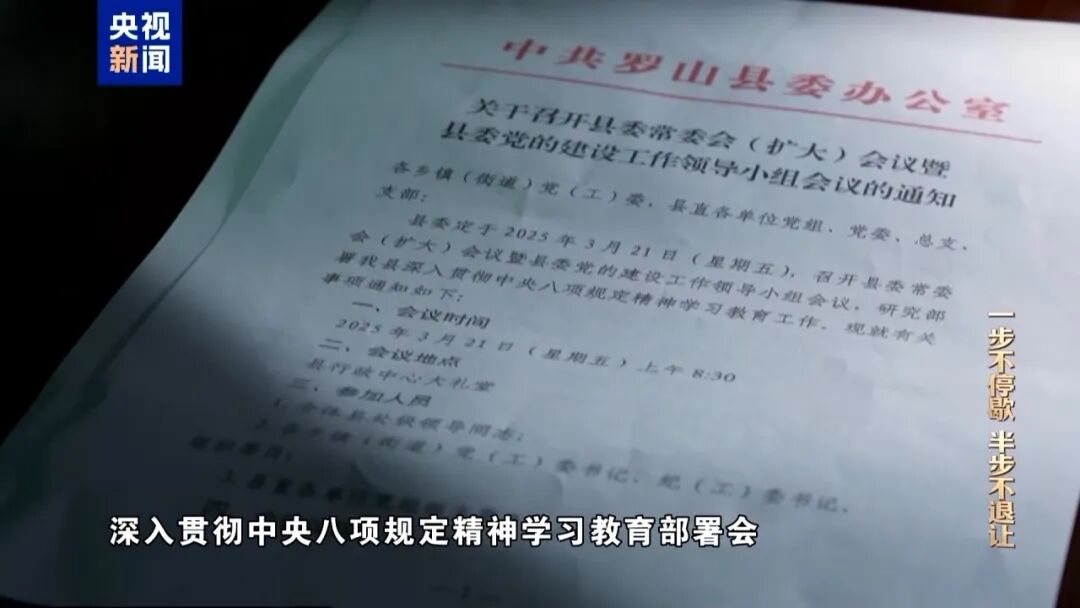
详情披露:10名干部违规聚餐,5人喝掉4瓶白酒,从中午十二点持续到下午两点,1人死亡后组局者没立即向组织汇报,反而试图隐瞒真相
中国基金报· 2026-01-11 16:10
Core Viewpoint - The article highlights the serious violations of the Central Eight Regulations by ten officials in Luo County, Xinyang City, during a learning education period, emphasizing the need for strict adherence to these regulations and the consequences of failing to do so [1][3][19]. Group 1: Incident Overview - In March 2025, ten officials from Luo County engaged in a banquet that violated the Central Eight Regulations, despite having just attended a meeting on the importance of these regulations [3][6]. - The banquet resulted in one official's death due to alcohol consumption, and all ten participants faced disciplinary actions [6][12]. - The total cost of the banquet was 7,170 yuan, with over 4,000 yuan spent on alcohol, indicating a blatant disregard for regulations [19][22]. Group 2: Reflections and Consequences - Officials involved expressed regret, acknowledging their failure to uphold the regulations and the severe consequences of their actions [4][10]. - The incident prompted a broader investigation revealing systemic issues related to power abuse and inadequate enforcement of regulations [19][24]. - Following the incident, significant measures were implemented in Henan Province to combat similar violations, including the establishment of oversight groups and stricter regulations [28][31]. Group 3: Broader Implications - The article underscores the importance of maintaining a strong connection between the Party and the public, as poor conduct among officials can severely damage public trust [36][38]. - The ongoing efforts to enforce the Central Eight Regulations have led to a significant reduction in violations, with over 220,000 cases reported nationwide from January to October 2025 [33][36]. - The article concludes that the lessons learned from this incident should serve as a warning to all Party members to adhere strictly to regulations and reflect on their conduct [26][30].
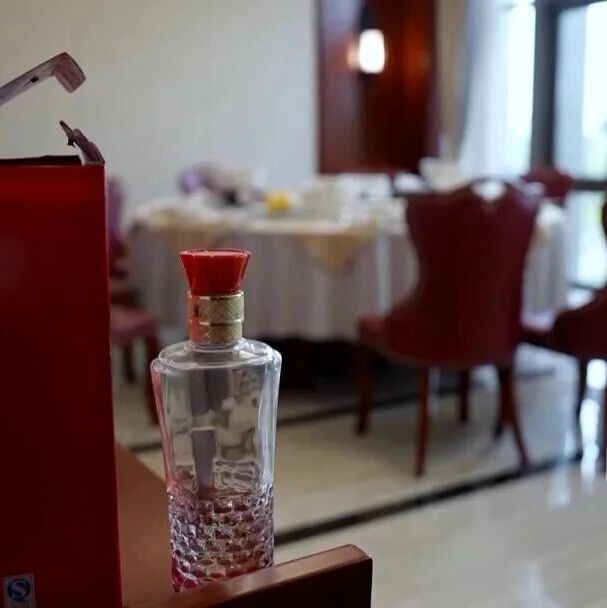
酒桌不正之风是滋生腐败的温床
Xin Lang Cai Jing· 2026-01-11 14:10
Core Viewpoint - The article highlights the persistent issue of alcohol consumption among party officials, which is linked to corruption and unethical behavior, despite ongoing anti-corruption efforts since the 18th National Congress of the Communist Party of China [1] Group 1: Alcohol Consumption and Corruption - The documentary reveals cases of party officials engaging in excessive drinking, leading to severe consequences, including death [1] - Although public drinking with government funds has decreased, private gatherings and drinking among officials continue to occur, often justified by various rationalizations [1] - The culture of drinking is portrayed as a means for officials to gain social acceptance and material benefits, rather than genuine respect [1] Group 2: Consequences and Case Studies - Notable corruption cases, such as that of Tang Ranjian, who amassed over 268 million yuan in corruption linked to his drinking habits, illustrate the dangers of this culture [1] - Officials like Li Xianlin admitted to failing to uphold ethical standards, leading to broader negative impacts on their communities [1] - The article emphasizes that the intertwining of drinking culture and corruption creates a breeding ground for unethical behavior, necessitating strict enforcement against such practices [1]
锐评|反腐大片播出!党员干部“酒瘾”太大早晚喝趴下
Xin Lang Cai Jing· 2026-01-11 13:06
Group 1 - The central theme of the annual anti-corruption documentary is "Unwavering Steps, No Retreat" which highlights the ongoing issues of misconduct among party officials, particularly related to excessive drinking and its consequences [1][2] - Despite a significant reduction in public spending on lavish meals since the 18th National Congress, private gatherings and drinking among officials persist, often justified by various rationalizations [1][4] - The documentary features cases of corruption linked to drinking habits, such as former Minister Tang Ranjian, who was involved in corruption totaling over 268 million yuan, indicating a deep-rooted culture of misconduct [4][5] Group 2 - The documentary critiques the superficial social dynamics at play, where officials seek validation and material benefits through drinking, rather than genuine respect [2][4] - It emphasizes that the culture of drinking is a breeding ground for corruption, with the need for strict enforcement against such practices to prevent further misconduct [5] - The narrative suggests that understanding the motivations behind these gatherings is crucial for officials to avoid falling into corrupt practices, highlighting the importance of maintaining integrity [5]
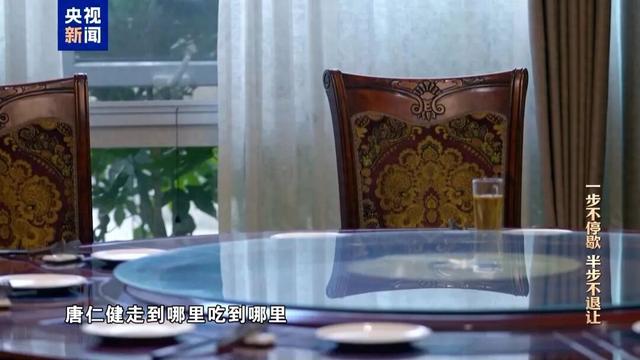
违规吃喝案件中党纪条款适用研究
Zhong Yang Ji Wei Guo Jia Jian Wei Wang Zhan· 2025-12-16 23:53
Core Viewpoint - The article discusses the violation of the Central Eight Regulations regarding improper dining practices, specifically focusing on a case involving public funds being used for a banquet that could influence the impartial execution of duties [1][2]. Group 1: Violation of Regulations - The case involves Sun, the Party Secretary and Chairman of a state-owned enterprise, who invited a deputy mayor and others to a banquet under the pretense of personal expense, while actually using public funds [1][2]. - Two opinions exist regarding the classification of Sun's actions: one suggests he violated multiple articles of the regulations, while the other argues for a more lenient interpretation [2][3]. Group 2: Handling of Involved Parties - The first opinion states that both Sun and Zhang, the vice president who paid for the meal, should face the same disciplinary actions for their joint violation of the regulations [2]. - The second opinion suggests that Sun's actions should only be classified under one article, with Zhang receiving a lighter penalty due to his subordinate role [3][4]. Group 3: Disciplinary Actions - Sun and Zhang's actions are classified under the regulations for organizing a banquet with public funds, which is a serious violation, leading to a recommendation for severe penalties [3][4]. - The deputy mayor and accompanying personnel, unaware of the misuse of public funds, should not be penalized as severely, but their acceptance of the banquet still constitutes a violation of the regulations [4][5]. - Ultimately, Sun received a serious warning, while Zhang and the deputy mayor faced varying degrees of penalties based on their involvement [5].
云南通报4起违规吃喝典型问题
Zhong Yang Ji Wei Guo Jia Jian Wei Wang Zhan· 2025-09-27 04:21
Group 1 - The article highlights the serious violations of discipline by public officials regarding improper dining and drinking practices, emphasizing the importance of adhering to the Central Eight Regulations [1][2][3] - Four specific cases of misconduct are detailed, involving officials from various departments who engaged in activities such as accepting gifts, organizing unauthorized banquets, and misusing public funds for personal expenses [1][2] - The article stresses the need for continuous efforts in maintaining discipline and improving the conduct of party members and public officials to uphold the party's image and integrity [3][4] Group 2 - The cases include individuals like Zou Jin, who was expelled from the party for accepting gifts and hosting private dinners funded by private enterprises [1] - Zheng Changxi mismanaged public funds by creating a "small treasury" for unauthorized dining expenses during official duties [2] - Zhang Yuanli and Jiang Ruixian were also implicated in similar violations, with Zhang accepting entertainment from private entities and Jiang misappropriating public funds for personal dining [2]
前行丨明辨是非 守护正义
Zhong Yang Ji Wei Guo Jia Jian Wei Wang Zhan· 2025-08-11 01:08
Core Viewpoint - The article emphasizes the importance of strict adherence to regulations regarding misconduct, particularly in the context of public officials accepting gifts or benefits, highlighting the need for accountability and integrity in governance [1][2]. Group 1: Misconduct and Accountability - The article discusses the harmful effects of misconduct, particularly in the context of public officials accepting gifts, and stresses that even retired officials should face disciplinary actions if they engage in such behavior [1]. - A case involving a public hospital's vice president accepting "red envelopes" from medical equipment suppliers is examined, with the focus on whether this constitutes bribery or merely a gift [2]. - The article illustrates the necessity of thorough investigations to determine the nature of relationships between officials and suppliers, emphasizing that the absence of explicit profit motives does not absolve officials from accountability [2]. Group 2: Decision-Making and Responsibility - The article presents a case where two officials were held accountable for purchasing faulty gas alarm systems, despite their claims of ignorance regarding the technical specifications [3][4]. - It highlights the importance of understanding the technical aspects of procurement and the implications of decisions made by officials, suggesting that accountability should be balanced with the context of their actions [5]. - The article concludes with a discussion on the need for careful consideration in disciplinary actions, advocating for a nuanced approach that recognizes the complexities of decision-making in public service [6].
学习期间,尺白2次组织5名学员聚餐饮酒、唱歌娱乐;张官林组织7名学员聚餐饮酒,3名学员因醉酒未参加次日学习!青海通报:多人被处理
Zhong Guo Ji Jin Bao· 2025-07-03 14:25
Group 1 - The article highlights multiple violations of the Central Eight Regulations by various officials in Qinghai Province, including instances of organizing banquets and accepting gifts during training sessions [1][2][3][4][5][6][7][8][9] - Specific cases include the actions of officials such as Chi Bai and Zhang Guanlin, who organized gatherings that led to disciplinary actions against them [1][2] - The report emphasizes the need for stricter enforcement of regulations and accountability among officials to combat corruption and maintain discipline within the party [8][9] Group 2 - The article details the disciplinary actions taken against several officials, including the expulsion from the party and public office for Zhang Kunming due to multiple violations [2] - Other officials, such as Yu Long and Ma Wenhui, received varying degrees of punishment, including two years of party observation and demotion [4][8] - The report indicates a persistent issue with officials engaging in corrupt practices despite ongoing anti-corruption efforts, highlighting a lack of awareness and adherence to regulations [8][9]
严惩司法腐败!最高检设立新机构
Zheng Quan Shi Bao· 2025-06-24 09:02
Group 1 - The establishment of the Supreme Prosecutor's Office's Investigation Department aims to enhance the crackdown on judicial corruption and uphold judicial fairness [1] - The Investigation Department will handle cases involving illegal detention, torture, illegal searches, and other crimes committed by judicial staff using their power, as well as major crimes committed by state officials under police jurisdiction [1] - Currently, 28 provincial-level procuratorates and some municipal procuratorates have set up specialized investigation institutions [1] Group 2 - The Central Commission for Discipline Inspection has issued a warning regarding violations of the Eight Provisions, particularly concerning improper dining by party members [2] - Violations include accepting or providing banquets that may influence the impartial execution of duties, and participating in public-funded banquets [3][4] - Key factors in determining violations include the relationships of participants, the nature of the dining location, and the source of funds [5][6][7]