存亡危机事态

Search documents
高市早苗妄谈台海局势,外交部发言人三问日本首相涉台谬论
Huan Qiu Shi Bao· 2025-11-10 22:51
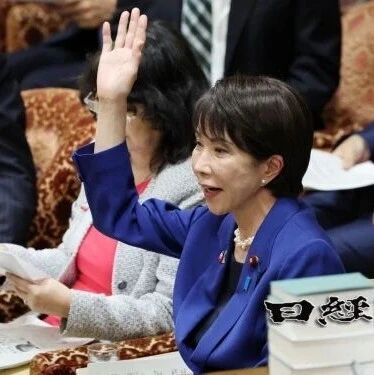
据日本TBS电视台10日报道,立宪民主党众议院议员大串博志在国会称,"认定'存亡危机事态'绝非易 事。一旦认定,就意味着防卫出动,也就是日本作为国家将卷入战争。你难道不打算撤回、取消相关发 言吗?" 对这番言论,日本政坛出现质疑声音。立宪民主党党首野田佳彦8日已对媒体表示,他对高市早苗的发 言感到"非常惊讶,感受到了(她)独自贸然前行的危险性",并表示打算在国会就此展开追问。野田佳 彦还称,"历任首相都对这类话题保持着一定克制,(首相的此番发言)会对国内外产生影响。"他强 调,该发言"分量极重","难道不应该格外谨慎吗?" 日本前首相鸠山由纪夫8日在社交平台X上发帖表示,过去也有人提出"台湾有事即日本有事",而高市 首相则称,(台湾有事)可能构成可行使集体自卫权的"存亡危机事态",目的恐怕是煽动危机,进而为 增强军事力量找借口,但日本本应尊重台湾是中国的一部分这一事实。"归根结底,台湾问题是中国的 内政,日本绝不应插手。"他写道。 【环球时报报道 记者 邢晓婧】日本首相高市早苗日前在回应国会质询时,宣称"台湾有事"恐构成可行 使集体自卫权的"存亡危机事态",引发争议。10日,日本在野党方面要求其撤回相关答辩内 ...
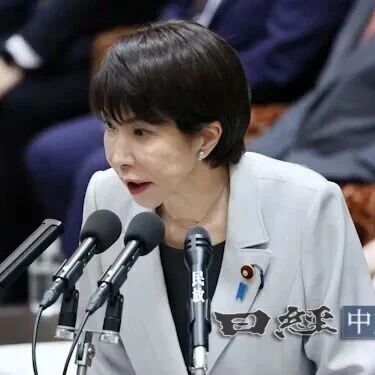
高市表示不收回台湾有事触发“存亡危机事态”的言论
日经中文网· 2025-11-10 07:30
Group 1 - The core viewpoint of the article is that Japanese Prime Minister Kishi Sanae emphasized the government's consistent stance regarding Taiwan's situation, stating that her previous comments were made while considering the worst-case scenario and that she will avoid such specific remarks in the future [2][4] - Kishi Sanae confirmed that the possibility of a crisis in Taiwan could trigger Japan's collective self-defense rights, referring to it as a "survival crisis situation," but acknowledged the need for reflection on how such situations are defined [2][4] - The Japanese government has historically maintained a cautious approach in public discussions regarding Taiwan, often responding with vague statements when asked about the implications of a crisis in Taiwan [4] Group 2 - Kishi Sanae denied any intention to retract her comments about Taiwan potentially triggering a survival crisis, asserting that these statements align with the government's longstanding position [4] - Regarding the funding sources for increasing defense spending to 2% of GDP, Kishi Sanae expressed the desire to ensure adequate funding through expenditure reforms without raising tax rates [4]

高市在国会提台湾有事触及“存亡危机事态”
日经中文网· 2025-11-10 03:16
Core Viewpoint - Japanese Prime Minister Fumio Kishida stated that the possibility of a "survival crisis situation" being triggered if Taiwan suffers a military attack is high, aiming to clarify Japan's response measures in emergencies and enhance deterrence against China [2][4]. Group 1: Japan's Response to Taiwan's Situation - Kishida emphasized the need for comprehensive judgment based on various scenarios if an emergency occurs in Taiwan, indicating that not all situations would constitute a "survival crisis" [4][5]. - The concept of "survival crisis situation" was introduced in Japan's 2015 security legislation, allowing Japan to exercise collective self-defense even if it has not been directly attacked, provided that its national survival is threatened [5][6]. - Japan's Self-Defense Forces (SDF) could engage in joint operations with U.S. forces if the government perceives a threat to Japan's survival, addressing previous concerns from the U.S. regarding SDF's involvement without direct attacks [5][6]. Group 2: Political Reactions and Concerns - There are concerns that discussing specific scenarios in public could escalate tensions, as historically, Japanese governments have been cautious in addressing such topics openly [6][7]. - Defense Minister Nobuo Kishi opposed the idea of discussing specific cases related to Taiwan, arguing that it could expose Japan's strategies and make it more vulnerable to attacks [7]. - Criticism arose from opposition members regarding the potential implications of openly discussing military responses, suggesting it could be seen as an escalation of tensions with China [6][7].