
存亡危机事态

Search documents
日本按现行法律难向霍尔木兹海峡派自卫队
日经中文网· 2026-03-18 08:03
Core Viewpoint - Japan's constitutional Article 9 restricts overseas military deployment, requiring specific conditions to be met for any military action, which have not been previously activated [2][4][5]. Group 1: Legal Framework and Military Actions - Japan's government is discussing potential responses by the Self-Defense Forces (SDF) due to the blockade of the Strait of Hormuz by Iran, but current legal frameworks make it difficult to fulfill U.S. expectations for troop deployment [2][4]. - The SDF has never operated in combat zones, and any action in the Persian Gulf is deemed unrealistic under current constitutional constraints [4][5]. - Actions such as mine-sweeping and vessel protection could be interpreted as the use of force under international law, which complicates Japan's ability to engage militarily [4][5]. Group 2: Conditions for Military Engagement - For Japan to engage in military action, it must classify the situation as a "survival crisis" or an "important influence situation," both of which require a legal basis that has not been previously established [5][6]. - Any military cooperation with the U.S. against Iran would necessitate a justification under international law, which is currently weak due to the lack of a UN resolution supporting U.S.-Israeli actions [5][6]. - Japan's past military actions were based on international cooperation under UN resolutions, such as support during the Gulf War and the Iraq War, which are not applicable in the current context [5][6]. Group 3: Current Military Deployments and Diplomacy - Japan has deployed the "Yuudachi" destroyer and P-3C patrol aircraft for intelligence-gathering missions in the region, operating under the Defense Ministry's investigative provisions [6]. - Recent diplomatic efforts include discussions between Japan's Foreign Minister and Iran's Foreign Minister, emphasizing the need for Iran to ensure the safety of vessels in the Strait of Hormuz [6].

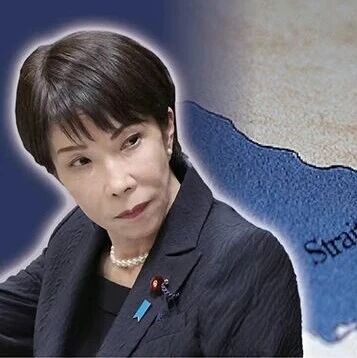
霍尔木兹海峡封锁,日本直面“存亡危机”?
凤凰网财经· 2026-03-03 14:07
Core Viewpoint - The article discusses Japan's strategic response to the potential blockade of the Strait of Hormuz by Iran, emphasizing the importance of this waterway for Japan's energy imports and the implications for Japan's collective self-defense policy [1][3]. Group 1: Strategic Importance of the Strait of Hormuz - The Strait of Hormuz is critical for Japan, with over 90% of its crude oil imports coming from the Middle East, and approximately 80% of oil tankers passing through this strait [1]. - The Japanese government has previously considered a blockade of the strait as a scenario that could trigger the exercise of collective self-defense under its security laws [1]. Group 2: Government's Cautious Stance - The current Japanese administration, led by Prime Minister Kishi Nobuo, is taking a cautious approach, stating that it is still gathering information and has not yet classified the situation as a significant security threat [3]. - Historically, Japan has never activated collective self-defense in response to threats to resources from the Strait of Hormuz, indicating a high threshold for such a decision [3][4]. Group 3: Potential Future Developments - If the situation escalates to a blockade involving mines, the U.S. may seek Japan's assistance for mine-clearing operations, presenting a significant test for the current administration's security policy since the enactment of the security laws [4].

霍尔木兹海峡封锁构成日本“存亡危机”吗?
日经中文网· 2026-03-03 03:06
Core Viewpoint - The article discusses the potential implications of the Iranian blockade of the Strait of Hormuz on Japan's energy security, highlighting the legal framework for Japan's collective self-defense and the historical context of similar situations [2][4][6]. Group 1: Legal Framework and Collective Self-Defense - The concept of "existential crisis situation" was established during Shinzo Abe's administration in 2015, allowing Japan to exercise collective self-defense under specific circumstances [4]. - An "existential crisis situation" is defined as a state where Japan's survival is threatened due to military attacks on closely related countries [4]. - The Japanese government has previously considered the blockade of the Strait of Hormuz by mines as a potential scenario for exercising collective self-defense, although it has never been enacted [2][4]. Group 2: Energy Dependency and Risks - Over 90% of Japan's crude oil imports depend on the Middle East, with 80% of these shipments passing through the Strait of Hormuz [6]. - A blockade of the Strait by mines would severely impact Japan's energy supply, prompting potential collaboration with the U.S. for mine-clearing operations [6]. - The Japanese government assesses the likelihood of such a scenario as low, with past incidents not leading to the activation of collective self-defense measures [6]. Group 3: Government Response and Current Situation - As of March 2, the Japanese government has not classified the current situation as a significant impact event under security laws, indicating a cautious approach to the evolving circumstances [4][6]. - Prime Minister Sanna Takashi stated that the government is gathering information on the situation, emphasizing the need for individual assessments based on actual events [6]. - Historical precedents show that Japan has refrained from activating collective self-defense in past threats to energy supplies, indicating a pattern of cautious response [6].
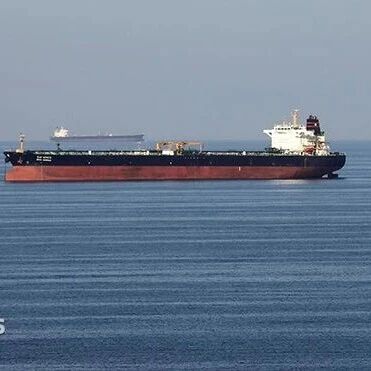
高市早苗狂言暴露日本危险战略走向(国际论坛)
Ren Min Ri Bao· 2026-01-17 23:16
Core Viewpoint - Japan's potential shift towards militarization and the exercise of collective self-defense poses a significant threat to peace in East Asia and globally, necessitating vigilance and opposition from the international community, including the Japanese people [1][3]. Group 1: Military Expansion and Regional Stability - Japan's military expansion is primarily aimed at China, jeopardizing peace and stability in East Asia. The government seeks to involve the U.S. in potential conflicts over Taiwan, indicating a risk of Japan becoming a source of regional warfare [2]. - The historical context of Japan's colonial rule over Taiwan raises concerns about a resurgence of ambitions regarding Taiwan, which is unacceptable to the Chinese government and people [2]. Group 2: Legal and Political Implications - Japan's threats of military action against China challenge post-war international law and order, which are based on documents like the UN Charter and the Potsdam Declaration. Japan's historical commitments to return territories, including Taiwan, are being overlooked [2][3]. - High-ranking officials in Japan are accused of distorting legal frameworks to create a false narrative regarding Taiwan's status, undermining the political and legal foundations of Sino-Japanese relations [2]. Group 3: Violations of Domestic and International Law - Japan's actions violate both international law and its domestic laws, as peaceful resolution of disputes is mandated by the UN Charter and Japan's own constitution. The Taiwan issue is deemed a core internal matter for China, and Japan's military threats are seen as a significant risk to national security [3]. - The rhetoric surrounding "survival crisis" echoes historical precedents where Japan justified military expansion and aggression, raising alarms about a potential return to militarism [3].
所谓“存亡危机事态”是日本对国际法的非法僭越
Xin Lang Cai Jing· 2025-12-21 20:41
Core Viewpoint - Japanese Prime Minister Kishi Nobuo's remarks regarding Taiwan have drawn international attention, as they are seen as interference in China's internal affairs and a challenge to the post-war international order [1][2][3] Group 1: Legal Basis of Taiwan's Status - Taiwan is an inseparable part of China's territory, supported by international law, with historical claims dating back to China's discovery and administrative control [2] - The Cairo Declaration of 1943 and the Potsdam Declaration of 1945 reaffirm that Taiwan must be returned to China, establishing a legal framework for Taiwan's status [2] - The UN Resolution 2758 in 1971 recognized the People's Republic of China as the sole legitimate representative of China, further solidifying the international consensus on Taiwan's status [2] Group 2: Violations of International Law - Kishi's comments classify Taiwan as a "foreign country," which violates the UN Charter's principles of non-interference and prohibition of the threat of force [3][4] - The remarks contradict Japan's commitments under the 1972 Sino-Japanese Joint Statement, which acknowledges the PRC as the only legitimate government of China and respects its stance on Taiwan [3] - Kishi's interpretation of Taiwan as a "foreign country" undermines the post-war international order and Japan's obligations under international law [3][4] Group 3: China's Legal Response - China has sufficient legal grounds to defend its sovereignty and can take multiple measures against Japan, including demanding a retraction of Kishi's statements and public apology [4] - If Japan continues military expansion or attempts to intervene in the Taiwan Strait, China may invoke the UN Charter to take necessary actions without prior UN Security Council authorization [4] - China can implement countermeasures against Japanese companies involved in Taiwan-related issues, including export controls and restrictions on military exchanges [4]

高市涉台答辩遭日本在野党追问 国会多次中断
Xin Hua She· 2025-12-17 13:27
Core Viewpoint - The Japanese Diet engaged in intense debate regarding Prime Minister Sanna Takashi's previous controversial remarks about Taiwan, with opposition parties expressing strong dissatisfaction over his vague responses [1] Group 1: Political Context - The debate was triggered by questions from opposition party members about Takashi's statements, leading to multiple interruptions during the session [1] - Takashi's responses were characterized by ambiguity, failing to provide clear definitions regarding Japan's "survival crisis situation" and its relation to Taiwan [1] Group 2: Opposition Response - Opposition member Hirota Kazuya demanded a clear explanation from Takashi about whether Taiwan is included in regions closely related to Japan's survival crisis [1] - Despite repeated calls for clarification, Takashi maintained the government's stance without making explicit statements, leading to heightened frustration among opposition lawmakers [1] Group 3: Previous Controversial Remarks - On November 7, Takashi claimed that "a situation in Taiwan" could potentially constitute a "survival crisis situation" for Japan under specific circumstances, which has sparked ongoing domestic controversy [1] - The opposition has consistently sought clearer and more specific explanations from Takashi regarding his remarks, but he has avoided addressing the substantive issues directly [1]
高市早苗被要求辞职
中国基金报· 2025-12-09 02:08
Group 1 - The core viewpoint of the article highlights the strong opposition from the Social Democratic Party of Japan, led by President Mizuho Fukushima, against Prime Minister Sanae Takaichi's remarks regarding Taiwan being a potential "survival crisis" for Japan, which Fukushima argues violates the constitution and calls for Takaichi to retract her statements and resign [2][3] - Fukushima emphasizes the illogical nature of Takaichi's statements and warns that Japan, including regions like Okinawa and Kyushu, is at risk of becoming a military stronghold, urging society to prevent war and dangerous policies [2] - The Social Democratic Party, founded in 1945, advocates for a society that respects human dignity and promotes peace, and is currently facing marginalization due to changing political dynamics [3] Group 2 - Mizuho Fukushima, born in December 1955, is a prominent political figure in Japan, serving as a member of the House of Councillors and the leader of the Social Democratic Party, with a strong commitment to peace and opposition to militarization [3] - During her upcoming visit to China in January 2024, Fukushima aims to emphasize the importance of preventing war between Japan and China, advocating for peace diplomacy and opposing the Japanese government's hostile stance towards China [3] - On January 18, 2024, Fukushima and her delegation will visit the China People's Anti-Japanese War Memorial, where they will pay respects and emphasize the message of learning from history to cherish peace [4]

所谓“存亡危机事态”,是日本对国际法的非法僭越|国际识局
Zhong Guo Xin Wen Wang· 2025-12-05 08:08
Core Viewpoint - Japanese Prime Minister Sanae Takaichi's provocative statement on November 7, suggesting that "Taiwan's situation" could constitute a "survival crisis" for Japan, implies a potential justification for Japan to exercise collective self-defense or intervene in Taiwan affairs, indicating a willingness for military involvement in the Taiwan issue [1] Group 1: Legal and International Relations Implications - Takaichi's attempt to categorize "Taiwan's situation" as a "survival crisis" reflects a disregard for Japan's obligations under international law, challenging the post-World War II international order and undermining fundamental principles of international law [2][5] - The legal basis for Taiwan's status is firmly established in international law, with documents such as the Cairo Declaration and the Potsdam Proclamation affirming Taiwan's return to China, thus making Taiwan's issue a matter of China's internal affairs [3] - Japan's invocation of domestic law to justify interference in a sovereign nation's internal matters is a blatant challenge to the principles of sovereignty and non-interference that are foundational to modern international law [5] Group 2: Collective Self-Defense and Military Actions - Japan's linkage of the "survival crisis" concept to collective self-defense represents a significant legal overreach, as collective self-defense is strictly limited to situations of actual armed attack, as outlined in the UN Charter [6] - The vague definition of "survival crisis" expands the interpretation of self-defense beyond the strict confines of international law, potentially allowing Japan to justify military actions without direct provocation [6] - Recent military deployments, such as missile installations on Yonaguni Island, are seen as provocative actions that threaten China's sovereignty and escalate regional tensions, undermining peace and stability [7] Group 3: Domestic Law vs. International Obligations - The fundamental flaw in Japan's "survival crisis" concept lies in its attempt to prioritize domestic law over international obligations, which is explicitly prohibited by the Vienna Convention on the Law of Treaties [8] - Japan's domestic legal interpretations cannot serve as a valid excuse for violating established international law principles, including non-interference and the prohibition of the use of force [8] - The attempt to elevate domestic law above international law represents a serious challenge to the international legal system and the spirit of international law [8] Group 4: Historical Context and Commitments - Japan's application of the "survival crisis" concept to the Taiwan issue not only violates specific international law principles but also constitutes a fundamental departure from its post-war obligations as a defeated nation [9] - Japan has previously accepted and fulfilled its obligations under the Potsdam Proclamation and the Japanese surrender document, acknowledging Taiwan's return to China, making Takaichi's claims a distortion of historical documents and international law [9]
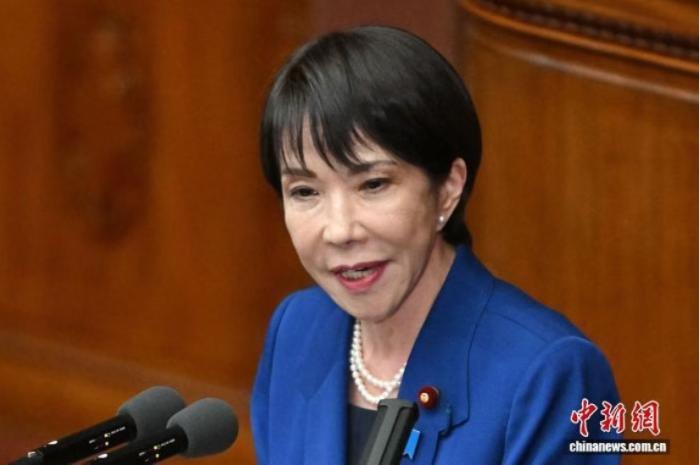
日本学者:高市错误言论给日本各行业带来危机
Yang Shi Xin Wen Ke Hu Duan· 2025-12-03 12:39
Group 1 - Recent remarks by Japanese Prime Minister Sanae Takaichi regarding Taiwan have damaged the political foundation of Japan-China relations, severely worsening the atmosphere for personnel exchanges between the two countries [1][3] - Japan's economy is facing a crisis across various industries due to the potential fallout from Takaichi's statements, as highlighted by Japanese economist Hidetoshi Tashiro [1][3] - The tourism sector in Japan, heavily reliant on Chinese visitors, is at risk of significant contraction if the number of Chinese tourists declines sharply, which could lead to a broader economic impact on related industries such as dining, retail, and education [3][5] Group 2 - In 2024, the total trade volume between Japan and China is projected to reach $308.3 billion, with Japan exporting $152.01 billion and importing $156.25 billion from China, underscoring the importance of stable relations for economic health [3] - Tashiro warns that a deterioration in Japan-China relations could lead to a drastic reduction in Chinese tourists, which would pose an existential threat to Japan's tourism, dining, retail, and educational sectors, particularly universities [5]
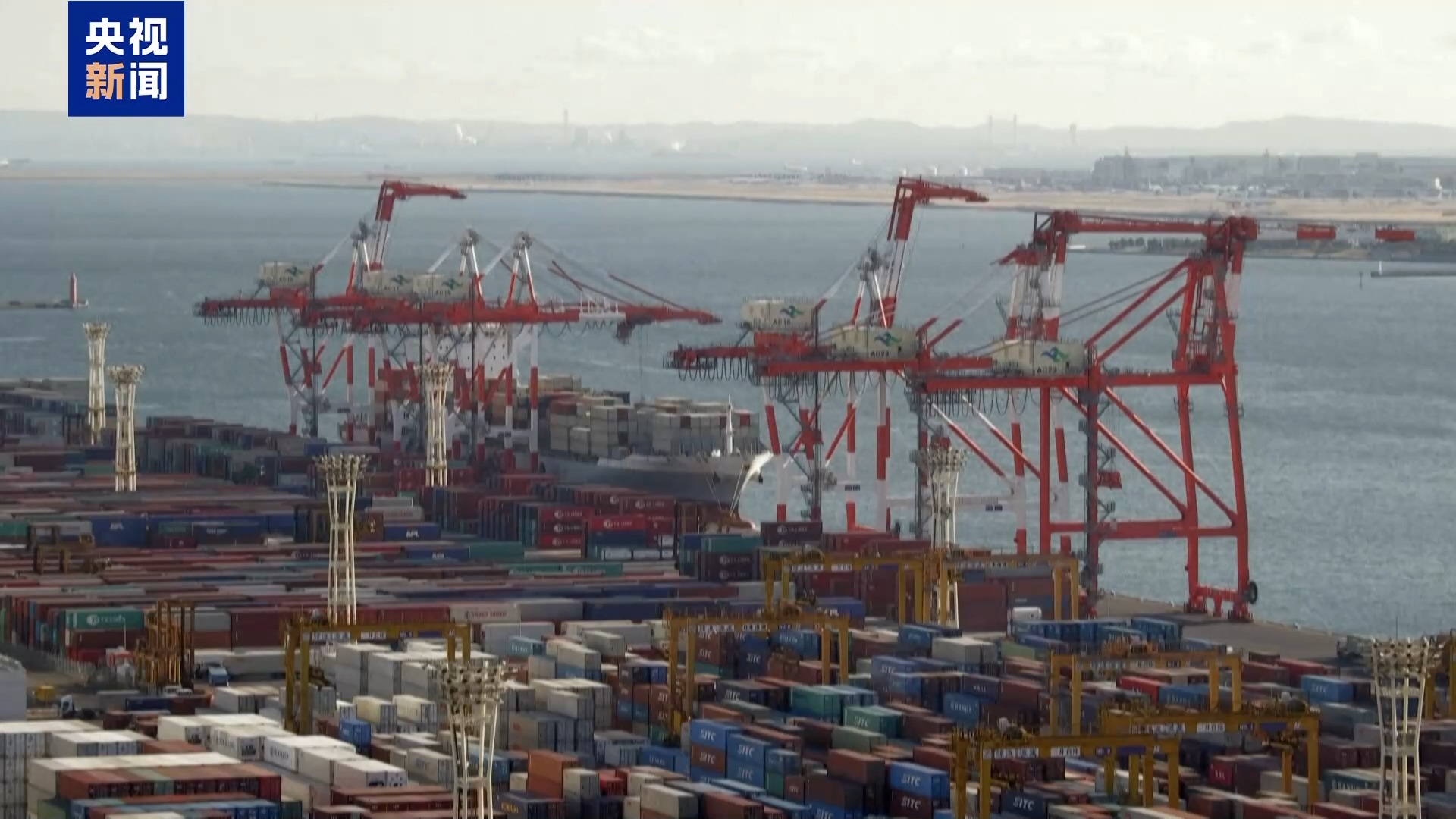
视频丨日本学者:高市错误言论给日本各行业带来危机
Yang Shi Xin Wen Ke Hu Duan· 2025-12-03 06:23
Group 1 - Recent remarks by Japanese Prime Minister Sanae Takaichi regarding Taiwan have damaged the political foundation of Japan-China relations, severely worsening the atmosphere for personnel exchanges between the two countries [1] - Japanese economist Hidetoshi Tashiro indicated that Takaichi's comments could lead to a crisis across various sectors in Japan [1][3] - China is Japan's largest trading partner, with a projected total trade volume of $308.3 billion in 2024, including exports from China worth $152.01 billion and imports to China worth $156.25 billion [3] Group 2 - The tourism industry in Japan heavily relies on Chinese tourists, and a significant decline in their numbers could lead to a contraction in related sectors [4] - Hidetoshi Tashiro warned that if Japan-China relations deteriorate, a reduction or complete halt of Chinese tourists could place Japan's tourism, dining, retail, and even education sectors, particularly universities, in a "survival crisis" [6] - The potential consequences of such a situation, triggered by the Prime Minister's remarks, would represent a significant tragedy for Japan [6]