体验型消费

Search documents
湖北小伙做小众生意,拿下TOP1,月销几万元
Sou Hu Cai Jing· 2025-05-21 03:08
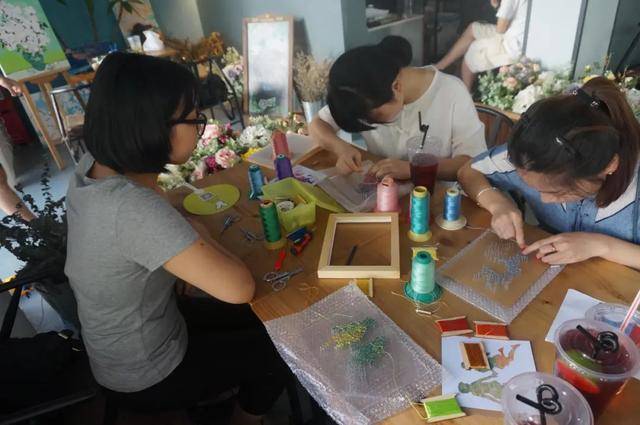
Group 1 - The core viewpoint of the article highlights the rise of experiential consumption, where activities like handmade crafts and workshops are gaining popularity over digital experiences [1][2] - The handcraft industry is thriving due to the appeal of creating tangible products and the emotional satisfaction derived from the process [2][6] - Unique crafts, such as string art, are becoming more visible and popular, with significant sales figures reported by small businesses in this niche [1][6] Group 2 - String art has historical roots in ancient Chinese decorative items, evolving into a recognized art form in the 20th century, particularly in Western countries [4][6] - The commercialization of string art has led to the creation of DIY kits, making it accessible for individuals without artistic backgrounds to engage in the craft [6][10] - The market for string art has expanded, with a growing customer base that values the creative process over the final product, indicating a shift in consumer behavior [13][15] Group 3 - The founder of a successful string art business initially struggled to gain traction but found success by adapting product sizes and themes to meet consumer preferences [10][12] - Seasonal themes, such as Christmas, have proven to be effective in driving sales, with specific products becoming bestsellers during peak times [10][13] - The business has diversified its offerings to include custom artwork and workshops, reflecting changing consumer desires for personal fulfillment and unique experiences [15]

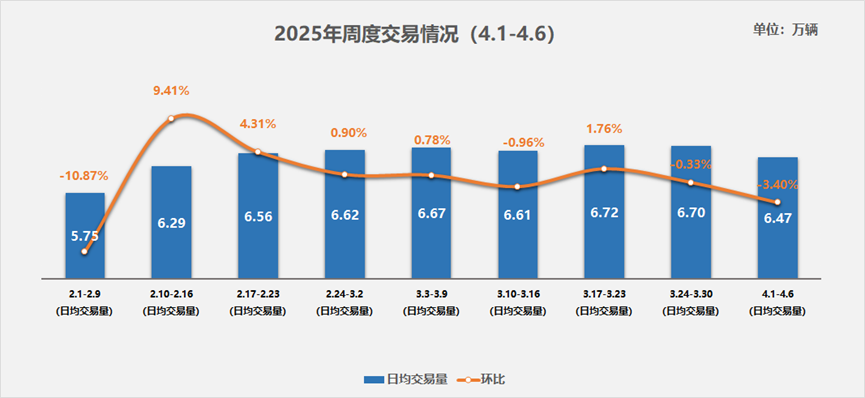
中国汽车流通协会:4月1日至6日二手车市场日均交易量为6.47万辆 环比上周下降3.4%
智通财经网· 2025-04-11 09:32
Core Insights - The average daily transaction volume of used cars in China decreased to 64,700 units from April 1 to April 6, 2025, reflecting a 3.4% week-on-week decline, primarily due to the Qingming Festival affecting consumer foot traffic [1] - 40% of used car dealerships reported a decrease in offline customer flow during the holiday, while 70% of surveyed businesses indicated that transaction volumes were average or sluggish, with 30% noting a decline in retail prices, particularly for new energy vehicles [1][2] Market Trends - The impact of new car market price fluctuations on the used car market continues but has weakened, which is favorable for future market growth [2] - Consumer demand is evolving, with a greater emphasis on quality, experience, and emotional value in purchases, indicating a shift towards service-oriented and experiential consumption [2] Strategic Recommendations - Used car dealerships are advised to accurately gauge consumer needs and market trends, enhance customer engagement through experiential consumption scenarios, and build consumer trust and loyalty [2] - Optimizing inventory management and sales pacing is recommended to improve vehicle turnover rates and reduce operational costs [2] - It is crucial for businesses to closely monitor policy changes and industry trends to prepare for potential market fluctuations [2] Regional Analysis - The average daily transaction volume of used cars showed a slight decline across various regions, with notable decreases in Northeast, North China, East China, and Central South regions, while the Southwest region experienced growth [5][6] - In East China, the average daily transaction volume fell to 21,400 units, a decrease of 8.19%, with cities like Hangzhou and Hefei seeing declines exceeding 30% [5] - North China reported an average daily transaction volume of 2,400 units, down 3.57%, with significant drops in Taiyuan and Beijing [5] - The Northeast region saw a 15.16% decline, with Dalian and Songyuan experiencing drops over 30% [6] - The Southwest region's average daily transaction volume increased by 4.73% to 14,700 units, driven by strong performance in Chongqing [6] - Central South region's average daily transaction volume decreased by 2.47% to 23,000 units, with significant declines in Haikou and Wuhan [6] - The Northwest region maintained stability with an average daily transaction volume of 1,100 units, although some cities faced pressure [7]