
流感预防

Search documents
国家卫健委答21:建议每年都要接种流感疫苗
2 1 Shi Ji Jing Ji Bao Dao· 2025-09-22 09:49
Core Viewpoint - The article discusses the importance of flu vaccination and preventive measures as respiratory infectious diseases, including influenza, become more prevalent in the autumn and winter seasons [1][2]. Group 1: Flu Vaccination - The flu virus is known to mutate, but it remains the same virus, and the Chinese CDC has established a nationwide flu virus monitoring network to track changes in the virus [1]. - The flu vaccine is adjusted annually based on monitoring data and recommendations from the World Health Organization to match circulating strains, emphasizing the need for annual vaccination [1][2]. - Vaccination significantly reduces the risk of severe complications from flu, especially in vulnerable populations such as the elderly and children [2]. Group 2: Preventive Measures - In addition to vaccination, individuals are encouraged to maintain a healthy lifestyle, including proper sleep, balanced diet, and regular exercise to enhance immunity [2]. - Preventive actions include frequent handwashing, wearing masks, and ensuring good ventilation indoors [2]. - Public awareness of respiratory disease prevention is crucial, and individuals should minimize contact with others if flu-like symptoms appear [2].
接下来一个月做这件事,能保护一整年的健康(不是贴秋膘)
3 6 Ke· 2025-09-22 08:26
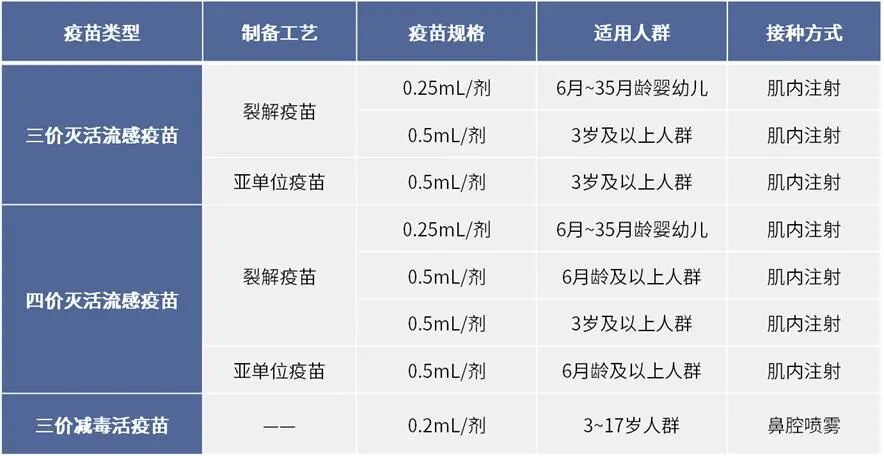
Group 1 - The article emphasizes the importance of getting the flu vaccine, especially as flu activity is starting to rise in China, with approximately 1 billion seasonal flu cases annually, leading to 290,000 to 650,000 respiratory deaths each year [1][10] - It highlights that flu vaccines can significantly reduce the severity of the illness and the risk of complications, making vaccination a crucial preventive measure [1][11] Group 2 - There are three main types of flu vaccines approved in China: trivalent inactivated vaccines (IIV3), quadrivalent inactivated vaccines (IIV4), and trivalent live attenuated vaccines (LAIV3) [2][4] - The differences among these vaccines include the type of vaccine (inactivated vs. live attenuated), the number of strains covered (three vs. four), and the preparation methods (split vs. subunit) [3][6] Group 3 - The World Health Organization (WHO) has updated the recommended vaccine components for the 2025-2026 Northern Hemisphere flu season, indicating that the quadrivalent and trivalent vaccines can provide sufficient protection [10] - The article suggests that flu vaccines in most regions of China are classified as Category II vaccines, requiring voluntary and self-paid vaccination, with prices ranging from 100 to 500 yuan depending on various factors [10] Group 4 - Certain high-risk groups are prioritized for vaccination, including healthcare workers, elderly individuals over 60, those with chronic diseases, pregnant women, and young children aged 6 to 59 months [11][19] - The article stresses that even healthy adults should consider getting vaccinated to reduce the overall risk of flu transmission within the community [13][19] Group 5 - The article advises that flu vaccines do not provide immediate protection and typically take 2 to 4 weeks to become effective, making early vaccination in the fall crucial [21] - It also mentions that maintaining good respiratory hygiene and avoiding close contact with symptomatic individuals are important preventive measures alongside vaccination [22]

2025年北京流感疫苗接种启动
Zhong Guo Xin Wen Wang· 2025-09-10 09:16
Core Points - The flu vaccine vaccination work in Beijing officially started on September 10, 2025, with free vaccinations ending in November 2025 and paid vaccinations continuing until February 2026 [1][2] - The free vaccination program targets specific groups, including residents aged 60 and above, students in primary and secondary schools, frontline workers in key industries, and emergency personnel for major events [1][2] - The vaccination process will be organized through unified scheduling and advance appointments, with various methods available for individuals to book their vaccinations [1][2] Group 1 - The flu vaccine is an effective measure for preventing and controlling influenza, with September to November being the optimal time for vaccination in Beijing [2] - Citizens are advised to schedule their vaccinations according to personal needs and city arrangements, ensuring timely protection while avoiding overcrowding at vaccination sites [2] - Individuals aged 65 and above who have not received the 23-valent pneumococcal vaccine can also receive it for free after assessment at vaccination clinics [2] Group 2 - The autumn and winter seasons are peak periods for respiratory infectious diseases like influenza, highlighting the importance of maintaining good personal hygiene practices alongside vaccination [2] - Recommendations for personal hygiene include frequent handwashing, staying hydrated, regular exercise, and ensuring proper ventilation [2]