
流感疫苗

Search documents
华兰疫苗:收入恢复性增长,期待持续修复-20260331
HTSC· 2026-03-31 02:45
Investment Rating - The report maintains a "Buy" rating for the company [4][6]. Core Insights - The company reported a revenue of 1.2 billion RMB in 2025, representing a 7% year-over-year increase, while the net profit attributable to the parent company was 180 million RMB, a decrease of 11% year-over-year [1][4]. - The revenue from flu vaccines was 1.12 billion RMB, reflecting a 4% year-over-year increase, despite a 27% decrease in production volume [2][4]. - The company is expected to see a steady recovery in vaccine sales in 2026, driven by government support and increased public awareness of vaccination [2][4]. Summary by Sections Financial Performance - In 2025, the gross margin was 77.8%, down 3.4 percentage points year-over-year, primarily due to decreased production volume affecting economies of scale [3]. - The net profit margin for 2025 was 15.2%, a decline of 3.0 percentage points year-over-year [3]. - The company adjusted its profit forecasts for 2026-2027, expecting net profits of 220 million RMB and 260 million RMB, respectively, which are reductions of 74% and 75% from previous estimates [4][11]. Market Outlook - The overall vaccine shipment rate improved to 83%, an increase of 16 percentage points year-over-year, indicating better market conditions towards the end of 2025 [2]. - The report anticipates significant growth potential in the Chinese flu vaccine market, supported by government initiatives and rising vaccination awareness among the public [2][4]. Valuation - The target price for the company is set at 23.68 RMB, reflecting a price-to-earnings ratio of 65 times for 2026, which is a premium compared to the median of comparable companies at 49 times [4][12].

华兰生物:生物药新增长曲线逐渐清晰-20260330
HTSC· 2026-03-30 13:40
Investment Rating - The report maintains a "Buy" rating for the company [5][7]. Core Insights - The company is expected to experience steady growth in blood products, a gradual recovery in vaccine sales, and rapid growth in biopharmaceuticals, driven by new product launches and clinical advancements [1][5]. - The forecast for 2025 includes revenues of 4.6 billion RMB, with a net profit attributable to the parent company of 940 million RMB, reflecting a 5% increase in revenue but a 14% decrease in net profit year-over-year [1][11]. Revenue Performance - Blood products revenue for 2025 is projected at 3.39 billion RMB, a 4% increase year-over-year, with a gross margin of 50.2%, down 4.2 percentage points year-over-year [2]. - Vaccine revenue is expected to reach 1.2 billion RMB in 2025, marking a 7% year-over-year increase, with a net profit of 180 million RMB, despite an 11% decline in net profit year-over-year [3]. Product Development and Innovation - The company is advancing in various product lines: - Blood products include new processes for IVIG and ongoing clinical trials for FⅨ and SCIG [4]. - Vaccine developments include multiple candidates in different clinical phases, with a focus on flu vaccines and new adjuvants [4]. - Biopharmaceuticals are also progressing, with several products entering late-stage clinical trials [4]. Financial Projections - The company’s net profit forecasts for 2026, 2027, and 2028 are 1.02 billion RMB, 1.14 billion RMB, and 1.27 billion RMB, respectively, reflecting a significant downward adjustment of 40% and 44% for 2026 and 2027 compared to previous estimates [5][12]. - The target price is set at 17.28 RMB, based on a 31x PE ratio for 2026, which is a premium compared to the average PE of comparable companies [5][13].

华兰生物(002007):生物药新增长曲线逐渐清晰
HTSC· 2026-03-30 10:41
Investment Rating - The report maintains a "Buy" rating for the company [5][7]. Core Views - The company is expected to experience steady growth in blood products, a gradual recovery in vaccine sales, and rapid growth in biopharmaceuticals, driven by the launch of new products and clinical advancements [1][5]. - The forecast for 2025 includes revenues of 4.6 billion RMB, net profit of 940 million RMB, and a decrease in net profit by 14% year-on-year due to competitive pricing pressures in the blood products sector [1][5]. Summary by Relevant Sections Blood Products - Blood products revenue for 2025 is projected at 3.39 billion RMB, reflecting a 4% year-on-year increase, with a gross margin of 50.2%, down 4.2 percentage points year-on-year. The decline in gross margin and net profit is attributed to price reductions amid industry competition [2]. - The company’s plasma collection volume is expected to grow by 5% year-on-year to approximately 1,670 tons, with future growth projected at around 10% due to new plasma stations and regional planning initiatives [2]. Vaccine Sales - Vaccine revenue for 2025 is estimated at 1.2 billion RMB, a 7% year-on-year increase, with a net profit of 180 million RMB, down 11% year-on-year. The flu vaccine revenue is expected to be 1.12 billion RMB, benefiting from a flu outbreak at the end of 2025 [3]. - Long-term growth in vaccine sales is anticipated due to government support and increased public awareness of vaccination [3]. Biopharmaceuticals - The company’s subsidiary, Hualan Ankang, is projected to generate revenue of 240 million RMB in 2025, with a net loss of 16 million RMB. The sales of Bevacizumab are expected to contribute approximately 200 million RMB [3]. - The company is advancing its pipeline in biopharmaceuticals, with several products in various stages of clinical trials, including long-acting GLP-1 for diabetes and other innovative therapies [4]. Financial Projections - The company’s net profit forecasts for 2026, 2027, and 2028 are 1.02 billion RMB, 1.14 billion RMB, and 1.27 billion RMB, respectively, reflecting a significant downward adjustment of 40% and 44% for 2026 and 2027 compared to previous estimates [5][12]. - The target price is set at 17.28 RMB, based on a 31x PE ratio for 2026, which is a premium compared to the average PE of comparable companies [5][12].
专访冯子健:疫苗行业严重内卷、公众接种意愿下降,如何破局
第一财经· 2026-03-17 12:11
Core Viewpoint - The recent expansion of the National Immunization Program (NIP) in China, as outlined in the 15th Five-Year Plan, is expected to significantly benefit the vaccine industry, which is currently facing challenges such as declining vaccination rates and intense competition [3][5]. Group 1: National Immunization Program Expansion - The NIP aims to dynamically optimize the types of vaccines included, which is a cost-effective measure to combat infectious diseases and will be funded by the government [3][4]. - The inclusion of vaccines like the HPV vaccine in the NIP marks a significant step, but many internationally recommended vaccines for children and adults are still not covered in China [5][6]. - Current spending on childhood vaccines in China is only $50 per capita annually, compared to $585 in Argentina and $336 in Brazil, indicating a substantial gap in investment [5]. Group 2: Industry Challenges and Competition - The domestic vaccine industry is currently in a downturn, characterized by fierce price competition that has not led to increased vaccination rates [7][8]. - The issue of homogenized competition is identified as a root cause of the industry's "involution," where multiple companies produce the same vaccine, leading to market saturation [8]. - The global vaccine market is highly concentrated, with major companies like Merck, Pfizer, GSK, and Sanofi controlling 71% of the market share, suggesting a need for similar consolidation in China [8]. Group 3: Public Perception and Vaccination Willingness - Public willingness to vaccinate is declining, potentially due to trust issues regarding vaccine safety and effectiveness, necessitating deeper investigation into these concerns [9]. - Transitioning from self-paid to publicly funded vaccinations is expected to significantly increase vaccination rates by removing financial barriers and enhancing public trust [9]. Group 4: Improving Vaccination Accessibility - The vaccination system in China is shifting towards covering all life stages, but there are still barriers to increasing adult vaccination rates [10][11]. - The ideal model for increasing vaccination rates involves integrating vaccination services into family doctor systems, which have proven effective in other countries [11]. - Current regulations on vaccination service points may hinder the expansion of vaccination services, suggesting a need for more flexible requirements to encourage participation from healthcare providers [12].

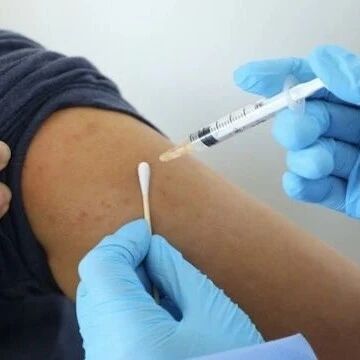
说服成年人接种疫苗,还有哪些堵点?
第一财经· 2026-03-10 15:21
Core Viewpoint - The article emphasizes the importance of adult vaccination in China, highlighting the shift from a child-centric immunization program to a life-cycle approach, while noting the challenges in public awareness and service delivery for adult vaccines [2][3]. Group 1: Current State of Adult Vaccination - China's vaccination system is transitioning to cover all age groups, with significant progress in adult vaccines like HPV and influenza, but there is still a lack of awareness regarding shingles vaccines [2]. - Adult vaccines currently used in China include measles-containing vaccines, hepatitis vaccines, encephalitis vaccines, influenza vaccines, pneumococcal polysaccharide vaccines, varicella vaccines, shingles vaccines, cholera vaccines, HPV vaccines, rabies vaccines, tetanus vaccines, and COVID-19 vaccines [2]. Group 2: Challenges in Adult Vaccination - Most adult vaccines are not part of the national immunization program, leading to confusion among healthcare providers and the public regarding eligibility and contraindications [3]. - There is a lack of scientific understanding among grassroots health workers about adult vaccines, which, along with public misconceptions, hinders vaccination rates [3]. Group 3: Innovations in Vaccination Delivery - Some regions are piloting a vaccine prescription model, allowing healthcare professionals to prescribe vaccines based on individual health needs, which is seen as a key step towards integrating medical and preventive care [3]. - The National Disease Control Bureau has announced plans to explore vaccine prescriptions for suitable populations, with pilot programs already initiated in several provinces [3]. Group 4: Bottlenecks in Implementation - Despite positive pilot results in Shandong, challenges remain, including unclear vaccine definitions, difficulties in integrating disease control and clinical care systems, insufficient evidence-based support, and legal constraints on funding mechanisms [4][6]. - Experts suggest that legal and policy frameworks need to be revised to clarify vaccine definitions and establish a coordinated system between disease control and clinical practices [6]. Group 5: Recommendations for Improvement - To enhance the effectiveness of vaccine prescriptions, a multi-faceted approach is recommended, including building a reliable vaccine education system, incorporating prescription capabilities into healthcare performance assessments, and establishing mechanisms for prescription recognition between medical and vaccination services [6].
华兰疫苗跌2.92% 2022年上市见顶募22.76亿元
Zhong Guo Jing Ji Wang· 2026-02-26 08:50
Group 1 - The core viewpoint of the news is that Hualan Vaccine's stock is currently in a state of decline, having dropped to 20.62 yuan, reflecting a decrease of 2.92% [1] - Hualan Vaccine was listed on the Shenzhen Stock Exchange's ChiNext board on February 18, 2022, with an initial public offering (IPO) price of 56.88 yuan per share and a total of 40.01 million shares issued [1][2] - On its first trading day, Hualan Vaccine reached a peak price of 79.78 yuan, indicating strong initial market interest [2] Group 2 - The total amount raised from the IPO was 2.276 billion yuan, with a net amount of 2.244 billion yuan after deducting issuance costs of 31.5657 million yuan [2] - The funds raised were intended for various projects, including the development and industrialization of flu vaccines, rabies vaccines, multi-component bacterial vaccines, and new pneumonia vaccines, as well as the establishment of a new vaccine research platform [2] - The total issuance costs for the IPO amounted to 31.5657 million yuan, with the lead underwriter, Huatai United Securities, receiving a total of 22 million yuan in underwriting and sponsorship fees [2] Group 3 - On May 30, 2023, Hualan Vaccine announced its 2022 annual equity distribution plan, which includes a cash dividend of 3.00 yuan for every 10 shares and a capital reserve conversion of 5 additional shares for every 10 shares held [2] - The record date for the equity distribution was set for June 6, 2023, with the ex-dividend date on June 7, 2023 [2]
美政府削减儿童疫苗接种计划 遭15个州联合起诉
Xin Hua She· 2026-02-25 09:32
Core Viewpoint - A coalition of 15 states, led by California and Arizona, has filed a lawsuit against the federal government, claiming that the reduction of recommended childhood vaccines by the CDC is illegal and poses a risk to public health [1][2] Group 1: Lawsuit Details - The lawsuit was filed in the Northern District of California and names key officials, including the Secretary of Health and Human Services and the acting director of the CDC, as defendants [1] - The states involved in the lawsuit are all governed by Democrats, highlighting a political dimension to the legal action [1] Group 2: Vaccine Policy Changes - The CDC announced on January 5 that it would no longer classify seven childhood vaccines as "universally recommended," which include vaccines for rotavirus, meningitis, hepatitis A, hepatitis B, influenza, COVID-19, and respiratory syncytial virus [1] - Critics, including California's Attorney General, argue that this decision undermines public confidence in vaccines, potentially leading to decreased vaccination rates and increased healthcare costs for states [1] Group 3: Leadership and Policy Criticism - The Secretary of Health and Human Services, Robert Kennedy, has been criticized for his anti-vaccine stance and for making significant cuts to the CDC's budget and personnel, raising concerns within the public health community [1] - Kennedy's restructuring of the CDC's Advisory Committee on Immunization Practices has also been challenged in the lawsuit, with claims that the new appointees lack the necessary expertise [2]
健康过大年|春节期间,预防传染病不放松
Xin Lang Cai Jing· 2026-02-20 23:48
Group 1: Respiratory Infectious Diseases - The article emphasizes the importance of personal responsibility in health during the Spring Festival, particularly in preventing respiratory infectious diseases [1] - It recommends vaccination against influenza for individuals aged 6 months and older, especially high-risk groups such as healthcare workers, seniors over 60, preschool children, school-aged children, and those with chronic diseases [1] - The article advises wearing masks in crowded places or on public transport, particularly for the elderly and those with chronic conditions, to reduce infection risk [1] - Maintaining good hygiene practices, such as frequent handwashing and avoiding touching the face after contact with public items, is highlighted as essential [1] - Promoting a healthy lifestyle through balanced diet, regular exercise, and adequate rest is recommended to enhance immune function [1] - It suggests avoiding close contact with individuals showing symptoms of respiratory infectious diseases and maintaining social distance when symptoms arise [1] Group 2: Gastrointestinal Infectious Diseases - Norovirus infection is identified as a common gastrointestinal infectious disease, particularly prevalent from October to March, with a typical incubation period of 12 to 72 hours [2] - Symptoms include nausea, vomiting, fever, abdominal pain, and diarrhea, with children primarily experiencing vomiting and adults more likely to have diarrhea [2] - The article notes that the virus is highly contagious, primarily transmitted through contaminated food, water, or contact with infected individuals [2] - Most patients experience mild symptoms and recover within 2 to 3 days, but those with severe symptoms, especially infants and the elderly, should seek medical attention [2] - Preventive measures include maintaining hand hygiene, especially before meals and after using the restroom, as alcohol-based sanitizers are ineffective against norovirus [3] - It advises on food and water safety, such as avoiding raw water and ensuring thorough cooking of food, particularly shellfish [3] - Infected individuals should isolate at home to prevent transmission, maintain hand hygiene, and avoid close contact with healthy family members [3] - Environmental cleaning and disinfection are crucial, especially for areas contaminated by vomit or feces, using chlorine-based disinfectants [3] - A healthy lifestyle is encouraged to enhance resistance to viruses [4]
春节期间,预防传染病不放松
Xin Lang Cai Jing· 2026-02-20 23:48
Group 1: Respiratory Infectious Diseases - The National Disease Control Bureau emphasizes the importance of personal responsibility in health during the Spring Festival, particularly in preventing respiratory infectious diseases [1] - Recommendations include active vaccination against influenza for individuals aged 6 months and older, especially high-risk groups such as healthcare workers, seniors over 60, preschool children, school-aged children, and those with chronic diseases [1] - It is advised to wear masks in crowded places or on public transport, particularly for the elderly and those with chronic conditions, to reduce infection risk [1] - Maintaining good hygiene practices, such as frequent handwashing and avoiding touching the face after contact with public items, is crucial [1] - Promoting a healthy lifestyle through balanced diet, regular exercise, and adequate rest is recommended to enhance immune function [1] - Individuals showing symptoms of respiratory infections should maintain social distance and seek medical advice as needed [1] Group 2: Gastrointestinal Infectious Diseases - Norovirus infection is highlighted as a common gastrointestinal infectious disease, particularly prevalent from October to March, with a typical incubation period of 12 to 72 hours [2] - Symptoms include nausea, vomiting, fever, abdominal pain, and diarrhea, with children primarily experiencing vomiting and adults more likely to have diarrhea [2] - The virus is highly contagious, primarily transmitted through contaminated food, water, or contact with infected individuals [2] - Most patients recover without treatment within 2 to 3 days, but hydration is important, especially for vulnerable populations like infants and the elderly [2] - Preventive measures include maintaining hand hygiene, ensuring food and water safety, isolating infected individuals, and keeping environments clean and disinfected [3][4]
美国FDA同意审查Moderna修改后的流感疫苗申请
Jin Rong Jie· 2026-02-18 15:09
Core Viewpoint - Moderna's flu vaccine application has been accepted for review by the FDA, reversing an earlier rejection, which indicates a potential advancement in the company's vaccine portfolio and market opportunities for older adults [1] Group 1: FDA Review and Approval - The FDA has agreed to review Moderna's flu vaccine application after initially rejecting it [1] - The company proposed a revised plan seeking full approval for adults aged 50 to 64 and expedited approval for those aged 65 and older [1] Group 2: Post-Market Research - Moderna plans to conduct post-market studies specifically targeting the elderly population following the vaccine's approval [1]
