Autonomous Driving

Search documents
Cyngn CEO Outlines New Pillars of Its Growth Strategy
Prnewswire· 2025-10-07 11:00
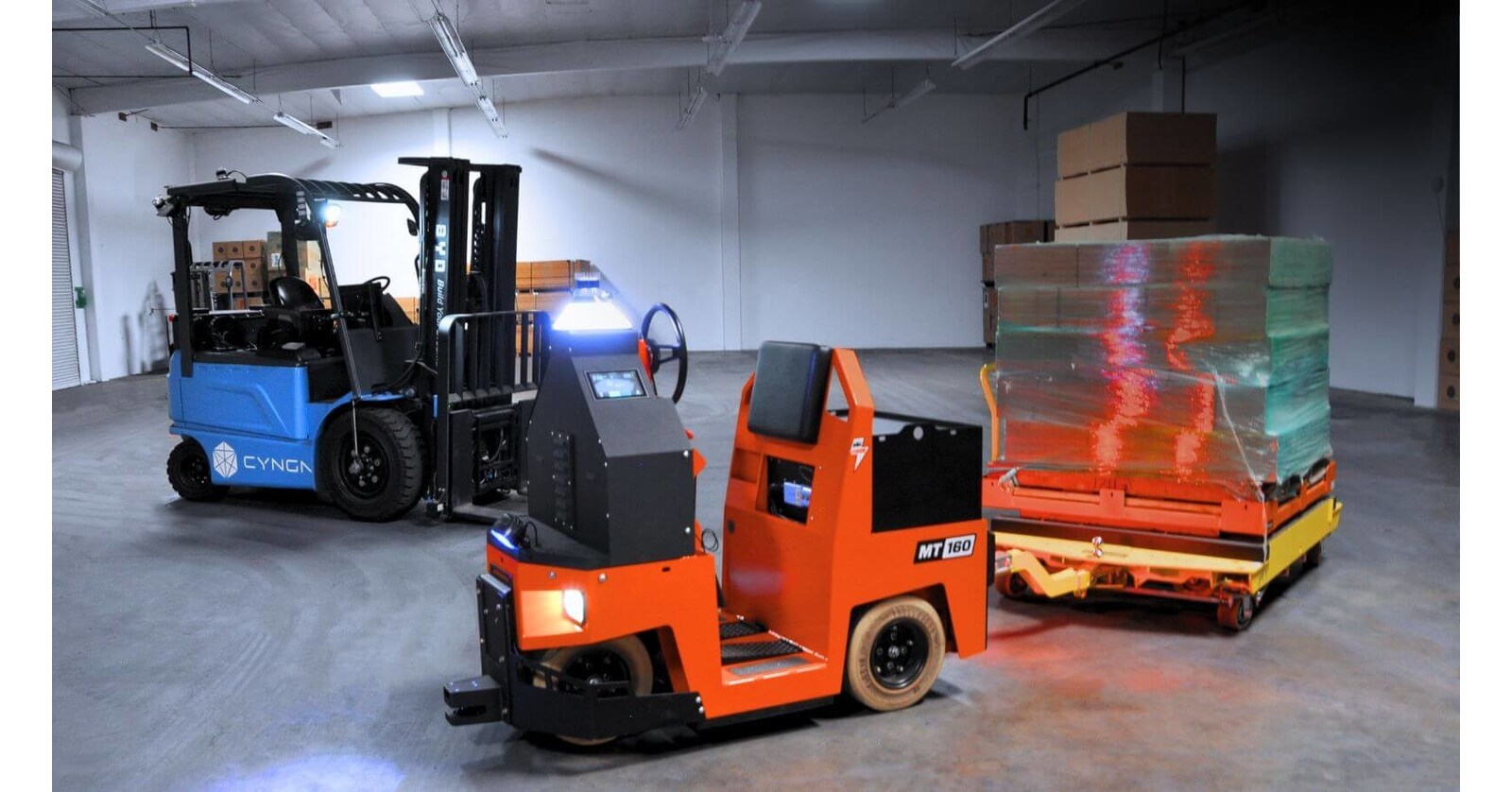
Core Viewpoint - Cyngn is focused on advancing its mission to deliver autonomous driving solutions for industrial and commercial applications, emphasizing strategic initiatives to accelerate growth and create long-term shareholder value [1][8]. Group 1: Business Progress and Growth Strategy - Over the past year, Cyngn has made significant progress in strengthening its core business, with technology showing potential to transform industries reliant on heavy equipment and logistics [2]. - The company is adding two new pillars to its growth strategy: strengthening the balance sheet through strategic asset acquisitions and exploring mergers or acquisitions with revenue-generating companies [2][5]. - The strategy includes assessing opportunities in digital assets, such as cryptocurrencies or blockchain-based instruments, to diversify and enhance returns [2][3]. Group 2: Asset Acquisition and Mergers - Cyngn is evaluating real estate assets for long-term value and stability, aiming to acquire or partner on properties that align with operational needs and growth initiatives [4][5]. - The company is actively exploring mergers or acquisitions with companies that complement its existing solutions, particularly in automation, robotics, and data-driven logistics [5][8]. - These initiatives are designed to accelerate revenue growth, expand the customer base, and enhance technology offerings, thereby deepening market position [5][6]. Group 3: Financial Strategy and Capital Raising - To support its asset acquisition strategy and potential investments, Cyngn has filed a shelf registration statement on Form S-3, allowing for flexible capital raising aligned with long-term growth objectives [7]. - The management team is committed to executing the growth strategy with discipline and transparency, ensuring alignment with investor interests [6][7]. Group 4: Technology and Product Offerings - Cyngn develops autonomous vehicle technology aimed at addressing challenges in industrial organizations, such as labor shortages and safety incidents [9]. - The DriveMod technology enables customers to implement self-driving technology without high upfront costs, currently available on specific models like Motrec MT-160 Tuggers and BYD Forklifts [10][11].


Rivian CEO: Tesla is going all in on cameras, but self-driving cars still need LiDAR
Business Insider· 2025-10-07 03:38
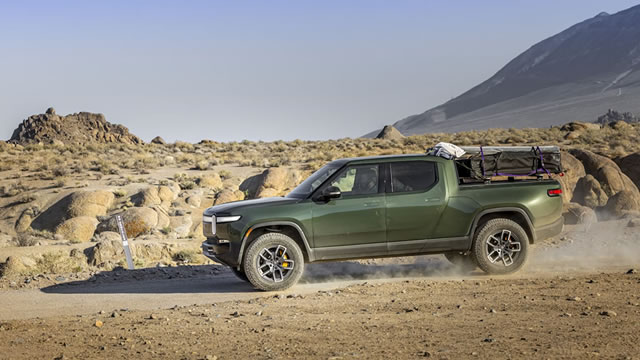
Core Viewpoint - Rivian's CEO RJ Scaringe believes that LiDAR is beneficial for achieving autonomous driving, contrasting with Tesla's approach which dismisses its necessity [1][4]. Group 1: Rivian's Perspective on LiDAR - Scaringe emphasizes the importance of rapidly building a foundation model for autonomous driving, suggesting that LiDAR could be included in a multi-sensor system [1][2]. - He notes that the cost of LiDAR has significantly decreased from tens of thousands of dollars to a few hundred dollars, making it a valuable sensor that can perform tasks beyond the capabilities of cameras [3]. Group 2: Tesla's Position on LiDAR - Elon Musk has consistently criticized the use of LiDAR, arguing that it leads to "sensor contention" and increases risk, as evidenced by the challenges faced by Waymo's robotaxi service [5][10]. - Musk asserts that once vision systems are perfected, LiDAR becomes unnecessary and expensive [11]. Group 3: Industry Opinions on LiDAR - Other automotive executives, such as Ford's CEO Jim Farley, support the use of LiDAR, describing it as "mission critical" for autonomous driving, especially in conditions where cameras may fail, like bright sunlight [11][12].


Guident(GDNT) - Prospectus(update)
2025-10-06 10:01
As filed with the U.S. Securities and Exchange Commission on October 6, 2025. Registration Number 333-290340 UNITED STATES SECURITIES AND EXCHANGE COMMISSION Washington, D.C. 20549 AMENDMENT NO. 1 TO FORM S-1 REGISTRATION STATEMENT UNDER THE SECURITIES ACT OF 1933 Guident Corp. (Exact Name of Registrant as Specified in its Charter) (State or other jurisdiction of incorporation or organization) (Primary Standard Industrial Classification Code Number) Florida 3714 84-5172003 (I.R.S. Employer Identification No ...
Blocked from the US, Chinese techs bet on Europe for self-driving push
Yahoo Finance· 2025-10-06 06:01
MUNICH (Reuters) -Blocked from the US market, Chinese self-driving technology firms are accelerating their push into Europe, setting up headquarters, striking data deals, and road-testing - prompting alarm from local rivals over competition concerns. In China, the world's largest car market, more than half of cars sold - including many entry-level models - now offer autonomous driving technology, sometimes as standard. Beijing is pushing its companies to dominate autonomous-vehicle development globally w ...
Former Tesla board member: Hard to argue with Tesla's valuation
Youtube· 2025-10-06 05:55
Group 1: Tesla's Performance and Market Position - Tesla achieved record deliveries in Q3, with nearly 500,000 vehicles sold, but year-to-date deliveries are down 6% [1] - The company generated $26 billion in revenue for Q3 and is on track for approximately $100 billion in total revenue for the year, but is facing a second year of flat growth [9] - European sales for Tesla have declined by 30%, while overall European EV sales have increased by 30%, indicating rising competition [10] Group 2: Shareholder Concerns and Executive Compensation - A group of Tesla shareholders is urging the board to reject a plan to grant CEO Elon Musk $1 trillion over the next decade, citing concerns over the board's focus on retaining Musk at the expense of company goals [3] - The board has stated that Musk's compensation will be tied to performance metrics, which include increasing the company's market cap to $8.5 trillion and selling 50,000 Optimus robots [6] Group 3: Competition and Future Challenges - Tesla is facing significant competition from companies like BYD, which has surpassed Tesla in EV sales, offering vehicles at much lower price points [20] - The company needs to introduce a low-cost vehicle in the €30,000 range to remain competitive, especially against aggressive Chinese competitors expanding into Europe [19][21] - The future of Tesla's robo-taxi business is uncertain, with competitors like Whimo gaining regulatory approvals and expanding rapidly [14][33] Group 4: Technology and Innovation - Tesla's ability to maintain its valuation depends on proving itself as a technology company, not just an auto manufacturer, by delivering on promises related to full self-driving technology and new product launches [29] - Whimo has achieved full regulatory approval in six cities and is expanding, while Tesla struggles with regulatory hurdles and product rollout [30][33]
Should You Buy Rivian Stock While It's Below $21?
Yahoo Finance· 2025-10-05 16:29
Core Viewpoint - Rivian's stock has mixed opinions among analysts, with some predicting a 50% decline while others, like Canaccord's George Gianarikas, set a price target of $21, indicating a potential 43% increase from current levels due to upcoming growth milestones [2][3]. Group 1: Growth Milestones - Rivian is set to reach a significant growth milestone with the production of its R2 model, aimed at the affordable mass-market segment, expected to begin in early 2026 [3][5]. - The R2 model is anticipated to have a starting price around $45,000, which is crucial for attracting a broader customer base, especially as most U.S. buyers prefer vehicles under $50,000 [4][5]. Group 2: Market Position and Competition - Currently, Rivian offers two models, the R1T and R1S, with starting prices between $70,000 and $80,000, making them less accessible to the majority of potential buyers [4]. - Rivian's closest competitor for the R2 is Tesla's Model Y, which has historically sold over 1 million units annually, while Rivian sold only 10,661 vehicles last quarter [6]. Group 3: Future Opportunities - The launch of the R2 could be transformative for Rivian, allowing the company to tap into a demographic with tens of millions of potential buyers [5]. - There are expectations that Rivian may soon announce developments in autonomous driving and artificial intelligence, which could further enhance its market position [7].
X @Tesla Owners Silicon Valley
Tesla Owners Silicon Valley· 2025-10-05 16:10
RT Tesla Owners Silicon Valley (@teslaownersSV).@robotaxi ride from my spot in San Jose straight to the hospital—summoned it via app, hopped in, and it glided through traffic like butter.Zero driver, pure zen, arrived fresh and on time. This is the future we deserve! https://t.co/RHt1N3XVdi ...
Tesla Q3 Deliveries Reach Record Levels: Is TSLA Stock a Buy?
ZACKS· 2025-10-03 14:51
Core Insights - Tesla delivered a record 497,099 electric vehicles (EVs) in Q3 2025, marking a 7.4% year-over-year increase and exceeding estimates of 435,370 units [1][6] - The strong demand in Q3 was likely driven by the expiration of the $7,500 EV tax credit, prompting customers to purchase vehicles before the deadline [1] - Tesla's Energy Generation and Storage business is experiencing rapid growth, with 12.5 GWh of energy storage products deployed in Q3, achieving the highest margins for the company [4][6] Tesla's Sales Performance - Tesla's Q3 deliveries included 481,166 Model 3/Y and 15,933 other vehicles, representing the highest quarterly total in the company's history [1] - In Europe, Tesla faced declining demand, with sales in the EU dropping 37% year-over-year in August, attributed to increased competition and backlash against Elon Musk's political activities [2] - In China, Tesla's August deliveries fell 9.9% year-over-year but increased over 40% from July, with expectations for stronger performance in September following the launch of the Model Y L [3] Energy Business Growth - The Energy Generation and Storage segment is now Tesla's highest-margin business, driven by strong demand for Megapack and Powerwall products [4][5] - Tesla's energy solutions are increasingly being adopted by utilities to stabilize the grid, especially as U.S. grids face strain [5] AI and Robotics Developments - Tesla is making significant strides in artificial intelligence (AI), autonomous driving, and robotics, with robotaxi services expanding across multiple states [9] - The latest Full Self-Driving (FSD) version was launched recently, and the Optimus humanoid robot is expected to enter mass production next year [10] Stock Performance and Valuation - Tesla's shares rose approximately 37% last month, outperforming industry peers, driven by Musk's commitment signals and a proposed $1 trillion pay package [11][14] - The proposed compensation plan is tied to ambitious milestones, including a target of $400 billion in adjusted EBITDA by 2035 and selling 20 million vehicles annually [16] - Despite recent optimism, Tesla's valuation appears stretched, trading at a forward sales multiple of 13.81, significantly higher than industry averages [17] Future Outlook - Through the first three quarters of 2025, Tesla sold over 1.2 million vehicles, but this represents a year-over-year decline [18] - Concerns remain regarding Tesla's demand trajectory, particularly in international markets, amid rising competition and long-term projects that may take years to yield results [19]
Nissan To Recall 19,000 Leaf EVs In US Over Battery Fire Risk - Nissan Motor Co (OTC:NSANY)
Benzinga· 2025-10-03 10:17
Core Viewpoint - Nissan Motor Co. Ltd has issued a recall for 19,077 units of its entry-level Leaf EV due to a potential fire risk associated with the lithium-ion battery during Level 3 Quick Charging [1][2][3] Group 1: Recall Details - The recall affects 2021 and 2022 model years of the Leaf EV, which retails for approximately $29,990 for the 2026 model [1][2] - The National Highway Traffic Safety Administration (NHTSA) indicated that the lithium-ion battery may overheat during Level 3 charging, increasing the risk of fire [2][3] - Owners of the affected units are advised to avoid Level 3 charging, and dealers will provide battery software updates free of charge [3] Group 2: Company Developments - Nissan is testing a next-generation Driver Assistance System developed by Wayve, a self-driving company backed by Nvidia, with plans to introduce the technology in Japan by 2027 [4] - The company is reportedly sharing half of Ford Motor Co.'s Kentucky EV battery manufacturing plant, a joint venture with South Korean battery manufacturer SK On [5] Group 3: Industry Context - Ford Motor Co. has also faced multiple recalls this year, including one for over 115,000 F-250, 350, and 450 pickup trucks due to a steering column issue, raising concerns about quality control practices in the industry [6]


George Soros Bet Sends Kodiak AI Spiking After-Hours - Kodiak AI (NASDAQ:KDK)
Benzinga· 2025-10-03 03:09
Core Viewpoint - Kodiak AI Inc. shares have experienced a recent uptick in after-hours trading, influenced by a significant investment from Soros Fund Management, despite a challenging year for the company [2][3]. Group 1: Stock Performance - Kodiak AI's shares rose by 2.2% to $6.98 during after-hours trading on Thursday, gaining $0.15 from the previous day's closing price [2]. - The stock is down 37.8% year-to-date, with fluctuations between $5.77 and $11.62, and a current market capitalization of $1.24 billion [2]. - The price-to-earnings ratio stands at 26.14 [2]. Group 2: Soros Fund Management Investment - Soros Fund Management LLC has filed a Schedule 13G revealing a 5.7% stake in Kodiak AI, amounting to 9,967,978 shares [3]. - The filing indicates that Soros' holdings are not intended to influence or control the company [4]. - The ownership calculation is based on Kodiak AI's 174.96 million outstanding shares, excluding pending sponsor earnout shares [4]. Group 3: Company Background - Kodiak AI, previously known as Ares Acquisition, completed a $2.5 billion merger with Kodiak Robotics and began trading on Nasdaq under the ticker symbols "KDK" and "KDKRW" [5]. - The merger was supported by notable investors including George Soros and Cathie Wood [5].