
中华优秀传统文化

Search documents
从看到做,在美术馆里过个“手艺年”
Xin Lang Cai Jing· 2026-01-23 22:58
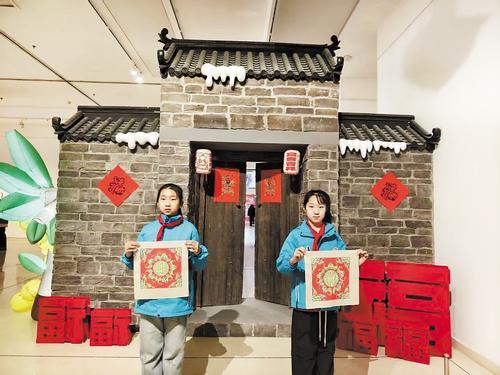
Core Viewpoint - The "Sheng Sheng Fu Xiang" art exhibition has been launched at the Shijiazhuang Art Museum, featuring over 200 works that showcase various traditional Chinese folk arts, aiming to enhance public engagement with cultural heritage through interactive educational activities [3][6]. Group 1: Exhibition Overview - The exhibition is organized by the Shijiazhuang Cultural, Radio, Television and Tourism Bureau and hosted by the Shijiazhuang Art Museum, featuring a collection of over 200 pieces including Wuqiang New Year paintings, Weixian paper-cutting, Suzhou Taohuawu New Year paintings, and Tianjin Yangliuqing New Year paintings [3][4]. - The exhibition aims to present a diverse view of Chinese folk art and its spiritual lineage, incorporating contemporary works from the Central Academy of Fine Arts that reflect folk traditions [3][4]. Group 2: Educational Activities - The "Sheng Sheng Fu Xiang: New Year Customs Gathering" series of public educational activities is being held alongside the exhibition, allowing participants to engage in hands-on experiences such as printing New Year paintings [3][5]. - Over 50 elementary school students participated in the Wuqiang New Year painting printing experience, expressing joy and excitement at creating their own artworks [5][6]. Group 3: Cultural Significance - The exhibition and activities emphasize the importance of immersing the younger generation in traditional culture, allowing them to experience the charm of folk art firsthand [6]. - The museum's director highlighted the initiative as a way to bridge traditional art with modern life, encouraging public interaction and appreciation of ancient crafts [6].

文明实践 温暖秋冬丨南通市崇川区天生港镇街道:品腊八节味 共阅好时光
Xin Lang Cai Jing· 2026-01-22 15:07
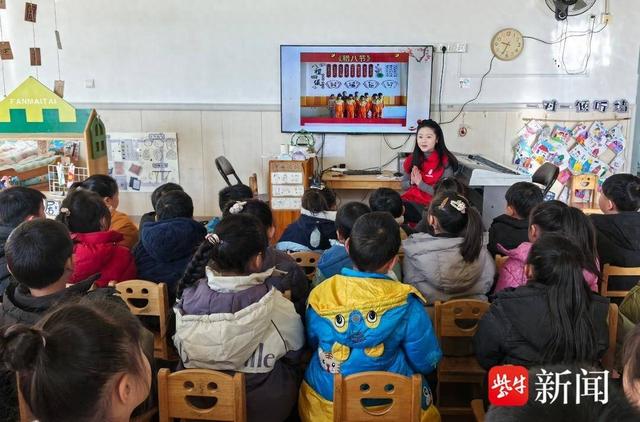
食礼润心 文明花开 "小孩小孩你别馋,过了腊八就是年……"伴随着经典的童谣,来自"福暖益行"社会组织的志愿者陆夏 霖,带着大家一起学习了《腊八节》手势舞,在欢快活泼的节奏和动作中,重现了从腊八到过年的那些 充满仪式感的日程:"二十三,糖瓜粘;二十四,扫房子……"在孩子们的演绎下,一首耳熟能详的童 谣,唤醒了藏在腊月里的浓浓年味。在情景模拟环节中,孩子们化身"餐桌小主人",沉浸式演绎了餐前 准备、席间交流、餐后整理等场景,在趣味互动中体会餐饮礼仪的细节与温度,也让大家意识到餐桌不 仅是果腹之地,更是传承文化、彰显礼仪的重要载体,让文明用餐的种子在大家心中生根发芽。 转自:扬子晚报 为了弘扬中华优秀传统文化,丰富辖区青少年儿童的精神文化生活,同时推进全民阅读和书香社区建 设,1月13日,南通市崇川区天生港镇街道福利社区新时代文明实践站、社会工作服务站、工会、妇 联、关工委、团总支联合闸西中心幼儿园开展了"品腊八节味 共阅好时光"主题活动,活动以餐饮之礼 体验、绘本阅读分享、趣味粮画创作三个环节展开,让孩子们感受传统节日带来的温暖和快乐。 "腊八节前一天,嫣儿和奶奶坐在柿子树下准备熬腊八粥的材料,有大米、红豆、花生 ...
艺术盛宴!骐骥奔腾迎春展在北京开展
Xin Lang Cai Jing· 2026-01-18 11:15
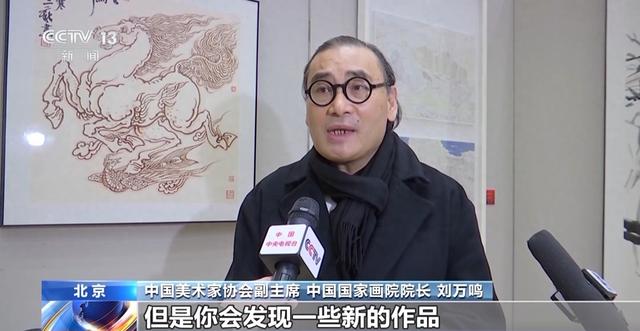
中国美术家协会副主席 中国国家画院院长 刘万鸣:在这个展览当中"新春展"它是欢庆的一方面,但是 你会发现一些新的作品,新的笔墨语言的探索,这是一个亮点。这样的活动,有利于整个中国美术事业 的发展,尤其对人才的发现尤为重要。 春节临近,年味渐浓。昨天(17日),《骐骥奔腾——丙午迎春展》在北京举行,为首都市民献上一场 洋溢着传统年节气息与时代精神的艺术盛宴。 骐骥奔腾迎春展紧扣"迎春"主题,在农历丙午马年即将到来之际,以书画艺术诠释奋进精神。艺术家们 以"马"为题材,或挥毫写意,或工笔细描,笔墨间既见传统章法,又显当代意趣,生动传递出昂扬向上 的新春气象。 此次展览正值"中国春节"入选联合国非遗名录一周年。主办方表示,展览旨在通过书画这一传统艺术形 式,深度解读春节文化中"团圆""和谐""迎新"的精神内核,让观众在欣赏艺术的同时,加深对中华优秀 传统文化的理解与热爱。展览将持续至3月10日,陪伴市民度过整个新春佳节。 来源:央视新闻客户端 ...
2026年春晚首次彩排结束,今年春晚你期待谁?
Xin Lang Cai Jing· 2026-01-18 04:04
Core Viewpoint - The 2026 Spring Festival Gala has successfully completed its first rehearsal, showcasing a blend of traditional culture and modern technology, particularly through the use of robots in performances [1] Group 1: Event Highlights - The 2026 Spring Festival Gala incorporates elements from the zodiac sign of the horse, symbolizing self-improvement and progress [1] - Artistic installations featuring horse motifs create a dynamic stage design that represents a galloping herd of horses [1] Group 2: Technological Integration - Following the success of robotic performances in the previous year's gala, robots will again feature prominently, highlighting advancements in technology and creativity [1]
中央广电总台马年春晚完成首次彩排
Xin Lang Cai Jing· 2026-01-18 00:58
Group 1 - The central theme of the 2026 Spring Festival Gala is "Unstoppable Momentum" with a focus on cultural nourishment and technological empowerment, showcasing a vibrant and progressive spirit of the new era [1] - The gala integrates elements of traditional Chinese culture, particularly the symbolism of the horse, representing self-improvement and determination, into its creative process [1] - The use of advanced technologies such as AI, AR, and XR in stage design creates an immersive visual experience, enhancing the overall artistic expression [1] Group 2 - The 2026 Spring Festival Gala represents an upgrade in the integration of "technology and art," enriching the festive atmosphere with innovative presentations [2] - Following the success of the intelligent robot featured in the previous year's gala, robots will again take the stage, highlighting advancements in technology and creativity [2] - The production team is dedicated to refining each performance and detail to deliver a heartfelt and celebratory gala for audiences worldwide on New Year's Eve [2]
中央广播电视总台2026年春晚完成首次彩排
Xin Lang Cai Jing· 2026-01-17 22:51
Group 1 - The core idea of the news is the successful completion of the first rehearsal for the 2026 Spring Festival Gala, showcasing a blend of various program types with innovative technology and visual design [1] - The gala incorporates elements from traditional Chinese culture, particularly the symbolism of the horse, representing self-improvement and progress, into its creative process [1] - The stage design utilizes advanced technologies such as AI, AR, and XR to create an immersive visual experience, enhancing the overall artistic expression [1] Group 2 - The gala aims to upgrade the integration of technology and art, enriching the audience's imagination of the festive atmosphere [1] - Following the success of the intelligent robot in the previous year's gala, robots will again feature prominently, highlighting advancements in technology and creativity [1] - The director's team is focused on refining each program and detail to present a warm and festive gala for audiences worldwide on New Year's Eve [2]
总台马年春晚完成首次彩排
Xin Lang Cai Jing· 2026-01-17 21:49
Core Viewpoint - The 2026 Spring Festival Gala by the Central Radio and Television Station successfully completed its first rehearsal, showcasing a blend of various program types, innovative technology applications, and visual design elements, with a theme of "Unstoppable Momentum of the Galloping Horse" [1] Group 1: Cultural and Thematic Elements - The gala draws wisdom and strength from excellent traditional Chinese culture, incorporating the zodiac horse elements that symbolize self-improvement and progress into its creation [1] - The main tone of the gala is "joyful and auspicious," aiming to present a vibrant and progressive atmosphere of the new era [1] Group 2: Technological Integration - The gala integrates AI, AR, and XR technologies in its stage design, creating an immersive three-dimensional visual effect that allows for dynamic interaction between people and scenery [1] - Following the success of the intelligent robot in the previous year's gala, robots will again feature prominently, highlighting advancements in technology and creativity [1] Group 3: Artistic Expression - The original songs performed are upbeat, reflecting the spirited essence of the galloping horse, while traditional opera programs have been innovatively arranged to showcase horse dance in a contextual manner [1] - The gala represents an upgrade in the fusion of "technology and art," enriching the audience's imagination of the festive atmosphere [1]
总台《2026年春节联欢晚会》完成首次彩排
Xin Lang Cai Jing· 2026-01-17 19:45
Core Viewpoint - The 2026 Spring Festival Gala by the Central Radio and Television Station successfully completed its first rehearsal, showcasing a blend of various program types with innovative technology and visual design, emphasizing a vibrant and progressive atmosphere in the new era [1] Group 1: Theme and Cultural Integration - The gala maintains a joyful and auspicious main tone with the theme "The Unstoppable Momentum of the Galloping Steed," highlighting cultural richness and technological integration [1] - Elements of the zodiac horse, symbolizing self-improvement and progress, are cleverly incorporated into the creative process, emphasizing the fusion of thought, art, and technology [1] Group 2: Technological Innovation in Presentation - The stage design utilizes AI, AR, and XR technologies to create an immersive visual experience, allowing for a dynamic interaction between people and scenery [1] - Artistic installations featuring horse patterns create a stage space that resembles a galloping herd, enhancing the visual appeal of the performance [1] Group 3: Content and Artistic Expression - Original songs with lively rhythms reflect the spirited essence of the horse, while traditional opera programs are innovatively arranged to showcase equestrian dance, highlighting grace and vigor [1] - The integration of "intelligent manufacturing" into stage presentation and content creation enriches the festive atmosphere, continuing the trend of incorporating technology into the gala [1]
倒计时30天!总台《2026年春节联欢晚会》完成首次彩排
Xin Lang Cai Jing· 2026-01-17 12:37
Core Viewpoint - The 2026 Spring Festival Gala by the Central Radio and Television Station has successfully completed its first rehearsal, showcasing a blend of various program types, innovative technology applications, and visual design, with a theme of "Unstoppable Momentum" reflecting a vibrant and progressive spirit of the new era [1]. Group 1 - The gala integrates elements of traditional Chinese culture, particularly the symbolism of the horse, representing self-improvement and progress, into its creative process [1]. - The event emphasizes the fusion of "thought, art, and technology," expanding the boundaries of artistic expression [1]. - Advanced technologies such as AI, AR, and XR are utilized in stage design to create immersive visual effects, enhancing the audience's experience [1]. Group 2 - The original songs feature upbeat rhythms that embody the spirited essence of the horse, while traditional performances are innovatively arranged to showcase equestrian dance [1]. - The gala represents an upgrade in the integration of "technology and art," enriching the festive atmosphere and imagination associated with the New Year [1]. - Following the success of the intelligent robot that performed during the previous year's gala, robots will again feature prominently, highlighting advancements in technology [1]. Group 3 - With 30 days remaining until the gala, the director team is focused on refining each program and detail to deliver a heartfelt and celebratory experience for audiences worldwide [2].
总台马年春晚完成首次彩排!
Xin Lang Cai Jing· 2026-01-17 12:35
Core Viewpoint - The 2026 Spring Festival Gala by China Central Television (CCTV) successfully completed its first rehearsal, showcasing a blend of various program types, innovative technology applications, and visual design elements, with a theme of "Unstoppable Momentum" reflecting a vibrant and progressive spirit of the new era [1] Group 1: Event Overview - The gala maintains a main tone of "joy and auspiciousness," integrating elements from traditional Chinese culture, particularly the zodiac horse, symbolizing self-improvement and progress [1] - The event emphasizes the fusion of "thought, art, and technology," expanding the boundaries of artistic expression [1] Group 2: Technological Integration - The stage design incorporates advanced technologies such as AI, AR, and XR, creating an immersive visual experience where "people are in the scene, and the scene moves with people" [1] - Artistic installations featuring horse patterns create a dynamic stage space, enhancing the overall visual impact [1] Group 3: Artistic Elements - Original songs with lively rhythms reflect the spirited essence of the horse, while traditional opera programs innovate with situational horse dances, showcasing elegance and vigor [1] - The gala represents an upgrade in the integration of "technology and art," enriching the festive atmosphere and imagination associated with the New Year [1] Group 4: Future Expectations - Following the success of the previous year's gala featuring a robot performing a folk dance, robots will again take the stage, highlighting advancements in technology and creativity [1] - The director's team is dedicated to refining each program and detail to present a heartfelt and celebratory gala for audiences worldwide [2]