
中华优秀传统文化

Search documents
长城汽车:将中华优秀传统文化深度融入技术研发、车型设计、产品命名与用户体验之中
Zheng Quan Ri Bao Zhi Sheng· 2026-03-30 14:10
Core Viewpoint - The company integrates traditional Chinese culture into its technology development, vehicle design, product naming, and user experience, aiming to create a unique brand identity and enhance product appeal [1] Group 1: Cultural Integration - The company uses inspiration from the ancient wisdom of Dujiangyan's water management to develop the Hi4-Z power distribution technology, achieving a balance between performance and energy consumption [1] - The company honors the invention of movable type printing by creating the Guiyuan platform, which employs a modular approach to build a flexible and efficient technical system [1] - The company draws from Dunhuang culture, extracting traditional colors like Dunhuang blue, purple, and green, and incorporates Eastern aesthetics into interior and paint designs [1] Group 2: Design Philosophy - The design of the Wei brand vehicles, such as the Wei V9X, is influenced by traditional Chinese architecture and craftsmanship, featuring elements like symmetrical structures and gold-inlaid jade handles [1] - The recently unveiled Tank 700 embodies the spirit of the Qilin, integrating elements of Eastern totems into its design, showcasing a sense of Chinese luxury [1] - The company plans to continue its commitment to Chinese cultural roots, ensuring that cultural depth is reflected in both products and user experiences [1]

以"守望"之名:明太原县城城墙遗址展讲述600年城市记忆
Xin Lang Cai Jing· 2026-02-28 01:40
Core Viewpoint - The exhibition "Guarding - The Ming Taiyuan County City Wall Ruins Exhibition" showcases the historical significance of the Ming Taiyuan County city wall and related archaeological findings, highlighting the urban development trajectory from Jinyang Ancient City to Ming Taiyuan County and Ming-Qing Taiyuan Prefecture City [1][2]. Group 1: Exhibition Overview - The exhibition opened on February 27 at the Jinyang Ancient City Archaeological Museum, focusing on the existing Ming Taiyuan County city wall ruins [1]. - The Ming Taiyuan County city wall was built in the first year of the Ming Jingtai era (1450) and has undergone multiple renovations, serving as a vital witness to the city's defense and urban layout over more than 500 years [1]. Group 2: Archaeological Findings - The exhibition features significant archaeological findings, including the Zhenyuan Bridge ruins, which were crucial for defense and transportation in the Ming-Qing Taiyuan Prefecture City, illustrating the bustling trade and urban prosperity over the past 600 years [1]. - Various representative glazed components are displayed, including a hollow rectangular glazed piece, a dragon-head-shaped glazed component, and a vase-shaped glazed component, indicating their historical architectural significance [2]. Group 3: Cultural Significance - Liu Yuwei, Secretary of the Cultural Relics Bureau of Taiyuan, emphasized the theme "Guarding," reflecting the dedication of cultural relics professionals and the ongoing efforts to enhance the protection and utilization of cultural heritage [2]. - The exhibition aims to help people appreciate the cultural heritage of Jinyang, the Sanjin culture, and the excellent traditional culture of China [2].
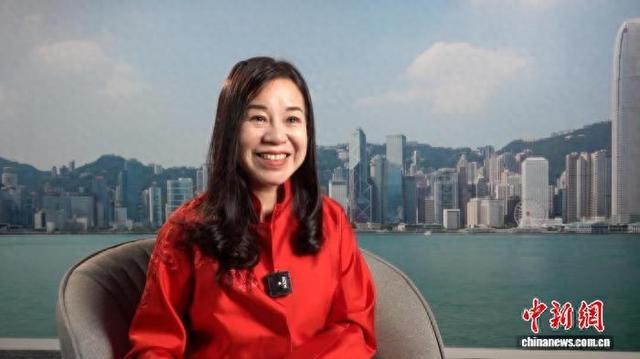
(全国两会)凌友诗:大湾区发展离不开人文精神支撑
Zhong Guo Xin Wen Wang· 2026-02-27 14:03
Group 1 - The core viewpoint emphasizes the importance of cultural foundations for social development, highlighting that moral standards and cultural literacy are essential for effective governance [2][3] - The "Cultural + Technology" approach aims to elevate the dissemination of traditional Chinese culture, requiring a solid humanistic education as its foundation [3] - The call for collaboration among all cities in the Greater Bay Area to enhance cultural transmission and practice, thereby injecting lasting spiritual motivation into the region's integrated development [3] Group 2 - The calligraphy project of "Thousand Character Classic" has seen participation from 50 schools in Hong Kong since its launch, indicating a growing interest in traditional culture among the youth [3] - The philosophical insights contained in the "Thousand Character Classic" are deemed valuable for young people, promoting both understanding of the natural world and ethical living [3]

【热气腾腾中国年】骏马踏春访瑰宝 文化盛宴启新年
Yang Shi Wang· 2026-02-23 21:25
Core Viewpoint - The article highlights the vibrant cultural activities and thematic exhibitions organized by museums across the country during the Spring Festival, emphasizing the celebration of traditional Chinese culture [1] Group 1 - Museums nationwide are launching a variety of exciting thematic exhibitions and cultural activities during the Spring Festival [1] - The events aim to immerse visitors in the rich flavors of traditional Chinese culture during the festive season [1]
赏京韵、听梆子……北京南站“亮活儿”让旅客候车不无聊
Xin Lang Cai Jing· 2026-02-22 14:49
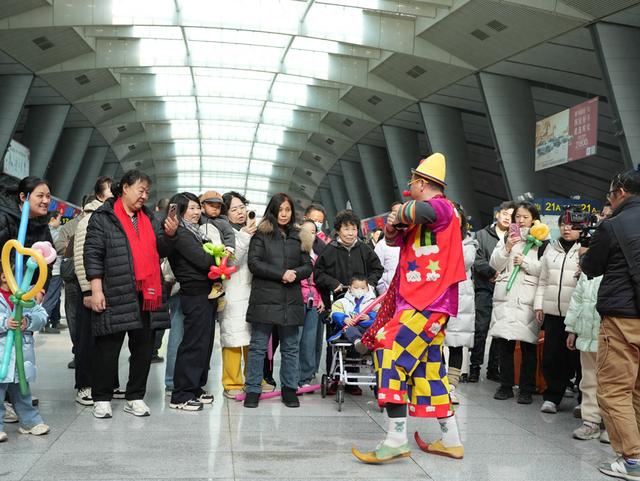
Group 1 - The article highlights the cultural activities at Beijing South Station during the peak travel period of the Spring Festival, aimed at enhancing the travel experience for passengers returning home [1][6] - Various performances, including a magic show, traditional opera, and folk music, were organized to engage travelers, especially children, creating a lively atmosphere [3][5] - The initiative "Warm Homecoming Journey" includes dance and opera flash performances, calligraphy activities, and art exhibitions, promoting traditional Chinese culture and adding warmth to the travel experience [6]
热气腾腾的中国年丨在殷墟寻一份3000载的年味
Xin Lang Cai Jing· 2026-02-22 01:29
Group 1 - The article emphasizes the importance of inheriting and developing excellent traditional Chinese culture under the guidance of Xi Jinping's cultural thoughts, which has become a trend in society [1] - The Yinxu Museum has become a popular destination during the Spring Festival, showcasing significant historical artifacts such as the "Yazhang Bull Zun" and providing insights into the Shang Dynasty's civilization [1] - Xi Jinping visited the Yinxu Museum in October 2022, expressing his desire to learn more about Chinese civilization and its application in modern nation-building [1] Group 2 - The Yinxu site features over 400 types of goods, including themed food and beverages like "Oracle Bone Coffee" and "Oracle Bone Noodles," enhancing visitor engagement with history [2] - The museum has attracted over 4.6 million visitors since the opening of the new pavilion in February 2024, indicating its popularity and cultural significance [2] - The article highlights the use of technology, such as naked-eye 3D and VR glasses, to make historical experiences more interactive and accessible to the public [2]
秦兵马俑迎客流高峰 陕西多个博物馆成春节热门打卡地
Yang Shi Xin Wen· 2026-02-20 02:16
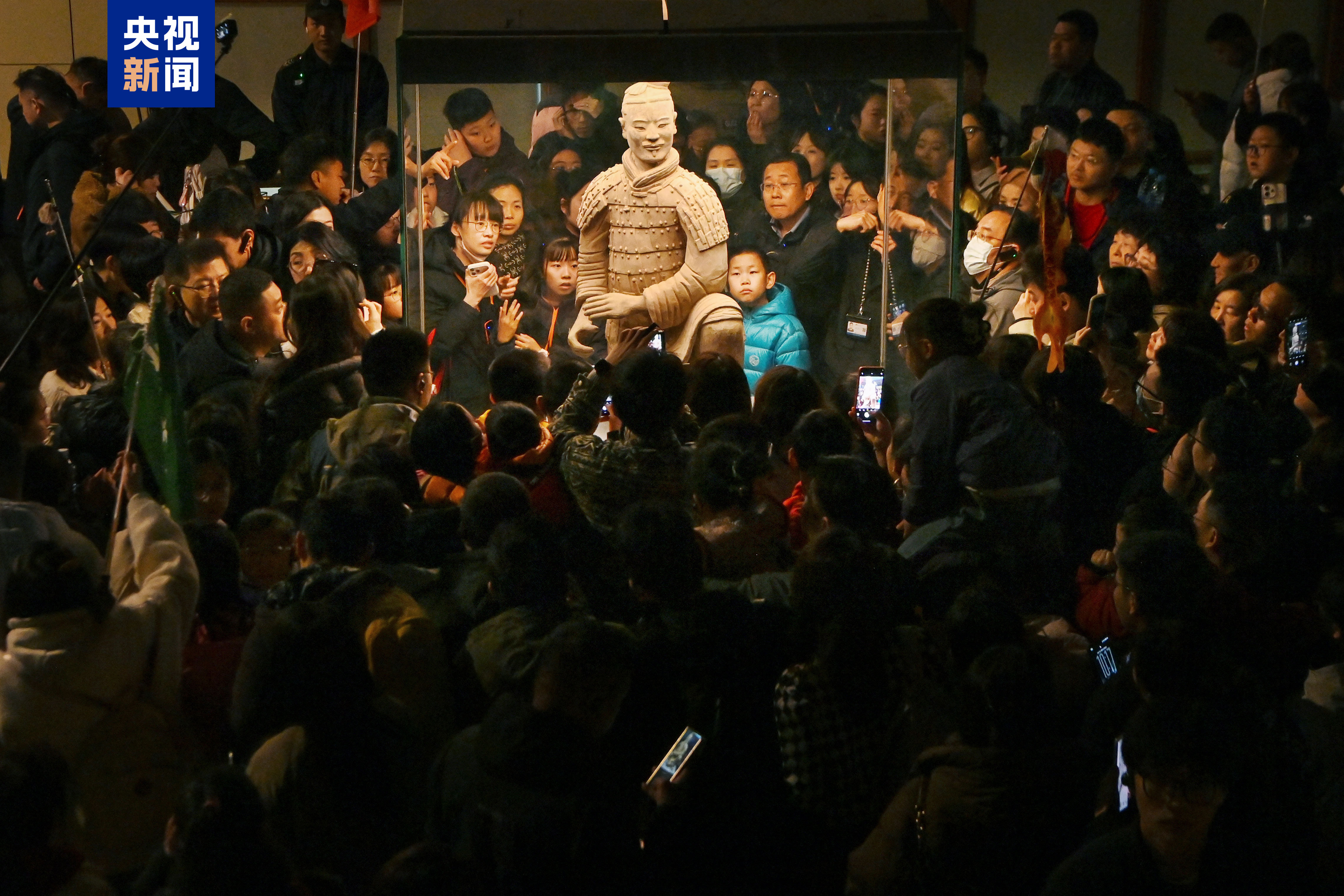
Group 1 - The Qin Shi Huang Emperor's Mausoleum Museum has experienced a surge in visitor numbers, with daily attendance exceeding 70,000 for two consecutive days, marking a three-year high [3] - During the Spring Festival, the museum expects to receive a total of 460,000 visitors, prompting the implementation of measures such as early opening and extended closing hours to ensure a comfortable visiting environment [3] Group 2 - The newly opened Jiu Cheng Palace Museum in Linyou County, Shaanxi, features three exhibitions showcasing local historical culture, Tang and Sui palace architecture, and calligraphy art, with 263 artifacts on display for the first time [7] - The museum attracts nearly 4,000 visitors daily during the holiday, and incorporates various interactive and digital exhibition methods to engage visitors with traditional Chinese culture [7] - Interactive experience zones at the museum offer activities related to calligraphy culture, including making prints of the "Jiu Cheng Palace Li Quan Inscription" and traditional paper-cutting, enhancing the immersive experience for visitors [7]
春节的博物馆里是番啥景象
Xin Lang Cai Jing· 2026-02-19 17:50
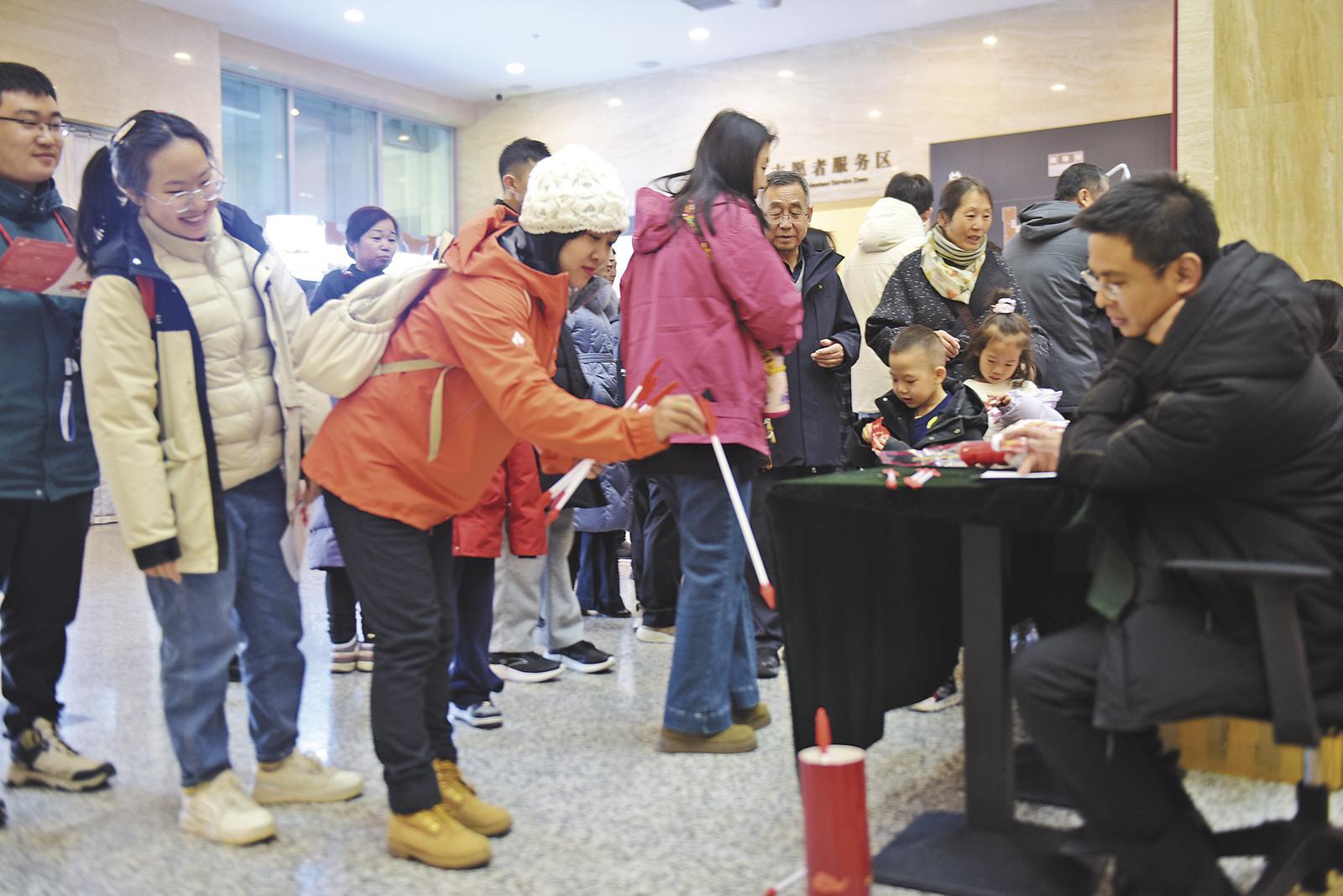
Core Viewpoint - The Qinghai Provincial Museum experienced a significant influx of visitors during the Spring Festival, showcasing the public's interest in cultural heritage and historical education through various engaging activities and exhibitions [6][10]. Group 1: Visitor Engagement - On the first day of the Lunar New Year, over 600 visitors entered the museum within the first two hours of opening, indicating strong public interest [6]. - Families, including local residents and tourists, participated in activities designed to enhance their understanding of Qinghai's history and culture [6][10]. - A family visiting the museum expressed their desire to learn more about Qinghai's cultural heritage, highlighting the educational aspect of the visit [6]. Group 2: Educational Activities - The museum organized a series of 37 themed activities titled "Celebrating the New Year in the Museum," aimed at promoting traditional Chinese culture and providing a festive atmosphere [10]. - Activities included VR immersive experiences and traditional crafts, blending technology with cultural education [10]. - A new year event featured games and challenges related to historical knowledge, engaging both children and adults in a fun learning environment [9][10]. Group 3: Cultural Significance - The exhibits included significant historical artifacts, such as the Ming Dynasty's Qutan Temple model and tea-horse trade relics, which left a lasting impression on visitors [7][9]. - The museum's role in preserving and promoting cultural heritage was emphasized, as visitors appreciated the historical narratives associated with the artifacts [7][9].
2月19日晚间央视新闻联播要闻集锦
Yang Shi Xin Wen Ke Hu Duan· 2026-02-19 13:17
Group 1 - The core message emphasizes the importance of traditional Chinese culture as the essence of Chinese civilization and the identity of the Chinese nation, highlighted by President Xi Jinping's remarks [2] - The series report "情满中国年" focuses on the vibrant expression of traditional culture during the Spring Festival [2] Group 2 - During the Spring Festival, there is a significant increase in social interactions, with an estimated 339 million cross-regional movements, marking a year-on-year growth of 11.5% and setting a new single-day record for the Spring Festival travel season [4] - The celebration of the Year of the Horse is marked by various cultural activities globally, including music concerts and temple fairs, showcasing cultural exchange [11]
2026年春节联欢晚会融合文化味与科技感
Xin Hua She· 2026-02-19 04:19
Core Viewpoint - The 2026 Spring Festival Gala by China Central Television successfully integrated cultural elements and technology, reaching a total of 677 million users through multimedia live broadcasts by February 16, with nearly 4,000 overseas media outlets participating [1]. Group 1: Cultural Highlights - The gala prominently featured traditional Chinese culture, with performances such as the creative singing show "Blessing the Flower God," showcasing the seasonal rhythms and Eastern connotations through the "Twelve Flower Gods" [1]. - The dance "Silk Road Ancient Rhythm" brought to life the flying dance from ancient murals, emphasizing the rich cultural heritage [1]. - Children narrated stories from the "Classic of Mountains and Seas," highlighting the mythical steed "Jiliang" in the song "Galloping Sea Horse," which reflects the enduring vitality of the vast grasslands through the traditional Baerhu long tune [1]. Group 2: Technological Integration - The martial arts program "Martial BOT" featured embodied robots acting as "martial arts masters," illustrating the integration of technology into traditional performances [1]. - The song "Intelligent Manufacturing Future" expressed the optimistic vision of a technologically empowered life, while the skit "Grandma's Favorite" depicted robots in family life [1]. - The comedic short play "You Must Like" offered reflections on social media products, showcasing the intersection of technology and daily life [1]. Group 3: Regional and International Participation - The micro-musical "Every Ray of Light" paid tribute to workers in ordinary jobs, while the song "Come and Sun Autumn" celebrated the harvest [2]. - Various regional performances highlighted local culture, such as the warmth of "Northeast Old Iron" in Harbin, the collaboration of international artists in Yiwu, and the integration of intangible cultural heritage elements in Hefei [2]. - Performers from countries including the USA, France, Ireland, Spain, Hungary, and Austria contributed songs, dances, and acrobatics, enhancing the gala's international appeal [2].