
军事威胁

Search documents
委内瑞拉谴责美国!导弹驱逐舰逼近委领土
Guo Ji Jin Rong Bao· 2025-10-27 00:55
Group 1 - The Venezuelan government condemned the provocative military exercises conducted by the U.S. military in the Caribbean, labeling them as a colonial military aggression aimed at destabilizing the region [1][3] - The U.S. Navy destroyer "Gravely" docked in Port of Spain, Trinidad and Tobago, with 300 U.S. soldiers onboard, and is scheduled to remain until the 30th [1][3] - The Venezuelan government accused the U.S. of attempting to create a violent environment in the Caribbean and claimed that the military exercises pose a serious threat to peace in the region [3] Group 2 - Venezuela reported the arrest of a group of mercenaries directly linked to the CIA, allegedly involved in a "false flag" operation aimed at provoking a military conflict between Venezuela and the U.S. [3] - The U.S. has deployed multiple naval vessels in the Caribbean under the pretext of drug enforcement, including the amphibious assault ship "Iwo Jima" and the "Gravely" destroyer [3] - The Pentagon announced the deployment of the "Gerald R. Ford" aircraft carrier strike group to the Southern Command area, indicating an escalation in military presence [3]

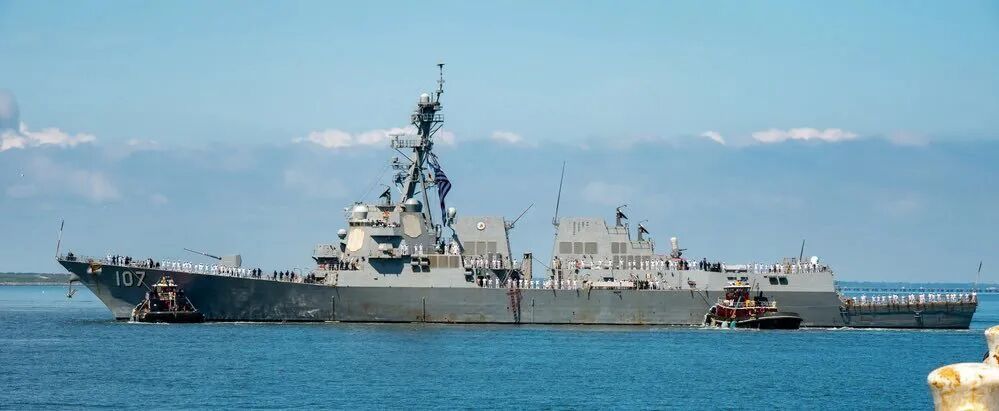
委内瑞拉谴责美国在加勒比地区挑衅性军演
Xin Hua Wang· 2025-10-27 00:31
Group 1 - The Venezuelan government condemns U.S. military exercises in the Caribbean as provocative and a form of colonial military aggression aimed at controlling the region [1] - The U.S. Navy's deployment of the USS Gravely and the 22nd Marine Expeditionary Unit for joint training with Trinidad and Tobago's defense forces is seen as an escalation of military pressure on Venezuela [1][2] - Venezuela claims to have arrested a group of mercenaries linked to the CIA, allegedly involved in a "false flag" operation to provoke military conflict with the U.S. [1] Group 2 - The U.S. has deployed multiple naval vessels in the Caribbean under the pretext of drug enforcement, including the USS Iwo Jima and USS Gravely [2] - The Pentagon has announced the deployment of the USS Gerald R. Ford carrier strike group to the Southern Command area [2] - Despite U.S. claims of drug interdiction, reports indicate that Venezuela is not a major source of drugs entering the U.S., raising suspicions about the true motives behind the military presence [2]
委内瑞拉海岸防御演习对抗美国恐吓,马杜罗用英语向美喊话:“不要发动疯狂的战争!”
Huan Qiu Shi Bao· 2025-10-24 22:44
Core Points - Venezuela is conducting the "Independence 200 Plan" coastal defense exercises as part of President Maduro's 27 territorial defense actions, aimed at enhancing national unity and military readiness in the face of perceived threats [1] - Maduro has called for peace and unity among the working class in response to increasing hostility from the U.S., emphasizing the need to defend against potential external aggression [1] - U.S. military actions, including the deployment of B-1B bombers near Venezuela and potential ground operations against drug traffickers, have raised concerns about a possible military intervention to overthrow Maduro's regime [3] Summary by Sections Military Exercises and National Defense - The "Independence 200 Plan" exercises are intended to serve as a deterrent and to ensure the country is in optimal combat readiness [1] - Defense Minister Lopez stated that these military deployments aim to strengthen national unity [1] U.S. Military Actions and Political Implications - Reports indicate that U.S. military aircraft have been operating near Venezuelan airspace, which some analysts interpret as psychological warfare aimed at destabilizing the Venezuelan armed forces [3] - President Trump has hinted at the possibility of expanding military actions against Venezuela, particularly targeting drug traffickers, and has not ruled out ground operations [3]
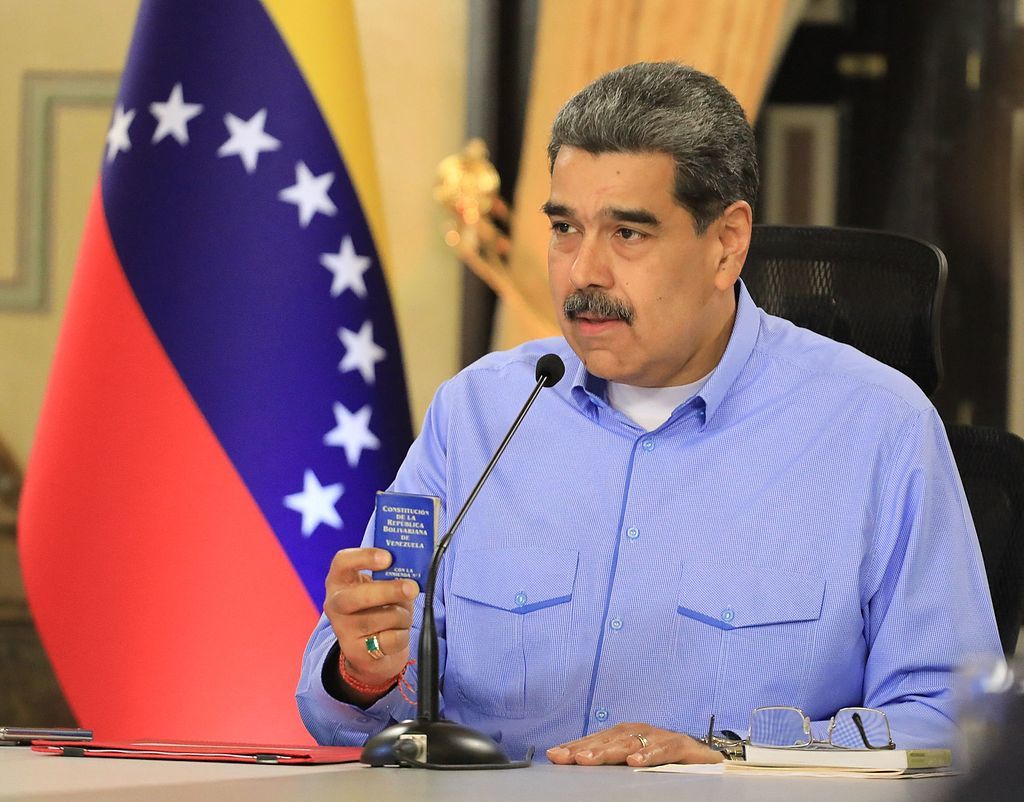
飞行数据显示美国B-1B轰炸机逼近委内瑞拉
Xin Hua She· 2025-10-24 08:24
Core Points - The U.S. military has increased its presence near Venezuela, with B-1B bombers conducting training flights close to the country's international airspace, prompting a response from Venezuelan President Maduro who urged against a "mad war" [1][2] - The U.S. government has been actively targeting alleged drug trafficking operations in the Caribbean, claiming to have sunk multiple "drug boats" and killed dozens of traffickers since September [2] - The U.S. has deployed a significant naval presence in the Caribbean, including 8 warships, a submarine, and various aircraft, indicating a potential escalation in military operations against Venezuela [2] Military Actions - On October 23, two B-1B bombers approached Venezuela, which are capable of carrying a maximum payload of approximately 60 tons and can reach speeds of up to 1.2 Mach [1] - The U.S. military previously conducted similar operations with B-52 bombers and F-35 fighters near Venezuelan coastal areas, described as "bomber attack demonstrations" [1] - The U.S. has authorized the CIA to conduct covert operations in Venezuela, further intensifying the military focus on the region [2] Regional Dynamics - Trinidad and Tobago's government has announced that one of the U.S. destroyers will dock in its capital for joint military exercises, highlighting regional military collaboration against Venezuela [2] - Venezuela has initiated its own military exercises, named "Independence 200 Plan," to prepare its forces for potential threats, emphasizing the heightened military readiness in the region [2] - Maduro's administration continues to accuse the U.S. of attempting to instigate regime change through military threats, reflecting ongoing tensions in U.S.-Venezuela relations [2]
美军B-1B轰炸机出动 靠近委内瑞拉沿岸
Bei Jing Ri Bao Ke Hu Duan· 2025-10-24 01:01
Core Points - The article discusses the recent military activities of the United States near Venezuela, specifically the deployment of a B-1B bomber, marking the second such display of military force within a week [1][3] - U.S. President Trump indicated dissatisfaction with Venezuela and hinted at potential ground military actions in the near future [3] - The Venezuelan government, led by Defense Minister Padrino Lopez, has stated that any destabilizing actions from the CIA will fail, emphasizing the readiness of the Bolivarian Armed Forces [3] Summary by Sections U.S. Military Actions - A U.S. B-1B bomber was reported to be near the Venezuelan coast on October 23, representing a significant military presence [1] - This incident is part of a broader U.S. strategy that includes the deployment of stealth aircraft and naval vessels in the Caribbean under the guise of anti-drug operations [3] Political Context - President Trump acknowledged the reports of military deployment but claimed they were not entirely accurate, while expressing general discontent with Venezuela [3] - The U.S. has claimed to have sunk several "drug boats" and killed numerous "drug traffickers" in international waters off Venezuela since September, despite reports indicating that Venezuela is not a major source of drugs entering the U.S. [3] Venezuelan Response - Venezuelan President Maduro has accused the U.S. of attempting regime change through military threats and expanding military presence in Latin America [3] - The Venezuelan military is conducting nationwide defensive exercises named "Independent Coast 200," with all forces on high alert following the U.S. military activities [3]
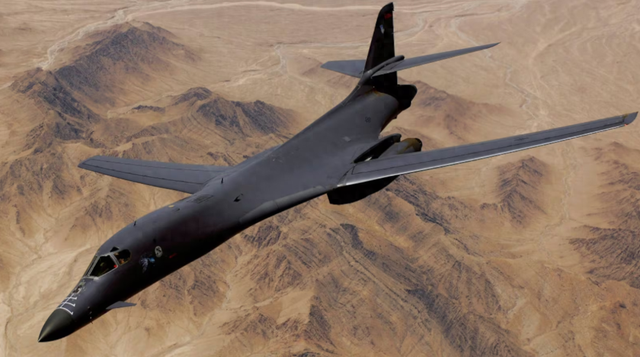
美轰炸机一周内两次靠近委内瑞拉海岸 特朗普:将很快看到地面军事行动!委防长强硬回应:所有部队均已进入战备状态
Mei Ri Jing Ji Xin Wen· 2025-10-24 00:28
Core Viewpoint - The article discusses the increasing military tensions between the United States and Venezuela, highlighted by the deployment of U.S. B-1B bombers near Venezuelan waters and the subsequent military exercises conducted by Venezuela in response to perceived threats [1][3][4]. Group 1: U.S. Military Actions - On October 23, a U.S. B-1B bomber was tracked near the Venezuelan coast, marking the second such military display within a week [1]. - President Trump commented on the deployment, indicating dissatisfaction with Venezuela and hinting at potential ground military actions in the near future [3]. - The U.S. has deployed stealth aircraft and naval vessels in the Caribbean as part of a drug interdiction operation, although evidence of drug trafficking targets has not been disclosed [3]. Group 2: Venezuela's Military Response - Venezuelan Defense Minister Padrino Lopez stated that any destabilizing actions from the CIA would fail, emphasizing the readiness of the Bolivarian Armed Forces and militia [4]. - Venezuela initiated the "Independent Coast 200" defense exercises across five coastal states to counter foreign military threats and protect national sovereignty [7]. - The exercises focus on strategic locations such as refineries and ports, with enhanced air defense and communication systems to improve alert capabilities [7]. - President Maduro announced the deployment of over 5,000 "Pechora-S" portable air defense missiles to ensure national security, with the missile system having a maximum range of 6,000 meters [7].
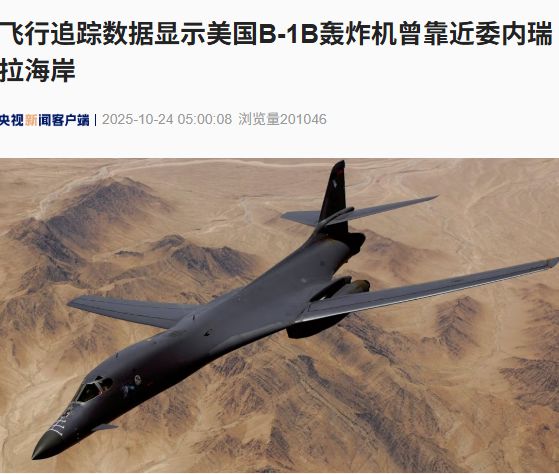
委内瑞拉在沿海地区举行军事防御演习
Xin Hua She· 2025-10-23 16:25
Core Viewpoint - Venezuela is conducting the "Independence 200 Plan" coastal defense exercises to enhance military readiness in response to perceived threats, particularly from the U.S. military presence in the Caribbean [1][2]. Group 1: Military Exercises - The "Independence 200 Plan" exercises are taking place along the northern coastal states of Venezuela, including Sucre, Falcon, and Carabobo [2]. - The exercises involve the deployment of military equipment and personnel along all coastal fronts, including air defense systems [1]. Group 2: Government Statements - President Maduro announced that Venezuela possesses 5,000 Russian-made portable air defense missiles to safeguard national sovereignty [2]. - Maduro's government accuses the U.S. of attempting to instigate regime change in Venezuela through military threats and has a historical context of U.S. involvement in Latin American coups [2]. Group 3: U.S. Military Presence - The U.S. has deployed several warships in the Caribbean under the pretext of combating drug trafficking, claiming to have sunk seven "drug boats" off the coast of Venezuela since September [2]. - Reports from the U.S. Drug Enforcement Administration indicate that Venezuela is not a major source of drugs entering the U.S. [2].
突发!美国,发动袭击!
券商中国· 2025-10-19 01:55
Core Viewpoint - The article discusses the recent military actions taken by the United States against drug trafficking in the Caribbean, particularly targeting Venezuela, highlighting the strategic implications behind these actions and the regional responses to them [2][6][9]. Group 1: U.S. Military Actions - On October 18, President Trump announced that U.S. military forces destroyed a large submarine carrying drugs, marking the first incident with survivors since the U.S. began its operations against drug trafficking in the Caribbean in September [2][4]. - The U.S. has conducted at least six military actions against alleged drug trafficking vessels since September, resulting in the destruction of five "drug boats" and the deaths of 27 alleged traffickers [6][8]. - The U.S. has significantly increased its military presence in the Caribbean, deploying destroyers, F-35 fighter jets, a nuclear submarine, and approximately 6,500 troops in the region [6][8]. Group 2: Venezuela's Response - Venezuela has expressed strong opposition to U.S. military actions, with Defense Minister Lopez stating that the country must prepare for potential military aggression from the U.S. [2][8]. - The Venezuelan government has conducted military exercises to test the readiness of its armed forces and militia in response to U.S. threats [8][9]. - President Maduro has called on citizens to join militia organizations and initiated the "Independence 200 Plan" to coordinate local military and civilian efforts to protect critical infrastructure [9]. Group 3: Regional and International Reactions - Many Latin American countries have condemned U.S. actions, viewing them as violations of international law and an infringement on Venezuela's sovereignty [9]. - Brazil's ruling Workers' Party and Cuba's President Diaz-Canel have publicly criticized the U.S. for its military threats and support for the Venezuelan opposition [9]. - Analysts suggest that the U.S. is using the pretext of drug trafficking to exert military pressure on Venezuela, with the underlying goal of regime change [6][9].

袭船、炫武 美委紧张关系继续升级
Xin Hua She· 2025-10-17 07:35
新华社华盛顿10月16日电(记者徐剑梅)据美国媒体16日报道,美军在加勒比海域再次空袭涉嫌贩 毒船只,多架轰炸机和直升机在委内瑞拉海岸附近飞行。 多家美媒16日援引匿名美国官员的话报道说,美军当天在加勒比海南部再次空袭一艘涉嫌贩毒船 只。报道未说明具体伤亡情况。特朗普政府尚未证实相关消息。 报道还说,美军15日出动3架B-52轰炸机在委内瑞拉海岸附近盘旋飞行,"进行武力展示"。瑞典24 小时飞行雷达网站追踪数据显示,轰炸机飞行区域距委内瑞拉以北约150英里(约241公里)。此外,美 国陆军特种作战航空部队的直升机近日也在委内瑞拉海岸附近训练演习。 据报道,特朗普政府目前已在加勒比海地区集结约1万名美军士兵、8艘军舰、1艘核动力潜艇和多 架战斗机。美国总统特朗普15日说,他已授权美国中央情报局在委内瑞拉开展秘密行动,并在考虑地面 打击委内瑞拉。 近期,美国以打击贩毒为由,在委内瑞拉附近加勒比海域部署多艘军舰。9月以来,特朗普政府宣 称在委内瑞拉附近公海击沉5艘所谓"运毒船"并打死27名"毒贩"。而美国缉毒署近年报告显示,委内瑞 拉并非流入美国毒品的主要来源地。 委内瑞拉政府多次指责美国意图通过军事威胁在委搞政权 ...
袭船、炫武 美委紧张关系继续升级
Xin Hua She· 2025-10-17 06:34
新华财经华盛顿10月17日电 据美国媒体16日报道,美军在加勒比海域再次空袭涉嫌贩毒船只,多架轰 炸机和直升机在委内瑞拉海岸附近飞行。 委内瑞拉政府多次指责美国意图通过军事威胁在委搞政权更迭,并在拉美进行军事扩张。 (文章来源:新华社) 多家美媒16日援引匿名美国官员的话报道说,美军当天在加勒比海南部再次空袭一艘涉嫌贩毒船只。报 道未说明具体伤亡情况。特朗普政府尚未证实相关消息。 报道还说,美军15日出动3架B-52轰炸机在委内瑞拉海岸附近盘旋飞行,"进行武力展示"。瑞典24小时 飞行雷达网站追踪数据显示,轰炸机飞行区域距委内瑞拉以北约150英里(约241公里)。此外,美国陆 军特种作战航空部队的直升机近日也在委内瑞拉海岸附近训练演习。 据报道,特朗普政府目前已在加勒比海地区集结约1万名美军士兵、8艘军舰、1艘核动力潜艇和多架战 斗机。美国总统特朗普15日说,他已授权美国中央情报局在委内瑞拉开展秘密行动,并在考虑地面打击 委内瑞拉。 近期,美国以打击贩毒为由,在委内瑞拉附近加勒比海域部署多艘军舰。9月以来,特朗普政府宣称在 委内瑞拉附近公海击沉5艘所谓"运毒船"并打死27名"毒贩"。而美国缉毒署近年报告显示, ...