货币贬值

Search documents
那些在伊朗复杂政局里失联的人
凤凰网财经· 2026-01-12 13:37
Core Viewpoint - The article highlights the ongoing turmoil in Iran, particularly focusing on the impact of recent protests and internet shutdowns on the local population and foreign nationals, including Chinese citizens. It emphasizes the challenges faced by ordinary Iranians due to economic instability and the effects of international sanctions. Group 1: Protests and Communication Disruptions - Protests initiated by Tehran merchants due to the devaluation of the Iranian rial have spread to over 17 provinces, marking the largest nationwide demonstrations since 2022 [2] - The Iranian government has implemented severe internet restrictions to control the protests, leading to significant communication disruptions for both locals and foreigners [8] - Despite the communication challenges, some individuals have managed to contact their families through limited internal networks, alleviating concerns about their safety [9] Group 2: Economic Conditions - The Iranian rial has depreciated by 95% over the past decade, with the exchange rate plummeting from approximately 1:4000 to 1:6022 against the Chinese yuan [11] - Official inflation in Iran stands at 42.2%, with food prices soaring by 72%, while wages have stagnated, making daily life increasingly difficult for the populace [11] - Many Iranians are living in dire conditions, with reports of individuals sharing cramped living spaces and earning as little as 600 yuan per month, which is insufficient to cover basic living expenses [14] Group 3: Impact on Businesses - The hotel business, which primarily serves Chinese nationals, has seen over 20 booking cancellations due to the unrest, with clients facing significant financial losses from missed participation in trade exhibitions [10] - The economic disparity is evident, as wealthier areas of Tehran contrast sharply with impoverished neighborhoods, where many residents struggle to meet basic needs [13]

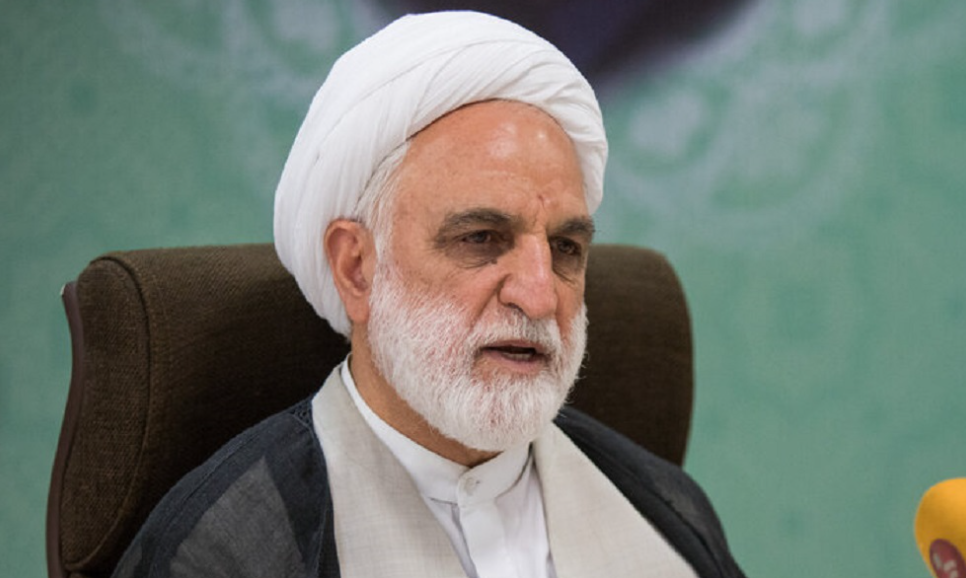
伊朗司法总监:部分骚乱煽动者居住在境外
Yang Shi Xin Wen Ke Hu Duan· 2026-01-12 11:32
Core Viewpoint - The Iranian judiciary is taking decisive actions to seek justice for the victims of recent unrest, emphasizing the need to address the instigators of violence, some of whom are based abroad [3]. Group 1: Government Response - Iranian Judiciary Chief Ejei has ordered effective actions to seek justice for the martyrs and victims of recent unrest [3]. - Ejei highlighted that there are instigators behind the recent riots and destructive activities across Iran, with some residing outside the country [3]. - Iranian President Pezeshkian stated that the government is committed to addressing the economic difficulties faced by the people while rejecting foreign influence in inciting unrest [3]. Group 2: Recent Unrest - Protests against rising prices and currency devaluation have led to unrest in multiple regions of Iran, resulting in casualties among security personnel and civilians [3]. - The Iranian government is prioritizing the investigation and punishment of those who have attacked police, military, and law enforcement personnel, as well as those causing damage in urban centers [3].
伊朗外长:政府已与抗议者展开对话 局势目前完全得到控制
Xin Lang Cai Jing· 2026-01-12 07:42
近期,伊朗多地出现针对物价上涨和货币贬值的抗议活动,其间发生骚乱,造成安全人员和民众伤亡。 伊朗总统佩泽希齐扬在伊朗国家电视台11日播出的专访中表示,伊朗政府重视倾听民众诉求,决心解决 好伊朗人民面临的经济困难,但不能容许美国和以色列教唆"暴乱者"在伊朗制造动荡。(总台记者 魏 然) 伊朗外交部长阿拉格齐当地时间12日表示,近期发生在伊朗的抗议活动是和平的,伊朗政府也立即与商 户及有关各方展开对话。伊朗政府已采取一系列行动、措施和改革,以回应这些和平示威者的诉求。 来源:央视新闻客户端 阿拉格齐还表示,伊朗政府正密切关注街头正在发生的事态,"局势目前已完全得到控制"。 阿拉格齐称,有武装恐怖组织混入抗议人群,试图将抗议活动引离原本的正当轨道。阿拉格齐还称,已 掌握了伊朗安全部队遭枪击的证据,这些袭击的目的是制造更多伤亡。他说,美国总统特朗普有关伊朗 局势的表态是对伊朗内政的干涉。 ...
已有111人丧生,伊朗总统发声
Huan Qiu Wang· 2026-01-12 00:41
另据伊朗官方媒体报道,伊朗政府11日宣布为骚乱期间死难的"烈士"举行为期三天的全国哀悼,并 号召民众于12日举行游行以表达对"恐怖犯罪分子"暴力行为的谴责。 近期,伊朗多地出现针对物价上涨和货币贬值的抗议活动,其间发生骚乱,造成安全人员和民众伤 亡。伊朗总统佩泽希齐扬在伊朗国家电视台11日播出的专访中表示,伊朗政府重视倾听民众诉求,决心 解决好伊朗人民面临的经济困难,但不能容许美国和以色列教唆"暴乱者"在伊朗制造动荡。 伊朗总统:决心解决好经济困难,骚乱是美以阴谋 伊朗已有111名安全人员在近期骚乱中丧生 伊朗总统佩泽希齐扬在伊朗国家电视台11日播出的专访中表示,伊朗政府重视倾听民众诉求,决心 解决好伊朗人民面临的经济困难,但不能容许美国和以色列教唆"暴乱者"在伊朗制造动荡。 据伊朗塔斯尼姆通讯社11日援引伊朗官方信息报道,伊朗全国范围已有111名安全部门人员在近期 骚乱期间维持秩序过程中丧生。 佩泽希齐扬还说,伊朗近期出现的骚乱和打砸公共设施等行为是美国和以色列的阴谋,肇事者"不 是抗议者,而是暴乱者"。他呼吁所有同胞团结起来,坚决抵制破坏行为。 近日,伊朗因物价上涨和货币贬值爆发示威活动,多地发生骚乱,造 ...
伊朗:全国哀悼三天
Zheng Quan Shi Bao· 2026-01-12 00:33
Group 1 - The Iranian government announced a three-day national mourning period for those who sacrificed their lives in the struggle against the United States and Israel [1] - Protests erupted in Iran due to rising prices and currency devaluation, leading to unrest and casualties [1] - The Iranian Supreme National Security Council stated that the protests were orchestrated and controlled by the US and Israel, resulting in damage to national security [1] Group 2 - Official reports indicate that 111 security personnel have died during the recent unrest while maintaining order [1] - The Iranian government called for a nationwide mourning for the "martyrs" who died during the unrest and urged citizens to participate in a march on the 12th to condemn the violence of "terrorist criminals" [1] - President Pezeshkian emphasized the government's commitment to addressing the economic difficulties faced by the Iranian people while rejecting any instigation of unrest by the US and Israel [1]
伊朗全国哀悼三天
Zhong Guo Ji Jin Bao· 2026-01-12 00:30
Core Viewpoint - Iran has reported that 111 security personnel have died during recent unrest while maintaining order, leading to a nationwide mourning period for the victims [1] Group 1: Government Response - The Iranian government has declared a three-day national mourning for the "martyrs" who died during the unrest [1] - President Pezeshkian emphasized the government's commitment to addressing the economic difficulties faced by the Iranian people while rejecting foreign influence in domestic affairs [1] Group 2: Public Sentiment and Protests - Protests have erupted across Iran in response to rising prices and currency devaluation, resulting in casualties among both security forces and civilians [1] - The government has called for public demonstrations on the 12th to condemn the violent actions of what they term "terrorist criminals" [1]
伊朗宣布全国哀悼3天,已有111名安全人员在近期骚乱中丧生
Xin Lang Cai Jing· 2026-01-12 00:27
Core Viewpoint - The Iranian government has reported that 111 security personnel have died during recent unrest aimed at maintaining order, leading to a nationwide mourning period for the victims [1] Group 1: Government Response - The Iranian government announced a three-day national mourning period for the "martyrs" who died during the unrest [1] - President Pezeshkian emphasized the government's commitment to addressing the economic difficulties faced by the Iranian people while condemning external influences from the US and Israel that incite unrest [1] Group 2: Public Unrest - Protests have erupted across Iran in response to rising prices and currency devaluation, resulting in casualties among both security personnel and civilians [1] - The government has called for public demonstrations on the 12th to denounce the violent actions of what they term "terrorist criminals" [1]
伊朗政府宣布:全国哀悼三天
Xin Lang Cai Jing· 2026-01-12 00:26
Group 1 - The Iranian government has declared a three-day national mourning period to honor those who lost their lives in the struggle against the United States and Israel [2][3] - Protests in Iran have erupted due to rising prices and currency devaluation, leading to unrest and casualties [2][3] - The Iranian Supreme National Security Council stated that the protests have evolved into a threat to national security, allegedly orchestrated by the US and Israel [2] Group 2 - A total of 111 security personnel have reportedly died during the recent unrest while maintaining order across the country [3] - The Iranian government has called for public demonstrations on the 12th to condemn the violent actions of what they refer to as "terrorist criminals" [3] - Iranian President Pezeshkian emphasized the government's commitment to addressing the economic difficulties faced by the people while rejecting any foreign influence inciting unrest [3]
伊朗:全国哀悼三天
证券时报· 2026-01-12 00:13
Group 1 - The Iranian government has declared a three-day national mourning period to honor those who lost their lives in the struggle against the United States and Israel [1] - Recent protests in Iran, triggered by rising prices and currency devaluation, have led to unrest and casualties, with the Iranian Supreme National Security Council stating that these protests have been orchestrated by the U.S. and Israel [1][2] - A total of 111 security personnel have reportedly died while maintaining order during the recent unrest, prompting the government to label them as "martyrs" [2] Group 2 - The Iranian President emphasized the government's commitment to addressing the economic difficulties faced by the people while condemning the influence of the U.S. and Israel in inciting unrest [2]

伊朗全国哀悼三天
中国基金报· 2026-01-12 00:09
Core Viewpoint - The article discusses the recent unrest in Iran, highlighting the government's response to protests against rising prices and currency devaluation, as well as the casualties among security personnel and civilians [1] Summary by Relevant Sections - **Casualties and Mourning** - A total of 111 security personnel have died during the recent unrest while maintaining order [1] - The Iranian government has declared a three-day national mourning period for the "martyrs" who lost their lives during the turmoil [1] - **Government Response** - Iranian President Pezeshkian emphasized the government's commitment to addressing the economic difficulties faced by the people while condemning external influences from the U.S. and Israel that incite unrest [1] - The government has called for a public demonstration on the 12th to denounce the violent actions of what they term "terrorist criminals" [1] - **Protests and Economic Issues** - Protests have erupted in multiple locations across Iran, primarily driven by dissatisfaction over rising prices and currency depreciation [1] - The unrest has resulted in both security personnel and civilian casualties, indicating a significant social and economic strain within the country [1]