一企一策分类考核

Search documents
智库研究 | 聚焦“一企一策”分类考核,新阶段国资国企高质量发展的精准航标
Xin Lang Cai Jing· 2026-02-11 10:16
Core Viewpoint - The implementation of the "One Enterprise, One Policy" classification assessment is a strategic leap towards modernizing the evaluation system for state-owned enterprises (SOEs) in China, aiming to enhance their core competitiveness and functionality in the context of a rapidly changing global economy and technological revolution [2][22]. Group 1: Evolution of the Assessment System - The development of the SOE assessment system has evolved from a focus on output and profit to incorporating value management indicators like net asset return and economic value added (EVA), reflecting a richer and more scientific assessment dimension [3][23]. - Since the 18th National Congress of the Communist Party, the "1+N" policy framework has laid a solid theoretical and practical foundation for the comprehensive implementation of the "One Enterprise, One Policy" classification assessment [3][23]. Group 2: High-Quality Development Requirements - As China's economy transitions to a high-quality development phase, SOEs are expected to play a crucial role in building a modern industrial system and ensuring national strategic security [4][23]. - SOEs face challenges such as intense market competition, pressure for industrial upgrades, and the need for digital transformation [4][23]. Group 3: Necessity of Personalized Assessment - Traditional assessment models fail to accurately reflect the differences among enterprises in terms of strategic missions and industry characteristics, leading to short-term behaviors and resource misallocation [4][24]. - Implementing a more refined and personalized classification assessment is essential for stimulating internal vitality and aligning with national strategies for high-quality development [4][24]. Group 4: Core Essence of "One Enterprise, One Policy" - The essence of the "One Enterprise, One Policy" classification assessment lies in the organic combination of "classification" and "policy," requiring precise categorization based on enterprise functions, strategic missions, and industry characteristics [5][24]. - The assessment aims to ensure that evaluation indicators effectively translate national strategies into actionable objectives for enterprises [5][24]. Group 5: Indicator System Design - The construction of a scientific classification assessment indicator system is central to the implementation of "One Enterprise, One Policy," with personalized indicators accounting for 76% and 79% of the assessments for the 2025 annual and term evaluations, respectively [7][26]. - A balance between common and personalized indicators is maintained, focusing on both immediate financial performance and long-term value creation [7][26]. Group 6: Management of the Assessment Process - The assessment process emphasizes precise management throughout, with target setting involving collaboration and consideration of industry cycles and enterprise specifics [8][27]. - Real-time monitoring and dynamic adjustment mechanisms are established to enhance the adaptability of the assessment [8][27]. Group 7: Application of Assessment Results - The results of the classification assessment will directly influence enterprise leadership compensation, term incentives, and resource allocation, ensuring a rigorous application of the assessment outcomes [9][28]. - Enterprises that excel in strategic missions and innovation will receive recognition and incentives, even if short-term financial metrics are under pressure [9][28]. Group 8: Integration with World-Class Enterprise Evaluation - The classification assessment aligns with the evaluation indicators for world-class enterprises, providing a macro-to-micro complementary framework for performance assessment [10][31]. - This integration helps enterprises set quantifiable and actionable goals that contribute to their journey towards becoming world-class [10][31]. Group 9: Challenges and Path Optimization - Key challenges include the scientific and dynamic classification of enterprises, balancing the precision and comparability of indicators, and managing the increased complexity and costs associated with personalized assessments [15][35]. - Recommendations for improvement include enhancing the classification framework, developing a model of common baseline and core personalized indicators, and strengthening the professional and digital capabilities of regulatory bodies [18][38].


央企2026年考核定了
证券时报· 2026-02-03 04:23
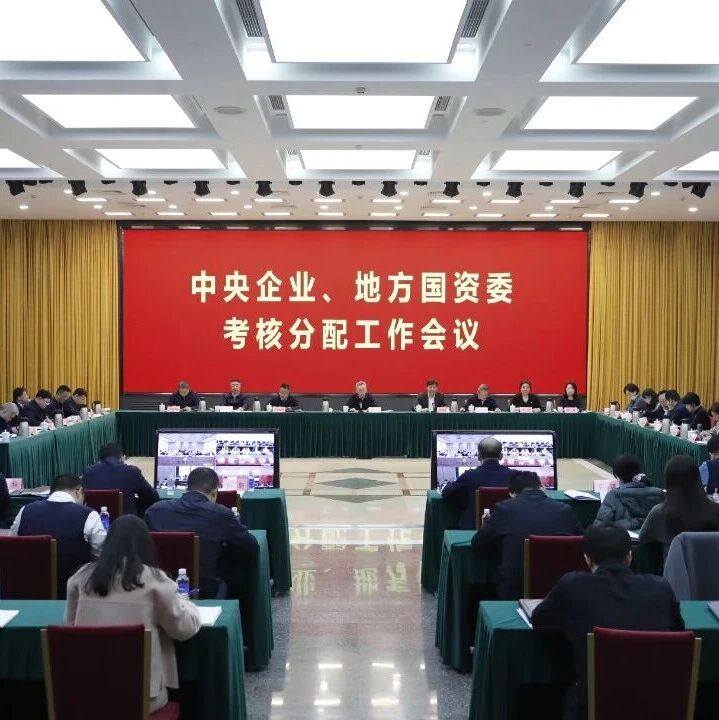
Core Viewpoint - The meeting emphasized the importance of adhering to Xi Jinping's directives and focused on high-quality development, reform deepening, and the implementation of a tailored assessment strategy for state-owned enterprises (SOEs) in 2026 [3]. Group 1: Meeting Overview - The State-owned Assets Supervision and Administration Commission (SASAC) held a meeting to discuss the assessment and distribution work for central enterprises and local state-owned assets supervision commissions for 2026 [1]. - The meeting aimed to summarize the assessment and distribution work from 2025 and the "14th Five-Year Plan" period, while also planning key tasks for the next phase [1][3]. Group 2: Key Focus Areas for 2026 - In 2026, SOEs are expected to focus on high-quality development, deepen reforms, and implement a "one enterprise, one policy" assessment strategy [3]. - The meeting highlighted the need to strengthen income distribution management and establish a robust mechanism for technological innovation incentives [3]. - The meeting also called for the deepening of the three-system reform and the enhancement of the assessment and distribution information system to ensure a more scientific and professional regulatory approach [3].