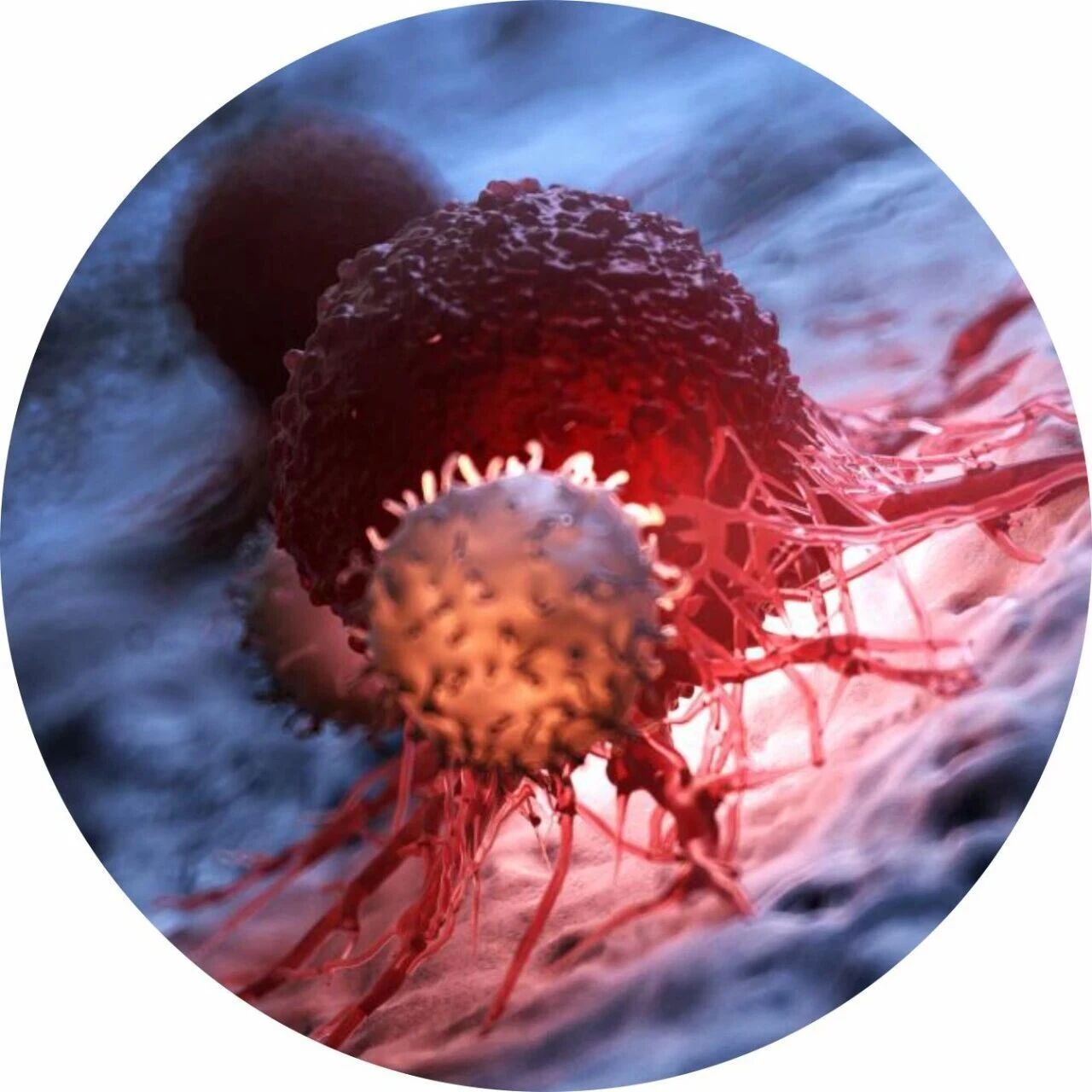
三级淋巴结构(TLS)

Search documents
论文一作篡改实验数据,这篇重磅Nature论文发表2年多后被撤稿
生物世界· 2026-01-19 02:29
Core Viewpoint - The research published by Francis Crick Institute in Nature highlights the role of antibodies against endogenous retroviruses (ERVs) in enhancing lung cancer immunotherapy, suggesting a potential therapeutic strategy combining CXCL13 with immune checkpoint blockade (ICB) therapy [4][5]. Group 1 - The study reveals that tertiary lymphoid structures (TLS) improve the efficacy of lung cancer immunotherapy by enabling B cells to produce antibodies targeting activated ERVs within tumor cells [4][5]. - Immune checkpoint blockade (ICB) therapy enhances the B cell response against ERVs, and the resulting antibodies exhibit anti-tumor effects and can predict treatment efficacy [4][5]. - The formation of TLS is dependent on the cytokine CXCL13, and utilizing CXCL13 in treatment could synergize with existing ICB therapies for better anti-cancer outcomes [4][5]. Group 2 - The paper was retracted on January 14, 2026, due to issues found in the data presented in the figures, which were critical to the study's conclusions [6][8]. - Specific problems included irreproducible data in figure 5c, potential data manipulation in figures 5d and 5e, and unverifiable source data integrity for B cell and antibody quantification in figures 3c and extended data figure 5c [8][9]. - The investigation indicated that the first author, Kevin W. Ng, was responsible for the data manipulation issues, and the authors issued an apology to the scientific community for any confusion caused [12].


柳叶刀子刊:杜峻峰/吴斌合作揭示直肠癌抗肿瘤体液免疫的核心枢纽——成熟三级淋巴结构
生物世界· 2025-11-24 10:08
Core Viewpoint - The study highlights the critical role of mature tertiary lymphoid structures (mTLS) in mediating B cell-driven antitumor immunity in locally advanced rectal cancer (LARC) and discusses the detrimental effects of neoadjuvant therapy (neoTx) on mTLS [4][8]. Group 1: Research Findings - The research team conducted a multi-omics analysis on 161 LARC patient samples from two clinical centers, identifying mTLS and immature TLS (iTLS) through various techniques [6]. - mTLS tumors exhibited significant enrichment of B cells and plasma cells compared to iTLS, with bulk RNA sequencing revealing upregulation of plasma cell and follicular B cell-related gene signatures [6]. - Single-cell RNA sequencing indicated that plasma cells in mTLS not only had a higher proportion but also demonstrated greater clonal diversity and stronger immunoglobulin production capabilities, particularly for IgG and IgA [6]. Group 2: Clinical Implications - The presence of mTLS and high expression of plasma cell marker CD138 were significantly associated with longer overall survival (OS) in patients, suggesting that mTLS and B cell immunity are favorable prognostic markers in rectal cancer [7]. - Analysis of 125 patients undergoing neoTx revealed that while T cell infiltration increased, the proportion of mTLS significantly decreased, indicating that neoTx primarily activates T cell-mediated immunity at the expense of mTLS structures [8]. - In patients who did not respond to neoTx, B cell-related gene signatures and CD20⁺ B cell infiltration were significantly higher despite no increase in mTLS, suggesting a compensatory B cell immune response independent of mTLS, which may relate to treatment resistance [8]. Group 3: Future Directions - The findings underscore the importance of mTLS in the tumor microenvironment of rectal cancer and the complex remodeling effects of standard neoTx on immune responses [8]. - These insights provide a theoretical basis and potential biomarkers for developing new treatment strategies aimed at preserving or leveraging B cell immunity, particularly in conjunction with neoTx [8].