
肿瘤免疫治疗

Search documents
康方生物(09926):决胜之年,双抗龙头引领下一代肿瘤免疫范式
CMS· 2026-03-30 14:07
Investment Rating - The report initiates coverage with a "Strong Buy" rating for the company [1][11]. Core Insights - The company is positioned as a leader in the dual antibody market, specifically PD-1/VEGF, showcasing potential that surpasses existing therapies like K drug. The year 2026 is critical for validating core clinical data and achieving profitability through commercialization [1][15]. - The success of the HARMONi-2 trial indicates that the PD-1/VEGF dual antibody could replace existing therapies, marking a significant advancement in immunotherapy [7][17]. - The company is expected to lead the next generation of immuno-oncology therapies, with multiple key clinical data readouts anticipated in 2026-2027 that could significantly impact its stock price [26][30]. Summary by Sections Section 1: Company Overview - The company is the only global entity with two tumor immune dual antibody drugs, leading the upgrade of immunotherapy [15]. - The PD-1/VEGF dual antibody development is gaining momentum, with several significant transactions indicating a robust market interest [15][21]. Section 2: AK112 Developments - AK112 is set to read out multiple critical data points in 2026-2027, which are pivotal for the company's growth and international expansion [26][32]. - The HARMONi-6 and HARMONi-3 trials are expected to reshape the competitive landscape for first-line squamous non-small cell lung cancer (sq-NSCLC) [7][30]. - The interim data from HARMONi-3 and HARMONi-6 in 2026 will be crucial for stock price movements [27][28]. Section 3: AK104 Developments - AK104 fills a clinical gap in immune treatment for gastric cancer and cervical cancer, achieving significant breakthroughs in these areas [11][32]. - The potential market for AK104 in first-line gastric cancer treatment is estimated to reach $5.2 billion, with additional opportunities in hepatocellular carcinoma (HCC) [11][32]. Section 4: Research Pipeline and Clinical Efficiency - The company has a rich pipeline and efficient clinical processes that drive continuous growth in the biopharma sector [11][32]. - The company is advancing multiple clinical trials, including collaborations with external partners to explore combination therapies [8][32]. Section 5: Financial Forecast and Investment Rating - The company is projected to achieve revenues of 47.38 billion, 72.12 billion, and 95.85 billion yuan from 2026 to 2028, with significant year-on-year growth [10][11]. - The report maintains a "Strong Buy" rating based on the anticipated financial performance and market potential [11][32].

基石药业20260327
2026-03-30 05:15
Summary of Key Points from the Conference Call Company Overview - The company positions 2025 as a strategic turning point, aiming to drive profitability from commercialized products to ensure positive cash flow and develop new pipelines for the global market [2][3]. Core Products and Pipeline - The core tri-antibody drug (PD-1/CTLA-4/VEGF) achieves high efficacy with low toxicity through a monovalent binding model, enhancing immune activity by tens to thousands of times, with grade 3 or higher treatment-related adverse events (TRAE) at only 4.4% [2][4]. - The tri-antibody drug shows an objective response rate (ORR) in first-line non-small cell lung cancer (NSCLC) nearly double that of Keytruda, with ORR for later-line immune-oncology (IO) treated patients reaching 25%-31.3%, significantly outperforming existing dual-antibody therapies [2][5]. - The company plans to initiate Phase III clinical trials for the tri-antibody product by the end of 2026, targeting an overall survival (OS) hazard ratio (HR) of 0.65-0.7, with a peak commercial value target of $50 billion [2][7]. Clinical Development and Efficacy - The tri-antibody drug's Phase I clinical trial began on March 4, 2025, with initial data from 72 patients showing no dose-limiting toxicities and low rates of grade 3 or higher TRAE [5][6]. - The drug has demonstrated broad anti-tumor potential across various cancers, including triple-negative breast cancer, ovarian cancer, colorectal cancer, prostate cancer, and gastric cancer [6][12]. - In first-line NSCLC treatment, the tri-antibody drug's ORR is reported to be nearly double that of Keytruda, with ongoing studies to confirm its efficacy [10][11]. Market Positioning and Financial Outlook - The company aims to position the tri-antibody drug as a next-generation IO therapy, with a potential market size exceeding $30 billion, significantly higher than Keytruda's $30 billion peak value [7][13]. - The commercialized product, Pralsetinib, is expected to see a 5-8 times increase in sales after entering the national medical insurance directory in 2026, contributing to the company's goal of reaching a market capitalization of HKD 100 billion within five years [2][15]. Safety and Adverse Events - Safety data for the tri-antibody drug continues to show favorable outcomes, with low rates of VEGF-related toxicities, supporting its positioning as a backbone product for combination therapies [9][10]. Future Clinical Plans - The company plans to prioritize large indications for registration clinical trials, particularly in NSCLC, while also exploring cold tumors where IO therapies have been less effective [23][27]. - The upcoming ASCO conference will present larger sample data for the tri-antibody drug, with a focus on its efficacy in various subgroups [21][27]. ADC Development - The ROR1 ADC drug has shown an ORR of 95.5% in first-line treatment of DLBCL when combined with R-CHOP, with plans for further clinical exploration [14]. - The company’s ADC platform aims to enhance specificity and reduce systemic toxicity through innovative design strategies [17]. Financial Performance - In 2025, the company anticipates a revenue of CNY 269 million, with a focus on increasing cash reserves to support core product development and commercialization strategies [18][19]. Management and Shareholder Insights - The management expresses no intention to reduce their holdings, aiming for a market capitalization of HKD 100 billion within five years, with plans for potential stock repurchases during low price periods [20]. This summary encapsulates the key points discussed in the conference call, highlighting the company's strategic direction, product pipeline, clinical developments, market positioning, and financial outlook.
TCE专家电话会议
2026-03-30 05:15
Summary of TCE Conference Call Company and Industry Overview - The conference call discusses TCE (T cell engagers) as a novel therapeutic approach in the field of immunotherapy, particularly in the treatment of hematological malignancies and autoimmune diseases. TCE is positioned as a "shelf-stable" product with significant advantages over autologous CAR-T therapies. Key Points and Arguments TCE Characteristics and Advantages - TCE has an overall response rate (ORR) exceeding 80%, with most cytokine release syndrome (CRS) events classified as grade 1-2, and only 5%-15% as grade 3 or higher, indicating better controllability compared to autologous CAR-T therapies [1][2] - TCE does not require a 2-3 week preparation period, providing significant accessibility advantages [1] - TCE can serve as an effective supplement or bridging therapy to autologous CAR-T, especially given the current capacity limitations of CAR-T therapies in China, which are capped at approximately 1,000 treatments per year [1][3] Potential in Autoimmune Diseases - TCE shows great potential in autoimmune diseases like systemic lupus erythematosus (SLE) by completely eliminating pathogenic B cells, aiming for pathological cure [1][11] - Safety is a critical concern in autoimmune applications, necessitating strategies to reduce CD3 affinity or employing masked technology to control CRS [1][11] Challenges in Solid Tumor Development - TCE faces challenges in solid tumor development due to insufficient target "cleanliness" and immune microenvironment barriers [1][8] - While there is potential for synergy with immune checkpoint inhibitors, there are risks of severe immune-related adverse events, such as interstitial lung disease [1][8] Competitive Landscape - TCE's main competition may come from emerging therapies like universal CAR-T, IPSC-derived CAR-T, and in vivo CAR-T, although TCE maintains advantages in production costs and preparation speed [2][3] - The direct competition between TCE and autologous CAR-T is currently not intense, but TCE may be used as a bridging therapy while waiting for CAR-T preparation [3] Real-World Efficacy and Safety - There is a noted discrepancy between clinical trial data and real-world efficacy, particularly in terms of progression-free survival (PFS) rates, with real-world patient populations often exhibiting higher relapse rates [4][5] - Safety concerns arise from the variability in clinician experience with managing CRS, which can lead to missed intervention opportunities [5] Future Directions and Innovations - TCE is expected to expand into chronic disease management and post-surgical recurrence prevention, with a focus on balancing immune activation strength and safety [1][10] - The development of masked CD3 technology is seen as a key optimization path for enhancing TCE's safety profile [10][17] Cost and Accessibility Considerations - TCE's broader applicability and accessibility compared to autologous CAR-T therapies are highlighted, with a larger potential patient population due to its simpler administration process [3][20] - Cost sensitivity is crucial in the autoimmune disease market, where even minor differences in treatment costs can significantly influence patient choices [20] Emerging Opportunities - TCE may explore new indications in chronic diseases and gastrointestinal-related conditions, given the rising incidence of digestive tract tumors and unmet clinical needs [18] Other Important Insights - The development of TCE for autoimmune diseases requires careful consideration of safety and efficacy, particularly in balancing immune responses to avoid adverse effects [11][14] - The competitive landscape includes considerations of patient acceptance and the need for effective management of adverse reactions, which differ significantly from oncology settings [20] This summary encapsulates the critical insights from the TCE conference call, highlighting the product's potential, challenges, and future directions in the immunotherapy landscape.
乐普生物20260326
2026-03-26 13:20
Company and Industry Summary Company Overview - **Company Name**: 乐普生物 (Lepu Biopharma) - **Industry**: Biopharmaceuticals Key Financial Metrics for 2025 - **Total Revenue**: 9.35 billion CNY, a 150% increase from 3.68 billion CNY in 2024 [3] - **Net Profit**: 259 million CNY, marking the first annual profit since listing; adjusted net loss narrowed to 30 million CNY after excluding a one-time gain of 289 million CNY [2][3] - **Operating Cash Flow**: Net outflow reduced to 12 million CNY, achieving near cash flow balance [3] - **Cash and Equivalents**: 853 million CNY, doubled from 401 million CNY in 2024 [3] - **R&D Expenses**: 401 million CNY, down 8.5% year-on-year [3][4] - **Sales Expense Ratio**: 47%, with a commercial net profit margin of 39% [3] Commercialization and Product Development - **Key Products**: - **PD-1 Product (普佑恒)** and **EGFR ADC (美佑恒)**: Combined sales of 501 million CNY in 2025, with a gross margin of 86% [2][3] - **MRG003 (EGFR ADC)**: Approved for nasopharyngeal carcinoma, showing an objective response rate (ORR) of 73.3% in clinical trials [5] - **CMG901 (Claudin18.2 ADC)**: Global phase III trial for gastric cancer ongoing, with data expected in H1 2026 [6] - **MRG007 (CDH17 ADC)**: Phase I data to be presented at ESMO 2026 [7] Pipeline and Clinical Trials - **MRG004A (TF-targeted ADC)**: Phase III trial initiated for pancreatic cancer, aiming for NDA submission [7] - **CG0,070 (Oncolytic Virus)**: Phase III data shows a complete response rate of 75% in high-risk bladder cancer patients [8] - **MRG006A (GPC3-targeted ADC)**: Ongoing phase II trials, with plans for combination therapy in liver cancer [9] Strategic Focus and Future Plans - **New Molecules**: Two new molecules targeting EGFR/CD54 and PD-1/LILRB2 expected to enter IND in 2026, focusing on overcoming tumor resistance [10][11] - **Sales Strategy for MRG003**: Aiming for over 800 million CNY in sales in 2026, with plans to negotiate inclusion in medical insurance [11][12] - **Market Expansion**: Exploring applications of MRG003 in non-small cell lung cancer and other indications [12] Milestones and Financial Outlook - **Milestone Payments**: Expected to contribute significantly to cash flow, with CMG901 and MRG007 being key projects [14][20] - **Profitability Outlook**: Confidence in maintaining profitability in 2026 and 2027, supported by product sales and BD projects [19][20] Additional Insights - **Market Potential**: CMG901's broader patient coverage compared to existing therapies indicates significant market opportunity [6] - **Clinical Development Strategy**: Focus on differentiating therapies in competitive markets, particularly in pancreatic and gastric cancers [18] This summary encapsulates the key points from the conference call, highlighting the company's financial performance, product pipeline, strategic initiatives, and market outlook.
复宏汉霖(02696) - 自愿公告 - HLX701(重组人SIRPa-IgG4 Fc融合蛋白注射...
2026-03-26 08:48
香港交易及結算所有限公司及香港聯合交易所有限公司對本公告的內容概不負責,對其準確性 或完整性亦不發表任何聲明,並明確表示概不就因本公告全部或任何部分內容而產生或因倚賴 該等內容而引致的任何損失承擔任何責任。 Shanghai Henlius Biotech, Inc. 上海復宏漢霖生物技術股份有限公司 (於中華人民共和國註冊成立的股份有限公司) A. 緒言 本公告由上海復宏漢霖生物技術股份有限公司(「本公司」)自願作出,以告知 本公司股東及潛在投資者本公司最新業務更新。 本公司董事會(「董事會」)欣然宣佈,近日,HLX701(重組人SIRPα-IgG4 Fc 融合蛋白注射液)(「HLX701」)聯合西妥昔單抗和化療治療晚期結直腸癌的 1b/2期臨床研究於中國境內(不包括中國港澳台地區)完成首例患者給藥。 B. 臨床試驗設計及目的 本研究為一項在既往接受過化療的復發性、不可切除或轉移性RAS/BRAF野 生型結直腸癌患者中比較HLX701聯合西妥昔單抗和化療(FOLFOX/FOLFIRI) 對比安慰劑聯合西妥昔單抗和化療(FOLFOX/FOLFIRI)的1b/2期臨床研究。 該研究包括三個階段:第一階段為安全導 ...
Nature子刊:鞠怀强/徐瑞华/田甜团队揭示脂肪帮助肿瘤对抗铁死亡
生物世界· 2026-03-12 04:10
Core Viewpoint - The study reveals that peritumoural adipose tissue (PAT) plays a significant role in promoting ferroptosis resistance in cancer cells through the suppression of ferritinophagy mediated by the metabolite 3-hydroxykynurenine (3HK) [2][3][5]. Group 1: Mechanism of Ferroptosis Resistance - PAT enhances cancer cell resistance to ferroptosis by upregulating ferritin and sequestering intracellular iron, with kynurenine (KYN) identified as the primary mediator [5]. - KYN is taken up by cancer cells and metabolized into 3HK, which directly interacts with NCOA4, inhibiting NCOA4-mediated ferritinophagy, a selective autophagy process that degrades ferritin to release free iron (Fe²⁺) [5][6]. - The inhibition of ferritinophagy by 3HK prevents the degradation of ferritin, thereby limiting the availability of free iron necessary for ferroptosis [6]. Group 2: Implications for Cancer Treatment - In mouse models, the combination of pharmacological inhibition of the KYN metabolic pathway and PD-1 blockade successfully overcame ferroptosis resistance and suppressed tumor progression [6]. - The findings highlight the potential of targeting the interaction between adipose tissue and tumors to enhance the efficacy of immunotherapy related to PAT [8]. - A related commentary in Nature Cell Biology emphasizes that the study demonstrates how PAT, through tryptophan metabolites (including KYN and 3HK), blocks NCOA4-mediated ferritinophagy, reducing active iron levels and inhibiting lipid peroxidation, thus aiding tumor evasion of ferroptosis [8].


erus BioSciences(CHRS) - 2025 Q4 - Earnings Call Transcript
2026-03-09 21:30
Financial Data and Key Metrics Changes - Coherus Oncology reported LOQTORZI net revenue of $40.8 million for the full year 2025, a 113% increase from $19.1 million in 2024 [27] - The company reduced its secured and convertible debt by over 90% from $480 million to $38.8 million by the end of 2025 [3][32] - SG&A expenses decreased to $23.6 million in Q4 2025 from $29.6 million in Q4 2024, marking the fourth consecutive quarter of flat or declining expenses [36] Business Line Data and Key Metrics Changes - LOQTORZI sales more than doubled in 2025 compared to 2024, with Q4 net revenue reaching $12.4 million, an 11% growth over Q3 [27][31] - The company launched LOQTORZI in 2024, targeting a $250 million addressable market for recurrent, locally advanced, or metastatic Nasopharyngeal Carcinoma [4] Market Data and Key Metrics Changes - The NCCN guidelines for NPC were updated in late 2024, positioning LOQTORZI as the only preferred treatment for recurrent and metastatic NPC, which stimulated growth in 2025 [28] - The company anticipates achieving peak market share of approximately 70% in the NPC market by 2028, equating to $175 million in annualized revenues [6][31] Company Strategy and Development Direction - Coherus has transitioned to focus on innovative oncology, particularly in overcoming immune resistance in cancer, following the acquisition of Surface Oncology [3] - The company aims to leverage LOQTORZI as a revenue generator while advancing its pipeline products, including tagmokitug and Casdozokitug, which are positioned for broad clinical utility [5][9] - Strategic partnerships, such as the collaboration with Johnson & Johnson, are seen as key to unlocking value and expanding market opportunities [10] Management's Comments on Operating Environment and Future Outlook - Management expressed confidence in LOQTORZI's growth due to its unique position in the market and the compelling survival data presented at ESMO Asia [29] - The company is focused on educating oncologists about the benefits of LOQTORZI, particularly in light of new survival data that shows significant advantages over chemotherapy alone [30] - Management believes that the financial strategy, including reduced debt and growing revenues, positions the company well for future growth [40] Other Important Information - The company has made significant investments in commercial infrastructure to support LOQTORZI's growth, including expanding its sales force and enhancing data analytics capabilities [30] - Coherus is on track for initial data readouts from its clinical programs in mid-2026, which will inform future development strategies [18][26] Q&A Session Summary Question: Can you provide more color on the dynamic between new patient starts and repeat patients in 2025? - Approximately 25% of the business came from new patients in 2025, with expectations that this mix will shift slightly more towards new patients in the future [45] Question: What is the promotional sensitivity of LOQTORZI? - LOQTORZI is highly promotion sensitive, requiring continuous reminders to physicians about its benefits due to the rarity of NPC cases [48] Question: Can you discuss the additional investments in commercial infrastructure? - The company has expanded its field force by 15% and added inside sales representatives to target tier 2 accounts, along with investments in IT infrastructure to capture patient opportunities [49][50] Question: What are the plans for exploring a triple combination with TAGMO? - The initial step will be to evaluate the combination of tagmokitug and pasritamig before considering additional combinations [55] Question: How will data from ongoing trials be disclosed? - Data will be reported as it matures, either at congresses or through corporate disclosures, depending on the timing of patient accrual and scans [61] Question: What is the maturation timeline for the Casdozokitug frontline HCC study? - The maturation timeline is expected to be between 6 to 12 months, with ongoing data collection to inform future reports [68]

这种辅助疗法可显著延长肿瘤患者生存期,顶刊背后中国创新药力量爆发
第一财经· 2026-03-06 12:59
Core Viewpoint - A new preoperative adjuvant therapy significantly extends survival time for patients with intrahepatic cholangiocarcinoma, highlighting China's innovative drug development capabilities in the medical field [3][4][5]. Group 1: Research Findings - The study conducted by the team at Fudan University Zhongshan Hospital demonstrated that patients receiving three cycles of GEMOX chemotherapy combined with targeted drug Lenvatinib and immunotherapy drug Toripalimab had a median survival time of 18 months, compared to 8.7 months in the control group [4]. - The median recurrence-free survival for patients in the treatment group was 15.4 months, significantly better than the control group's 9.7 months, with a 31% reduction in recurrence risk [4][5]. - This research is the first multicenter, randomized controlled trial exploring neoadjuvant therapy for intrahepatic cholangiocarcinoma, filling an international gap and showcasing China's leading position in liver cancer treatment [5]. Group 2: Drug Development and Innovation - The PD-1 inhibitors used in the studies are original drugs developed by Chinese biopharmaceutical companies, with Camrelizumab from Heng Rui Medicine and Toripalimab from Junshi Biosciences, both included in medical insurance [6]. - In 2025, China is expected to see a surge in innovative pharmaceutical achievements, with a record 76 innovative drugs approved by the National Medical Products Administration, over 80% of which are domestically developed [6]. - The Chinese biopharmaceutical industry is recognized as a key indicator of national technological innovation and comprehensive strength, with significant advancements in tumor immunotherapy and other cutting-edge fields [6][7]. Group 3: Industry Challenges and Recommendations - Despite the progress, there is a call for enhancing original innovation capabilities to produce more globally influential results and to strengthen intellectual property protection [7]. - Recommendations include direct inclusion of innovative drugs in medical institution drug directories without hospital admission thresholds, ensuring efficient application of insurance-covered innovative drugs [7].

打破美日垄断!中国PD-1抗癌药强势崛起,叫板BMS、默沙东等跨国龙头药企
Ge Long Hui· 2026-02-27 01:35
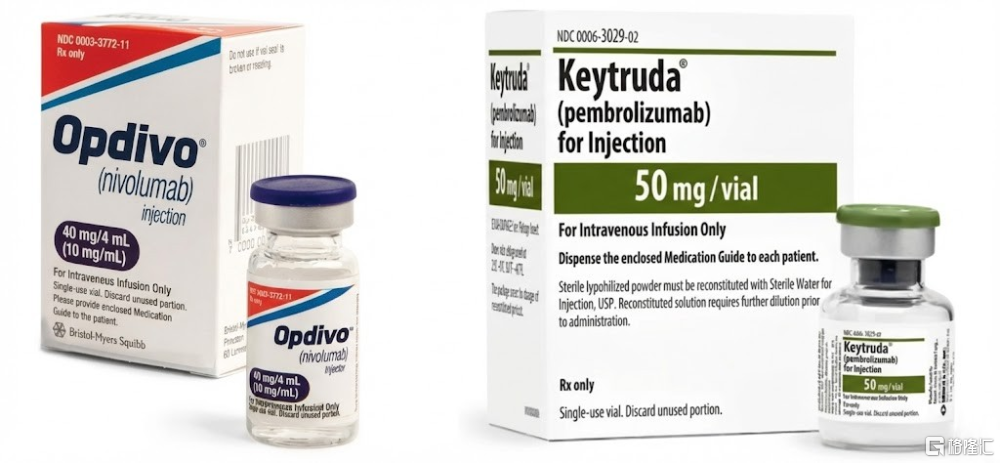
Core Insights - The introduction of PD-1 inhibitors in 2014 marked a significant turning point in the fight against cancer, with Bristol-Myers Squibb's Opdivo and Merck's Keytruda leading the charge in immunotherapy [1][3] - The competition between Opdivo and Keytruda has evolved over the years, with Keytruda ultimately becoming the top-selling drug globally by 2024 [21][22] Historical Context - The history of cancer immunotherapy began with William Coley's discovery in the late 19th century, which was followed by a long period of stagnation until the late 20th century when key immune cells were identified [4] - The discoveries of James Allison and Tasuku Honjo regarding CTLA-4 and PD-1, respectively, laid the groundwork for the development of PD-1 inhibitors [5][10] Drug Development - Opdivo was developed with strong backing from Bristol-Myers Squibb after acquiring Medarex in 2009, leading to its approval in Japan in 2014 [12] - Keytruda's development faced initial setbacks but was revitalized by Merck's strategic decision to conduct an unprecedented "super I phase" trial, leading to its approval shortly after Opdivo [14][15][16] Market Dynamics - In 2016, a critical competition occurred between Opdivo and Keytruda in the non-small cell lung cancer (NSCLC) market, which is the largest segment in oncology [17] - BMS's failure in the CheckMate-026 trial led to a significant drop in Opdivo's market position, while Merck's more selective approach in the KEYNOTE-024 trial resulted in Keytruda's success [18][19][20] Sales Performance - By 2024, Keytruda's sales reached $29.5 billion, marking an 18% increase and solidifying its position as the top-selling drug globally [21] - Opdivo, while still a major player, saw its sales decline but remained above the $10 billion mark, maintaining its status as a heavyweight in the market [22][23] Competitive Landscape - The global PD-1 inhibitor market is highly competitive, with 527 candidates in development as of early 2025, including 20 approved drugs [26][29] - In China, the market is characterized by intense competition among local manufacturers, with significant price reductions due to national healthcare negotiations [30][31] Future Outlook - Keytruda's core patent is expected to expire in 2028, potentially leading to a significant drop in sales as biosimilars enter the market [32] - A new challenger, Ivonescimab, has shown superior efficacy compared to Keytruda in clinical trials, indicating a shift towards dual-target therapies in cancer treatment [33][35]



“遥控开关”让CAR-T细胞学会“劳逸结合”
Ke Ji Ri Bao· 2026-02-25 23:04
Core Insights - A research team from the Ludwig Cancer Research Center and the Swiss Federal Institute of Technology in Lausanne has developed a method to regulate CAR-T cells on demand, as reported in the latest issue of Nature Chemical Biology. This advancement lays the groundwork for expanding such powerful therapies to more complex scenarios like solid tumor treatments, potentially benefiting more patients from precision immunotherapy [1][2]. Group 1: CAR-T Cell Therapy - CAR-T therapy has shown significant efficacy in hematological malignancies by genetically engineering patients' T cells to express chimeric antigen receptors (CARs), which can specifically target and kill cancer cells [1]. - The therapy faces challenges, including the risk of life-threatening cytokine release syndrome (CRS) and neurotoxicity due to overactive CAR-T cells, as well as functional exhaustion of CAR-T cells under continuous antigen stimulation, leading to reduced efficacy or relapse [1]. Group 2: New Regulatory Mechanism - The study introduces a simple and clinically feasible method to remotely control the already clinically used cancer drug venetoclax, which can reversibly reduce CAR-T cell activation without triggering self-destruction, allowing them to detach from cancer targets [2]. - Unlike previous controllable CAR designs, the new system utilizes only human protein components and clinically recognized non-immunosuppressive drugs to disrupt the interaction between CAR-T cells and tumor cells, providing higher safety by controlling them without sacrificing their potential for future treatments [2]. Group 3: Implications for Immunotherapy - The introduction of a "remote control switch" for CAR-T cells, using venetoclax, allows for a balance between activation and rest, enhancing the safety and effectiveness of immunotherapy. This innovation may also extend the application of CAR-T therapy to solid tumors, thereby benefiting a larger patient population [3].