上海大都市圈同城化战略

Search documents
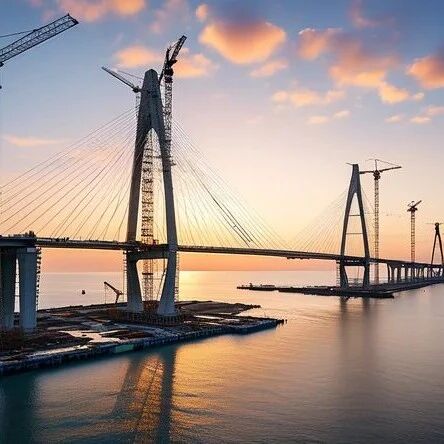
中国最长的跨海大桥,要来了
虎嗅APP· 2026-03-12 10:24
Core Viewpoint - The article discusses the significance of the newly planned cross-sea transportation projects in the Hangzhou Bay area, particularly the Shanghai-Ningbo cross-sea passage, which is expected to enhance connectivity and economic integration in the Yangtze River Delta region. Group 1: Infrastructure Development - The Shanghai-Ningbo cross-sea passage is included in the national 14th Five-Year Plan, indicating a major investment exceeding 100 billion yuan for this super project [6][4]. - The new passage will span 70 kilometers, surpassing the Hong Kong-Zhuhai-Macao Bridge, and will be the longest cross-sea bridge in China upon completion [20]. - The project aims to create a dual-use transportation system for both road and rail, significantly reducing travel time between Shanghai and Ningbo to just over one hour [22]. Group 2: Economic Integration - The Shanghai metropolitan area is evolving into a "province-like" entity, with the cross-sea passage being a strategic move to enhance the integration of the Yangtze River Delta [27]. - The metropolitan area plan encompasses 14 cities in the Yangtze River Delta, establishing it as the largest urban agglomeration in China [28]. - Ningbo is projected to have a GDP of 1.87 trillion yuan by 2025, positioning it as a significant economic player within the metropolitan area [33]. Group 3: Future Projects - In addition to the Shanghai-Ningbo passage, another major project, the Shanghai-Zhoushan-Ningbo cross-sea passage, is also in the pipeline, with a length of 160 kilometers and a higher complexity [25]. - The article highlights the ongoing discussions regarding other major cross-sea projects, such as those in the Taiwan Strait, Bohai Strait, and Qiongzhou Strait, which are still under consideration and face various strategic, technical, and economic challenges [40][48].